Beneath the Surface Gloss: The Hidden Economic Toll of Israel’s Prolonged Conflicts and the Reckoning Awaiting the Next Government

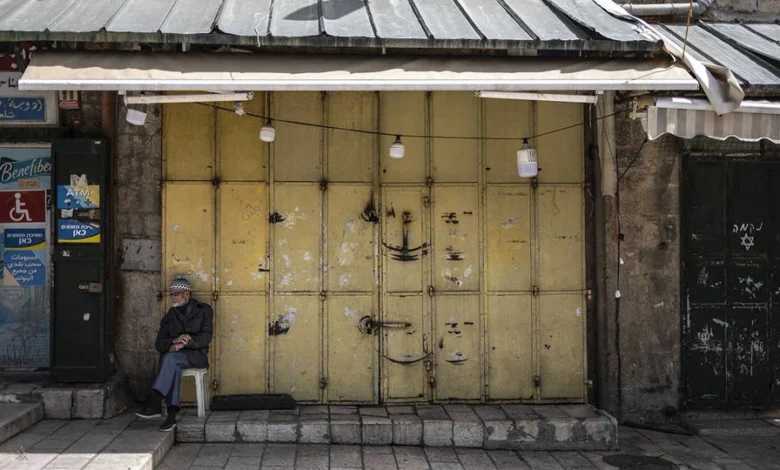
JERUSALEM — Israel’s economy has long prided itself on its resilience, adaptability, and high-tech dynamism. On paper, superficial indicators might suggest an economy weathering regional turbulence with remarkable fortitude. A robust stock market index and a resilient national currency often capture international headlines, projecting an image of stability to foreign investors. Yet, economists, fiscal analysts, and central bank insiders argue that these metrics tell only half the story. Beneath the surface gloss, three years of continuous and expansive warfare have inflicted structural, fiscal, and institutional damage far deeper than what is reflected in currency valuations or equity indices.
As recent national election results point toward weeks of arduous coalition negotiations, one stark reality transcends the political maneuvering. Whichever government eventually takes the oath of office in Jerusalem will immediately confront a severely constrained treasury, soaring national debt, and the profound economic scars of a prolonged multi-front conflict. The illusion of insulation is rapidly dissipating, replaced by the sober realization that national security and fiscal health are entering a period of unprecedented tension.
The Mirage of Financial Resilience
The dissonance between macroeconomic indicators and the lived reality of the Israeli economy has puzzled international observers. Historically, geopolitical shocks caused sharp depreciations of the shekel and massive capital flight. In the current conflict cycle, however, the currency has demonstrated unexpected strength, supported by central bank interventions, structural foreign exchange reserves, and continued multinational corporate interest in Israel’s premier technological sector. Similarly, the Tel Aviv Stock Exchange has periodically rebounded, buoyed by heavy weighting in defense contractors and multinational conglomerates whose global revenues shield them from domestic downturns.
However, financial experts warn against confusing asset prices with broader economic vitality. Defense spending has skyrocketed to historic highs, absorbing a disproportionate share of the national budget. Government borrowing has accelerated at an alarming pace, forcing the Ministry of Finance to issue debt at higher yields to satisfy institutional investors. Meanwhile, critical non-defense sectors of the economy—including construction, agriculture, tourism, and domestic retail—suffer from acute labor shortages, logistical bottlenecks, and diminished consumer confidence. Falling domestic output and stagnant capital investment point less toward a temporary shock and more toward the onset of a prolonged structural recession.
Chronology of a Fiscal Strain: A Timeline of Conflict and Economy
To understand how Israel arrived at this critical juncture, it is necessary to examine the compounding economic pressures that have built up over the past three years:
- Late 2023: The outbreak of the multi-front war triggers an immediate mobilization of hundreds of thousands of reservists, creating sudden labor deficits across the economy. Emergency wartime expenditures are hastily approved, initiating the first wave of significant budget deficits.
- 2024: The conflict expands in geographic scope and intensity. Direct military costs soar, forcing the government to revise its annual budget multiple times. Credit rating agencies begin issuing negative outlooks, citing long-term fiscal deterioration and the open-ended nature of the military campaign.
- 2025: Supply chain disruptions, restrictions on Palestinian laborers, and ongoing security measures severely depress key sectors such as construction and agriculture. Despite robust performance by select high-tech firms, domestic consumption slows markedly, and the national debt-to-GDP ratio climbs sharply toward levels not seen in decades.
- Late 2026: National elections are held amid voter fatigue and intense debate over economic management. Election results yield a fragmented parliament, ensuring protracted coalition talks just as the state budget for the upcoming fiscal year faces critical legislative deadlines.
Data and Discrepancies: Measuring the True Cost
Quantifying the economic impact of a multi-year conflict requires looking past standard financial tickers to examine national accounts, public debt trajectories, and productivity indices.
Data compiled by economic research institutions indicates that the cumulative direct cost of military operations, combined with infrastructure rehabilitation and compensation packages for displaced citizens, has strained public finances to a degree that will constrain state budgets for years to come. The national debt-to-GDP ratio, which had steadily declined over the preceding decade through disciplined fiscal policies, has reversed course, expanding rapidly as tax revenues fell short of wartime projections while expenditures surged.
Furthermore, the reallocation of capital toward defense procurement has crowded out investments in civilian infrastructure, education, and green energy transitions—sectors vital for long-term productivity growth. The high-tech sector, traditionally the engine of Israel’s economic growth and tax generation, has faced challenges regarding venture capital availability for early-stage startups, as investors grow cautious about regional stability and operational continuity. While multinational R&D centers remain anchored in the country due to deep talent pools, the formation of new indigenous startups has experienced a noticeable slowdown.
Official Responses and Policy Dilemmas
The Bank of Israel and the Ministry of Finance have repeatedly sounded cautionary notes, urging fiscal restraint and structural reforms to stabilize the national balance sheet. Central bank officials have navigated a delicate monetary policy path, balancing the need to curb inflation driven by supply constraints against the risk of stifling a fragile domestic economy with excessively high interest rates.
Political leaders across the spectrum have acknowledged the heavy financial burden, though prescriptions for recovery vary sharply. Outgoing officials and economic technocrats argue that the incoming government will have no choice but to implement unpopular fiscal measures, including broadening the tax base, trimming non-essential government ministries, and re-evaluating baseline defense appropriations once security conditions permit.
Conversely, political factions focused heavily on security priorities contend that defense outlays cannot be compromised under any circumstances, arguing that national survival supersedes macroeconomic equilibrium. This fundamental tension promises to make upcoming coalition negotiations exceptionally contentious, as budgetary allocations become the primary battleground for competing national priorities.
Broader Implications for the Region and Global Markets
The economic predicament facing Israel carries implications that extend far beyond its borders. As a prominent hub for global technology development, cybersecurity, and advanced engineering, disruptions or prolonged stagnation in the Israeli market can create ripple effects for multinational corporations reliant on its innovation ecosystem.
Moreover, the fiscal trajectory of the state serves as a case study for modern conflict economics—demonstrating how advanced, diversified economies can maintain outward financial stability through sophisticated monetary management while simultaneously accumulating deep structural deficits beneath the surface.
For international investors and creditors, the primary question is not whether Israel can service its debt—its institutional capacity and foreign currency reserves remain robust—but rather at what cost to future growth. The incoming government will inherit an economy at a crossroads. Navigating this challenge will require extraordinary political courage, transparent fiscal planning, and a willingness to prioritize long-term economic sustainability over short-term political expediency. Until these foundational choices are made, the apparent strength of Israel’s financial markers will remain a fragile facade masking the heavy toll of an enduring war.