Talk Your Book: Navigating Current Market Trends with Nuveen and Animal Spirits

The financial landscape as of November 2, 2026, presents a complex tapestry of macroeconomic signals that continue to challenge institutional and retail investors alike. In the latest installment of the "Talk Your Book" series, featured on the Animal Spirits podcast, host Ben Carlson engaged with representatives from Nuveen to dissect the prevailing market conditions, the role of alternative asset classes in modern portfolios, and the shifting expectations regarding monetary policy and global economic stability. As the fiscal year nears its close, the discussion centered on the imperative for diversified strategies in an era characterized by persistent market volatility and technological disruption.
The Macroeconomic Environment in Late 2026
The current market climate is defined by the ongoing transition from the high-interest-rate environment that dominated the mid-2020s to a period of recalibration. By November 2026, the Federal Reserve’s policy trajectory has become a focal point for market participants. The data presented during the recent session highlights that while inflation has shown signs of structural stabilization compared to the volatile periods of 2024 and 2025, the cost of capital remains a significant hurdle for growth-oriented sectors.
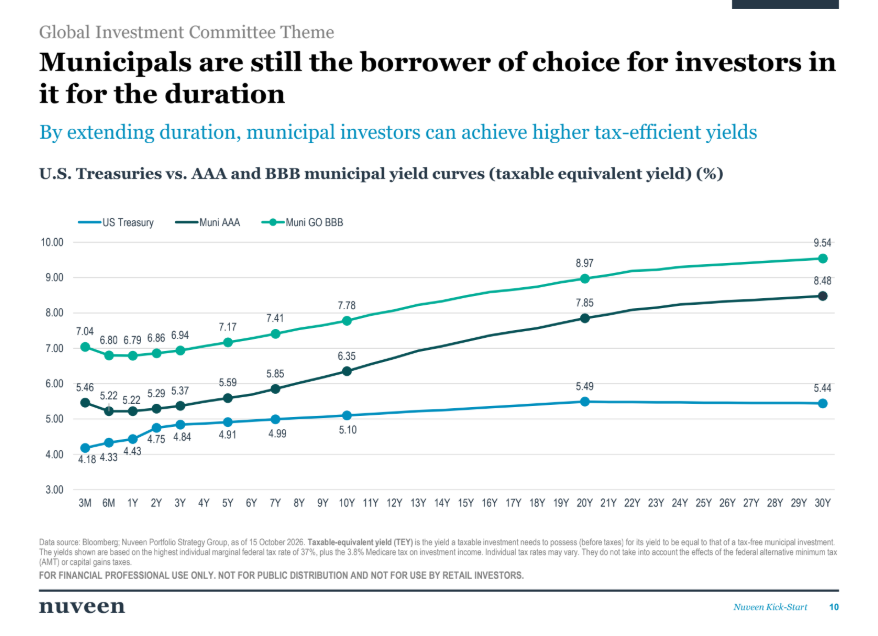
A primary concern for investors remains the "higher-for-longer" narrative, which has forced a migration of capital from speculative assets into fixed-income instruments and real assets. The charts discussed during the podcast—which utilize proprietary data streams to track capital flows and sector performance—illustrate a marked increase in demand for institutional-grade credit and private market opportunities. This shift reflects a broader skepticism regarding equity valuations that have, in some instances, decoupled from underlying corporate earnings growth.
A Chronology of Market Shifts: 2024–2026
To understand the current discourse, one must view it through the lens of the last 24 months.
- Early 2024: The market began pricing in the potential for a "soft landing," with indices reaching record highs despite concerns regarding commercial real estate and regional banking stability.
- Late 2024 – Mid 2025: Volatility spiked as geopolitical tensions in energy-producing regions forced a re-evaluation of global supply chain dependencies. During this phase, commodities and energy-sector equities acted as primary hedges for diversified portfolios.
- Late 2025 – Early 2026: The emergence of advanced AI-integrated operational efficiencies began to show tangible impacts on S&P 500 profit margins, leading to a late-cycle surge in technology-heavy portfolios.
- Second Half of 2026: The focus shifted toward capital preservation and yield generation. The discussion on "Talk Your Book" underscored that, as of November 2026, the narrative is no longer about aggressive growth, but about resilience against potential deflationary shocks or prolonged stagnation.
Data-Driven Insights and Asset Allocation
The supporting data provided in the presentation emphasizes that traditional 60/40 portfolios have faced significant stress tests over the past two years. Nuveen’s analysis suggests that the inclusion of private credit and real estate debt has become essential for institutional investors seeking to mitigate the correlation between equity and bond market drawdowns.

Statistical analysis of current market cycles indicates that the correlation between public equities and long-duration government bonds has remained stubbornly positive, effectively neutralizing the benefits of the traditional hedge. Consequently, the conversation turned to the "Nuveen Approach," which advocates for a multi-asset framework that prioritizes active management. This methodology argues that passive index tracking, while cost-effective during bull runs, lacks the granularity required to navigate the sector-specific headwinds currently observed in the tech, healthcare, and consumer discretionary sectors.
Official Perspectives and Market Implications
Representatives from Nuveen noted that the primary risk to the current market outlook is the potential for unexpected shifts in regulatory frameworks, particularly concerning the taxation of capital gains and corporate dividends. These "forward-looking" risks, as outlined in their disclosure documentation, necessitate a flexible portfolio construction.
"The objective," according to the podcast discussion, "is to ensure that investors are not overly reliant on the beta of the S&P 500." The implications of this strategy are twofold: first, it requires investors to accept lower liquidity in exchange for potential yield premiums; and second, it mandates a deeper understanding of the credit quality underlying the instruments being held.
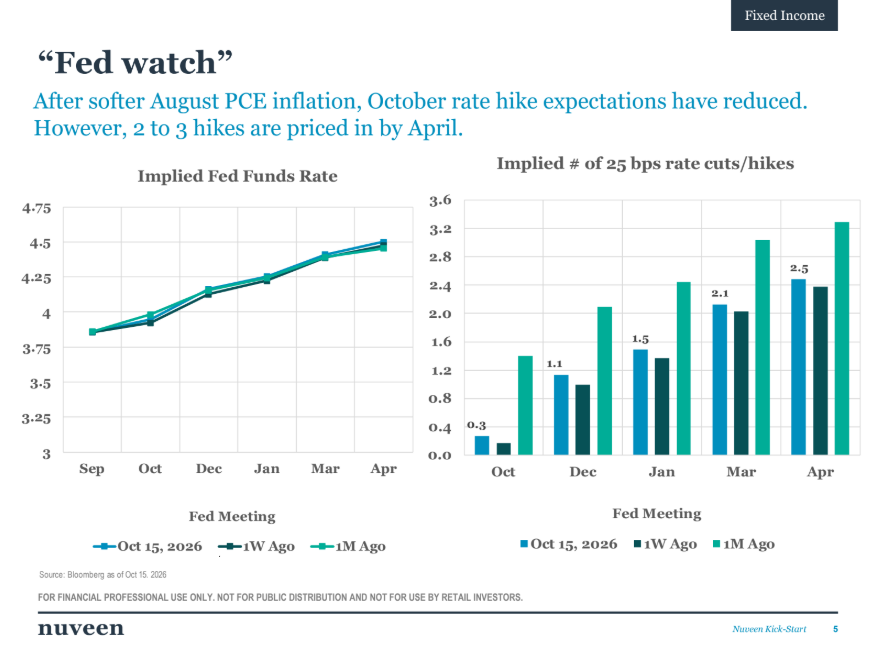
The discussion also touched upon the role of technological infrastructure in investment analysis. The charts provided during the broadcast serve as a visual testament to the speed at which market sentiment shifts. With algorithmic trading now accounting for a significant majority of daily volume, the lag between economic data releases and market reaction has compressed, making traditional fundamental analysis more difficult for retail investors to execute without institutional-grade support.
Broader Economic Impacts
The broader impact of these trends is felt most acutely in the retail investment space. With the rise of podcast-based financial education, the barrier to entry for complex strategies has lowered, but the risk of "information overload" has increased. The Animal Spirits podcast serves as a bridge between high-level institutional strategy and the day-to-day decision-making of the average investor.
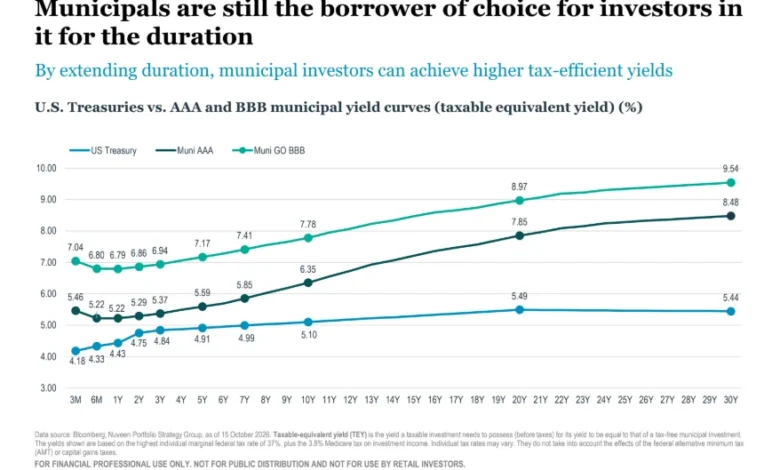
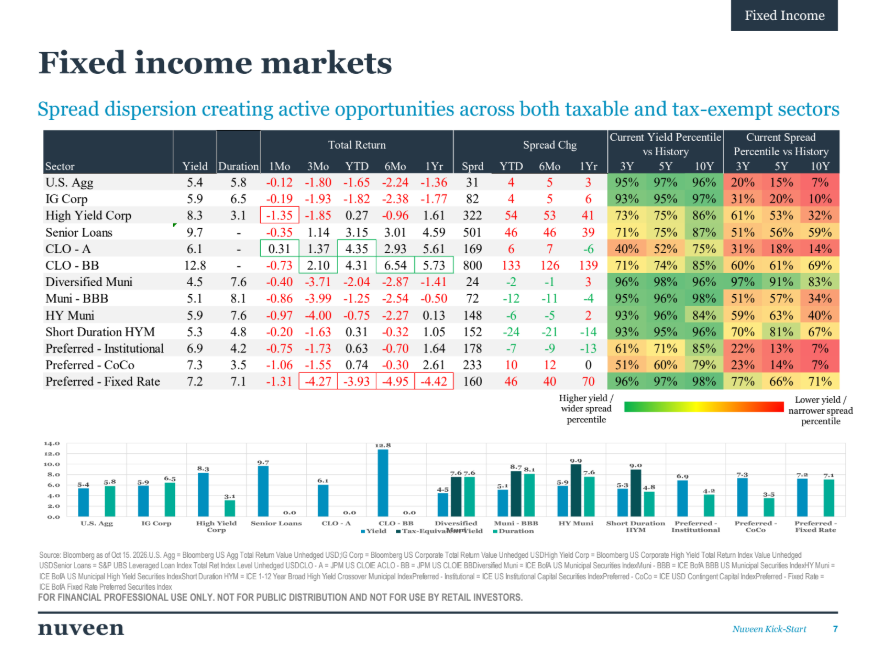
By examining the performance of specific asset classes—such as municipal bonds, private infrastructure, and global real estate—the panelists illustrated that the "safe havens" of the past decade may no longer provide the same level of security. Instead, the current consensus leans toward "quality at a reasonable price" (GARP) and a renewed focus on corporate cash flow generation.
Future Outlook: Preparing for 2027
As the industry looks toward 2027, the overarching sentiment is one of cautious optimism tempered by historical awareness. The "Talk Your Book" session highlighted that while the economy has proven more resilient than many prognosticators predicted in 2025, the cyclical nature of markets suggests that the period of low volatility is likely coming to an end.
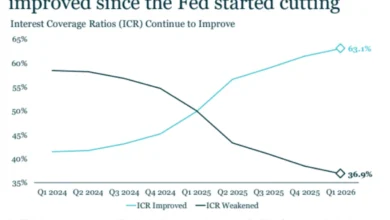
Investors are encouraged to review their exposure to concentrated sectors and consider the role of non-correlated assets. The data presented, ranging from interest rate sensitivity charts to sector-specific valuation metrics, provides a roadmap for those looking to rebalance before the end of the year.
It is important to note that all financial information presented in this context is intended for educational purposes. As stated in the disclosures provided by the participants, past performance is never a guarantee of future results, and the volatility inherent in current market conditions poses real risks to principal. Investors are urged to consult with qualified financial advisors to determine how these macro-level trends align with their individual risk profiles, time horizons, and long-term financial goals.
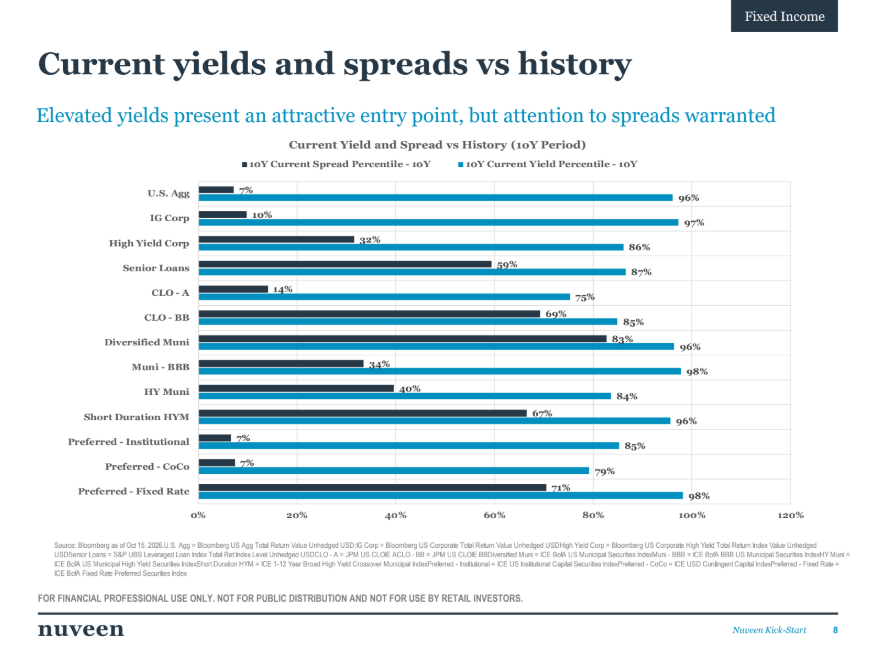
The integration of expert analysis from firms like Nuveen with the accessible dialogue of the Animal Spirits podcast underscores a pivotal shift in how financial news is consumed. In a complex, data-heavy environment, the ability to synthesize macroeconomic shifts into actionable intelligence is a defining characteristic of successful wealth management in the latter half of the 2020s. Whether the coming year brings continued expansion or a defensive retrenchment, the emphasis on liquidity, quality, and diversification remains the gold standard for navigating the modern financial frontier.