Payward Strategic Acquisition of Bitnomial Signals a Major Shift in the United States Crypto Derivatives Infrastructure

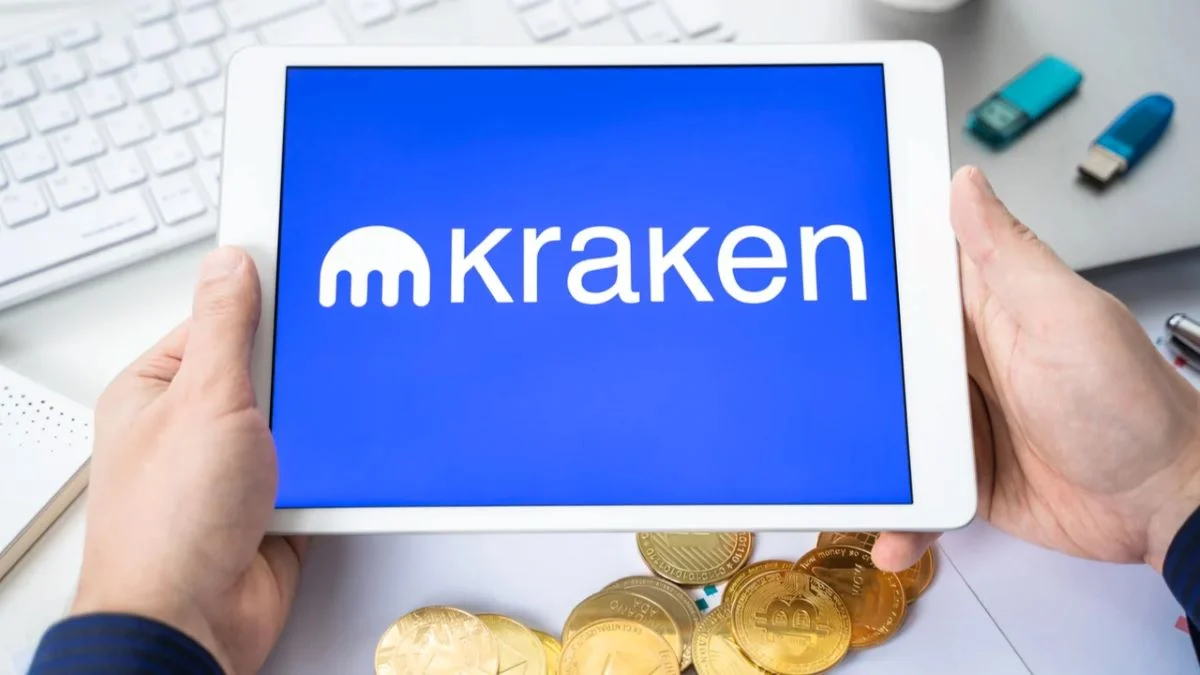
Payward Inc., the parent organization of the prominent cryptocurrency exchange Kraken, has reached a definitive agreement to acquire Bitnomial, a US-based crypto derivatives platform, in a deal valued at approximately $550 million. This strategic move, which involves a combination of cash and equity, represents one of the most significant infrastructure acquisitions in the digital asset sector this year. By bringing Bitnomial into its corporate fold, Payward is effectively bypassing the multi-year regulatory hurdles required to establish a fully licensed derivatives operation in the United States. The transaction underscores a broader industry trend where established crypto firms are prioritizing the acquisition of "regulatory stacks" over mere user growth or brand recognition.
The acquisition provides Payward with immediate access to a suite of rare and highly sought-after licenses from the Commodity Futures Trading Commission (CFTC). Unlike many of its competitors who rely on third-party partnerships or restricted licenses, Bitnomial has spent more than a decade securing the full regulatory permissions necessary to operate a vertically integrated derivatives business. This includes status as a Designated Contract Market (DCM), a Derivatives Clearing Organization (DCO), and a Futures Commission Merchant (FCM). Together, these licenses allow a single entity to facilitate the trading, clearing, and brokerage of futures and options contracts, providing a level of operational autonomy that is exceedingly rare in the domestic market.
The Strategic Importance of the Regulatory Full Stack
To understand the valuation of the deal, one must look at the specific nature of the licenses Bitnomial possesses. In the traditional financial world, the roles of exchange, clearinghouse, and broker are often separated to mitigate risk and prevent conflicts of interest. However, the crypto-native model increasingly favors a vertically integrated approach to provide more efficient settlements and lower costs for institutional participants.
The Designated Contract Market (DCM) license allows Bitnomial to list and trade futures and options contracts on its own platform. This is the foundational requirement for any derivatives exchange operating within the U.S. jurisdiction. However, the true value multiplier in this deal is the Derivatives Clearing Organization (DCO) license. The DCO allows the firm to act as the central counterparty for every trade, managing the risk and ensuring the settlement of contracts. Obtaining a DCO license is notoriously difficult and involves rigorous capital requirements and operational audits by the CFTC. Finally, the Futures Commission Merchant (FCM) license allows the firm to handle customer funds and act as a broker, completing the "full stack" of derivatives capabilities.
For Payward, acquiring these licenses through Bitnomial is a "speed-to-market" play. The process of applying for and receiving all three approvals from the CFTC can take upwards of five to seven years, with no guarantee of success. In an industry where market cycles move rapidly, Payward has chosen to invest $550 million to gain an immediate foothold in the institutional derivatives space, rather than risking a long and uncertain organic build.
Chronology of Bitnomial and the Path to Acquisition
The journey toward this acquisition began over a decade ago when Bitnomial was founded with a focus on building a regulated bridge between traditional finance and digital assets.
- 2014: Bitnomial is established with the vision of creating a transparent and regulated marketplace for digital asset derivatives.
- 2020: After years of development and regulatory dialogue, the CFTC grants Bitnomial its DCM and DCO licenses. This allows the firm to begin offering physically settled Bitcoin futures contracts.
- 2021-2022: Bitnomial expands its offerings and secures its FCM license, completing the regulatory trifecta. During this period, the firm focuses on serving institutional clients, including hedge funds and commodity trading advisors.
- 2023: Bitnomial receives landmark approval from the CFTC to offer the first regulated spot cryptocurrency trading on its platform, further blurring the lines between spot and derivatives markets.
- Late 2023: Rumors begin to circulate regarding Payward’s interest in expanding its U.S. footprint following increased regulatory pressure on offshore entities.
- 2024: Payward and Bitnomial finalize the terms of the $550 million acquisition, signaling a new chapter for Kraken’s domestic strategy.
This timeline illustrates that Bitnomial was not a "flash in the pan" startup but a long-term infrastructure play. Its patience in navigating the regulatory landscape made it an ideal target for a larger exchange like Kraken, which has the capital to scale such infrastructure but lacked the specific U.S. licenses for advanced derivatives.
Supporting Data and Market Context
The acquisition comes at a time when the crypto derivatives market is significantly outpacing the spot market in terms of volume and institutional interest. According to market data from various analytics firms, derivatives trading consistently accounts for 70% to 75% of total crypto market activity. In the United States, however, this market has been underserved due to the strict oversight of the CFTC and the lack of regulated venues.
Historically, U.S. retail and institutional investors have been forced to use the CME Group for regulated Bitcoin and Ethereum futures. While the CME is a powerhouse in traditional finance, its products are often cash-settled and geared toward traditional institutional workflows. Bitnomial’s focus on physically settled contracts—where the underlying asset is actually delivered—appeals to a different segment of the market, including miners and sophisticated crypto-native funds.

By acquiring Bitnomial, Payward is positioning itself to capture a share of the billions of dollars in daily volume that currently flows through offshore platforms or traditional exchanges. Furthermore, the move provides a hedge against the volatility of spot trading fees, which have faced downward pressure as the market matures and competition increases. Derivatives trading, with its recurring margin and clearing fees, offers a more stable and lucrative revenue stream for exchange operators.
Official Responses and Industry Reactions
While official press releases from Payward and Bitnomial have focused on the "synergy" and "shared vision" of the two firms, industry analysts see this as a clear defensive and offensive maneuver. Sources close to the deal suggest that Payward views the U.S. market as the most critical theater for institutional growth over the next decade.
"This acquisition is about more than just adding a new product line," noted one senior market analyst. "It is about building a moated business. In the U.S., the barrier to entry is the license. If you have the licenses, you have the market. Kraken is essentially buying a seat at the table that few others can afford or have the patience to earn."
While the CFTC has not commented specifically on the acquisition, the agency has historically encouraged the development of regulated domestic venues. The approval of such a deal would be seen as a sign that the U.S. regulatory environment is maturing, moving away from "regulation by enforcement" and toward a framework where established firms can operate with clarity under existing statutes.
Broader Impact and Future Implications for the Crypto Industry
The acquisition of Bitnomial by Payward is likely to trigger a ripple effect across the digital asset industry. It highlights the growing divide between firms that are willing to operate within the strict confines of U.S. law and those that remain primarily offshore.
First, this move puts significant pressure on other major exchanges like Coinbase and Gemini to further bolster their own derivatives offerings. Coinbase has already made moves in this direction with the acquisition of FairX (now Coinbase Derivatives), but the Bitnomial deal suggests that the "arms race" for regulatory infrastructure is accelerating.
Second, the deal signals a shift in how "value" is defined in the crypto space. In the 2017 and 2021 bull runs, value was often tied to user numbers or "hype." In 2024, value is increasingly tied to "plumbing"—the underlying infrastructure that allows for legal, scalable, and secure financial activity. Payward’s willingness to pay a premium for Bitnomial proves that the most valuable assets in the current market are not necessarily tokens, but the licenses that govern their exchange.
Third, for institutional investors, this acquisition is a net positive. It provides a more robust, well-capitalized domestic option for derivatives trading. As Kraken integrates Bitnomial’s technology and licenses, it will likely introduce a suite of new products, including more diverse altcoin futures and complex options strategies, all within a CFTC-regulated environment. This could lead to a significant influx of institutional capital that was previously sidelined due to compliance concerns.
Finally, the acquisition may serve as a blueprint for how the U.S. crypto market evolves. Rather than hundreds of small, unregulated exchanges, the market is consolidating into a few large, highly regulated "mega-platforms" that control the entire lifecycle of a trade—from the initial brokerage to the final clearing. This mirrors the structure of traditional financial markets and suggests that the "wild west" era of crypto is rapidly giving way to a more institutionalized and professionalized landscape.
In conclusion, Payward’s acquisition of Bitnomial for $550 million is a transformative event for the U.S. crypto industry. It is a calculated bet on the importance of regulatory compliance and the future dominance of the derivatives market. By securing a full stack of CFTC licenses, Kraken’s parent company has not only expanded its service offerings but has also fortified its position against both crypto-native competitors and traditional financial giants. As the integration proceeds, the industry will be watching closely to see how this new powerhouse influences the volume, liquidity, and regulatory trajectory of the digital asset market in the United States.
Related posts: