The Evolution of the FIRE Movement and the Rental Paradigm
The concept of Financial Independence, Retire Early (FIRE) often focuses on extreme frugality and aggressive investing during one’s working years. For Kristy and Bryce, the journey began as a pursuit of freedom from the corporate grind. When they first gained prominence in the financial community around 2016, they were often dismissed by critics who argued that their lifestyle was only possible because they were "DINKs" (Double Income, No Kids). Detractors frequently claimed that the arrival of a child would inevitably force them to "settle down," purchase a suburban home, and return to traditional employment to cover the escalating costs of child-rearing.
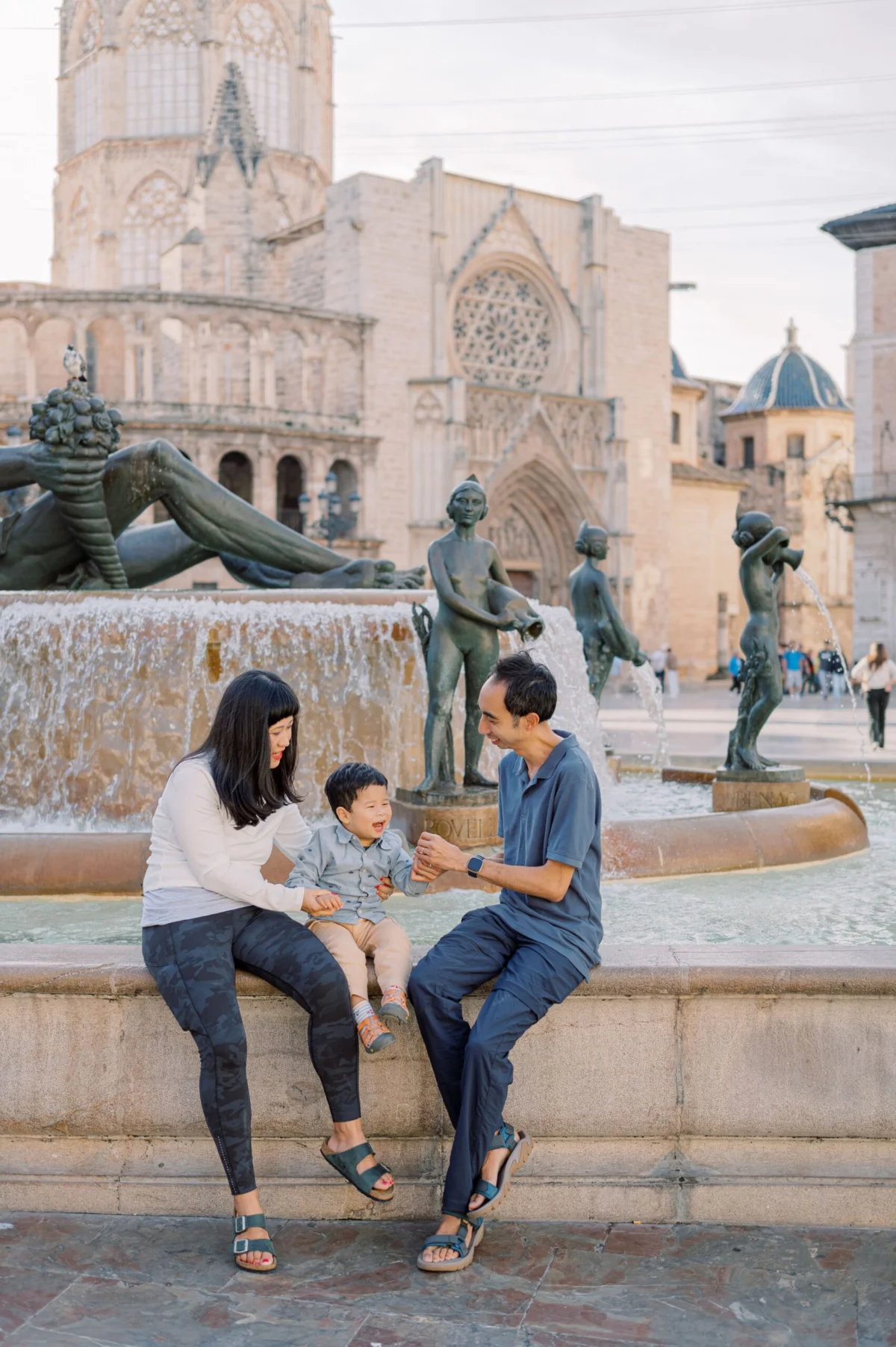
Ten years later, the couple has effectively debunked these predictions. After spending three months living nomadically in Spain with their toddler and recently relocating across Canada, they remain jobless and committed to renting. Their approach is rooted in the philosophy popularized by financial author JL Collins, who argues that a primary residence is often a "terrible investment" due to the non-recoverable costs of maintenance, property taxes, and interest. By redirecting capital that would have been locked in home equity into income-generating assets like low-cost index funds, the couple uses dividends and capital gains to fund their housing and lifestyle.
Chronology of a Decade of Independence
The timeline of Kristy and Bryce’s journey illustrates a deliberate adherence to financial principles over societal expectations:
- 2012–2015: The couple worked as engineers, accumulating a portfolio sufficient to sustain their living expenses indefinitely via the "4% Rule."
- 2016: They attended the Chautauqua financial retreat in Ecuador, where they met JL Collins and began sharing their "Buy Your Freedom, Rent the Rest" philosophy. At this stage, they were global nomads without permanent ties.
- 2016–2022: They served as speakers at various international financial events, advocating for the decoupling of housing and wealth.
- 2023: The birth of their child introduced a new variable. Despite external pressure to buy a home for "stability," they opted to continue renting, applying strategic rules to ensure their child’s environment remained secure.
- 2024: The family completed a three-month stint in Spain, demonstrating that the nomadic FIRE lifestyle is adaptable to parenthood.
Supporting Data: The Economic Case for Renting
The decision to rent is often viewed as "throwing money away," but empirical data suggests a more nuanced reality. According to the U.S. Census Bureau, approximately 65.3% of Americans own their homes, a figure that has remained relatively stable but masks the rising costs of ownership.
A fact-based analysis of the costs associated with homeownership reveals significant "sunk" expenses:
- Property Taxes: Typically ranging from 1% to 3% of the home’s value annually.
- Maintenance and Repairs: The "1% Rule" suggests homeowners should set aside 1% of the home’s value each year for upkeep.
- Opportunity Cost: The most significant hidden cost. If a $200,000 down payment is invested in the S&P 500 (which has a historical average annual return of roughly 10%) instead of a house, the lost gains are substantial.
By contrast, the rental model allows for capital mobility. In a "rent and invest" scenario, the renter’s net worth is held in liquid assets that provide diversified exposure to the global economy. As the couple notes, "You can’t live inside a stock, but you can live inside a home paid for by its dividends."
Strategic Renting: Mitigating Risk for Families
The primary concern for renting families is instability—specifically the fear of "renoviction" (eviction under the guise of renovations) or sudden lease terminations. To combat this, Kristy and Bryce have developed a ten-point framework for "strategic renting" designed to provide the same stability as homeownership without the financial burden.
1. Prioritizing Ownership Structure
The couple advises looking for "purpose-built" rental apartments rather than individual condos or houses. Buildings owned by corporations or dedicated landlords are less likely to be sold off unit-by-unit, significantly reducing the risk of a tenant being forced to move because the owner wants to sell the property.
2. Rigorous Landlord Vetting
Professionalism in property management is a key indicator of long-term stability. Prospective tenants are encouraged to research management companies for lawsuits, check the maintenance of common areas, and interview current tenants about their experiences.
3. Professionalism in Applications
In competitive markets, the couple treats rental viewings as job interviews. By presenting themselves as "A++ tenants"—providing credit scores, landlord references, and proof of assets upfront—they gain leverage in negotiations and access to better properties.
4. The "Two out of Three" Rule
Families must often choose between convenience, size, and neighborhood quality. Kristy and Bryce argue that by compromising on size (e.g., choosing an 800-square-foot apartment over a 1,200-square-foot house), they can afford to live in premium, walkable neighborhoods with better access to amenities and schools.
5. Accessing Quality Education via Magnet Schools
A common driver for home buying is "school district locking." However, the couple points out that many regions offer "magnet schools" or specialized programs that draw students from across boundary lines based on academic or artistic merit rather than zip code. This allows renters to access elite education without paying the "housing premium" associated with certain neighborhoods.
Broader Impact and Societal Implications
The success of this model has broader implications for the "Generation Rent" demographic. As housing prices in major metropolitan areas continue to outpace wage growth, the traditional path to wealth through home equity is becoming less accessible. The FIRE movement’s emphasis on renting suggests a path forward for young families who feel locked out of the real estate market.

Furthermore, the rise of remote work has increased the value of geographic flexibility. Renters can relocate to follow job opportunities or lower their cost of living without the friction of selling a property, which typically costs 6% to 10% of the home’s value in closing costs and agent fees.
However, critics point out that this model requires a high degree of financial literacy and discipline. For the average family, a mortgage acts as a "forced savings account." Without the discipline to invest the difference between rent and ownership costs, many families may find themselves without a significant nest egg in retirement.
Conclusion: Redefining Stability
The journey of Kristy and Bryce serves as a case study in the modern redefinition of "stability." For previous generations, stability was found in a 30-year mortgage and a fixed location. For the modern nomadic family, stability is found in a liquid portfolio that provides the "freedom to choose."
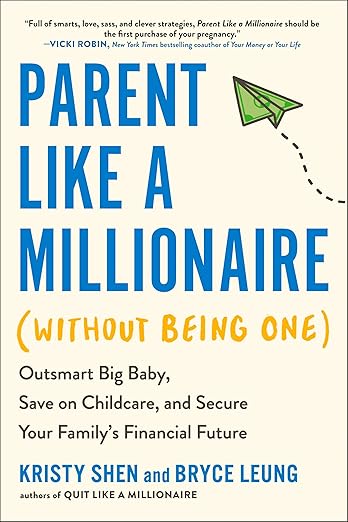
As detailed in their new publication, Parent Like a Millionaire (Without Being One), the couple argues that the most valuable asset a parent can provide is time, not a deed to a house. By minimizing "stuff" and maximizing investments, they have maintained a lifestyle that allows for constant presence in their child’s life, even while traveling the world.
The transition from "carefree DINKs" to "involuntary fire fighters" (as they humorously describe parenthood) has not changed their fundamental economic thesis. It has merely required a more tactical approach to the rental market. As they conclude, the goal is not to avoid owning things, but to ensure that the things they own do not end up owning their time. Through strategic renting and disciplined investing, they continue to prove that the "Simple Path to Wealth" is not only compatible with parenthood but perhaps uniquely suited to the challenges of raising a family in the 21st century.