European Union Signals Early Overhaul of Landmark MiCA Regulation Amidst Rapid Market Evolution and Global Regulatory Race

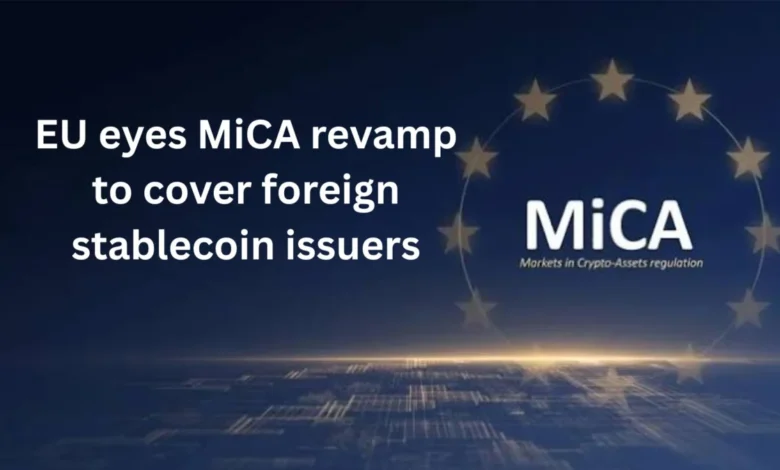
Just weeks after its comprehensive Markets in Crypto-Assets Regulation (MiCA) became fully binding across the bloc, the European Union is already preparing for a significant overhaul, signaling a proactive stance to address emerging technological advancements and close potential regulatory gaps. The initial phase of revisions is set to tackle issues surrounding foreign stablecoin issuers and integrate novel technologies that were nascent or non-existent during MiCA’s drafting phase. This swift move underscores the dynamic nature of the digital asset landscape and the EU’s determination to maintain its position at the forefront of crypto regulation.
The Immediate Call for Revision
MiCA’s core provisions, which represent the EU’s pioneering comprehensive regulatory framework for crypto-assets, first came into effect in December 2024. However, many crypto firms benefited from a transitional period that only concluded on July 1, 2025, bringing the full weight of the regulation to bear. Barely a week into this full enforcement, reports from within the European Commission indicate that officials are already initiating discussions for a revision. The European Commission has opened a stakeholder consultation, running through September 30, 2025, to gather input on the scope and direction of these potential updates. This immediate re-evaluation highlights both the rapid pace of innovation in the crypto sector and the EU’s commitment to creating a future-proof regulatory environment.
Among the key areas under consideration for stricter oversight are the issuance of stablecoins by entities based outside the EU and the burgeoning field of tokenization, particularly of real-world assets. The Commission is weighing how to more firmly bring these aspects within MiCA’s regulatory purview, ensuring that the framework remains robust against arbitrage opportunities and new forms of digital finance. This anticipatory approach aims to prevent regulatory loopholes from undermining the stability and integrity of the EU’s digital asset market.
MiCA’s Genesis and Core Tenets
MiCA’s journey from proposal to full implementation has been a multi-year endeavor, born out of a recognition for the need to bring regulatory clarity and consumer protection to the nascent and often volatile crypto market. The initial impetus gained significant momentum following several high-profile market dislocations, including the collapse of the Terra-Luna ecosystem in May 2022 and the subsequent implosion of FTX in November 2022. These events exposed critical vulnerabilities in unregulated crypto markets, emphasizing the urgent need for robust oversight, particularly for stablecoins and crypto-asset service providers (CASPs).
The regulation, formally adopted in May 2023, provides a harmonized framework across all 27 EU member states, a significant step in preventing regulatory fragmentation. It establishes common rules for issuers of crypto-assets, as well as for CASPs such as exchanges, brokers, and custodians. MiCA focuses on market integrity, consumer protection, and financial stability, requiring transparency regarding crypto-asset issuance, mandating authorization for CASPs, and imposing stringent operational and prudential requirements.
A cornerstone of MiCA’s initial design was its differentiated approach to stablecoins, categorized into two primary types: e-money tokens (EMTs) and asset-referenced tokens (ARTs). EMTs are defined as crypto-assets that aim to maintain a stable value by referencing a single fiat currency, such as the euro. ARTs, on the other hand, derive their value from a basket of currencies, commodities, or other assets. Both categories are subject to strict requirements under MiCA, including full reserve backing in safe, liquid assets, and rigorous governance standards. Notably, MiCA explicitly prohibits EMTs from paying yield to holders, a measure designed to mitigate risks associated with speculative returns on stable assets.
Stablecoins: A Central Focus and Global Comparisons
The EU’s intense focus on stablecoins in its revision efforts is not arbitrary. Stablecoins have emerged as a critical component of the broader crypto ecosystem, acting as a bridge between traditional finance and decentralized applications. Their increasing adoption for payments, trading, and lending has amplified concerns about their potential impact on financial stability, especially given their susceptibility to runs and liquidity crises if not properly managed.
Part of the impetus for MiCA’s current re-evaluation appears to stem from observing the evolving digital asset regulatory landscape, particularly in the United States. The signing of the GENIUS Act (Generating Innovative New Solutions for Users in the Stablecoin Ecosystem Act) in the summer of 2024 by former President Trump provided American stablecoin issuers with their first dedicated federal framework. While MiCA’s stablecoin provisions are widely considered tougher than their American counterpart, EU officials are keen to ensure that their framework does not fall behind or inadvertently create loopholes that foreign issuers could exploit, potentially leading to regulatory arbitrage.
The GENIUS Act, while a significant step for the US, largely focuses on "payment stablecoins" — those pegged to a single fiat currency — mirroring MiCA’s e-money token provisions regarding full reserves. However, the American law remains largely silent on the question of yield, a point where MiCA explicitly restricts it for EMTs. This difference highlights varying regulatory philosophies and potential areas for future alignment or divergence. Furthermore, the US framework does not yet encompass the broader category of asset-referenced tokens, which MiCA comprehensively addresses.
Under MiCA, asset-referenced tokens face an even tougher regulatory bar. Issuers of ARTs are required to maintain larger capital cushions, adhere to tighter liquidity rules, and are subject to direct oversight from the European Banking Authority (EBA). This category also extends to certain real-world asset (RWA) tokens backed by tangible assets like commodities or property, emphasizing the EU’s broad definition of what constitutes a regulated crypto-asset. The EBA’s direct oversight ensures a centralized and rigorous approach to the stability and risk management of these more complex stablecoin types.
Expanding Regulatory Horizons: Tokenization and Non-EU Issuers
One crucial area that MiCA initially did not directly address, but is now firmly on the revision agenda, is tokenized securities. These digital representations of traditional financial instruments continue to fall under the EU’s existing securities laws (such as MiFID II) rather than the crypto framework. However, with exchanges both inside and outside the bloc increasingly rolling out tokenized stock products and other security tokens, the line between traditional securities and crypto-assets is blurring. The review will likely explore how to better integrate these products into MiCA or establish clear interoperability between existing securities regulations and the new crypto framework, preventing regulatory fragmentation and ensuring consistent investor protection.
The focus on non-EU stablecoin issuers is another strategic move. As the crypto market is inherently global, stablecoins issued by entities outside the EU can still circulate and be utilized within the bloc, potentially bypassing MiCA’s stringent requirements. The revision aims to create mechanisms to either bring these foreign issuers under EU jurisdiction, mandate specific compliance standards for their use within the EU, or restrict their circulation if they do not meet equivalence standards. This is critical for preventing a "race to the bottom" in regulatory standards and protecting EU consumers and financial stability from risks originating beyond its borders.
ESMA’s Focus on Operational Resilience
In a related development underscoring the EU’s commitment to market integrity, the European Securities and Markets Authority (ESMA), the EU’s securities watchdog, announced on Wednesday, July 2, 2025, that it will launch a comprehensive review of licensed crypto-asset service providers’ (CASPs) operational resilience. This assessment, scheduled to run from July 2025 through the first half of 2027, will heavily focus on how firms handle custody risk and their overall ability to cope with operational disruptions.
ESMA’s review will scrutinize the protective measures CASPs have in place to safeguard customer holdings, especially in scenarios involving cyberattacks, technological failures, or other unforeseen operational challenges. The objective is to ensure that licensed firms maintain robust systems and controls to protect client assets and ensure continuous service, even during periods of stress. This initiative complements the MiCA revision by ensuring that the practical application of the regulation’s requirements translates into tangible operational safety and reliability for consumers.
Market Dynamics Driving Regulatory Urgency
The push to revisit MiCA also comes against a backdrop of explosive growth in stablecoin usage, further emphasizing the need for adaptable and comprehensive regulation. According to data from Artemis Analytics, the total stablecoin transaction volume experienced a staggering 72% jump in 2024, reaching approximately $33 trillion. This exponential growth highlights the increasing role stablecoins play in global finance, not just within the crypto ecosystem but also as potential conduits for cross-border payments and remittances.
By comparison, the aggregate market capitalization of stablecoins globally stood at over $150 billion as of mid-2025, reflecting their growing systemic importance. This scale necessitates a regulatory framework that can evolve as quickly as the market itself, addressing new risks and technologies as they emerge. The EU’s proactive approach to MiCA’s revision reflects a recognition that static regulation in a dynamic sector like crypto is quickly rendered obsolete.
Implications for the Global Crypto Landscape
The EU’s decision to revise MiCA so soon after its full implementation sends a clear message to the global crypto industry: regulation is not a one-off event but an ongoing process of adaptation and refinement. This proactive stance could solidify the EU’s reputation as a leader in comprehensive digital asset regulation, potentially influencing other jurisdictions currently grappling with how to oversee their own crypto markets.
For crypto firms operating within or looking to enter the EU, the revisions will necessitate continuous vigilance and adaptability. While the initial MiCA framework provided much-needed clarity, the upcoming changes will require firms to re-evaluate their compliance strategies, particularly concerning stablecoin issuance, interactions with non-EU entities, and their approach to tokenized securities. It also signals a potential for increased scrutiny and more granular requirements, demanding greater investment in compliance infrastructure and legal expertise.
Moreover, the ongoing dialogue between the EU and other major economies, particularly the US, regarding digital asset regulation will intensify. As both jurisdictions refine their frameworks, there will be opportunities for regulatory harmonization in some areas and potential for divergence in others. The EU’s early move to address "gaps" and "new technologies" demonstrates a commitment to ensuring its framework remains cutting-edge, potentially setting a benchmark for future global regulatory standards in an increasingly interconnected digital economy. This iterative approach to regulation, while challenging for industry, ultimately aims to foster a more secure, transparent, and stable environment for the evolution of digital finance within the European Union and beyond.