Analyzing the Economics of Honolulu Luxury Real Estate and the Financial Strategies of High Net Worth Property Investors

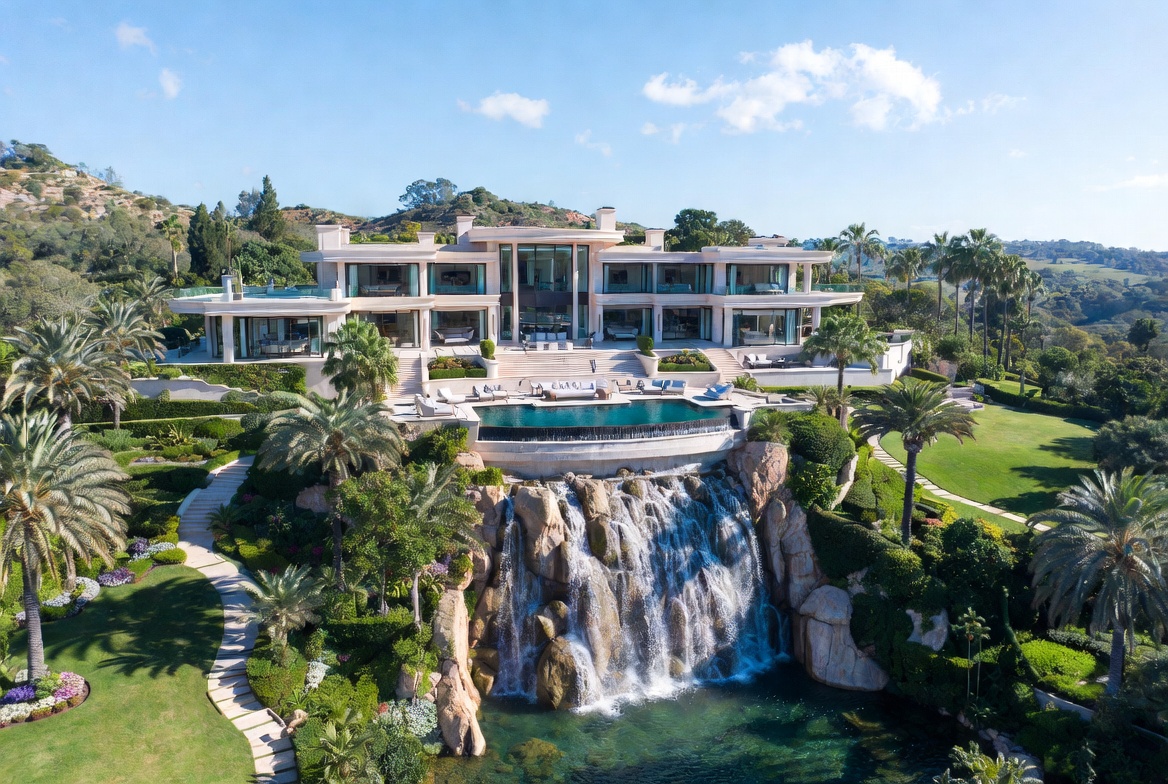
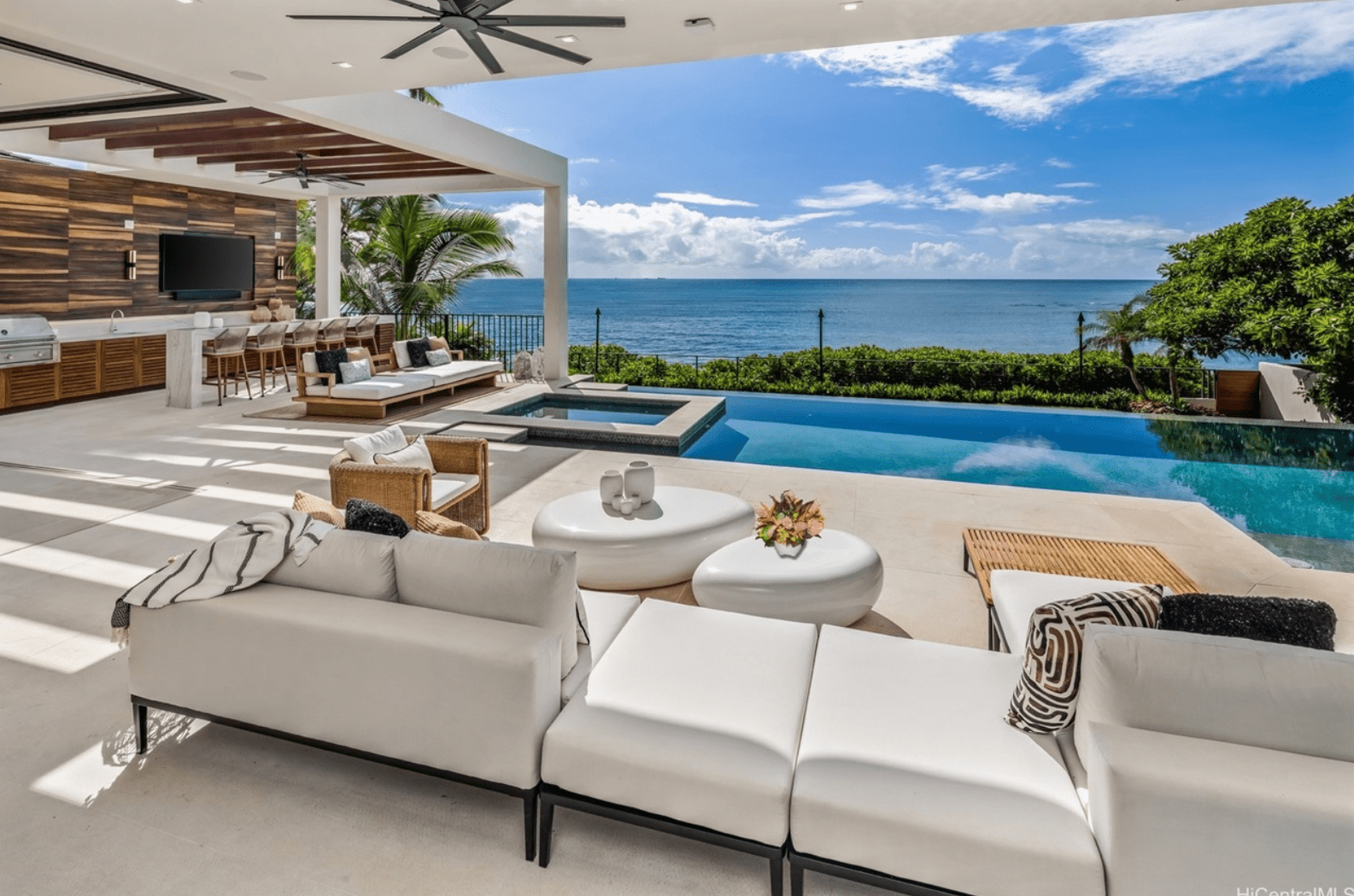
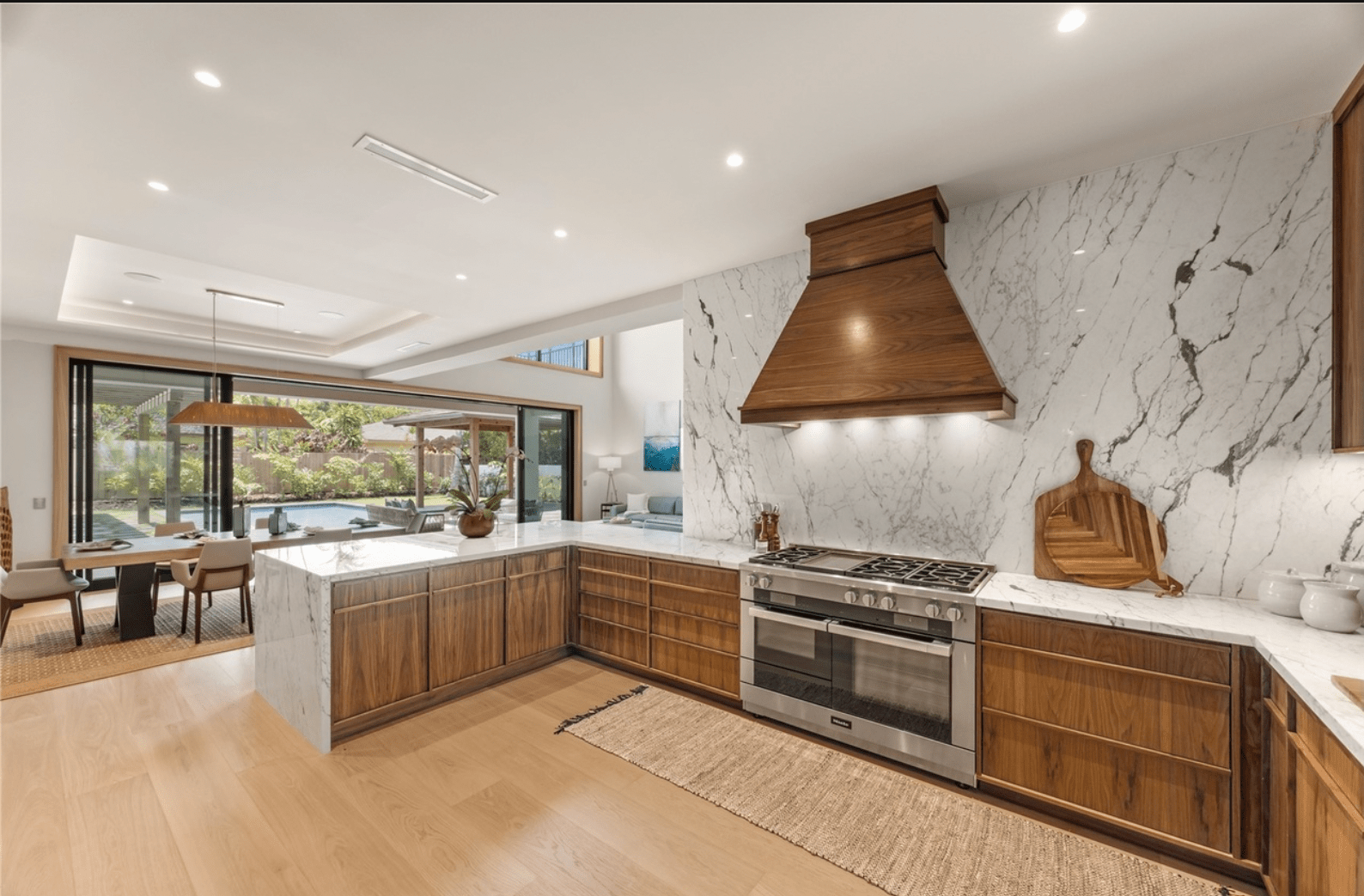
The Honolulu luxury real estate market is currently navigating a period of price discovery as high-value estates, such as a recent $9 million listing in the prestigious Kahala neighborhood, remain on the market for extended durations. This specific property, a 6,700-square-foot estate situated on a 15,000-square-foot lot, has surpassed 200 days on the market, serving as a significant case study for the shifting dynamics of ultra-high-net-worth (UHNW) property acquisition. Featuring five bedrooms, five and a half bathrooms, and specialized amenities including a free-form pool, cold plunge, koi pond, and a private gym with a climbing wall, the estate exemplifies the "trophy property" category that defines the Kahala coastline, often referred to as the "Beverly Hills of Honolulu."
Market Context and Property Specifications
The Kahala district remains one of the most expensive residential corridors in the United States. However, the prolonged listing period of properties in the $8 million to $10 million range highlights a disconnect between seller expectations and buyer utility. Market analysts note that while the broader Honolulu real estate market has seen fluctuations due to interest rate volatility, the ultra-luxury segment operates on a different set of economic drivers. Buyers at this level are frequently shielded from mortgage rate hikes, as a significant percentage of transactions are conducted in cash or through private wealth Lombard loans.
The $9 million Kahala estate represents a specific tier of luxury that demands high operational overhead. Estimates suggest that the annual carrying costs for such a property—encompassing property taxes, insurance, landscaping, pool maintenance, and specialized care for features like koi ponds—can exceed $150,000. When factoring in the opportunity cost of the capital tied up in the asset, the effective cost of ownership increases significantly. At a conservative 4.25% risk-free rate of return, $9 million in liquidity could otherwise generate approximately $382,500 in annual income, bringing the total "economic cost" of the home to over half a million dollars per year before accounting for depreciation or market appreciation.
Chronology of Luxury Market Shifts in Hawaii
The trajectory of Hawaii’s luxury real estate has undergone several distinct phases over the last decade:
- Pre-2020 Stability: The market was characterized by steady interest from Japanese nationals and West Coast executives, with Kahala maintaining a premium as the premier urban-adjacent luxury enclave.
- The Pandemic Surge (2020–2022): Remote work and a flight to low-density, high-amenity environments led to a record-breaking absorption of luxury inventory. Honolulu saw a surge in buyers from California, Washington, and Oregon seeking primary residences.
- The Post-Pandemic Correction (2023–Present): As corporate "return-to-office" mandates took effect and interest rates rose, the "primary residence" demand for 6,000+ square foot homes cooled. Properties began sitting on the market longer as buyers became more discerning regarding layout, utility, and long-term maintenance.
The current 200-day listing period for the Kahala estate reflects this third phase, where the "optionality" of the home often outweighs its immediate residential utility for the prospective buyer pool.
Demographic Profiles of the Ultra-Luxury Buyer
Listing agents in the Honolulu sector report that the primary demographic for properties priced above $8 million consists of two main groups: Japanese nationals seeking dollar-denominated assets and West Coast entrepreneurs who have recently experienced liquidity events, such as the sale of a business or an Initial Public Offering (IPO).
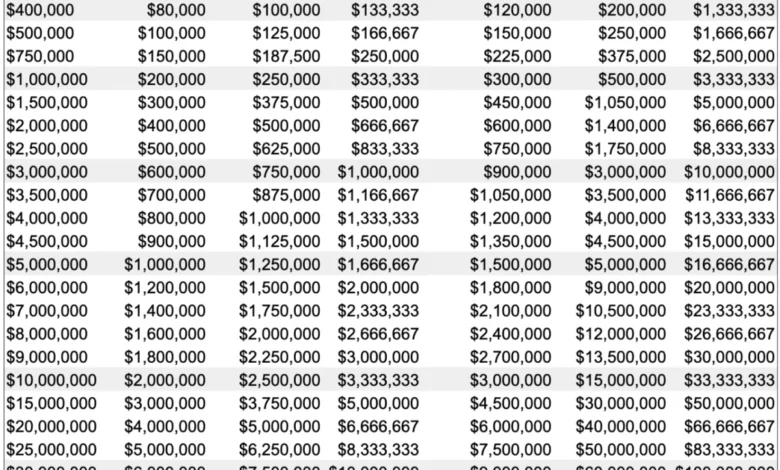
For these buyers, the purchase is rarely a primary residence. Industry data suggests many of these homes are occupied for only 30 to 60 days per year. While a middle-class or mass-affluent buyer might view a $5,000 to $10,000 per-night effective cost of stay as prohibitive, UHNW individuals often view the expenditure through the lens of "net worth denominator" logic. If a buyer possesses a net worth of $150 million, a $9 million home represents only 6% of their total wealth. This aligns with conservative financial planning models which suggest that a primary or secondary residence should ideally remain below 20% to 30% of an individual’s total net worth to ensure long-term liquidity.

The Strategic Role of Real Estate in Wealth Management
From a journalistic and financial analysis perspective, the acquisition of an $9 million estate is rarely a purely emotional decision; it is often a calculated move within a broader wealth management strategy. There are four primary pillars to this strategy:
1. The "Vault" Theory of Real Estate
In a global economy characterized by currency volatility, particularly with the fluctuations of the Japanese Yen against the US Dollar, Hawaii real estate serves as a "hard asset" vault. Because land in oceanfront Honolulu is finite and supply is strictly constrained by geography and zoning laws, these properties are viewed as stores of value similar to gold or blue-chip art. Investors treat the property as a bond-equivalent—an illiquid asset that preserves capital while providing "lifestyle dividends."
2. Tax Basis Arbitrage and Estate Planning
A critical driver for holding high-value real estate until death is the "stepped-up basis" provision in U.S. tax law. If an investor purchases a Kahala home for $9 million and it appreciates to $20 million by the time of their passing, the heirs receive the property at a "stepped-up" cost basis of $20 million. This effectively eliminates the capital gains tax on the $11 million appreciation.
However, Hawaii-specific regulations add a layer of complexity. Unlike many other states, Hawaii imposes its own estate tax on real property located within the islands, even for non-residents. This tax can reach up to 20%, which, when combined with federal estate taxes (currently capped at a 40% rate for estates exceeding certain thresholds), requires sophisticated trust structures, such as Grantor Retained Annuity Trusts (GRATs), to mitigate.
3. The Valuation of Optionality
For the ultra-wealthy, the value of a home is often found in its availability rather than its use. "Optionality" refers to the luxury of having a fully staffed, private environment ready for immediate use without the logistical hurdles of luxury resorts. In this economic tier, the "cost-per-use" metric is replaced by the "value-of-certainty" metric.
4. Multi-Generational Utility
A significant factor in the rejection or acceptance of these large estates is multi-generational accessibility. As the "Silver Tsunami" (the aging of the Baby Boomer generation) continues, luxury buyers are increasingly prioritizing single-level living or homes equipped with "ohana units" (guest houses) and elevators. The 200-day market stagnation of certain large estates is often attributed to architectural designs—such as grand staircases—that do not accommodate aging-in-place, a critical requirement for buyers looking to house elderly parents or plan for their own future.
Broader Economic Implications for Honolulu
The persistence of high-priced, vacant luxury estates has sparked a broader debate regarding housing inventory and local economic impact. While these sales generate significant conveyance taxes and property tax revenue for the City and County of Honolulu, they contribute to a "dark window" effect in neighborhoods like Kahala, where homes remain empty for most of the year.
Economists point out that while these properties do not directly compete with the "affordable housing" inventory, they influence land values and construction costs across the island. The demand for specialized labor to maintain koi ponds, high-end security systems, and custom masonry keeps the luxury service sector robust but can also drive up costs for general residential repairs for the average homeowner.
Analysis of the "30/30/3" and Net Worth Guidelines
For the general public, the financial discipline required to reach a level of wealth where a $9 million purchase is "negligible" remains a point of interest. Financial analysts often point to the "30/30/3" rule as a benchmark for sustainable home ownership:
- Spend no more than 30% of gross income on monthly mortgage payments.
- Have 30% of the home’s value in cash (20% for down payment, 10% for a buffer).
- The home price should not exceed 3 times annual gross income (though this has become increasingly difficult in high-cost-of-living areas).
In the ultra-luxury segment, the "Net Worth Rule" supersedes income-based metrics. When the denominator (net worth) is sufficiently large, the traditional stresses of property maintenance and carrying costs disappear. The "house rich, cash poor" phenomenon, which plagues many middle-class buyers who overextend to buy into prestigious zip codes, is avoided by the UHNW class through strict adherence to asset allocation percentages rather than nominal dollar amounts.
Conclusion: The Future of the Kahala Market
As the $9 million estate in Kahala continues its tenure on the market, it serves as a barometer for the luxury sector’s health. The eventual sale price will provide a vital data point for whether the market is cooling or simply waiting for a buyer whose specific "denominator" makes the carrying costs irrelevant. For now, the Honolulu luxury market remains a complex intersection of international investment, sophisticated estate planning, and a global pursuit of "optionality" in one of the world’s most geographically constrained environments. Professional observers suggest that the properties that will move fastest in the coming years are those that combine high-end luxury with "functional longevity"—designs that accommodate multi-generational families and minimize the friction of aging, regardless of the buyer’s net worth.