The Wealth-Comfort Paradox: Why Frugal Inertia Among the Elderly Poses Significant Health and Safety Risks

A growing body of evidence suggests a stark contradiction in modern personal finance: the demographic holding the highest percentage of national wealth is frequently the most susceptible to living in substandard or dangerous conditions. While the elderly often possess the financial resources to mitigate environmental risks, a combination of psychological inertia, physiological adaptation, and a decline in "activation energy" creates a barrier to essential home and lifestyle maintenance. This phenomenon, often referred to as the "wealth-comfort paradox," is increasingly linked to preventable tragedies, ranging from heat-related fatalities to fatal household neglect.
The Physiological Vulnerability of the Aging Population
The risks associated with poor living conditions are not merely matters of discomfort but of survival. According to data from the World Health Organization (WHO), heat-related stress is the leading cause of climate-related death in the European Region, claiming more than 175,000 lives annually. Globally, the statistics are even more sobering, with over 60,000 heat-related deaths recorded in Europe alone during recent peak summer months.
Medical experts note that roughly 85% to 90% of these victims are individuals over the age of 65. The primary driver is a biological decline in thermoregulation. As the human body ages, its ability to sweat and circulate blood to the skin’s surface for cooling diminishes. Furthermore, pre-existing conditions common in seniors, such as cardiovascular and respiratory diseases, are severely exacerbated by high temperatures. When ambient temperatures exceed 80 degrees Fahrenheit and humidity rises, the elderly body enters a state of high stress that can quickly lead to heatstroke or heart failure.
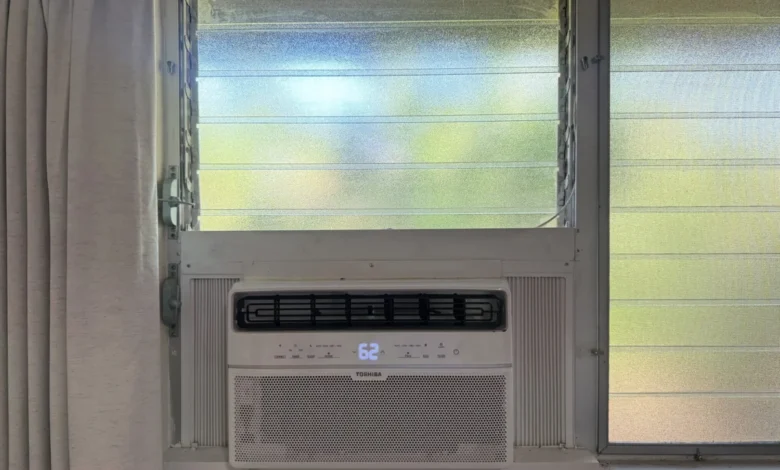
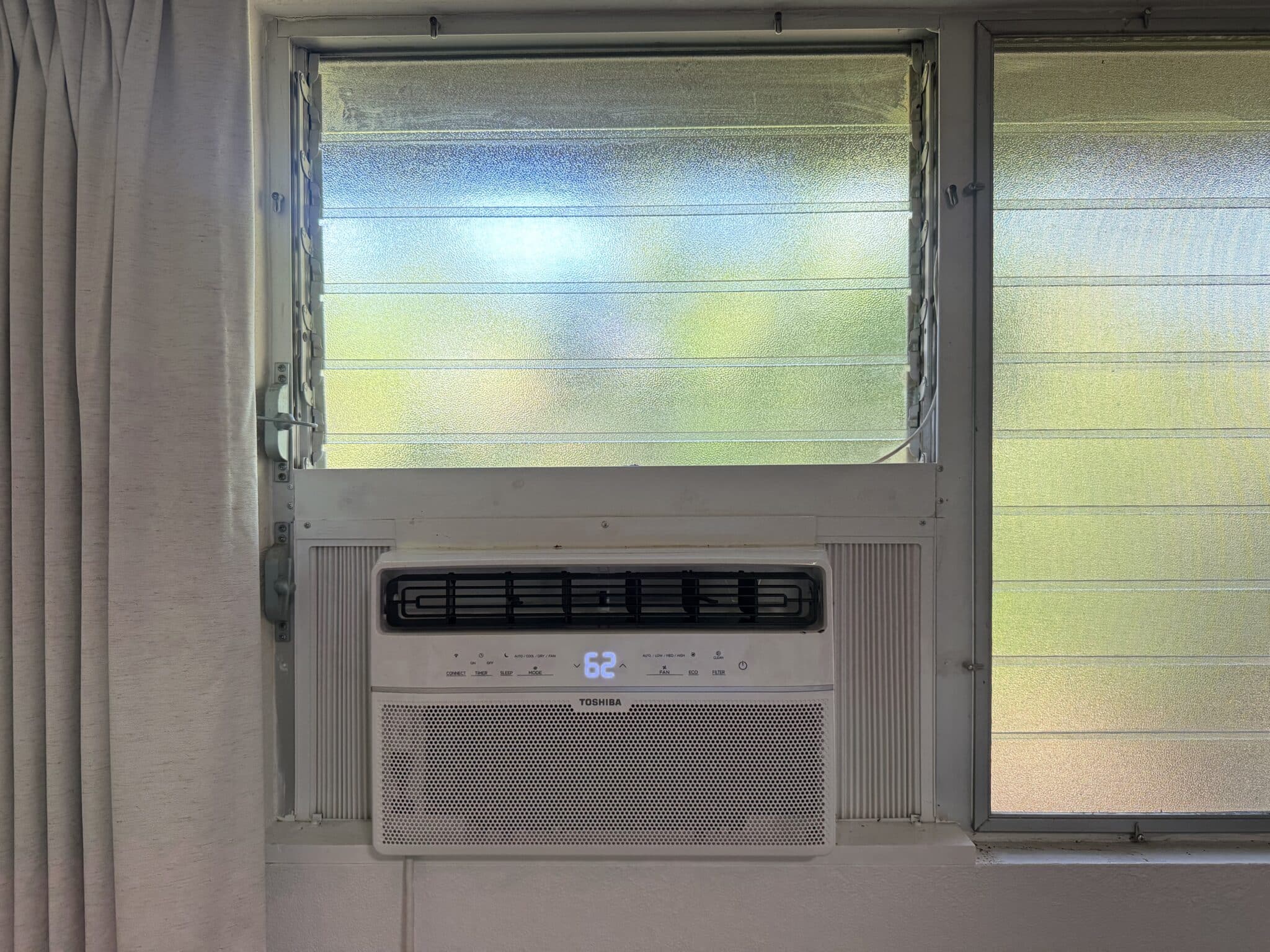
Despite this clear biological threat, many seniors residing in high-temperature zones, such as Hawaii or Southern Europe, continue to live without functioning air conditioning or adequate ventilation. This occurs even when the cost of remediation—such as a $260 window unit or an $80 refrigerant recharge—is negligible relative to their net worth.

Behavioral Economics: The "Activation Energy" Barrier
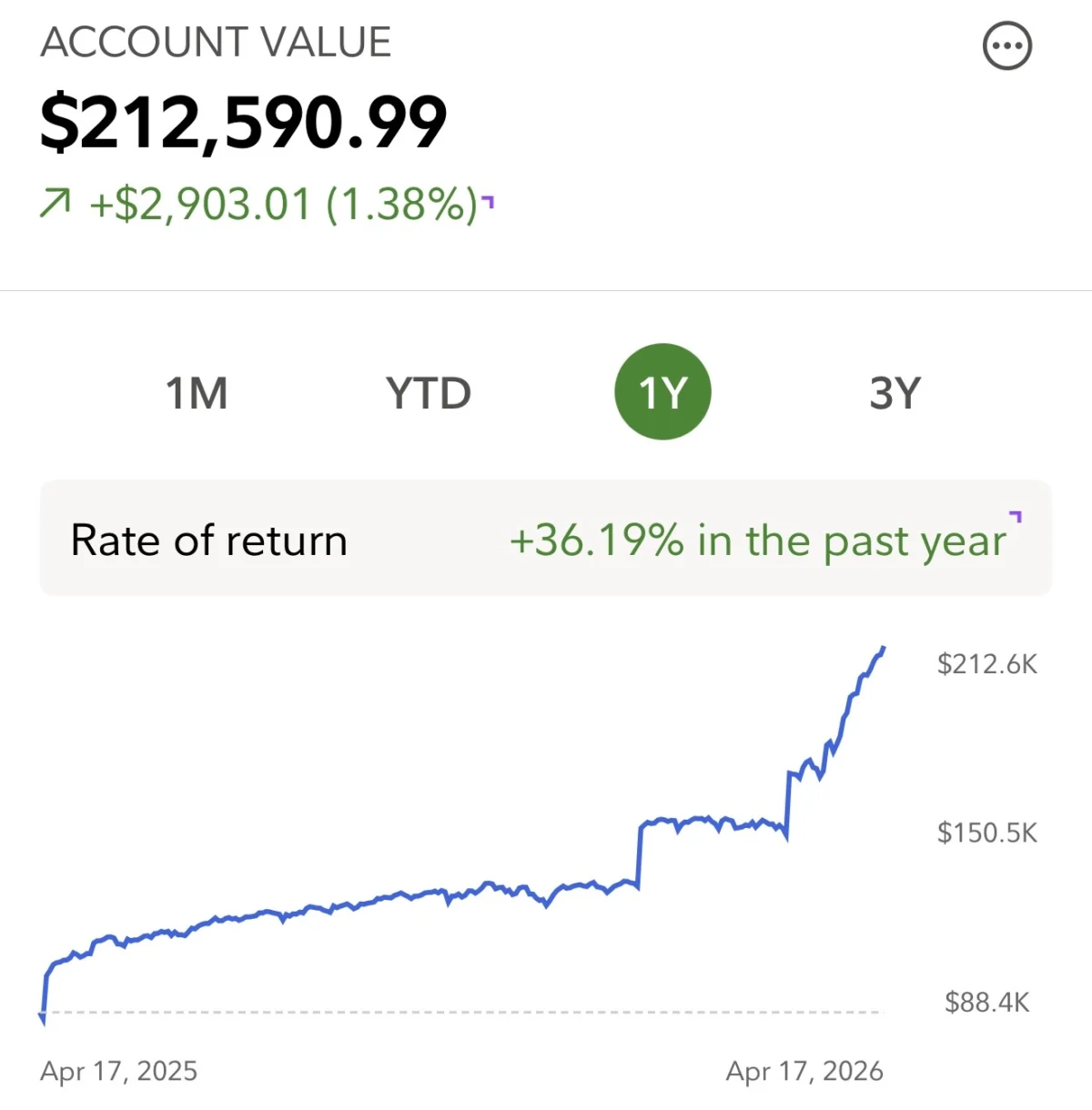
The failure to address these risks is rarely a matter of insolvency. In the United States, households headed by individuals aged 65 to 74 have the highest median net worth of any age group. Instead, the obstacle is identified by behavioral economists as a lack of "activation energy"—the mental and logistical effort required to initiate a change.
For a younger adult, fixing a broken car air conditioner or a leaking pipe is a routine logistical task involving a few phone calls and a scheduled appointment. For an octogenarian, however, each step of the process can represent a significant psychological hurdle. The process of vetting a contractor, negotiating costs, supervising labor, and managing potential disruptions to a set routine can feel insurmountable.
Consequently, many seniors opt for the "default" path: doing nothing. This status quo bias is reinforced by a high degree of adaptability. Over years of retirement, many elderly individuals subconsciously adapt to deteriorating conditions. A blurry television screen, a leaking ceiling, or a car that functions as a "hot box" in the sun becomes the new normal. When discomfort fades into the background, the urgency to fix the underlying danger vanishes, even as the risk to physical safety remains constant.
Case Studies in Dangerous Frugality and Neglect
The consequences of this inertia can be catastrophic. A prominent example of the intersection between wealth and neglect occurred in early 2025 in Santa Fe, New Mexico. Renowned actor Gene Hackman, 95, and his wife, Betsy Arakawa, were found deceased in their home. Despite Hackman’s estimated $80 million net worth, investigators found the property in a state of severe disrepair, including rodent infestations.
Medical examiners determined that Arakawa died of hantavirus pulmonary syndrome, a rare disease transmitted through rodent droppings. Hackman, suffering from advanced Alzheimer’s, lived alongside her body for several days before succumbing to heart failure. The tragedy highlighted a critical point: wealth is an ineffective tool if the "activation energy" to hire cleaners, pest control, or caretakers is absent.
Similar patterns are seen in everyday scenarios. In Honolulu, case studies of elderly residents show a tendency to drive vehicles that are decades old with failing safety features. In one instance, an 81-year-old resident continued to drive a 28-year-old vehicle with non-functional air conditioning in 90-degree heat. The cabin temperature in such vehicles can exceed 100 degrees within minutes. While the driver may believe they have "adapted" to the heat, the physiological strain on the heart and lungs remains, significantly increasing the risk of a mid-transit medical emergency or accident.
The Role of Interventional Caretaking by Adult Children
As the "Silver Tsunami" continues to age, the responsibility for breaking this cycle of inertia is increasingly falling upon the "sandwich generation"—adult children who are simultaneously raising their own families and managing the affairs of their aging parents. Experts in geriatric care suggest that traditional "advice" is often insufficient to overcome parental inertia.
Professional recommendations for adult children include several key strategies:
- Extended Observational Visits: Short visits often only reveal a "highlight reel" of a senior’s life. Professionals suggest stays of at least one to four weeks to identify "blind spots," such as expired food, malfunctioning appliances, or environmental hazards that the parents have simply tuned out.
- Direct Logistical Intervention: Rather than providing a list of tasks for the parent to complete, adult children are encouraged to act as the "activation energy." This involves researching service providers, scheduling the appointments, and being present to manage the repairs personally.
- Incremental Technological Integration: Introducing small conveniences, such as grocery delivery apps or ride-sharing services, can gradually reduce the logistical burden on seniors, though these must be taught patiently to ensure they do not become another source of stress.
- Routine Monitoring: Establishing a "check-in rhythm"—daily texts or weekly video calls—serves as a low-cost insurance policy against undiscovered health crises or home accidents.
Economic Implications and Risk Mitigation
From a financial planning perspective, the wealth-comfort paradox represents a failure in asset allocation. Money saved for retirement is intended to provide security and comfort; when it remains in a bank account while the owner suffers in a heatwave, the capital is not performing its primary function.
Financial advisors are increasingly incorporating "lifestyle maintenance" into retirement planning. This includes budgeting for proactive home modifications—such as walk-in tubs, updated HVAC systems, and smart home monitoring—well before they become urgent medical necessities.

Furthermore, the role of insurance in this demographic is shifting. While term life insurance is often viewed as a tool for young families, for the elderly, the focus shifts to long-term care insurance and "boring" risk removal. Paying small, consistent costs for professional maintenance and health monitoring is significantly more cost-effective than the "catastrophic costs" associated with a major fall, a heat-induced stroke, or long-term hospitalization resulting from household neglect.
Broader Societal Impact
The phenomenon of wealthy but "uncomfortable" seniors also has implications for public health policy. As global temperatures rise, urban "heat islands" pose a greater threat to the elderly. Public health officials are advocating for building codes that mandate air conditioning in senior living facilities and subsidies for "cool roof" technologies in residential neighborhoods with high elderly populations.
The challenge remains cultural as much as it is economic. For many seniors, particularly those from the "Silent Generation" or the early "Baby Boomer" era, frugality was a survival mechanism. Transitioning from a "saving" mindset to a "spending for safety" mindset requires a psychological shift that many cannot make alone.
In conclusion, the $500 air conditioner or the $80 car repair is rarely about the money. It is a battle against the inertia of aging and the human tendency to adapt to declining circumstances. For the wealthiest generation in history, the ultimate luxury may not be a larger estate or a bigger portfolio, but the presence of an advocate—usually an adult child—willing to provide the energy required to keep their environment safe, functional, and survivable. As the climate and the population both continue to warm, the ability to bridge the gap between financial resources and physical comfort will likely become the most critical component of elderly care in the 21st century.