New Android malware encrypts files, steals data, and harasses victims


The Anatomy of an Android Threat
The infection vector for Mantax Otax is rooted in classic social engineering. Victims are typically lured via phishing messages—often delivered through SMS or malicious links on social media—that entice them to download and install applications from outside the protected environment of the Google Play Store. Once the APK is sideloaded and executed, the malware initiates a request for Accessibility service permissions. For the average user, granting this permission is the "keys to the kingdom" moment; it allows the malware to bypass standard security sandboxing, simulate user interactions, intercept sensitive data, and monitor system-wide activity.
After gaining a foothold, the malware establishes communication with its command-and-control (C2) infrastructure. In a move that highlights the evolving nature of cybercrime, the operators store their C2 domain details on GitHub, a platform that provides a degree of obfuscation and resiliency against takedowns. Once connected, the malware transmits a comprehensive diagnostic report back to the attackers, including the device’s unique ID, geographic location, mobile carrier, and the specific version of the Android operating system. This data allows the attackers to tailor their subsequent actions, such as deploying specific encryption routines or harassment modules, based on the victim’s profile.

Encryption Dynamics and OS Vulnerabilities
The ransomware component of Mantax Otax is particularly lethal for older Android devices. Security researchers at Zimperium have observed that the malware targets devices running Android 9 or earlier, as these versions lack the robust "Scoped Storage" protections introduced in later iterations. Scoped Storage acts as a firewall for the file system, significantly limiting the ability of an application to access or encrypt files outside of its own directory. On older, unpatched systems, however, Mantax Otax is free to traverse shared storage, locating and encrypting files using an AES (Advanced Encryption Standard) key uniquely generated for each victim and retrieved from the C2 server.
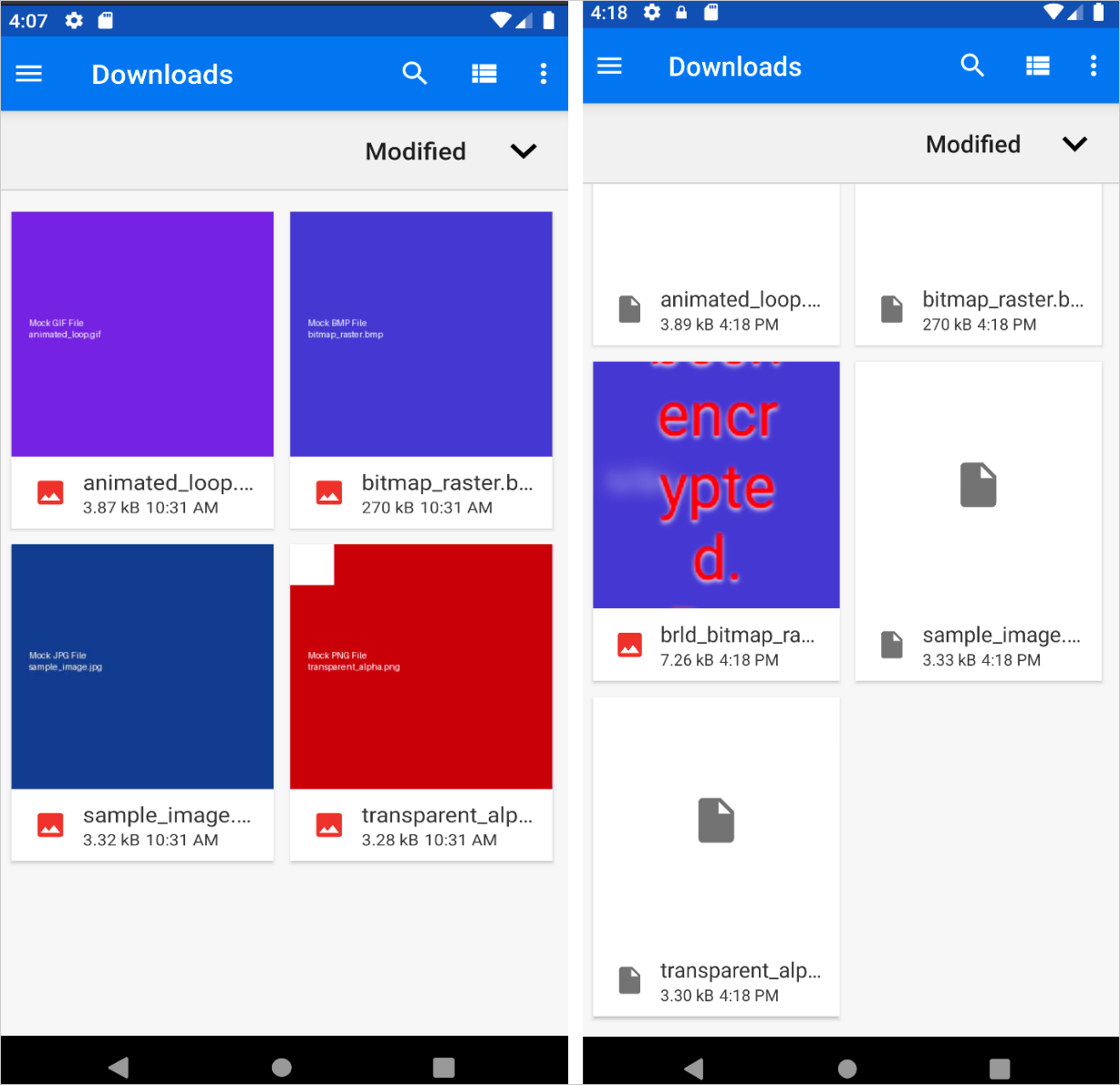
The process is swift and irreversible without the decryption key: the malware encrypts the target files, appends the ".enc" extension, and systematically deletes the original versions. To maximize the psychological pressure on victims, the malware performs a visual takeover, replacing the user’s personal photos with ransom notes and launching a full-screen, Firebase-hosted chat interface. This chat serves as a digital negotiation room, where attackers can pressure users into paying a ransom, often in cryptocurrency, in exchange for the promise of file restoration.
Surveillance, Espionage, and Psychological Warfare
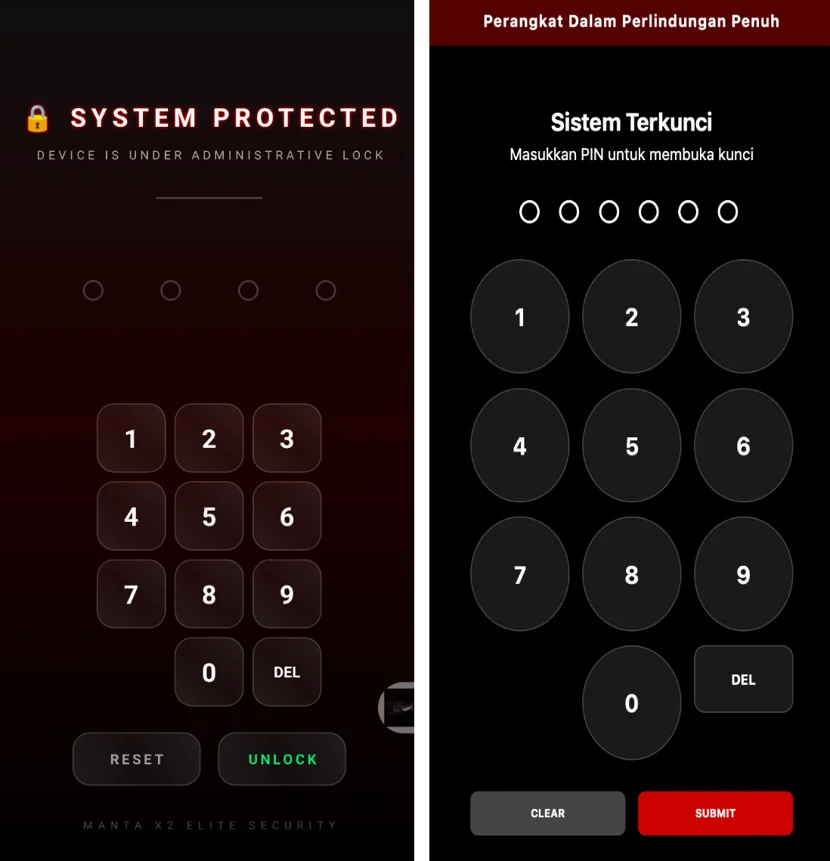
Beyond the immediate financial extortion associated with ransomware, Mantax Otax functions as a pervasive spyware suite. It is designed for total data exfiltration. By abusing the Accessibility service, the malware can capture lock-screen PINs, allowing the attackers to maintain persistence even if the device is restarted. It systematically scrapes SMS messages, one-time passwords (OTPs), call logs, contact lists, and browsing history.
Perhaps most concerning is the software’s ability to manipulate communication apps. It can simulate user touches to read and extract private messages from WhatsApp and Telegram, effectively bypassing the end-to-end encryption of these platforms by accessing the data directly on the device before it is encrypted for transit. The abuse of the MediaProjection API allows the malware to record high-resolution videos, take screenshots, and even stream the victim’s screen in real-time, sending this footage to an external file-hosting service like Catbox.
The "Version 2" update of the malware introduced a psychological warfare component designed to accelerate the payment process. This includes "jumpscare" image overlays, intrusive text-to-speech messages that play at maximum volume, and repeated system dialog boxes that effectively render the phone unusable. These harassment techniques are calculated to induce panic, forcing the victim to prioritize regaining control of their device over data security or privacy.
The Firebase Oversight
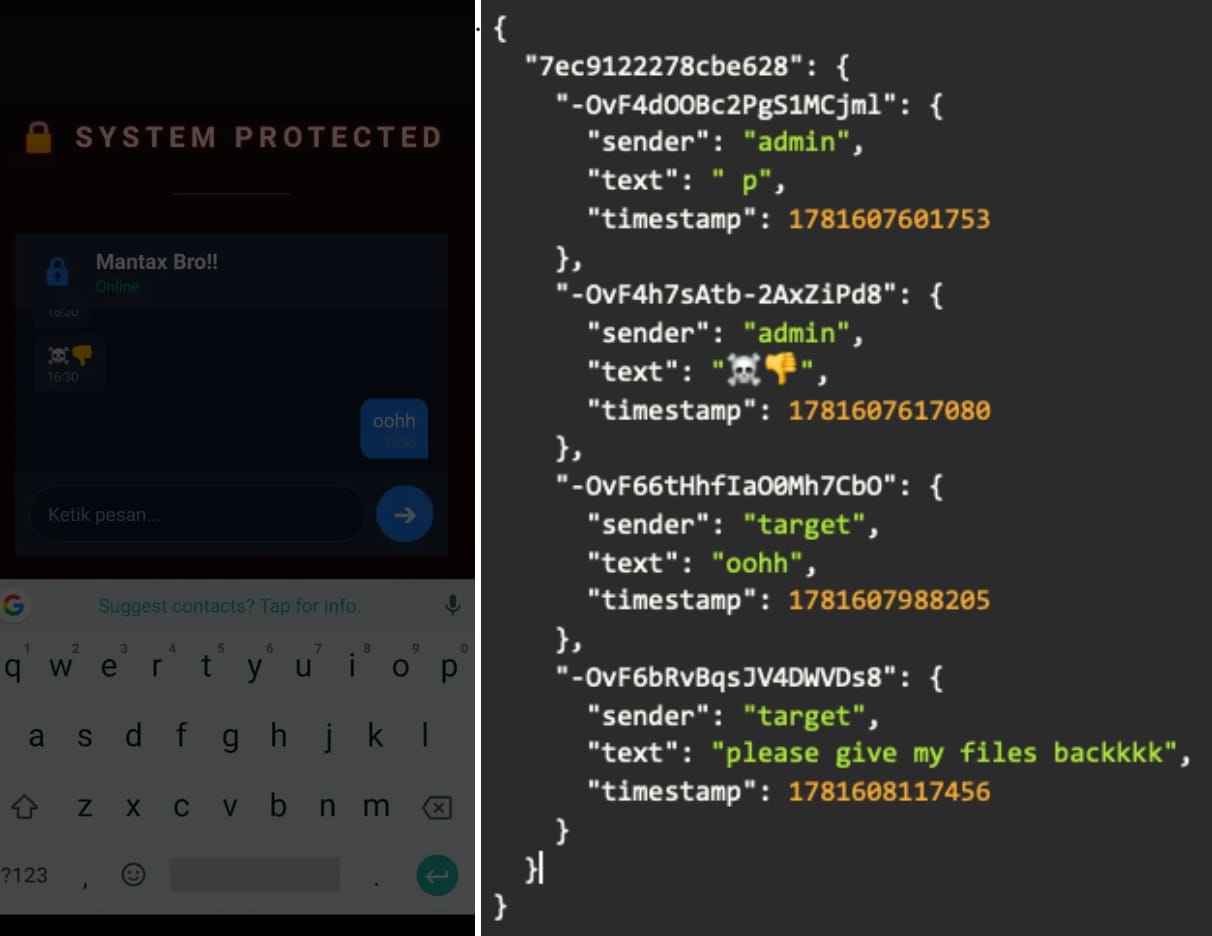
A critical turning point in the analysis of this campaign occurred when researchers discovered a misconfiguration in the attackers’ own C2 infrastructure. The threat actors had left their Firebase backend improperly secured, which effectively opened a window into their operations. Zimperium analysts were able to access the live chat logs between the attackers and their victims, revealing a clear pattern of cold-blooded negotiation and technical coordination. This incident underscores the reality that even sophisticated malware developers are prone to human error, which remains a key vector for security researchers to dismantle criminal networks.
Broader Implications for Mobile Security
The existence of Mantax Otax serves as a stark reminder of the security risks associated with sideloading applications. While the Google Play Store is not infallible, it employs Google Play Protect, a multi-layered security service that scans apps for malicious behavior. Because Zimperium is a partner in the App Defense Alliance (ADA), these findings were rapidly integrated into Play Protect, ensuring that modern, updated Android devices are shielded from this specific threat.
However, the threat persists for users in regions where security updates are infrequent or where devices are too old to support modern Android security features. The "fragmentation" of the Android ecosystem—where a large portion of the global user base relies on legacy operating systems—remains the primary catalyst for the success of campaigns like Mantax Otax. As long as these older devices remain in circulation, they will continue to be a lucrative hunting ground for malware authors.
Recommendations for Defense and Mitigation
To protect against such sophisticated threats, security experts provide several clear recommendations:
- Stick to Official Sources: Never download APK files from websites, forums, or unsolicited links. The risk of encountering a trojanized application is exponentially higher outside of official app marketplaces.
- Exercise Caution with Permissions: The Accessibility service is a powerful tool intended for users with disabilities. Any app that requests this permission without a clear, verifiable reason should be treated as highly suspicious.
- Maintain System Updates: While hardware limitations may prevent some users from upgrading to the latest Android versions, keeping a device updated to its most recent available security patch level is essential for mitigating known exploits.
- Use Endpoint Protection: Utilizing reputable mobile security software that scans for behavioral anomalies can provide an additional layer of defense that complements OS-level protections.
The emergence of Mantax Otax is part of a growing trend in mobile cybercrime where developers are moving away from simple data theft toward multifaceted, "all-in-one" payloads that combine the destructive nature of ransomware with the long-term utility of spyware. As AI-powered automation and machine learning continue to lower the barrier to entry for malware development, the sophistication of these threats is likely to increase. The defense community must remain vigilant, focusing not only on signature-based detection but also on the behavioral heuristics that can identify malicious patterns like those utilized by the Mantax Otax operators.
Ultimately, the battle against mobile malware is as much about user education as it is about technical innovation. The psychological manipulation inherent in the Mantax Otax campaign highlights that the human element remains the most vulnerable component of the digital ecosystem. By understanding the tactics of these threat actors, users can better defend their personal data and maintain the integrity of their mobile devices in an increasingly hostile digital landscape.