LG Electronics USA to Suspend Smart TV Apps Utilizing Residential Proxy Nodes

LG Electronics USA announced this week a significant policy shift: the suspension of any applications developed for its smart TVs that transform the television into an always-on residential proxy node. This decisive action comes less than a month after independent research revealed a concerning prevalence of such functionalities within the webOS app ecosystem. Specifically, over 42 percent of games and other applications available for download on LG’s webOS store were found to allow unknown third parties to route their internet traffic through a user’s television. This development signals a proactive stance by the home appliance giant to address potential privacy and security vulnerabilities exposed by the widespread integration of residential proxy software development kits (SDKs) in smart TV applications.
The Unseen Network: Residential Proxy SDKs in Smart TVs
The controversy ignited with a detailed report released on July 2nd by the cybersecurity firm Spur. Spur’s in-depth investigation examined the ubiquity of residential proxy SDKs across various smart TV platforms. Their findings indicated that a substantial portion of LG smart TV applications—exceeding 42 percent—incorporated SDKs that effectively turned user televisions into persistent proxy nodes. This meant that internet traffic from external sources could be channeled through these devices without explicit or ongoing user consent. The research also extended to Samsung’s Tizen operating system, revealing that more than a quarter of its apps contained similar residential proxy components, highlighting a broader industry trend.
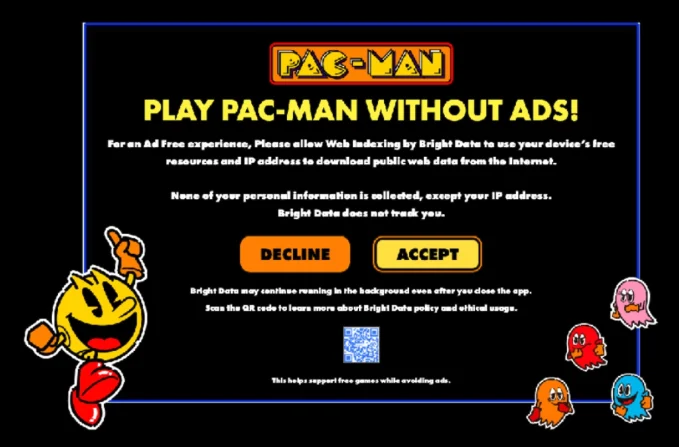
Residential proxy networks function by allowing individuals or entities to rent out their internet connection through a device. App developers are often incentivized to integrate Software Development Kits (SDKs) from proxy providers, receiving payment for each device that participates in the network. This model, while a revenue stream for developers, raises significant concerns when implemented in consumer devices like smart TVs, which are typically not perceived by users as active participants in network traffic routing. The applications found to contain these SDKs ranged widely, from seemingly innocuous games like Pac-Man to essential utilities such as file managers and even screensavers, suggesting a broad integration across the app spectrum.
LG’s Response: A Commitment to User Protection
In direct response to Spur’s findings and inquiries from KrebsOnSecurity, LG Senior Vice President John Taylor articulated the company’s firm stance on the matter. Taylor confirmed that LG Electronics is actively collaborating with app developers to eliminate the residential proxy functionality from their applications on the webOS platform. He emphasized that applications failing to comply with this directive will face suspension.
"A residential proxy network is not an intended use for LG smart TVs, and LG Electronics is working with developers to remove the residential proxy option from their apps on the webOS platform," Taylor stated. "If this option is not removed, these apps will be suspended."
Taylor further underscored LG’s commitment to preventing the future inclusion of residential proxy networks in its smart TV applications. He assured that the company’s review process for existing apps is "well underway now." This proactive approach suggests a fundamental re-evaluation of the app vetting process.
"As part of our ongoing efforts to enhance platform quality and the user experience, LG will continue to strengthen our evaluation process for developer-submitted apps, including those that incorporate residential proxy SDKs," Taylor elaborated in his emailed statement. This indicates a move towards more rigorous scrutiny of third-party applications before they are made available to consumers, aiming to prevent similar issues from arising in the future.
The Role of Proxy Providers and Developer Incentives
The integration of residential proxy SDKs is largely driven by the monetization strategies of app developers. Companies operating residential proxy networks offer financial compensation to developers for embedding their SDKs, effectively turning user devices into rentable internet nodes. This practice, while potentially lucrative for developers, introduces a layer of complexity and potential risk for end-users.

Spur’s research identified Bright Data as a dominant player in this space, accounting for a majority of the proxy SDKs found on both LG and Samsung smart TVs. In a statement provided to KrebsOnSecurity, Bright Data defended its practices, asserting that its network is built on principles of consent and responsibility, operating in accordance with the terms set by manufacturers like LG and Samsung.
"Every peer opts in through a dedicated screen and receives value in return; every customer is vetted, and our practices have now undergone a second independent audit by PwC," a Bright Data spokesperson stated. "We remain committed to an open, transparent internet where legitimate businesses, researchers, and institutions can responsibly access data that lives in the public domain."
Bright Data and other proxy providers cited in Spur’s report maintain that they implement stringent "know-your-customer" (KYC) protocols to verify the legitimacy of their service users. These customers are often engaged in activities such as content scraping. Furthermore, these proxy companies claim to employ technological safeguards designed to prevent their service customers from interacting with or controlling other devices within the proxy user’s local network. This is a crucial point, as unauthorized access to a local network can lead to further security breaches.
Broader Implications and Consumer Awareness
The core argument presented by Spur centers not on the existence of residential proxy networks themselves, but on their pervasive integration into devices that consumers do not typically associate with complex networking functions. Unlike personal computers, which users are often more inclined to monitor for security, smart TVs are generally viewed as passive entertainment devices. The notion that these devices could be acting as conduits for unknown internet traffic raises significant privacy and security concerns.
Trevor Sutter of Spur highlighted the inadequacy of current consent mechanisms. "A one-time consent prompt buried in a TV app is not a substitute for meaningful transparency, ongoing control, and platform oversight," Sutter wrote. He further pointed out the amplified risk when consent is obtained from individuals within a household who may not fully understand the implications or are not authorized to grant such permissions, such as minors. This raises ethical questions about how consent is obtained and managed, especially in shared household environments.
The implications of this practice extend beyond mere privacy concerns. The routing of internet traffic through user devices can potentially impact network performance, introduce vulnerabilities to malware, and even expose users to legal liabilities if the traffic routed through their connection is used for illicit activities. The lack of transparency and granular control means users are often unaware of the extent to which their devices are participating in these networks.
A Pattern of Scrutiny for LG
LG’s proactive response to the residential proxy issue is commendable, but it arrives in the wake of other recent controversies surrounding the company’s partnerships and software practices. Earlier this week, the YouTube channel Gamers Nexus brought attention to the automatic installation of a McAfee security product app via Windows Update on certain LG LCD monitors. This app promotes paid McAfee antivirus subscriptions, and its installation occurs without an explicit user approval prompt, raising questions about pre-installed software and user consent in the hardware ecosystem.
This incident, coupled with the residential proxy SDK issue, suggests a broader need for LG and other consumer electronics manufacturers to prioritize transparency and user control in their product development and app store policies. As smart devices become increasingly integrated into our daily lives, the security and privacy implications of their functionalities demand heightened attention from both manufacturers and consumers. The industry is at a critical juncture where robust security measures and clear communication with users are paramount to maintaining trust and ensuring a safe digital environment. The timeline of these events, from the initial research to LG’s swift response, underscores the accelerating pace at which vulnerabilities in connected devices are being discovered and addressed, highlighting the dynamic nature of cybersecurity in the Internet of Things (IoT) era.