Geopolitical Shifts and Market Realities: Brent Crude Prices Waver Amid Middle East Diplomacy and US Policy Changes

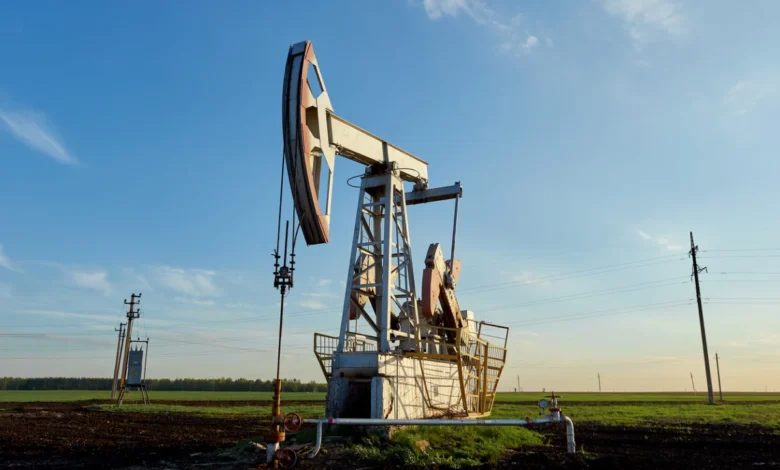
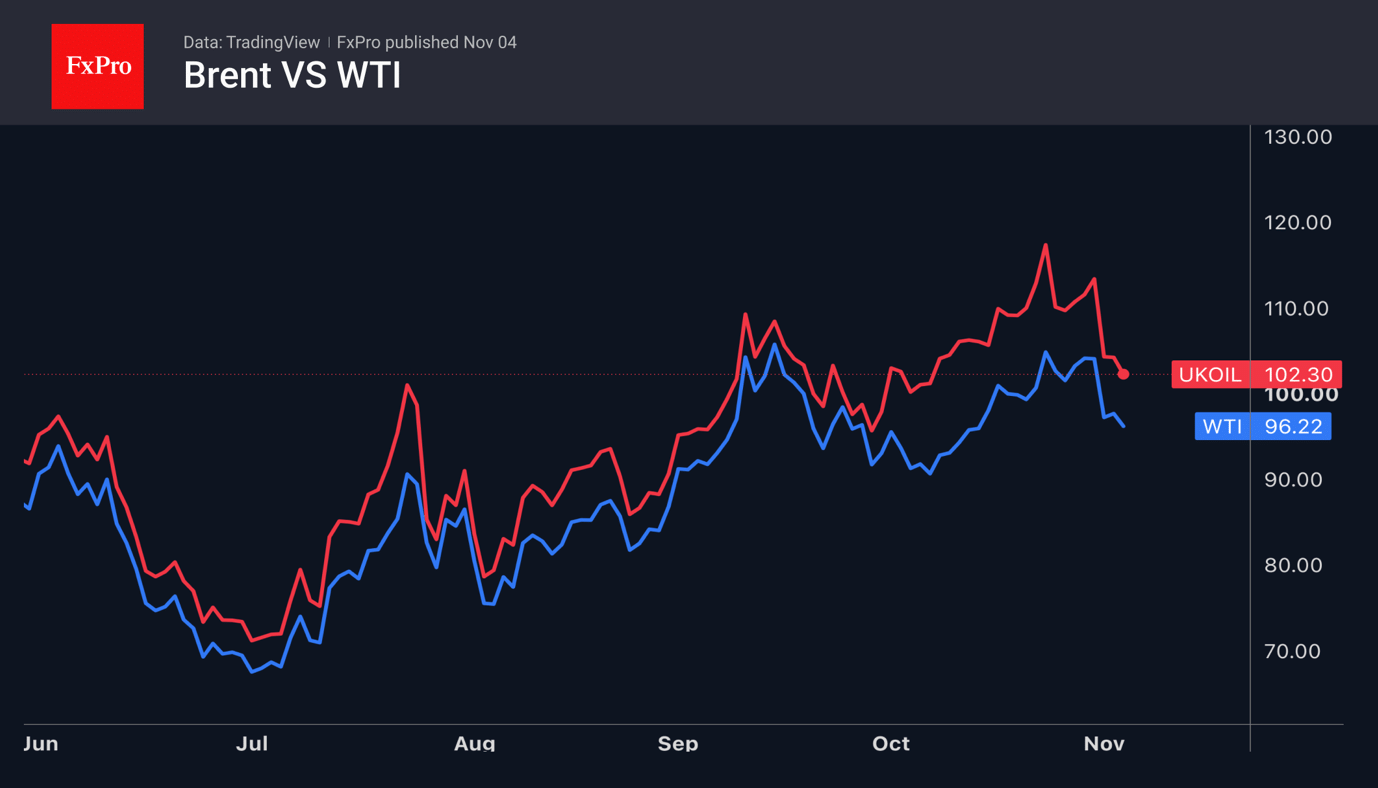
Global crude oil markets are currently navigating a complex web of contradictory geopolitical signals, balancing the potential for renewed diplomatic engagement in the Middle East against the persistent undertones of regional conflict. While international mediators actively work to bring the United States and Iran back to the negotiating table, and financial markets largely shrug off the immediate impacts of recent US military strikes on Qeshm Island, broader shifts in American foreign policy are exerting downward pressure on oil benchmarks. Notably, recent commentary from political figures regarding potential reductions in military aid to Israel has emerged as a primary catalyst for the recent downward correction in Brent crude futures.
This evolving landscape reflects a delicate equilibrium between speculative positioning, supply-demand fundamentals, and long-term geopolitical forecasting. As traders weigh the prospects of a de-escalation in the Persian Gulf against historical precedents of prolonged Middle Eastern entanglements, energy markets remain highly sensitive to incoming macroeconomic data and diplomatic developments.
The Catalyst of US Policy Shifts and Regional Aid
The possibility that Israel could face reductions in its customary billions of dollars in military assistance—particularly at a juncture of acute security vulnerability—has been interpreted by commodity markets as a profound signal of strategic recalibration. Financial analysts suggest that such a move indicates a broader political intent by Washington to scale back its direct, costly footprint in the Middle East. This strategic pivot is seen by domestic political observers as a direct response to voter fatigue regarding foreign conflicts. Within the United States, Republican strategists and lawmakers have frequently argued that past electoral setbacks were heavily influenced by geopolitical crises that drove up domestic energy prices, thereby stoking inflation and eroding public confidence.
By signaling a potential retrenchment from Middle Eastern entanglements, the political establishment is attempting to align itself with an electorate increasingly weary of foreign intervention. For the oil market, however, this policy shift carries immediate implications. A perceived withdrawal of active US military deterrence in key shipping lanes and strategic choke points could theoretically heighten long-term risks; yet, in the immediate term, traders are pricing in the likelihood of lower geopolitical tensions, assuming that a less interventionist Washington will prioritize diplomatic resolutions over military escalations.
Cooling Market Premiums and Normalizing Supply Chains

The growing confidence of investors in diplomatic channels has manifested clearly in the structure of the oil futures curve. Market premiums for immediate physical delivery over more distant futures contracts have compressed dramatically, reflecting a market that no longer anticipates an imminent, catastrophic supply disruption.
To illustrate this structural shift, financial records indicate that in early October, Dated Brent traded at an extraordinary premium of $30 per barrel over ICE Brent futures. By November, this differential had collapsed to a mere $3.7 per barrel. This narrowing of the prompt-versus-deferred spread underscores a significant easing of immediate supply anxiety among industrial consumers and refiners.
Concurrently, physical logistics have begun to normalize. Oil exports from the Middle East have steadily rebounded, climbing back toward pre-war volume levels. This recovery in export capacity has had a direct deflationary effect on global shipping expenses, as the scarcity premium associated with vessel availability and high-risk insurance rates begins to dissipate. Consequently, transport costs are receding, further alleviating upward pressure on the landed cost of crude oil across major importing regions.
Speculative Position Adjustments and Inventory Realities
In light of these converging fundamental and diplomatic developments, the decision by speculative traders to unwind their long positions in Brent crude appears methodologically sound. Managed money accounts and hedge funds have systematically reduced their net-long exposure, capitalizing on the reduction of the geopolitical risk premium.
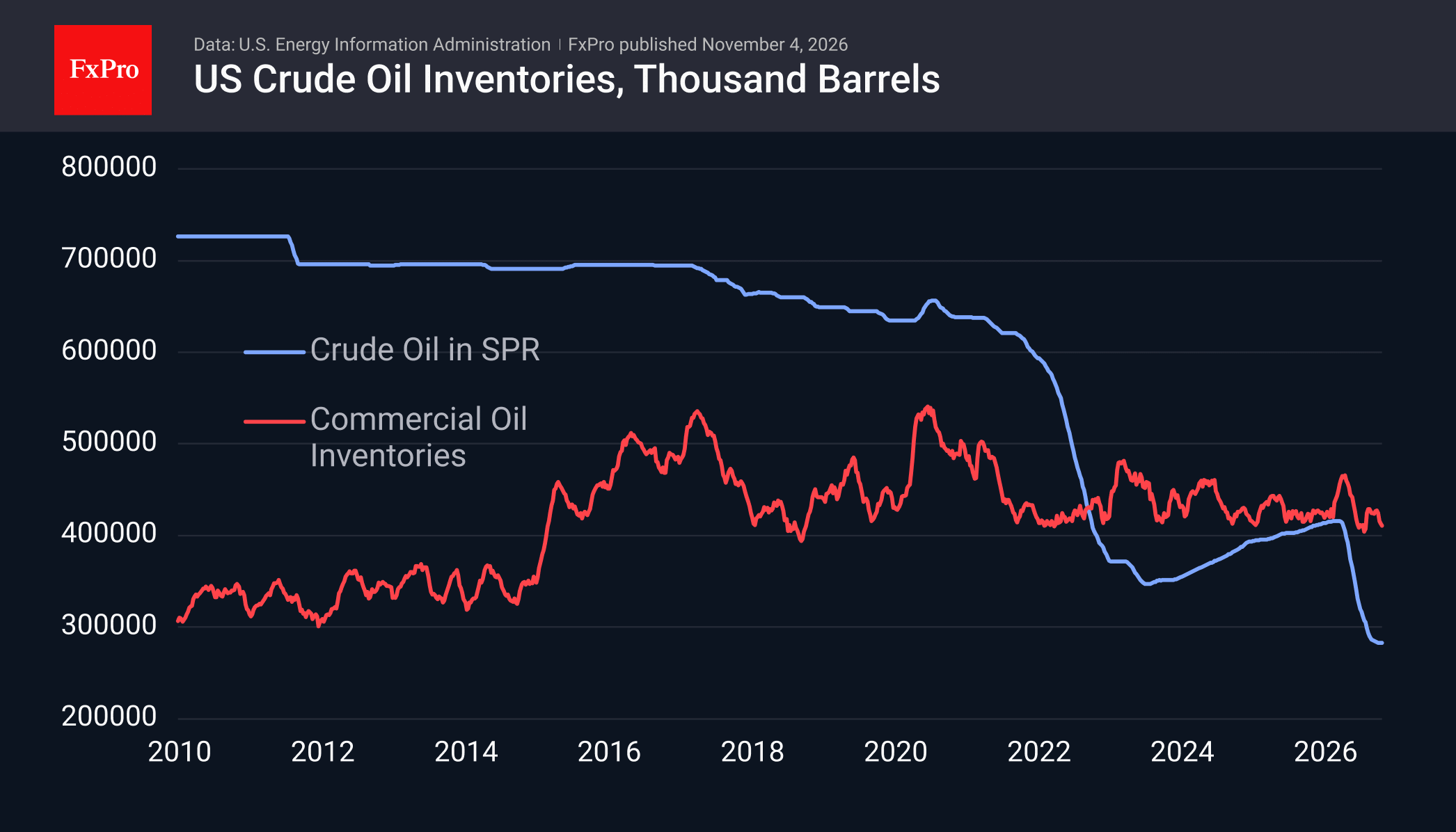
However, despite the prevailing bearish sentiment driven by diplomacy and normalized exports, market bulls retain significant technical and fundamental arguments to support price floors. Most notably, recent inventory data released by the American Petroleum Institute (API) pointed to a substantial drawdown in US crude stockpiles, which reportedly fell by 5.3 million barrels. Should these figures receive official confirmation from the US Energy Information Administration (EIA), it would mark the fifth consecutive week of inventory declines. Such a sustained drawdown provides empirical evidence of robust underlying demand, offering formidable support to prices even as geopolitical tensions show signs of softening.
Historical Precedents: Elections Do Not Guarantee De-Escalation
While the political defeat of ruling parties in mid-term or general elections often sparks expectations of immediate policy reversals, historical precedent suggests that geopolitical conflicts in the Middle East rarely follow predictable electoral cycles. Market participants betting on a permanent, structural de-escalation based solely on political shifts run the risk of ignoring historical lessons.
A prominent parallel can be drawn to the political landscape of 2006. During the mid-term elections of that year, public dissatisfaction with the protracted and costly war in Iraq resulted in both houses of the United States Congress shifting from Republican to Democratic control. The electoral mandate was unmistakably clear: the American public desired an end to the conflict. Yet, rather than precipitating a swift withdrawal, the geopolitical reality on the ground dictated a different course of action. In early 2007, President George W. Bush announced a major surge in the US military presence in the region—commonly known as the Iraq War troop surge. Far from retreating, American combat forces remained heavily engaged in the theater until their eventual withdrawal in late 2011.
This historical trajectory serves as a cautionary tale for modern energy markets. Political outcomes and campaign rhetoric do not automatically translate into immediate strategic disengagement. Should regional provocations persist or intensify, current diplomatic optimism could evaporate rapidly, leaving speculative short sellers vulnerable to a sudden reversal.
Diplomatic Impasse and the Tehran Factor
On the diplomatic front, the chasm between Washington and Tehran remains formidable. Iranian officials have publicly expressed deep dissatisfaction with the United States’ formal responses to their core demands regarding sanctions relief and regional security guarantees.
At present, time appears to be operating largely on the side of Washington. The comprehensive economic blockade and sanctions regime targeting Iranian petroleum exports continue to exert severe fiscal pressure on Tehran. Simultaneously, because alternative supplies from the broader Middle East have successfully recovered to near pre-war levels, the global economy has absorbed the absence of sanctioned Iranian barrels without suffering acute supply shocks.
Nevertheless, the fundamental positions of the negotiating parties remain separated by vast ideological and strategic distances. The diplomatic framework is fragile, and any miscalculation—whether in the Persian Gulf, the Strait of Hormuz, or through proxy networks—could trigger a complete breakdown in talks. A failure of the current mediation efforts would almost certainly invalidate the market’s prevailing complacency, unleashing a rapid and aggressive resurgence of the Brent crude bull rally.
Broader Economic Implications and Outlook
The interplay between shifting US political priorities, fragile Middle Eastern diplomacy, and tightening physical inventories creates a uniquely challenging environment for macroeconomic forecasters and energy market participants alike. While lower oil prices provide a welcome respite for central banks battling persistent inflationary pressures across the globe, the underlying volatility remains uncomfortably high.
For corporate planners, airlines, logistics providers, and manufacturing enterprises, the current period of price consolidation offers a window of opportunity to hedge future energy costs. However, risk management strategies must account for the distinct possibility that the market has prematurely priced in a lasting peace.
As international mediators continue their shuttle diplomacy, and as energy traders parse weekly inventory reports from the API and EIA, the direction of Brent crude will depend heavily on tangible developments rather than political rhetoric. If negotiations yield a formal, verifiable framework for conflict reduction, the current downward trend in risk premiums could solidify into a sustained, lower trading range. Conversely, if the deep-seated mistrust between the United States, its regional allies, and Iran results in a diplomatic stalemate, the latent energy risks that have haunted the global economy for years will quickly reassert themselves, driving prices sharply upward once more.
Related posts: