Bitcoin.org Rewards Global Translation Volunteers with Over $15,000 in Bitcoin

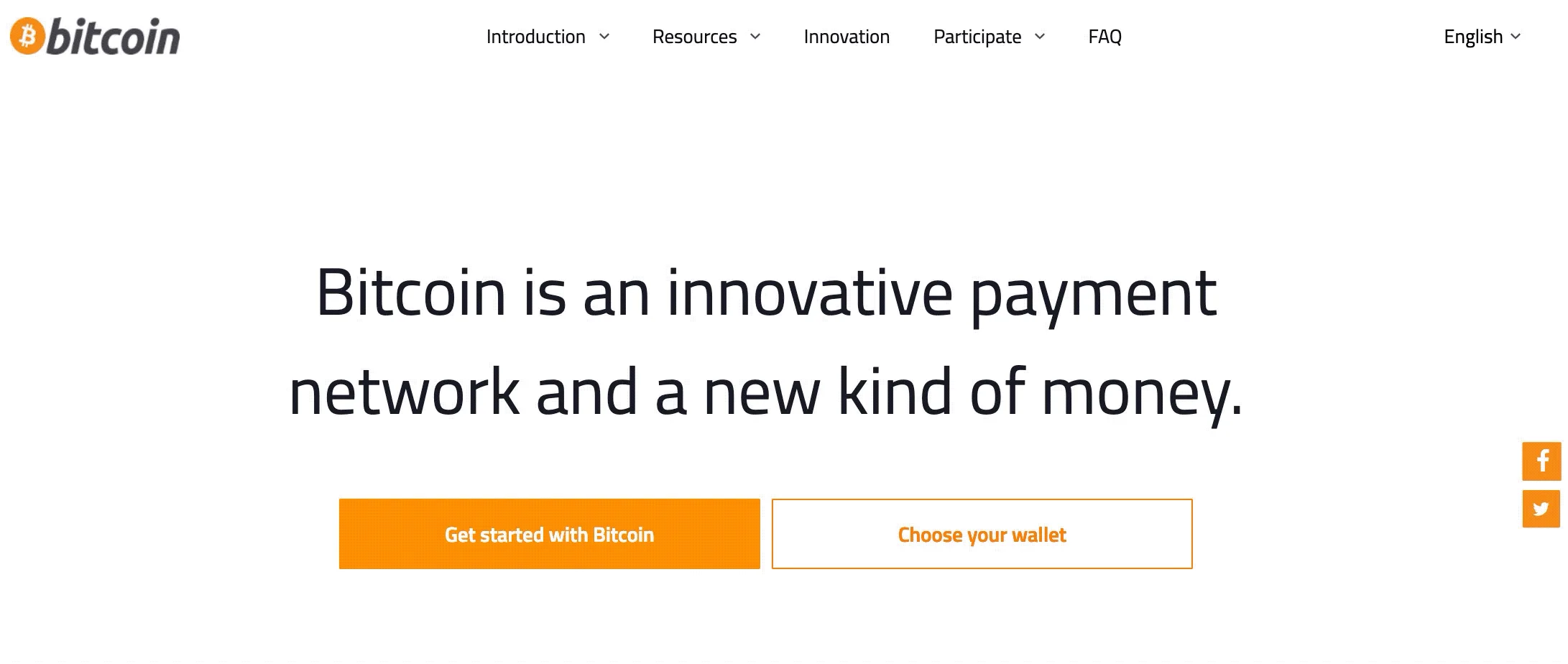
The Bitcoin.org community has reached a significant milestone in its ongoing mission to democratize access to digital asset education, recently distributing more than $15,000 USD in Bitcoin to contributors who have dedicated their time to translating the platform. This initiative serves as both a gesture of gratitude and a strategic investment in the project’s mission to localize educational resources for a global audience. By incentivizing contributors, the project aims to ensure that high-quality information regarding the Bitcoin protocol remains accessible to non-English speaking demographics, which currently represent a substantial portion of the crypto-economy.
The Evolution of the Translation Project
Since its inception, Bitcoin.org has served as the primary gateway for individuals seeking to understand the technical and philosophical underpinnings of the world’s first decentralized cryptocurrency. However, the site’s original iteration was exclusively in English. Recognizing that the barriers to entry for Bitcoin are often rooted in linguistic hurdles, the community launched a decentralized translation initiative.
This project relies on Transifex, a cloud-based localization platform, which enables volunteers to collaborate on translating complex technical documentation into dozens of languages. The workflow is managed by a dedicated group of volunteer coordinators who oversee the accuracy and technical integrity of the translations. The recent payout of $15,000 marks a shift toward formalizing recognition for this labor, acknowledging that the platform’s growth is inextricably linked to the efforts of these multilingual contributors.
Historical Context and Governance
The stewardship of Bitcoin.org carries a unique weight in the cryptocurrency ecosystem. Originally registered by Satoshi Nakamoto and early contributor Martti Malmi, the domain was never intended to be controlled by a single entity. Upon his departure from the public sphere, Nakamoto transferred the domain to a small group of trusted community members. This design was intentional, intended to prevent the centralization of power that often plagues corporate-run websites.
This governance structure ensures that while the site is privately managed, it remains a public good. It is not under the control of any single corporation, government, or development team. Instead, it functions as a community-maintained resource, relying on an open-source model that has seen thousands of commits from hundreds of contributors globally. This decentralization of maintenance extends to the translation team, which has successfully localized the site into 25 different languages, with more in development.
Impact of Localization on Global Adoption
Data indicates that Bitcoin.org attracts millions of visitors annually. By providing documentation in languages ranging from Spanish and Mandarin to Hindi and Arabic, the site reduces the friction associated with onboarding new users. In emerging markets, where English proficiency may vary, localized content is often the difference between a user understanding the nuances of private key management versus falling victim to scams or misinformation.
The $15,000 donation serves as a case study in decentralized compensation. By using Bitcoin as the medium of exchange, the organization avoids the complexities of international banking, demonstrating the utility of the technology the site promotes. Contributors receive their rewards directly into their digital wallets, regardless of their geographic location or the strength of their local financial infrastructure.
Management and Coordination
The logistics of the translation project are managed by a core team of organizers, most notably Simon Hinterreiter and Koichi Hendrawan. Their role involves vetting new contributors, managing the linguistic quality of the site, and coordinating with the platform provider, Transifex.
In a recent communication, organizers emphasized that the project’s success is a testament to the voluntary nature of the Bitcoin community. "The recent progress in the translation project wouldn’t be possible without the diligent work of those who manage the teams," noted project leads. The partnership with Transifex has also been instrumental, as the platform provided specialized access that allows the project to scale its translation efforts without prohibitive administrative costs.
Chronology of Site Development
- 2009: Bitcoin.org is registered by Satoshi Nakamoto and Martti Malmi.
- 2010–2011: Ownership is transferred to community members following the departure of the site’s founders to ensure project longevity.
- 2013–2015: The site sees a significant influx of traffic as Bitcoin gains mainstream attention, necessitating more robust multilingual support.
- 2017–2018: The translation project scales to include over 25 languages, with the implementation of a professionalized workflow via Transifex.
- September 2019: The organization issues a formal thank-you and confirms the distribution of $15,000 in Bitcoin to active translators.
Challenges in Scaling Educational Resources
Despite the success of the translation initiative, the project faces ongoing challenges. Maintaining technical accuracy in translations is a constant struggle. As the Bitcoin protocol evolves—through upgrades such as SegWit or the implementation of the Lightning Network—the documentation must be updated across all 25 languages simultaneously. This requires not only linguistic fluency but also a foundational understanding of computer science and blockchain technology.
Furthermore, the site must remain neutral. As a non-partisan educational hub, the content cannot favor specific exchanges, wallets, or development implementations over others. Maintaining this balance while scaling globally requires a rigorous editorial process that is strictly enforced by the volunteer community.
Future Implications for the Ecosystem
The move to compensate translators with Bitcoin is a significant development in the broader trend of "Work-to-Earn" models within the blockchain space. By aligning the incentives of the contributors with the success of the platform, the project has effectively created a sustainable feedback loop. As more people learn about Bitcoin in their native languages, the demand for educational resources grows, which in turn encourages more people to contribute their skills to the site.
The broader implication for the cryptocurrency industry is clear: education is the most potent tool for adoption. While many companies in the crypto space spend millions on marketing and user acquisition, the Bitcoin.org model relies on organic growth fostered by community service. The fact that this project can command such a high level of expertise from volunteers suggests that the ethos of the early Bitcoin movement remains intact.
How to Get Involved
The translation project remains open to new contributors. The requirements are straightforward: fluency in a language other than English and a commitment to maintaining the technical accuracy of the site. Prospective volunteers are encouraged to:
- Visit the official GitHub repository for Bitcoin.org to review existing documentation.
- Join the Transifex project page associated with the site.
- Review the style guide to ensure consistency across translations.
- Reach out to the project coordinators to be assigned to a specific language team.
Conclusion
As Bitcoin continues to mature as a global financial asset, the role of resources like Bitcoin.org becomes increasingly critical. The recent distribution of $15,000 in Bitcoin is more than just a reward; it is a recognition of the labor required to build a borderless educational infrastructure. By bridging the linguistic divide, the community is ensuring that the history, mechanics, and philosophy of Bitcoin remain open to anyone with an internet connection. As the project looks toward the future, the integration of new languages and the continued maintenance of existing ones will remain a cornerstone of the effort to bring Bitcoin to the global stage. The project continues to be a standard-bearer for what a decentralized, community-led organization can achieve through transparency, collaboration, and a shared mission.