The Ultimate Guide to Mastering Machine Learning for Algorithmic Trading in 2026

The landscape of global financial markets has undergone a seismic shift over the last decade, transitioning from manual, floor-based execution to high-frequency, automated systems driven by complex algorithms. While traditional algorithmic trading has long relied on deterministic, rule-based logic—such as simple moving average crossovers or mean-reversion triggers—the modern era of quantitative finance is defined by the integration of machine learning (ML). As data volumes grow exponentially and market patterns become increasingly elusive, institutional and retail traders alike are pivoting toward predictive modeling to gain a competitive edge.

Machine learning in trading is no longer an experimental luxury; it is a foundational component of sophisticated workflows. It serves to identify subtle, non-linear relationships in massive datasets that human analysts—or even standard statistical models—would overlook. From generating high-probability trading signals and forecasting volatility to optimizing order execution and processing alternative data like sentiment-driven news feeds, ML is the engine room of contemporary quantitative strategy.
The Evolution of Algorithmic Trading
Historically, algorithmic trading was characterized by "If-Then" logic. A trader would define a specific set of parameters, and the algorithm would execute trades once those thresholds were met. However, the rise of big data and computational power has allowed for a paradigm shift. According to industry data, the global algorithmic trading market was valued at approximately $15 billion in 2023 and is projected to expand significantly as AI-driven trading platforms become more accessible.

The core limitation of rule-based systems is their inability to adapt to regime changes. When market volatility shifts or economic conditions deviate from historical norms, static rules often fail. Machine learning algorithms, conversely, are designed to learn from historical data and adjust their decision-making processes in real-time, theoretically reducing the latency between signal detection and execution.
A Strategic Roadmap for Learning
For those looking to enter this space, the primary challenge is not a lack of resources, but an overwhelming abundance of them. The most common pitfall for aspiring quant traders is the "black box" approach: attempting to deploy complex deep learning models without understanding the underlying financial time series or statistical properties of the data.
To build a sustainable skill set, the following trajectory is recommended:
- Financial Foundations: Master the basics of market structure, order types, and time-series analysis.
- Programming Literacy: Develop proficiency in Python, the industry-standard language for quantitative research, specifically focusing on libraries such as NumPy, pandas, and SciPy.
- Statistical Learning: Understand the fundamental ML algorithms—Linear Regression, Logistic Regression, and K-Nearest Neighbors—before moving to advanced architectures.
- Model Validation: Learn how to prevent overfitting through rigorous backtesting, walk-forward optimization, and cross-validation techniques.
- Deployment and Risk Management: Integrate the model into a live trading environment with strict risk controls.
Curated Educational Resources
The democratization of financial education has made high-quality learning materials available to anyone with an internet connection. Several key resources stand out for their technical rigor and pedagogical clarity.
Academic and Institutional Courses
Georgia Tech’s Machine Learning for Trading (CS 7646) remains a gold standard for academic rigor, covering the application of computational investing, regression trees, and Q-learning to financial markets. For those seeking a practitioner-focused approach, the Machine learning in Python with scikit-learn course, led by core developers of the library, offers an unparalleled look at the practical implementation of models.
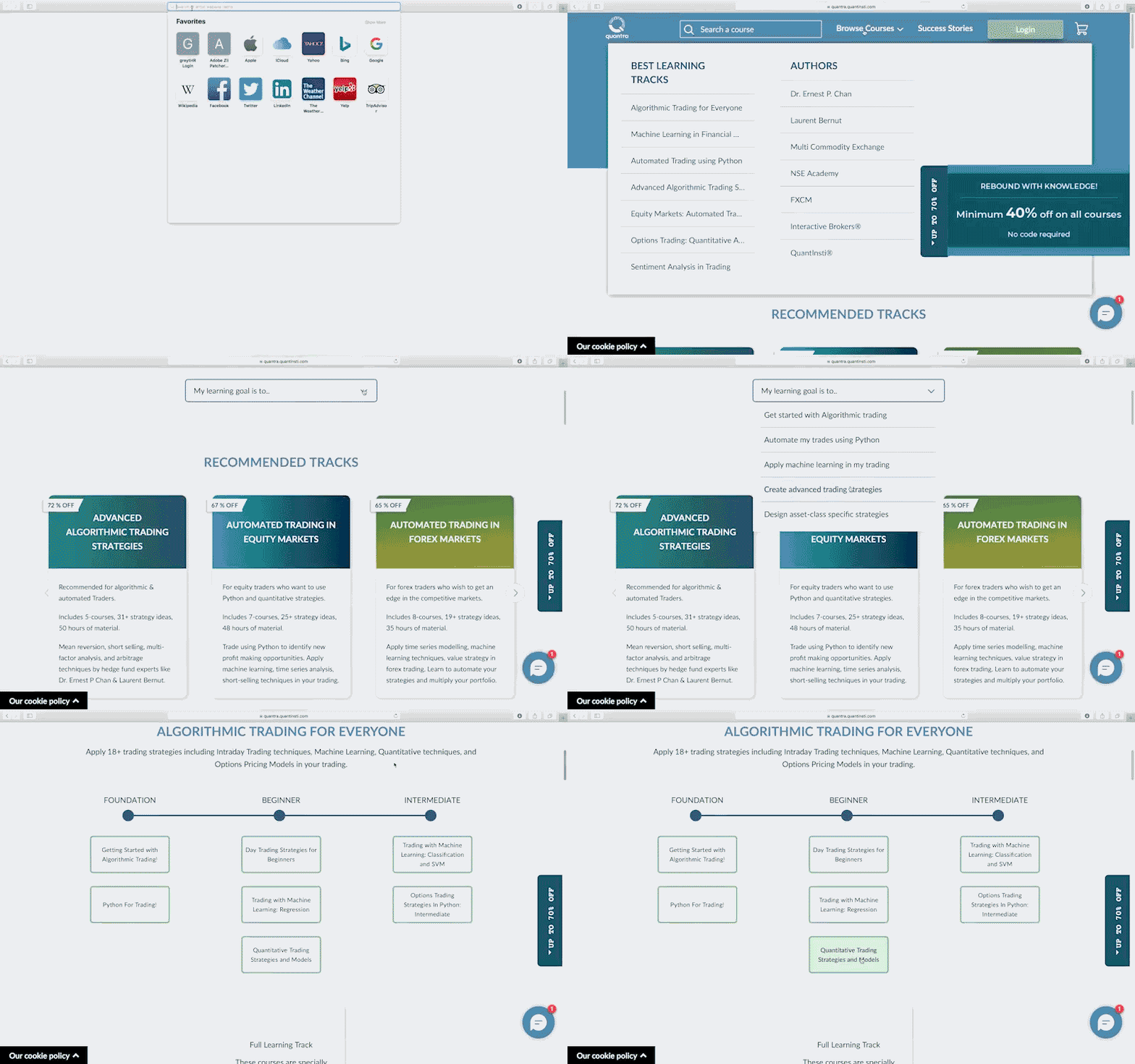
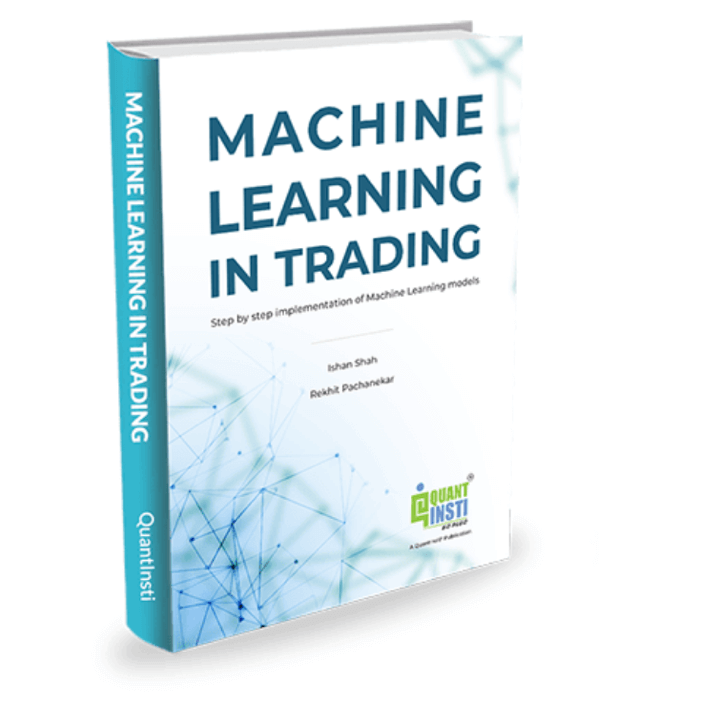
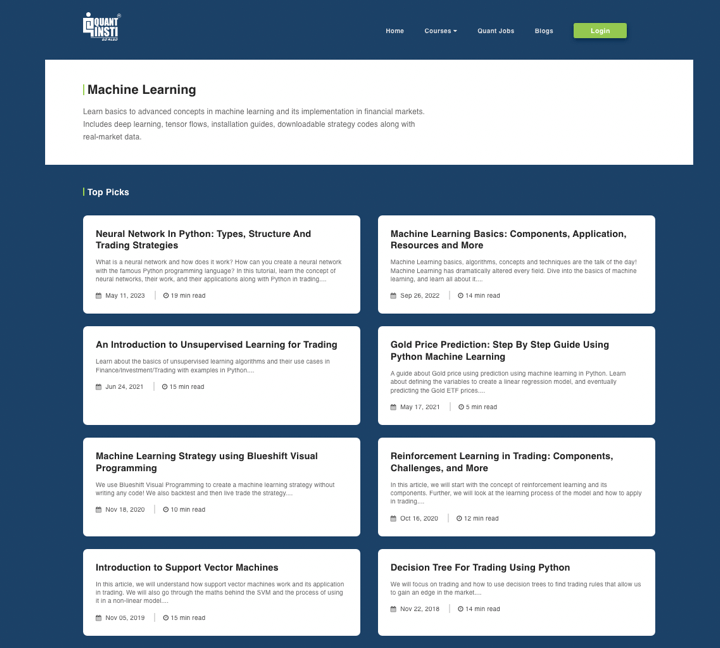
In the institutional space, platforms such as Quantra and QuantInsti provide structured learning tracks that bridge the gap between academic theory and real-world application. Their programs often cover the entire lifecycle of a trade, from data acquisition and feature engineering to alpha generation and portfolio optimization.
Essential Literature
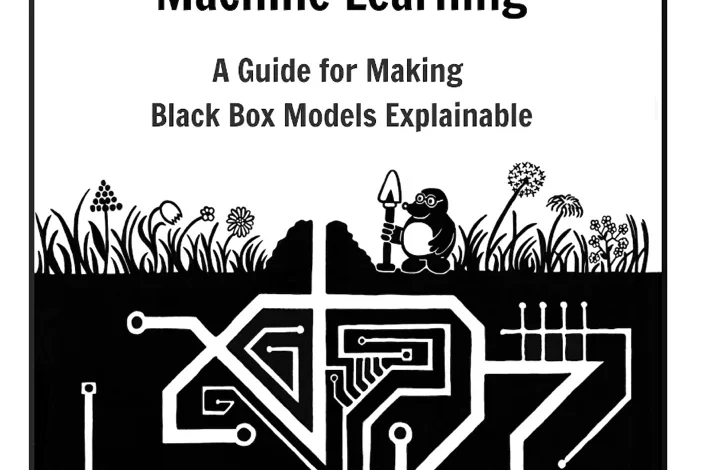
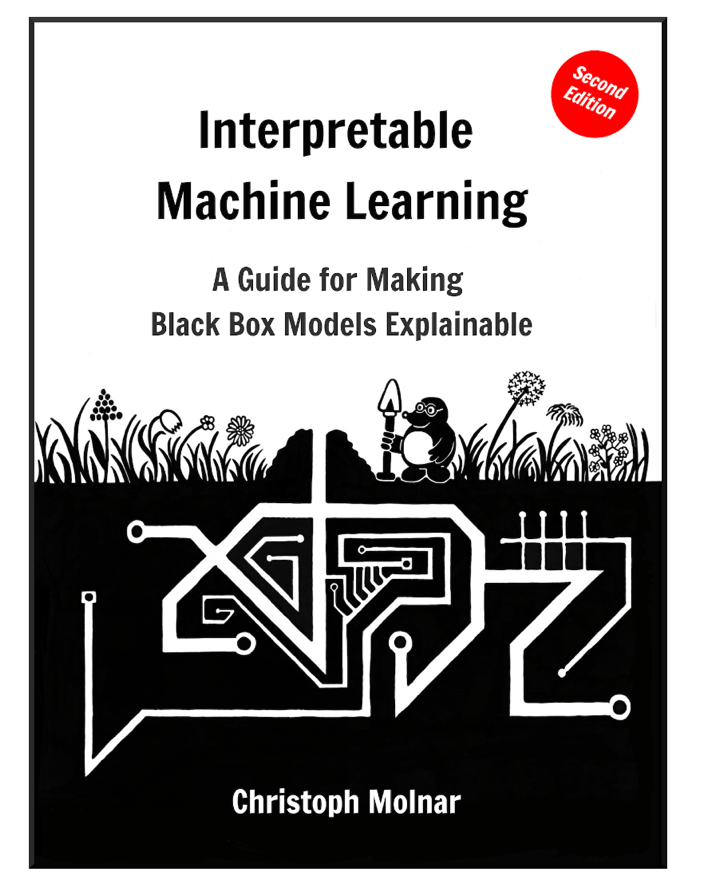
The literature on the subject has moved beyond abstract theory into practical application. Machine Learning for Trading by Stefan Jansen is widely cited for its structured workflow, offering case studies across equities, crypto, and derivatives. For those focused on the transparency of models, Interpretable Machine Learning by Christoph Molnar is essential reading. In the world of quantitative finance, a "black box" is a liability; understanding why a model makes a specific prediction is critical for risk management.
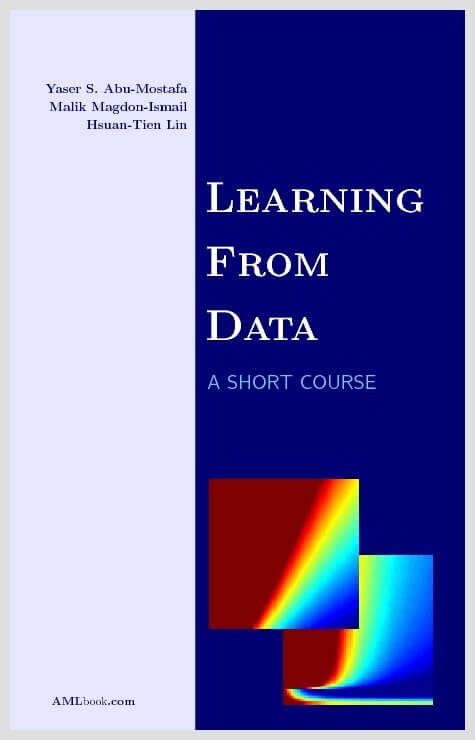
Learning From Data by Yaser S. Abu-Mostafa is another cornerstone text that provides the mathematical scaffolding for understanding how systems adapt to observed data. While the textbook is a paid resource, the accompanying online lectures from Caltech offer a high-level, free entry point into the mechanics of machine learning.
Analytical Perspectives and Research
Research papers continue to drive innovation in the field. A recurrent theme in modern research is the "virtue of simplicity." Studies such as The virtue of simplicity: On machine learning models in algorithmic trading demonstrate that complex, deep-layered neural networks often underperform simpler models in noisy market environments. This finding is echoed in various empirical studies on stock price trends, which emphasize that high-precision forecasts are secondary to the correct selection of parameters and robust risk management.
Deep Reinforcement Learning (DRL) has emerged as a significant area of interest, particularly for solving optimal execution problems. By training an agent to maximize the Sharpe ratio over a series of market states, traders are moving toward autonomous systems that can handle the complexities of transaction costs and liquidity constraints—factors that were historically difficult to model.
Broader Implications for the Market
The widespread adoption of machine learning in trading has implications that extend beyond individual portfolio performance. Firstly, it has increased market efficiency; as more participants utilize ML to exploit arbitrage opportunities, the windows for these opportunities tend to close faster. Secondly, it has raised concerns regarding systemic risk. Because many ML models are trained on similar datasets, there is a risk of "herding," where multiple algorithms react to the same signal simultaneously, potentially exacerbating market volatility.
Regulatory bodies are increasingly focusing on the transparency of algorithmic systems. The "human-in-the-loop" model, where machine-generated signals are audited by human traders before execution, remains the industry standard for managing the inherent unpredictability of AI.
Practical Tips for the Aspiring Quant
For practitioners looking to apply these tools, the consensus among industry veterans is to prioritize data quality over model complexity. "Garbage in, garbage out" remains the defining axiom of quantitative finance. Before training any model, a trader must invest significant time in feature engineering—transforming raw price and volume data into meaningful inputs that capture market dynamics.
Furthermore, it is vital to distinguish between "in-sample" success and "out-of-sample" reality. Many models show exceptional performance during backtesting but fail in live markets due to transaction costs, slippage, and the "look-ahead bias" where the model inadvertently uses future information to predict the past.
Future Outlook
As we look toward the remainder of the decade, the convergence of quantum computing and machine learning is expected to further revolutionize the industry. While still in its infancy, quantum-enhanced machine learning promises to process complex optimization problems in seconds that would currently take classical computers hours or days.
For the individual learner, the best path forward is a combination of foundational academic study and iterative practical application. Whether utilizing free resources from platforms like Quantra or diving into peer-reviewed research on platforms like ResearchGate, the key is to maintain a rigorous, scientific approach. Algorithmic trading is not a shortcut to wealth, but a disciplined exercise in data science and probability. By mastering the tools available today, traders can position themselves at the forefront of a financial landscape that is increasingly defined by the marriage of code and capital.