Citizens Bank Announces Major Branch Transformation, Shifting Focus to Advisory Services

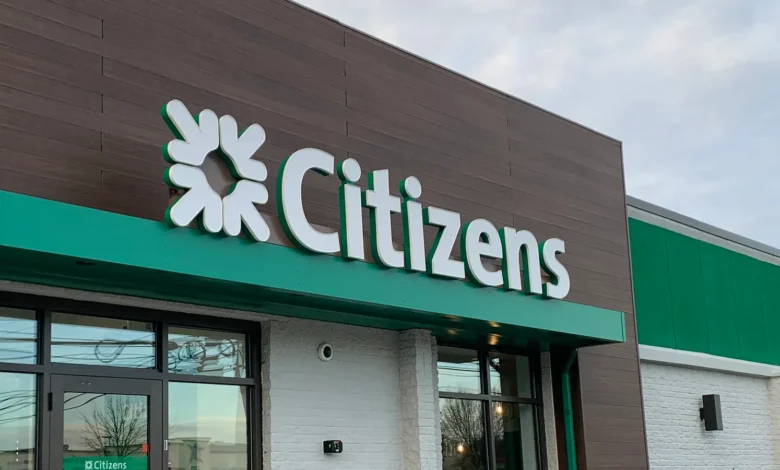
Citizens Bank is embarking on a significant restructuring of its retail branch network, planning to close between 100 and 120 supermarket-based locations while simultaneously launching 50 to 60 new, strategically positioned standalone branches nearby. This strategic pivot, revealed on Thursday in the bank’s second-quarter earnings presentation, signals a clear move towards an advisory-centric model, prioritizing enhanced services for private banking, wealth management, and small businesses. The initiative underscores a broader industry trend where financial institutions are re-evaluating their physical footprints to better align with evolving customer behaviors and maximize profitability in an increasingly digital landscape.
Strategic Rationale: A Shift to High-Value Services
The impetus behind this comprehensive branch overhaul is rooted in a desire to cultivate deeper, more meaningful customer relationships, particularly within higher-value segments. Bruce Van Saun, CEO of Citizens, articulated this vision during a recent conference call, describing the plan as a "careful investment in physical locations and in people." He emphasized that "if executed well, [it] should create a nice lift in the deposit trajectory without taking on the risk and significant capital expenditure of opening a whole bunch of de novos outside of the footprint." This statement highlights a deliberate strategy to optimize existing market presence rather than pursuing aggressive geographic expansion, a path chosen by some of its regional competitors.
This reinforcement of an in-footprint strategy has been consistently espoused by Citizens’ leadership. Matt Boss, head of Citizens’ consumer bank, reiterated this focus in May, stating, "The 14 states we operate in today offer more than enough opportunity when it comes to the consumer bank." This approach stands in contrast to other regional banks, such as Ohio-based Huntington and Fifth Third, both of which stretched their respective footprints by acquiring Texas-headquartered lenders in recent years, signaling different growth philosophies within the regional banking sector. Citizens’ decision to deepen its roots within its established territories suggests a belief in leveraging existing market knowledge and brand recognition to drive organic growth through a refined service model.
Optimizing the Physical Footprint: Beyond Transactions
The transformation involves not just a change in location but a radical redesign of the physical banking space. In previous statements, Nuno Dos Santos, Citizens’ head of branch distribution, highlighted the bank’s "aggressive" position on reinvesting in and transforming its existing locations. The new or renovated standalone branches will be significantly smaller, typically encompassing 2,000 to 3,000 square feet, a considerable reduction from the previous average of nearly 7,000 square feet. This design philosophy minimizes the space dedicated to routine, transactional services, which are increasingly migrating to digital platforms, and instead maximizes areas for private, in-depth conversations between bankers and clients.
The decision to move away from supermarket-based locations is multifaceted. While in-store branches historically offered convenience and cost-efficiency through lower rents and shared facilities, they often lacked the dedicated space and private environment necessary for complex financial discussions. The ambient noise, foot traffic unrelated to banking, and sometimes less-than-premium aesthetic of a grocery store setting can detract from the desired client experience, particularly for affluent customers seeking personalized advice. The new standalone branches, by contrast, offer a more controlled, professional, and inviting atmosphere conducive to building trust and delivering specialized financial guidance.
Brendan Coughlin, President of Citizens, further elaborated on this strategic intent in March, noting that the bank plans to "do a lot of surgery around some of our legacy markets," particularly in New England. This "surgery" implies a meticulous process of evaluating existing locations, closing underperforming or strategically misaligned branches, and re-establishing a presence with the new, advisory-focused model. The goal is to make branches "more impressive, [on] the right corner, [with] the right staffing," thereby creating a premium experience that aligns with the specialized services offered and enhances the bank’s brand perception.
Targeting the Mass-Affluent Segment: A Growth Imperative
A core component of Citizens’ revamped branch strategy is a deliberate pivot towards attracting and serving mass-affluent customers and beyond. This demographic, typically defined by investable assets ranging from $100,000 to $1 million, represents a lucrative market segment with growing financial needs that extend beyond basic checking and savings accounts. These customers often require sophisticated advice on investment planning, retirement strategies, estate planning, and more complex lending solutions. By tailoring its physical branches and staffing models to this segment, Citizens aims to capture a larger share of their wallets and deepen relationships.
The services emphasized in the new branches – private banking, wealth management, and small business support – are precisely those that resonate with mass-affluent clients and business owners. Private banking offers bespoke financial solutions, wealth management focuses on asset growth and preservation, and dedicated small business services provide critical support for entrepreneurs. These areas are typically characterized by higher revenue potential per client, stronger client loyalty, and significant cross-selling opportunities, all of which contribute positively to a bank’s overall profitability and deposit trajectory.
This focus on the mass-affluent segment is not unique to Citizens. Institutions like Truist and Regions, for example, have embarked on similar strategic pivots, recognizing the significant growth potential and higher profitability associated with this customer base. The competition for these clients is fierce, making a differentiated branch experience and specialized advisory capabilities crucial for success. Citizens’ investment in this area positions it to compete more effectively for these valuable customers within its existing operational footprint.
Market Context: The Evolving Banking Landscape
Citizens’ branch transformation takes place against a backdrop of significant shifts in the broader banking industry. The rise of digital banking, accelerated by technological advancements and reinforced by the COVID-19 pandemic, has fundamentally altered how customers interact with their banks. Routine transactions – deposits, withdrawals, transfers, and bill payments – are increasingly performed through mobile apps, online portals, and ATMs. This digital migration has led to a steady decline in foot traffic for transactional purposes at traditional branches.
According to industry reports, the number of bank branches in the U.S. has been on a downward trend for over a decade. Data from the Federal Deposit Insurance Corporation (FDIC) indicates a consistent net reduction in physical branches year after year, with thousands of closures nationwide. However, this doesn’t signify the demise of the physical branch entirely; rather, it points to a redefinition of its role. Modern branches are evolving from transactional hubs into advisory centers, places where customers go for complex financial advice, problem-solving, and relationship building – services that still benefit from human interaction and a dedicated physical space.
This re-evaluation of branch networks is also influenced by economic factors. In the current interest rate environment, optimizing operational costs and maximizing revenue generation from every customer touchpoint is paramount. Physical branches, while essential for certain services, represent significant operational expenses. By rightsizing and repositioning its branches, Citizens aims to achieve a more efficient cost structure while simultaneously enhancing its capacity to generate higher-value revenue streams.
A Broader Industry Trend: Peer Strategies
Citizens is hardly the first bank to dispatch with in-store branches, nor is it the first to pivot towards a mass-affluent focus. The trend away from supermarket branches has been evident across the industry for several years, driven by the factors mentioned above.
When Huntington acquired TCF in 2021, for example, it closed nearly 100 Michigan-based branches couched inside Meijer grocery stores. This move was part of a broader post-merger integration strategy aimed at eliminating redundancy and streamlining the combined branch network, focusing on standalone locations that better reflected Huntington’s brand and service model. Similarly, People’s United closed 140 branches located inside various Stop & Shops just ahead of the Connecticut bank’s acquisition by M&T. In this instance, the closures were a proactive measure to rationalize the network and prepare for a smoother integration, recognizing the changing utility of these in-store formats. U.S. Bank and PNC have also made similar moves with grocery store branches, underscoring a widespread consensus that the economic and strategic value of such locations has diminished.
Regarding the focus on mass-affluent customers, institutions like Truist, formed from the merger of BB&T and SunTrust, have made significant investments in expanding their wealth management and private banking capabilities. Truist, for instance, has announced plans for new branch openings and extensive renovations aimed at creating a more modern, advisory-focused experience, particularly in the growing Southeast markets. Regions Financial has also emphasized upskilling its small business bankers to take on more comprehensive relationship management roles, targeting mass-affluent small business owners with integrated financial solutions. These examples illustrate a clear industry-wide recognition that high-touch, advisory services delivered through optimized physical channels are critical for future growth and profitability.
Financial Performance and Future Outlook
The comprehensive branch retooling initiative is projected not to impact Citizens’ ambitious goal to reach a 16% to 18% return on tangible common equity (ROTCE) by the end of 2027. This target reflects the bank’s confidence in its strategic direction and the belief that these investments, while significant in the short term, will yield substantial long-term benefits in terms of efficiency, deposit growth, and revenue generation from higher-value client segments.
Citizens’ latest financial report provides a strong foundation for this strategic undertaking. In its second-quarter earnings statement, also delivered Thursday, the bank reported a ROTCE of 13.9%, marking a notable increase from 12.2% three months earlier. This improvement indicates a positive trajectory in core profitability, providing the necessary capital and operational flexibility to execute the branch transformation without derailing financial targets.
Furthermore, the bank’s profit experienced robust growth, jumping 35% year-over-year in the second quarter to $587 million. Revenue also climbed significantly, rising 12% year-over-year to $2.3 billion. These strong financial results underscore Citizens’ current operational health and its capacity to fund strategic initiatives aimed at long-term growth and market competitiveness. The increased profitability provides a buffer for the capital expenditures associated with opening new branches and the potential short-term disruption from closures, reinforcing investor confidence in the bank’s ability to manage this transition effectively.
Implications for Customers and Market Position
For Citizens’ existing customers, the transition will mean a shift in where and how they access certain banking services. While routine transactions will increasingly be directed to digital channels or remaining standalone branches, those seeking in-depth financial advice for wealth management, private banking, or small business needs will find a more dedicated and sophisticated environment. The bank will need to carefully manage the communication and transition process for customers affected by branch closures, ensuring seamless access to alternative services and minimizing inconvenience.
The strategy solidifies Citizens’ position within its existing 14-state footprint, aiming for qualitative rather than quantitative expansion. By focusing on higher-value customer segments and optimizing its physical presence, Citizens intends to deepen its market penetration and enhance its reputation as a leading financial advisor in its chosen regions. This approach positions the bank to compete more effectively with both larger national players and agile fintech companies, by combining the convenience of digital banking with the crucial human element for complex financial decisions.
Technological Integration and the Hybrid Model
It is important to note that Citizens’ branch strategy is not merely about physical locations but also about integrating technology to create a seamless, hybrid banking experience. While the new branches emphasize human interaction for advisory services, they are expected to be equipped with modern banking technology, such as advanced ATMs for self-service transactions, digital displays, and tools that facilitate virtual meetings or remote assistance. This integration ensures that the physical branch complements, rather than competes with, the bank’s robust digital offerings.
Ultimately, Citizens Bank’s comprehensive branch transformation represents a forward-thinking response to the evolving demands of the modern financial landscape. By strategically repositioning its physical footprint to prioritize advisory services and high-value customer segments, the bank aims to enhance profitability, strengthen customer relationships, and secure its competitive advantage within its established markets for years to come. The success of this ambitious undertaking will depend on meticulous execution and a continued focus on delivering a differentiated, client-centric experience.