Fintech Innovations Reshape Financial Landscapes Across Guatemala, El Salvador, and Aruba

The global financial technology landscape continues its rapid evolution, with recent developments in Central America and the Caribbean highlighting a concerted push towards greater financial inclusion, digital transformation, and the broader adoption of innovative payment solutions. This week’s Finovate Global spotlight casts a lens on three distinct but equally significant advancements: the launch of an AI-powered credit assessment platform in Guatemala, a major stablecoin issuer’s foray into consumer-facing digital wallets with strategic ties to El Salvador, and a leading Aruban bank’s commitment to establishing the region’s first fully digital banking experience. These initiatives underscore a dynamic shift, leveraging technology to address long-standing challenges and unlock new economic opportunities in diverse markets.
Guatemala’s CreditYa: Empowering MSMEs with AI-Driven Microcredit
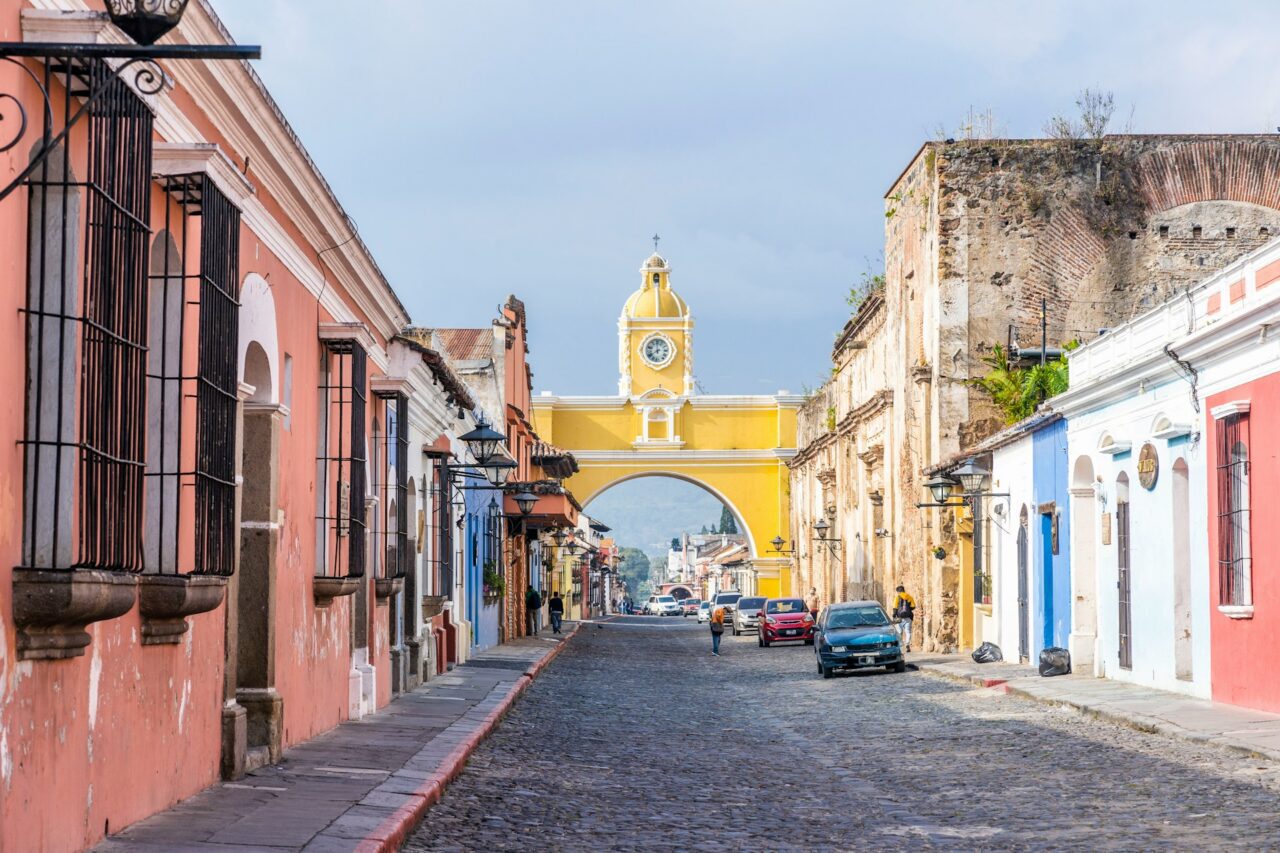
In a significant stride towards bolstering financial accessibility for underserved populations, YUMIVI S.A.S, a financial services company based in Colombia, has officially launched its AI-powered credit assessment platform, CreditYa, in Guatemala. This strategic expansion marks CreditYa’s first venture beyond its home market, signaling a commitment to addressing the pressing need for accessible financing across Latin America. CreditYa is meticulously designed as a digital microcredit platform, offering swift, convenient, and reliable financial support to individuals and, critically, to the vast ecosystem of small business owners often overlooked by traditional banking institutions.
The founder, Wingston Oswaldo González Reyes, envisioned CreditYa as a solution to the pervasive credit gap affecting micro, small, and medium-sized enterprises (MSMEs) in developing economies. Guatemala, like many of its regional counterparts, relies heavily on MSMEs, which contribute significantly to its Gross Domestic Product (GDP) and employment. However, these vital economic engines frequently encounter formidable barriers when seeking capital from conventional lenders, often due to a lack of formal credit history, insufficient collateral, or the prohibitive costs associated with processing small loan applications. The informal sector further exacerbates this challenge, leaving a substantial portion of the population outside the formal financial system.
María Gabriela, CreditYa’s Regional Operations Lead, articulated the company’s ambitious vision, stating that the launch represents "the first step in [the company’s] long-term commitment" to democratizing financial services. This commitment extends specifically to "every hard-working Guatemalan with a digital footprint," acknowledging the increasing digital penetration even among populations traditionally excluded from banking. Guatemala has seen a steady rise in smartphone adoption and internet access, creating fertile ground for digital-first financial solutions that can bypass the limitations of brick-and-mortar banking.
Gabriela further elaborated on the critical role of speed and flexibility in supporting entrepreneurial endeavors in Guatemala. "In Guatemala, business opportunities are often fleeting. Whether it is purchasing materials in advance to meet a sudden surge in orders or repairing store equipment that fails unexpectedly, entrepreneurs need timely access to fast and flexible financial support—not an endless approval process." This statement highlights a fundamental pain point that CreditYa aims to resolve. Traditional loan application processes can be protracted, taking weeks or even months, a timeline incompatible with the urgent operational needs of small businesses.
CreditYa’s solution leverages advanced data analytics and artificial intelligence to streamline the credit assessment process. Users are required to download the application, complete a straightforward identity verification, and authorize data access. This digital-first approach enables the platform to provide a preliminary credit assessment within minutes, with financial support often becoming available within 24 hours. This dramatic reduction in processing time is a game-changer for MSMEs, allowing them to seize opportunities or mitigate crises without significant delays. The platform’s reliance on a "digital footprint" means it can assess creditworthiness using alternative data points, moving beyond the traditional reliance on formal credit scores that many in the informal economy lack.
To ensure seamless and compliant operations, CreditYa has forged strategic partnerships with local payment gateways and data processing providers. This localized approach is crucial for navigating Guatemala’s specific regulatory environment and integrating effectively with the existing financial infrastructure. Beyond simply providing credit, YUMIVI has also committed to working with community organizations to deliver financial education initiatives. This holistic approach aims not only to provide access to funds but also to equip users with the knowledge and tools necessary for responsible financial management, thereby boosting overall financial inclusion and fostering sustainable economic growth within the Guatemalan market. Gabriela underscored this broader mission, asserting, "We are not just a financial app. We aspire to be a trusted partner for users as they pursue a better life and grow their businesses." The successful integration of CreditYa could serve as a blueprint for similar initiatives across Central America, demonstrating the power of fintech to bridge long-standing gaps in financial access.
Tether’s Strategic Expansion: The People’s Wallet and El Salvador’s Crypto Hub Vision
In a move set to significantly broaden the reach of digital assets, Tether, the prominent digital asset company and issuer of the world’s largest stablecoin, USDT, has introduced tether.wallet, aptly named "the People’s Wallet." This self-custodial digital wallet represents a pivotal shift, bringing Tether’s robust international financial infrastructure directly into the hands of billions of users who have historically been underserved or entirely excluded by traditional financial systems. The launch signifies Tether’s ambition to transition from primarily being an underlying layer of the digital economy to a direct-to-consumer platform, making digital assets more accessible and user-friendly.
Tether’s CEO, Paolo Ardoino, championed the initiative, asserting, "Tether has achieved, without any doubts, the widest financial inclusion success story in the history of humanity." This bold claim is supported by USDT’s vast market capitalization, which frequently exceeds $100 billion, and its ubiquitous presence across global cryptocurrency exchanges and decentralized finance (DeFi) protocols. With an estimated 570 million people already interacting with Tether’s technology in various capacities, the logical next step is to simplify the user experience. Ardoino articulated this goal: "The objective is to remove the complexity that has prevented broader adoption while preserving the properties that make the digital assets technology valuable."
For years, Tether has operated as a critical backbone for the digital economy, facilitating liquidity, cross-border settlement, and payments in over 160 countries. Its USDT stablecoin has become the de facto digital representation of the US dollar, offering a stable asset in the often-volatile cryptocurrency market. The tether.wallet now empowers end-users to directly leverage this infrastructure. Through the wallet, users can transact not only in USDT but also in USAT (a stablecoin tied to gold, represented by XAUT) and Bitcoin. This multi-asset capability positions the wallet as a comprehensive gateway to the digital asset ecosystem.
A key innovation designed to overcome a significant barrier to broader adoption is the implementation of human-readable identifiers. Instead of cumbersome, error-prone hexadecimal wallet addresses, users can now send funds using simple, familiar formats like "[email protected]" This seemingly minor detail addresses a major usability issue that has historically deterred many potential users from engaging with digital assets, making transactions as straightforward as sending an email.
Crucially, tether.wallet emphasizes security and user autonomy through its 100% self-custodial nature. This means that users retain complete control over their funds. All transactions are signed locally on the user’s device before being broadcast to the network, and private keys and recovery phrases remain exclusively under the control of the end-user. This commitment to self-custody aligns with the foundational principles of decentralized finance, ensuring that users are not reliant on a third party to hold their assets, thereby mitigating risks associated with centralized custodians. Ardoino reiterated this ethos, stating, "Tether.wallet is ‘the People’s Wallet’ because it truly reflects the natural evolution of Tether’s role, from building the foundation of the digital asset economy to making it directly usable by anyone, ready for a future in which tens of billions of humans, machines, and trillions of AI agents will transact seamlessly at the speed of light."
The launch of tether.wallet comes approximately a year after Tether made a significant strategic move by naming El Salvador as its formal headquarters. This decision followed Tether’s successful acquisition of a license under El Salvador’s progressive Digital Asset Issuance Law. The Central American nation has distinguished itself as a global pioneer in digital assets, famously adopting Bitcoin as legal tender in September 2021. This bold embrace of cryptocurrency, spearheaded by President Nayib Bukele, aims to position El Salvador as an emerging crypto currency hub, attracting investment and fostering innovation in the digital asset space. Tether’s decision to establish its first physical headquarters in El Salvador, moving from its previous incorporation in the British Virgin Islands, underscores the country’s growing importance in the global crypto landscape and provides Tether with a tangible base in a jurisdiction actively championing digital assets. This symbiotic relationship between Tether and El Salvador has the potential to accelerate the adoption of digital assets for everyday transactions and remittances, particularly benefiting a population with a significant diaspora sending funds home.
AIB Bank and Finastra: Pioneering Digital Banking in Aruba
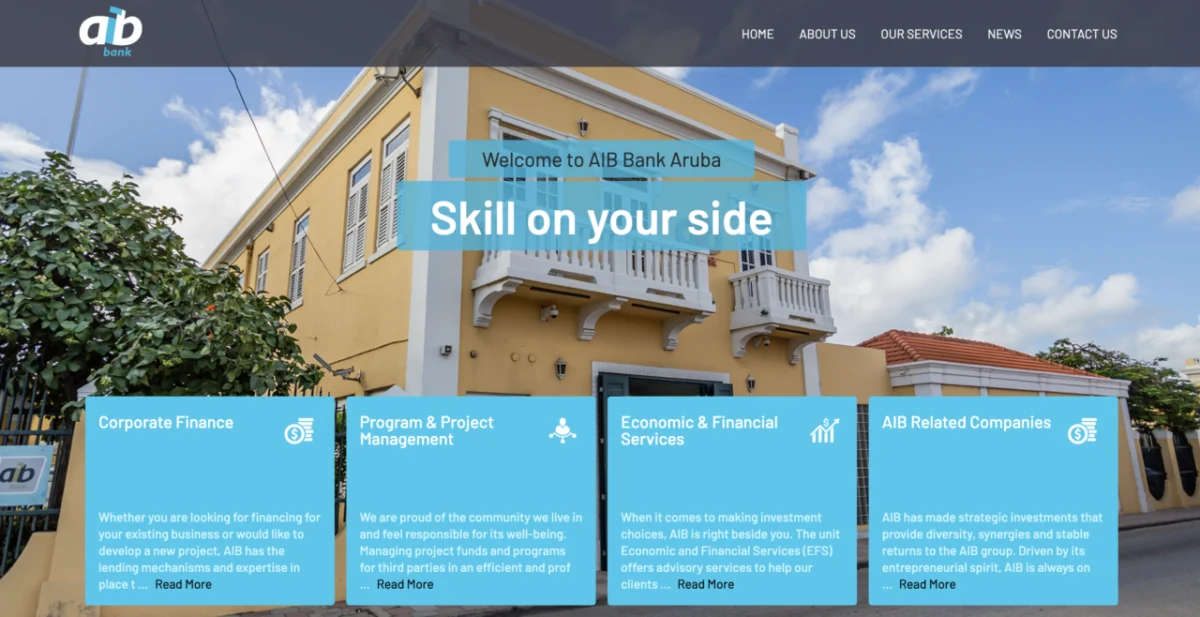
Aruba, a picturesque Caribbean island nation, is poised for a significant leap in its financial services sector with AIB Bank’s ambitious digital transformation initiative. AIB Bank, a well-established Aruban financial institution boasting nearly $2 billion in assets, has announced a landmark partnership with Finastra, a global provider of financial software applications and marketplaces. This collaboration aims to deploy Finastra’s cutting-edge Finastra Essence core banking solution, with the ultimate goal of establishing the country’s first fully digital bank. This strategic move reflects a broader trend across the global financial industry towards modernizing legacy systems and embracing digital-first approaches to meet evolving customer expectations.
The imperative for digital transformation in the banking sector is undeniable. Customers increasingly expect seamless, personalized, and instant banking experiences, mirroring the convenience they find in other digital services. For a tourism-dependent economy like Aruba, providing advanced digital banking capabilities is crucial not only for local residents and businesses but also for international visitors and investors. The Finastra Essence core banking solution is designed to deliver precisely these capabilities. It offers an enhanced core solution that integrates a comprehensive suite of digital banking functionalities with state-of-the-art technology. This empowers banks to provide customers with faster transactions, heightened reliability and security, and the kind of modern, personalized digital experiences that are now considered standard in developed markets.
Frendsel Giel, Managing Director of AIB Bank, articulated the strategic significance of this partnership. "Choosing Finastra Essence allows us to position ourselves at the forefront of full-service digital banking innovation in Aruba and across the Caribbean," Giel stated. He emphasized that this transformation of their recently acquired commercial bank will not only "enhance the way we serve our customers but also establish a solid foundation for accelerated growth and long-term success in Aruba and the region." This vision extends beyond mere technological upgrade; it represents a strategic repositioning of AIB Bank as a leader in digital financial services within the competitive Caribbean market. The shift to a fully digital bank implies a significant overhaul of internal processes, a focus on digital channels for customer interaction, and the development of innovative products and services accessible remotely.
Founded in 1987, AIB Bank is a privately owned financial institution headquartered in Oranjestad, Aruba. Over the decades, it has built a reputation for specializing in complex financial services, including loan syndication, agency services, corporate lending, program and project management, and advisory services. The bank has successfully structured large and intricate financing deals across Aruba and the wider Caribbean region. This strong foundation and expertise in corporate finance, combined with the new digital capabilities, position AIB Bank to serve a broader spectrum of clients with enhanced efficiency and modern offerings. The move to digital also opens opportunities for increased operational efficiency, reduced overheads, and the ability to scale services more rapidly.
Finastra, AIB Bank’s strategic partner, is a global powerhouse in financial services software. The company was formed in 2017 through the merger of D+H Corporation and Finovate alum Misys, bringing together decades of expertise in banking, lending, treasury, and capital markets solutions. Headquartered in the UK, Finastra collaborates with banks and other financial institutions worldwide to provide secure, trusted, and mission-critical financial services technology. Its extensive global footprint is evident in its client base: over 7,000 customers around the world utilize its financial services software, including an impressive 80% of the top 50 global banks. Finastra’s platforms facilitate the movement of an astounding $7 trillion in transactions every single day, underscoring its pivotal role in the global financial infrastructure. Chris Walters, Finastra’s CEO, leads the company’s efforts to drive innovation and digital transformation for its diverse client base. The partnership with AIB Bank in Aruba exemplifies Finastra’s commitment to enabling financial institutions of all sizes to modernize their operations and deliver superior digital experiences to their customers, thereby contributing to the overall advancement of the financial sector in the Caribbean.
A Region Embracing Digital Transformation
The fintech developments in Guatemala, El Salvador, and Aruba collectively paint a picture of a region actively embracing digital transformation to foster financial inclusion and economic growth. From CreditYa’s AI-driven microcredit empowering MSMEs in Guatemala to Tether’s self-custodial stablecoin wallet potentially revolutionizing remittances and everyday transactions, and AIB Bank’s ambitious plan for Aruba’s first fully digital bank, these initiatives highlight the diverse applications and profound impact of financial technology. They demonstrate a concerted effort to leverage innovation to overcome traditional barriers, enhance efficiency, and create a more accessible and resilient financial ecosystem for millions. As these trends continue, the synergy between technological advancement, strategic partnerships, and forward-thinking regulatory environments will be crucial in shaping the future of finance across Central America and the Caribbean.