Itaú Unibanco Becomes Brazil’s First Major Bank to Formalize Crypto Operations Under New Central Bank Framework


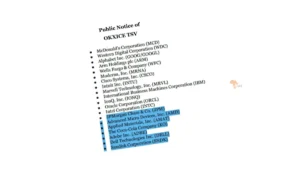
Itaú Unibanco, the largest private sector financial institution in Brazil, has officially notified the country’s central bank regarding its cryptocurrency trading and custody operations. This milestone makes Itaú the first major traditional bank in Brazil to formalize its digital asset brokerage under the nation’s newly implemented regulatory framework. According to local financial media reports, the move underscores the growing convergence between traditional institutional banking and the digital asset economy in Latin America’s largest market.
The formalization coincides with an approaching regulatory deadline set for October 30, 2026. Under the guidelines established by the Central Bank of Brazil (Banco Central do Brasil), existing cryptocurrency businesses and financial institutions providing digital asset services must complete their compliance procedures. While traditional banks that are already authorized by the central bank only need to submit an official notification regarding their crypto operations, dedicated virtual-asset service providers (VASPs) face a more rigorous mandate, requiring them to formally apply for explicit operating authorization.
Background and Regulatory Timeline
Brazil has steadily positioned itself as one of the most progressive yet strictly regulated jurisdictions for cryptocurrencies in Latin America. The path toward comprehensive oversight has unfolded through a carefully structured timeline over recent years:
- December 2023: Itaú Unibanco launched its proprietary cryptocurrency trading platform, offering its retail and institutional client base access to a curated selection of digital assets. At its inception, the service supported trading and custody for 15 prominent cryptocurrencies, bridging the gap between traditional banking security and decentralized finance.
- February 2026: The Central Bank of Brazil enacted Resolution 520, a landmark regulatory decree designed to govern the operations of virtual-asset service providers and traditional financial institutions offering crypto-related services. The resolution requires eligible institutions to submit independent technical certifications demonstrating robust internal controls, cybersecurity frameworks, and compliance mechanisms.
- May 2026: Regulatory tightening continued as Brazilian authorities prohibited the use of cryptocurrencies in regulated cross-border foreign exchange (FX) payment settlements, signaling a clear distinction between approved digital asset trading and systemic monetary infrastructure.
- October 30, 2026: The strict compliance deadline for existing crypto service providers and banks to align with the central bank’s regulatory framework. Institutions failing to meet this deadline are mandated to halt all cryptocurrency-related services within a 30-day wind-down period.
- November 6, 2026: A critical enforcement milestone takes effect, barring all banks and authorized financial institutions from engaging in business partnerships, liquidity sharing, or commercial operations with unauthorized or non-compliant crypto providers.
Resolution 520 and Compliance Mandates
Resolution 520 serves as the cornerstone of Brazil’s current digital asset oversight. By establishing clear parameters for custody, trading, and risk management, the central bank aims to protect investors while curbing illicit financial activities such as money laundering and capital flight.
The mandate stipulates that financial institutions must undergo rigorous audits by independent technical experts. These certifications must prove that the bank’s digital asset infrastructure meets institutional-grade standards for data protection, cold-storage custody, and anti-money laundering (AML) protocols. For Itaú Unibanco, successfully navigating this process validates the significant technological investments the bank has made since launching its crypto brokerage nearly three years ago.
Market observers note that the strict cutoffs established by the central bank—particularly the November 6 deadline prohibiting transactions with unauthorized entities—will likely trigger a major consolidation phase across the Brazilian fintech sector. Smaller, non-compliant crypto startups may struggle to secure the necessary independent technical certifications, leaving market share open to heavily capitalized traditional institutions like Itaú.
Institutionalization of Digital Assets in Brazil
Itaú Unibanco’s early and aggressive entry into the cryptocurrency sector reflects a broader strategic shift among Latin American financial titans. Rather than viewing decentralized assets as a competitive threat, major banks in Brazil are increasingly incorporating digital currencies into their wealth management and retail offerings to meet surging consumer demand.
By formalizing its crypto operations ahead of the October deadline, Itaú has established a clear compliance benchmark for its domestic competitors, including Bradesco, Banco do Brasil, and digital-first powerhouses like Nubank. Financial analysts suggest that the bank’s proactive regulatory posture will bolster client trust, providing retail investors with the legal certainty and security assurances they traditionally associate with legacy banking institutions.
Furthermore, the integration of cryptocurrency trading within a strictly regulated banking environment is expected to accelerate institutional participation. Family offices, asset managers, and high-net-worth individuals who previously hesitated to engage with offshore or unregulated exchanges now have a domestic, fully compliant avenue to allocate capital into digital assets.
Broader Economic Implications and Outlook
The implementation of Brazil’s new regulatory framework marks a mature phase in the global evolution of cryptocurrency policy. By leveraging existing banking infrastructure and enforcing rigorous compliance standards, Brazilian regulators are successfully balancing financial innovation with systemic risk mitigation.
As the October 30 deadline approaches, attention across the Latin American fintech ecosystem remains focused on how many dedicated virtual-asset service providers will successfully transition to full authorization versus those forced to exit the market. Meanwhile, traditional financial institutions that follow Itaú Unibanco’s lead will likely solidify dominance over the domestic digital asset landscape, reshaping the future of banking, custody, and investment products in the region.
Related posts: