Kraken Finalizes Acquisition of Bitnomial for Up to $550 Million, Cementing Position in Regulated U.S. Crypto Derivatives Market.

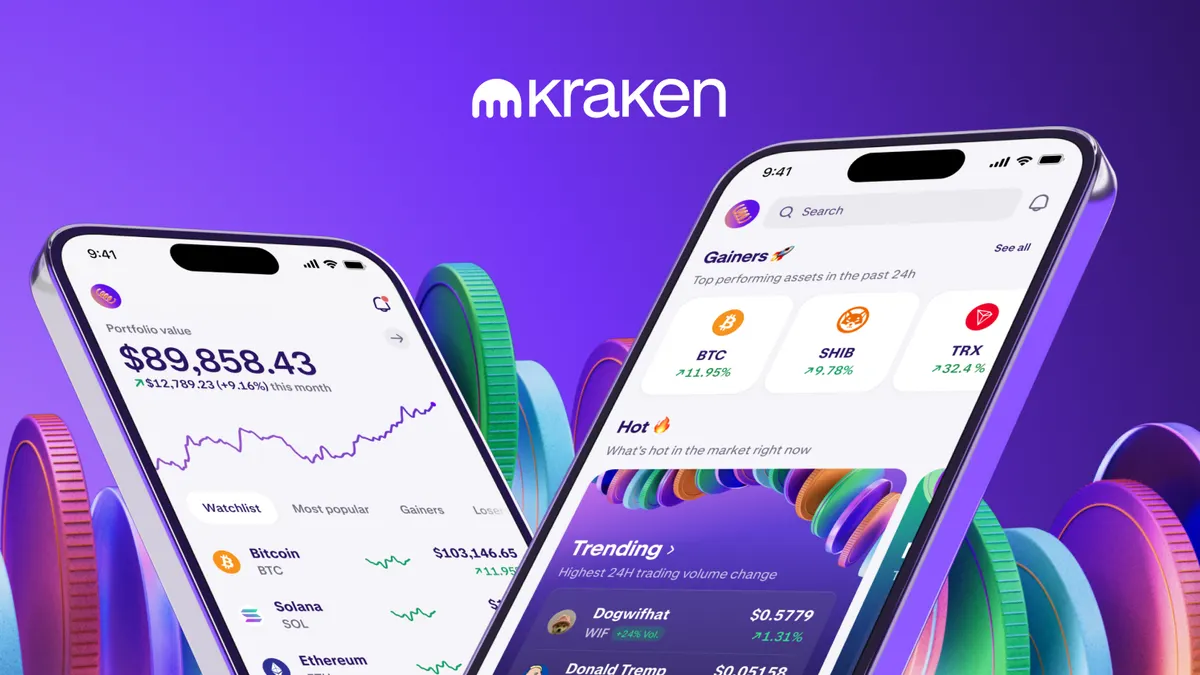
Cryptocurrency exchange Kraken has announced its definitive agreement to acquire Bitnomial, a U.S.-based derivatives company, in a strategic transaction valued at up to $550 million. The acquisition, which is anticipated to conclude by June of this year, marks a significant milestone in Kraken’s aggressive expansion strategy and its determined push into the highly regulated American digital asset derivatives landscape. This move underscores a growing trend within the cryptocurrency industry: the pursuit of legitimacy and broader institutional adoption through adherence to established financial regulations.
The core appeal of Bitnomial lies in its unique regulatory standing. The company has distinguished itself as the first crypto-native entity in the United States to possess all three essential Commodity Futures Trading Commission (CFTC)-issued licenses required for operating a comprehensive derivatives ecosystem: an exchange (Designated Contract Market or DCM), a clearinghouse (Derivatives Clearing Organization or DCO), and a brokerage (Futures Commission Merchant or FCM). This trifecta of licenses positions Bitnomial, and by extension Kraken, at the forefront of compliant crypto derivatives offerings within the U.S. market, providing a robust, regulated framework that has been a long-standing aspiration for many players in the digital asset space.
Strategic Rationale: Building a Regulated Foundation
Arjun Sethi, co-CEO of Kraken, articulated the profound strategic importance of this acquisition in a statement released on Friday. "The shape of a market is determined by its clearing infrastructure, and the U.S. has had no clearing infrastructure built for digital assets," Sethi remarked, highlighting a critical gap that Bitnomial’s capabilities are poised to fill. He emphasized that Bitnomial has dedicated a decade to meticulously constructing "capabilities that cannot be retrofitted onto legacy systems." This speaks to the inherent challenges of adapting traditional financial infrastructure to the unique demands of digital assets, such as 24/7 trading, rapid settlement, and novel risk management requirements.
Sethi further elaborated on Kraken’s immediate plans following the acquisition, stating, "That is the regulated foundation we are adding, starting with spot margin, perpetuals, and options for US clients under CFTC regulation." This indicates Kraken’s ambition to offer a full suite of regulated derivatives products, moving beyond its traditional spot trading offerings. The integration of Bitnomial’s infrastructure is expected to enable Kraken to expand its product offerings significantly, catering to both retail and institutional investors seeking compliant avenues for engaging with crypto derivatives.
Luke Hoersten, founder and CEO of Bitnomial, echoed this sentiment, expressing a deep conviction in the future of digital-asset-native derivatives. "Bitnomial was built on a simple conviction: that the future of derivatives is digital-asset-native, and that the U.S. should lead it, not follow it," Hoersten stated. He added that joining Payward, Kraken’s parent company, would allow them to "build that future at the scale it deserves." This partnership represents a confluence of Bitnomial’s specialized regulatory compliance and technological foundation with Kraken’s expansive reach, brand recognition, and significant capital resources.
Understanding Bitnomial’s Unique Regulatory Position
The significance of Bitnomial’s CFTC licenses cannot be overstated in the context of the U.S. regulatory environment for digital assets. The CFTC has historically asserted jurisdiction over digital assets deemed commodities, including Bitcoin and Ethereum, particularly when they are traded as futures or other derivatives.
- Designated Contract Market (DCM): A DCM license permits a company to operate an exchange for futures and options on various underlying assets, including cryptocurrencies. This allows for the listing and trading of standardized derivatives contracts in a regulated environment, providing transparency and market integrity.
- Derivatives Clearing Organization (DCO): A DCO is crucial for managing counterparty risk in derivatives markets. It acts as a central counterparty to all trades, guaranteeing the performance of contracts and ensuring the financial integrity of the market. For crypto, a DCO built for digital assets means handling unique aspects like digital asset collateral, instantaneous settlement possibilities, and specific custody requirements.
- Futures Commission Merchant (FCM): An FCM license allows a firm to solicit or accept orders for futures and options contracts and to accept money or other assets from customers to support such orders. This license enables direct interaction with clients, providing brokerage services for regulated derivatives.
Holding all three licenses means Bitnomial has created a vertically integrated, end-to-end regulated derivatives ecosystem. This contrasts sharply with many crypto firms that operate in a more fragmented regulatory landscape or offshore, often facing scrutiny from U.S. regulators. Bitnomial’s "crypto-native" approach implies that its systems were designed from the ground up with the unique characteristics of digital assets in mind, rather than attempting to shoehorn crypto into traditional financial infrastructure. This includes considerations for cryptographic security, distributed ledger technology, and the specific settlement mechanics of digital assets.
Kraken’s Ambitious Acquisition Spree and Regulatory Push
The acquisition of Bitnomial is not an isolated event but rather the latest in a series of aggressive strategic moves by Kraken, particularly notable during the second Trump administration, which has seen varied approaches to digital asset regulation. This acquisition spree highlights Kraken’s comprehensive strategy to diversify its offerings, deepen its technological capabilities, and strengthen its regulatory standing.
A timeline of Kraken’s recent acquisitions illustrates this concerted effort:
- March 2025: Kraken acquired futures platform NinjaTrader for $1.5 billion. This was a significant early indicator of Kraken’s intent to expand heavily into derivatives, particularly catering to professional traders with a robust trading platform.
- August 2025: The company acquired Capitalise.ai, a no-code trading platform. This move aimed to democratize sophisticated trading strategies, making them accessible to a wider range of users without requiring complex programming skills.
- September 2025: Kraken purchased Breakout, a multi-asset investment platform. This acquisition likely sought to broaden Kraken’s investment product suite, potentially integrating traditional and digital assets.
- October 2025: Kraken bought Small Exchange, another derivatives platform, for an undisclosed sum, estimated to be around $100 million. This further cemented its derivatives ambitions, focusing on simplifying and standardizing derivatives products.
- December 2025: Kraken acquired Backed, a tokenized equities firm. This move signaled Kraken’s intention to bridge the gap between traditional financial assets and the blockchain, allowing for the trading of tokenized versions of stocks and other securities.
These acquisitions collectively paint a picture of Kraken transforming from a pure-play crypto exchange into a full-service digital asset financial ecosystem. Each acquisition brings a distinct capability, from advanced trading tools and diversified investment products to tokenized securities and, crucially, regulated derivatives.

Beyond these M&A activities, Kraken has also achieved significant regulatory milestones that underscore its commitment to operating within established financial frameworks. Most notably, Kraken became the first crypto firm to receive a master account with the Federal Reserve. This achievement is highly significant, as it grants Kraken direct access to the U.S. payment system, bypassing traditional intermediary banks. This not only streamlines operations and reduces costs but also signals a level of trust and legitimacy from the U.S. central banking system that few crypto firms have attained.
Furthermore, Kraken co-CEO Arjun Sethi confirmed earlier this week that the company has filed confidentially for an initial public offering (IPO). An IPO would mark Kraken’s transition into a publicly traded entity, subjecting it to stringent reporting requirements and corporate governance standards typically associated with mainstream financial institutions. This move would provide greater transparency and potentially open Kraken up to a much broader pool of institutional investors, further solidifying its position in the global financial landscape.
Financial and Market Implications
While the overall deal for Bitnomial is valued at up to $550 million, the transaction specifically values Payward’s (Kraken’s parent company) equity at $20 million, suggesting a complex deal structure that might include earn-outs or other performance-based incentives for Bitnomial’s team. This structure is common in technology acquisitions, aligning the interests of the acquired company’s leadership with the acquirer’s long-term success.
The companies are touting the acquisition as one that "opens a new channel for partners, including fintechs, banks, brokerages and payment providers to offer regulated U.S. derivatives products to their own end users through a single integration." This is a crucial aspect of the deal’s broader market impact. By acquiring Bitnomial’s regulated infrastructure, Kraken can offer a white-label or API-based solution, enabling traditional financial institutions and other fintechs to seamlessly integrate regulated crypto derivatives into their existing platforms without having to navigate the complex and costly process of obtaining the necessary licenses themselves. This could significantly accelerate institutional adoption of crypto derivatives and broaden their accessibility within the U.S. market.
The global crypto derivatives market has seen exponential growth, often outpacing the spot market in trading volume. According to various market analytics firms, the daily trading volume for crypto derivatives can frequently exceed that of spot markets, sometimes by a factor of three or more. The total value locked in open interest for crypto futures and options routinely stands in the tens of billions of dollars. However, a significant portion of this activity has traditionally occurred on offshore, less regulated platforms. Kraken’s move to bring regulated derivatives to the U.S. market could attract a substantial amount of this activity onshore, providing a safer and more compliant environment for large-scale investors.
Broader Impact and Future Vision

The integration of Bitnomial’s capabilities adds regulated U.S. derivatives to Kraken’s already robust stable of services, which includes crypto spot trading, tokenized equities, staking services, and comprehensive on/off-ramps for fiat currency. This holistic approach positions Kraken as a formidable competitor to both traditional financial exchanges entering the crypto space and other crypto-native platforms.
Looking towards the future, Bitnomial founder Luke Hoersten has hinted at an ambitious vision for the derivatives market. In the release, Bitnomial articulated its envisioning of "crypto-settled products, tokenized assets and eventually the kind of continuous, capital-efficient contracts that have transformed global markets." This vision extends beyond simple futures and options, hinting at a new generation of financial instruments that leverage the inherent advantages of blockchain technology.
- Crypto-settled products: These would allow derivatives contracts to be settled directly in cryptocurrency, bypassing the need for fiat conversions and potentially enabling faster, cheaper settlements.
- Tokenized assets: This refers to the representation of real-world assets (like real estate, commodities, or equities) as digital tokens on a blockchain, which can then be traded and used as collateral in derivatives.
- Continuous, capital-efficient contracts: This concept suggests derivatives that operate with higher frequency, lower latency, and more efficient use of capital compared to traditional models. This could involve innovations in margin requirements, collateral management, and real-time risk assessments, leveraging blockchain’s transparency and immutability.
This acquisition comes at a time when the U.S. regulatory landscape for cryptocurrencies is still evolving. While the CFTC has taken a proactive stance on derivatives, the broader regulatory environment, particularly concerning spot markets and securities classification (under the purview of the SEC), remains complex and at times contentious. Kraken’s strategy of building a robust, regulated derivatives arm under the CFTC’s oversight provides a clear pathway for growth in a segment of the market where regulatory clarity is more established.
In conclusion, Kraken’s acquisition of Bitnomial is a landmark deal that signifies a pivotal moment for the U.S. crypto derivatives market. By integrating Bitnomial’s unique CFTC licenses and crypto-native infrastructure, Kraken is not only expanding its product offerings but also setting a new standard for regulatory compliance and institutional-grade services in the digital asset space. This move, combined with Kraken’s aggressive M&A strategy and pursuit of a Federal Reserve master account and IPO, firmly establishes the company as a leader poised to bridge the gap between traditional finance and the burgeoning world of digital assets, shaping the future of financial markets.
Related posts: