Sales of Existing Single-Family Homes Plunge to Lowest since 2010, Supply Hits 12-Year High, Condo Sales Plunge to Lowest in the Data, Supply Highest since 2011

The United States housing sector is currently navigating a period of profound stagnation, characterized by a sharp contraction in transaction volumes across all major geographical regions. According to the latest data released by the National Association of Realtors (NAR), existing single-family home sales fell by 5.8% in October on a seasonally adjusted basis, representing an 8.6% decline compared to the same period last year. The current annual rate of 3.41 million units marks the lowest level of activity since October 2010, placing the market in a precarious position reminiscent of the post-2008 housing bust era.
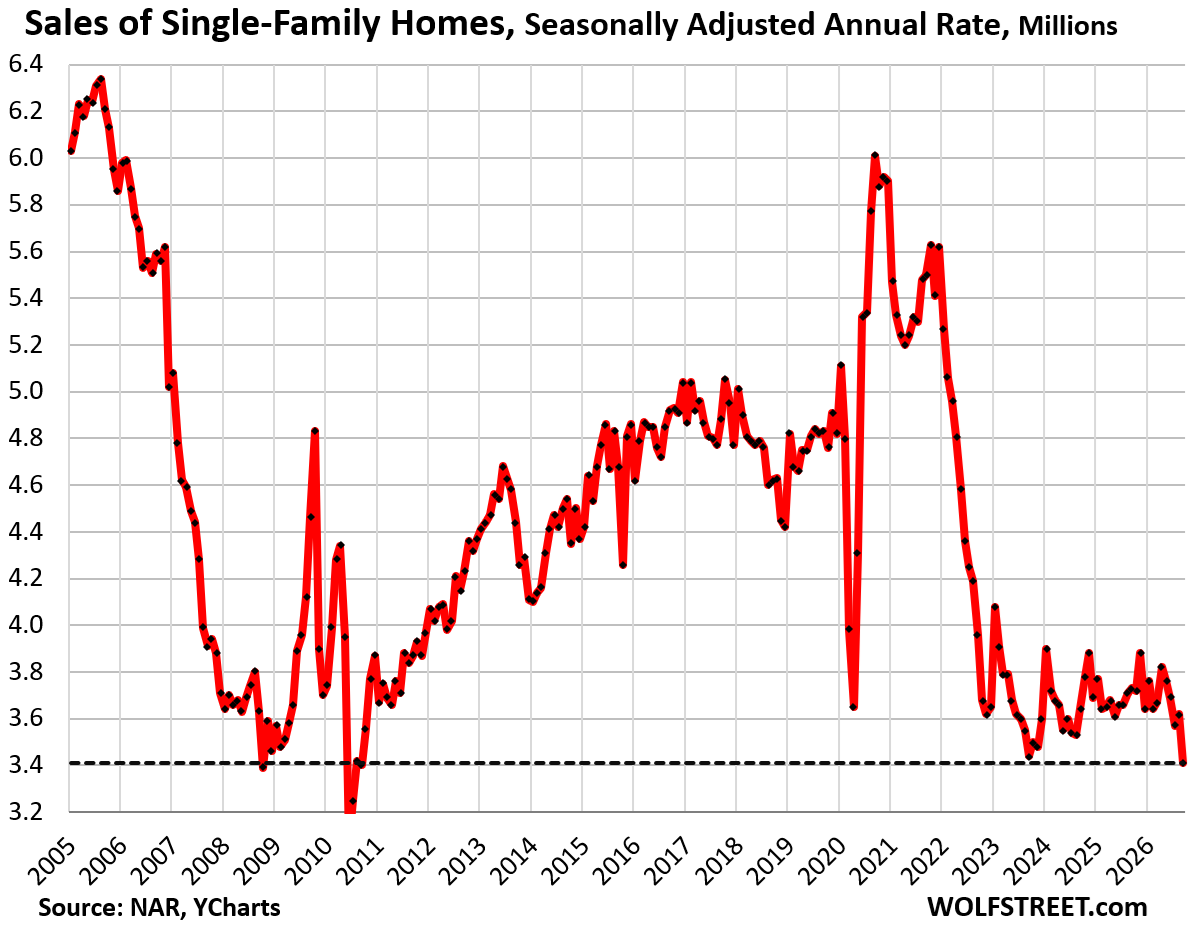
The implications of these figures are significant when viewed through a historical lens. Current sales are 29% lower than those recorded in October 2019, 38% lower than in October 2021, and down 9% compared to the market volume of 1996. The non-seasonally adjusted data, which captures the raw number of transactions, shows an 11.7% year-over-year decline, with only 287,000 actual single-family homes changing hands.
Regional Breakdown of the Market Contraction
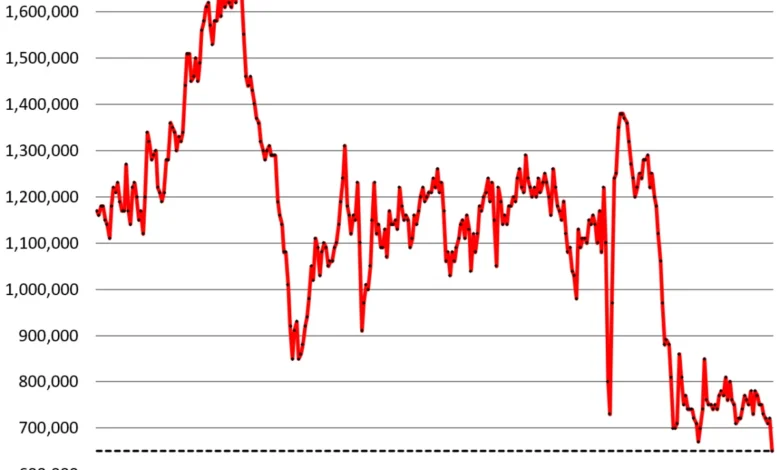
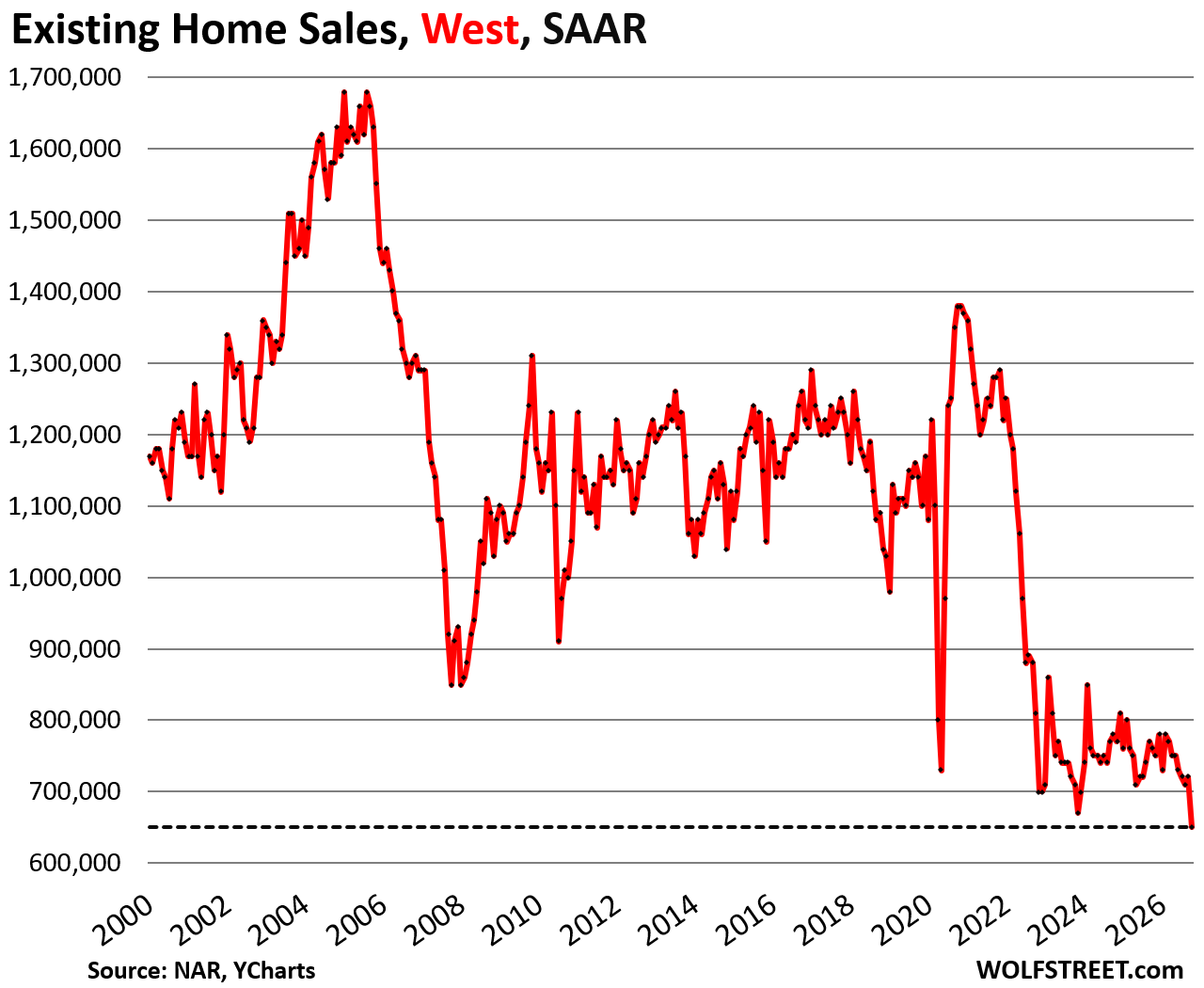
The downturn is not uniform, yet no region has remained immune to the cooling effect of high borrowing costs and price resistance. The West has been the most severely impacted, with a seasonally adjusted annual sales rate of 650,000 homes—the lowest volume recorded in the region since data collection began in 1999. Analysts suggest this is not merely a supply-side issue; rather, it is a clear indicator of demand exhaustion as potential buyers are priced out of high-cost markets.
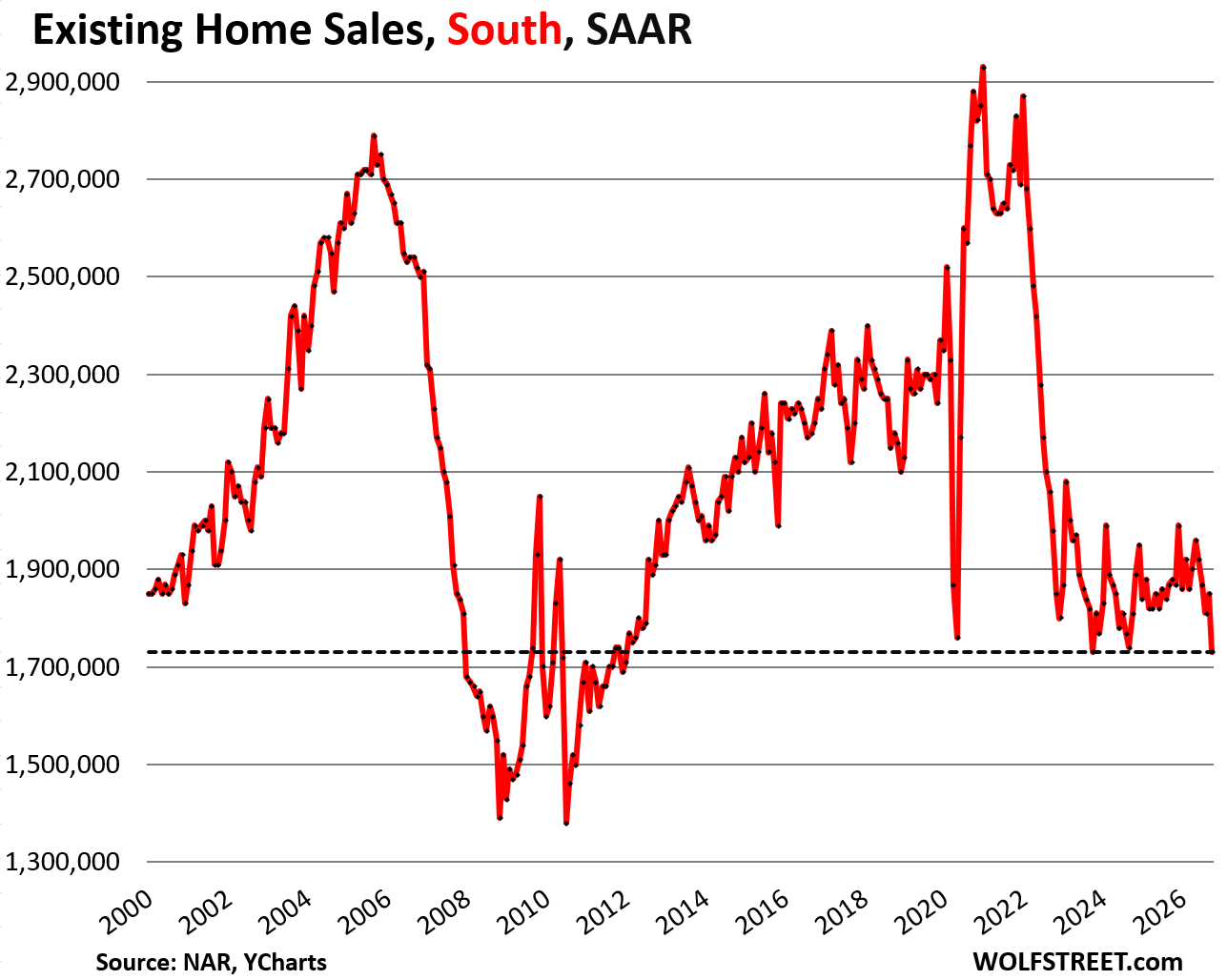
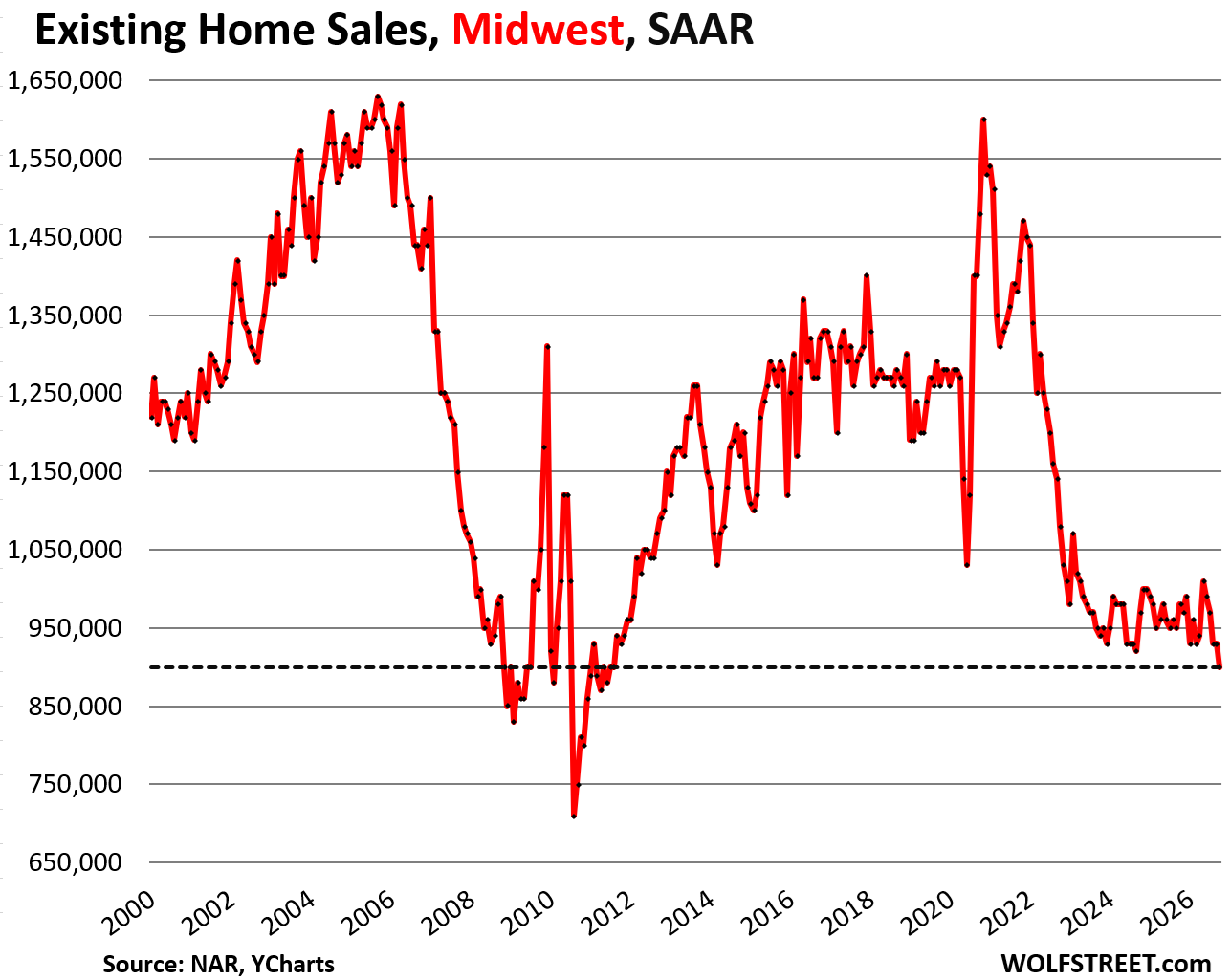
In the South, the annual rate of sales dropped to 1.73 million, a level not seen since early 2012. The Midwest has mirrored this trend, with sales falling to 900,000 units, the lowest point since 2011. The Northeast, while slightly more stable in the short term, remains near historically low levels with an annual rate of 470,000. These regional disparities reflect a broader national shift where the "affordability crisis" has transitioned from a localized concern to a systemic roadblock for the real estate industry.
The Dynamics of Supply and Inventory
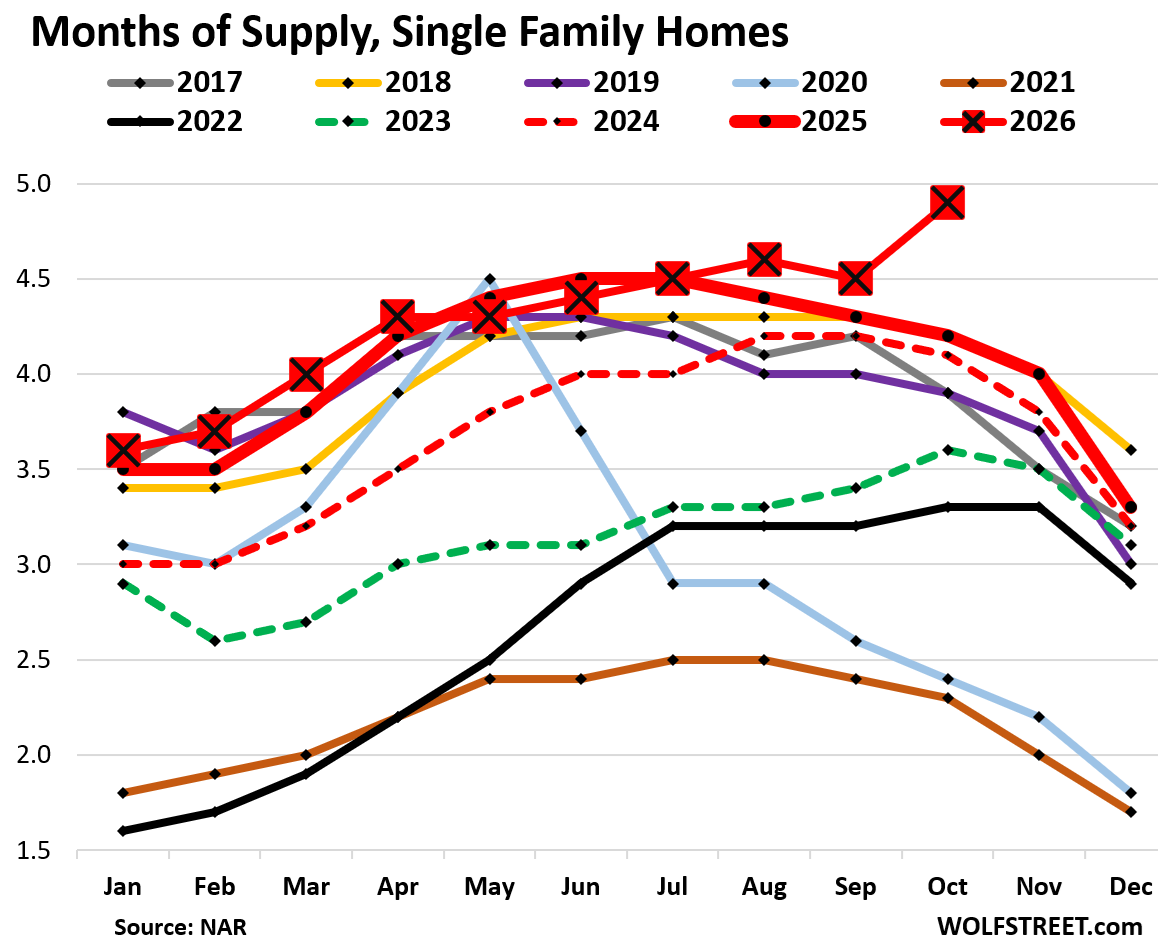
The rising inventory of unsold homes is acting as a catalyst for market uncertainty. For single-family homes, the supply reached 4.9 months in October, the highest level for that month since 2014. This metric, which measures how long it would take to exhaust current inventory at the current sales pace, has been climbing steadily since 2021.
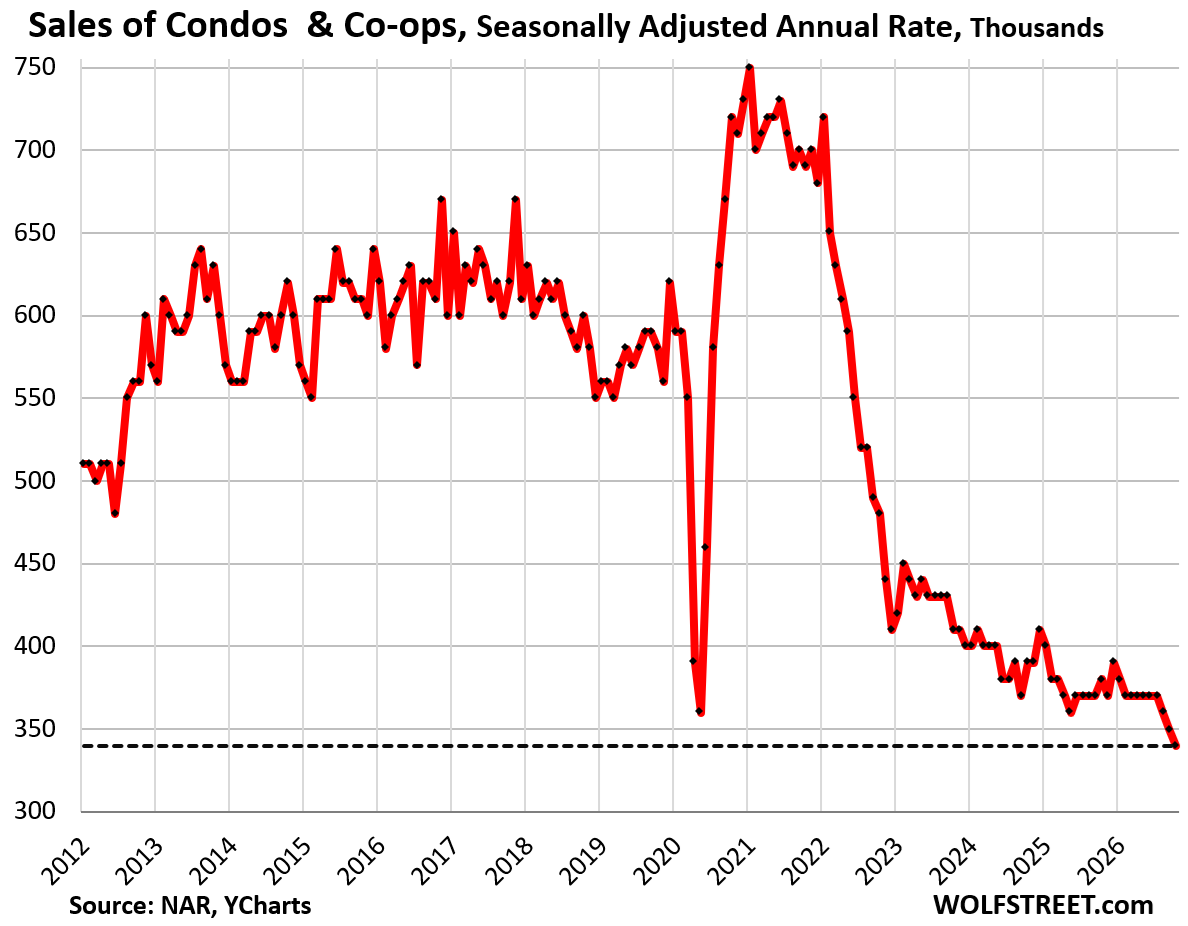
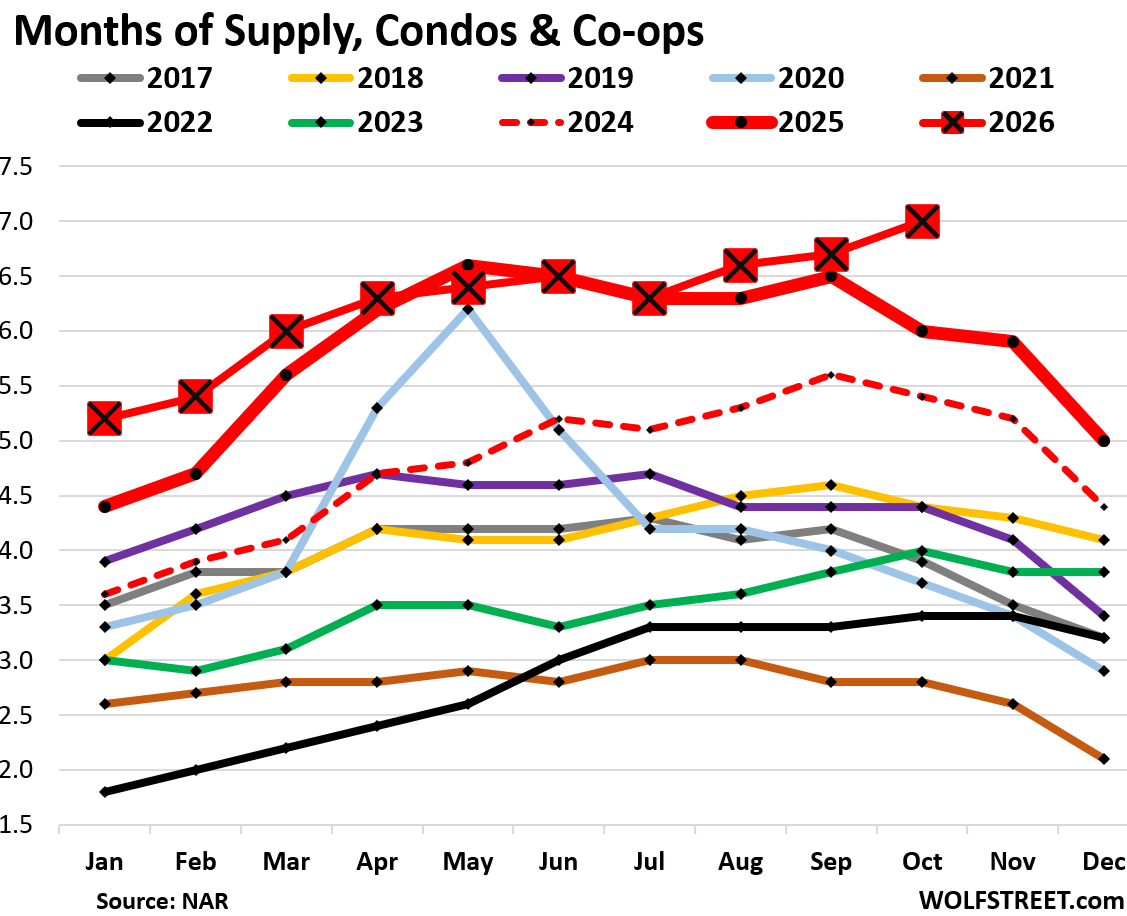
The condo and co-op market is facing even greater headwinds. Sales in this segment dropped 10.5% year-over-year to an annual rate of 340,000, setting a record low since data began in 2011. The inventory of condos has surged to 7.0 months, a level not seen in over a decade. This buildup of supply suggests that while some sellers remain anchored to historical price expectations, the buyer pool has largely evaporated, leading to a growing mismatch between listing prices and market reality.
The Roots of the Affordability Crisis
The current malaise in the housing market is rooted in the explosive price appreciation that occurred between mid-2020 and mid-2022. During this two-year window, national median home prices surged by approximately 40%. This period of "easy money," facilitated by the Federal Reserve’s massive intervention in the mortgage-backed securities market and suppressed interest rates, allowed prices to decouple from wage growth.
While mortgage rates, currently hovering between 6.6% and 7.4%, are not high by a 50-year historical standard, they are devastating when applied to the inflated price points established during the pandemic. The fundamental disconnect is clear: income levels have not kept pace with the combined burden of high home valuations and current borrowing costs. While average hourly earnings have risen by 18% since October 2022—outpacing the 9.7% increase in home prices over the same period—the damage to affordability remains embedded in the market.
Market Divergence and Localized Trends
A granular analysis reveals that the "national median price" often obscures the volatility found in local markets. While the national median price for a single-family home held relatively steady at $421,900 in October, specific cities are seeing drastic corrections.

In markets like Austin and Oakland, prices have seen double-digit percentage drops from their peaks, providing some relief to prospective buyers. Conversely, other major metropolitan areas continue to report new price highs, further exacerbating the affordability gap. This divergence suggests that the housing market is undergoing a painful "reset" that is playing out at different speeds depending on the economic health and migration patterns of individual cities.
Macroeconomic Factors and Federal Policy
The outlook for the housing market remains tethered to the broader macroeconomic environment, specifically the path of inflation and Treasury yields. The recent volatility in the 10-year Treasury yield—spurred by inflationary pressures—has already placed upward pressure on mortgage rates. As long as inflation remains persistent in core services, the expectation for a swift return to lower mortgage rates remains muted.
The Federal Reserve’s role in this transition cannot be overstated. By withdrawing from the mortgage-backed securities market and raising the federal funds rate to combat inflation, the central bank has effectively ended the era of sub-3% mortgage rates. The market is now in a period of price discovery, where buyers and sellers are attempting to find a new equilibrium in a high-interest-rate environment.
Implications for the Future
The current housing cycle poses significant risks to the broader economy. Real estate transactions are a major driver of consumer spending, moving-related services, and residential construction. A sustained period of low sales volumes impacts tax revenues for municipalities and limits the mobility of the labor force.
Furthermore, the growth of vacant housing stock in certain regions indicates that the market is struggling to absorb existing inventory. If this trend continues, it may lead to a more pronounced correction in home prices, particularly in areas that saw the most aggressive speculation during the 2020-2022 boom.
Industry analysts suggest that for the market to regain momentum, one of three things must occur: a significant reduction in mortgage rates, a meaningful correction in home prices to align with current wage levels, or a substantial increase in household income. Given current economic indicators, none of these adjustments appear imminent.
As we look toward the remainder of the year and into the next, the market remains in a state of suspended animation. Sellers who are not under financial duress are choosing to stay on the sidelines rather than list at lower prices, while buyers are remaining cautious in the face of affordability hurdles. This stalemate is expected to persist until the gap between buyer capability and seller expectation narrows, a process that is historically slow and often painful for all market participants. The housing market is not just facing a cyclical downturn; it is undergoing a structural transition as it adjusts to a new, higher-interest-rate reality that is fundamentally altering the dream of homeownership for a new generation of buyers.
Related posts: