Some Thoughts on Spending: Reevaluating Financial Independence and the Mechanics of Wealth


The contemporary conversation surrounding Financial Independence (FI) has reached an inflection point, as a growing demographic of long-term savers faces the psychological and logistical challenges of transitioning from the accumulation phase to the consumption phase. Historically, the movement has been defined by extreme frugality and delayed gratification, strategies essential for building a portfolio capable of sustaining a lifestyle without active employment. However, financial experts and long-term practitioners are increasingly documenting a phenomenon where the habits required to achieve independence become a barrier to enjoying the resulting freedom. This shift in discourse highlights a fundamental tension between the discipline of wealth creation and the ultimate objective of financial liberty.
The Evolution of the FI Movement
The Financial Independence, Retire Early (FIRE) movement gained significant traction following the 2008 global financial crisis. It emerged as a reaction to economic instability, emphasizing the necessity of self-reliance through low-cost index fund investing and aggressive savings rates. Throughout the 2010s, the movement focused heavily on the "accumulation phase"—a period characterized by extreme cost-cutting, often referred to as the "deprivation" model by its critics.
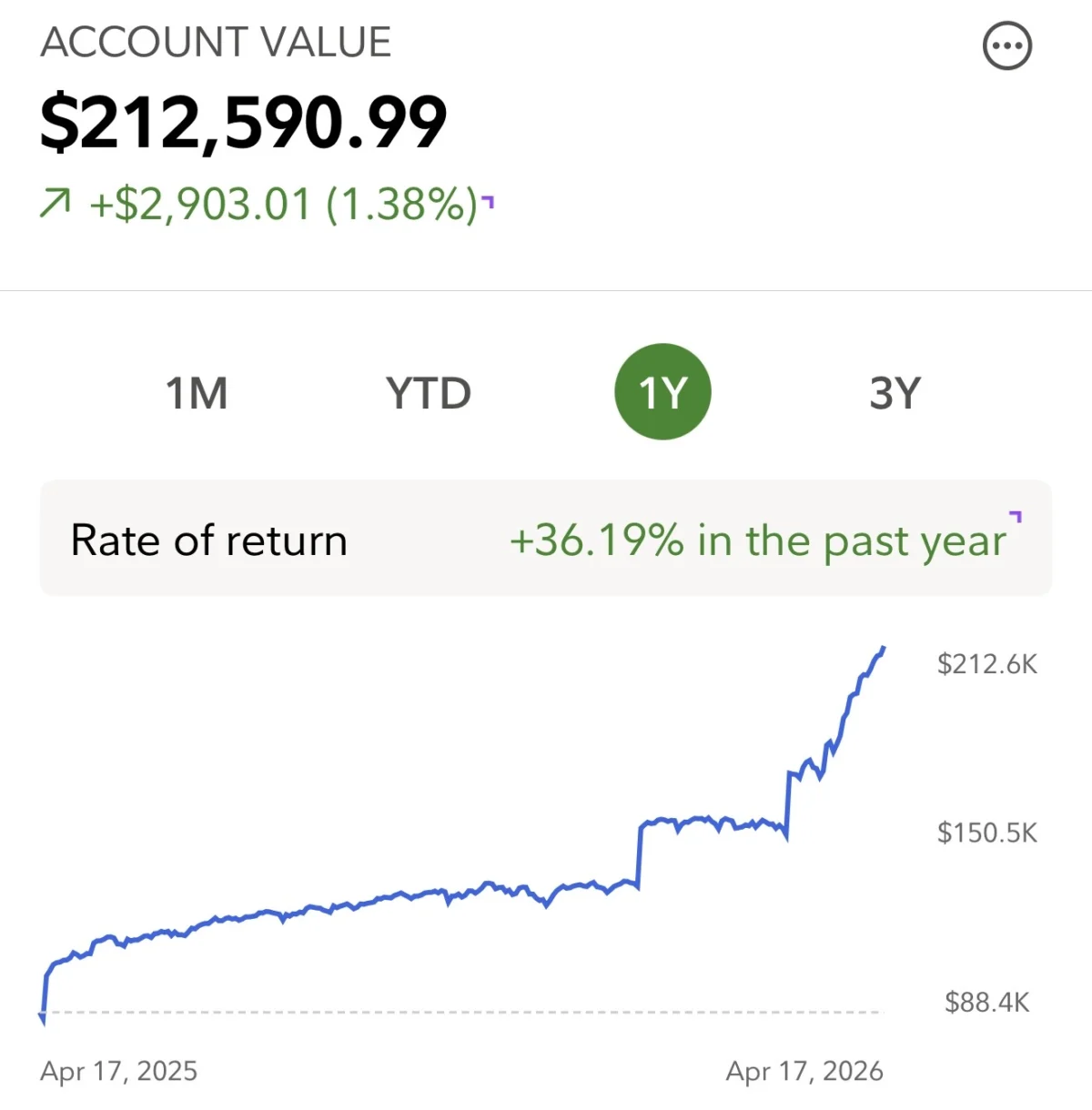
Data from recent surveys conducted by financial literacy organizations suggests that the average participant in the FI movement maintains a savings rate of 40% to 70% of their annual income. While this velocity of capital accumulation is highly effective for building net worth, behavioral economists note that it creates deep-seated psychological patterns. Once an individual spends a decade or more viewing spending as a moral failure or a threat to their long-term goal, the ability to switch to a "spending mindset" upon reaching their target number often remains elusive. This phenomenon, sometimes called "The Accumulator’s Paradox," results in retirees who have ample assets but struggle to draw them down, fearing the depletion of their principal.
Redefining the Mechanics of Spending
A central argument within current financial discourse is the reframing of spending itself. Rather than viewing money as a resource to be hoarded, proponents of this new perspective advocate for the "Arkad Model"—named after the legendary protagonist of George S. Clason’s 1926 classic, The Richest Man in Babylon. In this framework, wealth is not merely the absence of spending, but the cultivation of assets that generate passive income sufficient to cover all expenditures.
Under this model, the concept of "free" purchases emerges. Once a portfolio reaches a critical mass—often cited as the "4% Rule," which suggests a withdrawal rate that is historically sustainable—the dividends and interest generated by the assets effectively subsidize the spender’s lifestyle. When the portfolio’s growth consistently outpaces the annual withdrawal, the money spent is no longer a reduction of one’s lifetime wealth, but a reallocation of surplus yield. This shift in perspective is critical for moving beyond the fear of consumption.
The Psychology of Consumer Choice and Utility
The relationship between consumption and personal satisfaction remains a subject of intense scrutiny. Economic studies, such as the famous Easterlin Paradox, suggest that while increased income correlates with higher life satisfaction up to a point—usually the threshold where basic needs and security are met—the marginal utility of luxury goods often declines rapidly.
In recent industry interviews, financial planners have noted a significant trend: high-net-worth individuals within the FI community are increasingly rejecting "feature-rich" consumer goods. This is particularly evident in the automotive and home technology sectors, where complex, data-harvesting interfaces are viewed as burdens rather than benefits. The rejection of these features represents a departure from traditional status-based consumption. Instead, the focus has shifted toward "functional luxury"—spending on items that reduce friction in daily life, such as premium travel experiences or time-saving services, rather than items that merely signal wealth.

The "Enough" Threshold and Economic Stability
Determining the point of "Enough" is the most complex hurdle for those pursuing financial independence. Actuarial analysis indicates that the fear of "running out of money" is often irrational among those who have successfully reached the FI milestone, yet it persists due to the volatility of global markets.
From a macroeconomic perspective, the behavior of the FI community stands in stark contrast to the broader national trajectory. While the U.S. federal government faces a national debt exceeding $34 trillion, with interest payments becoming a major component of the annual budget, the individual investor who achieves FI is characterized by the elimination of debt-based consumption. By achieving a state where assets cover liabilities, the individual effectively insulates themselves from the systemic risks that plague debt-dependent households.
The Role of Work and Purpose
A frequent misconception regarding financial independence is that it necessitates the cessation of all labor. Recent data suggests that the majority of those who reach FI do not retire in the traditional sense. Instead, they transition into "elective work." This shift aligns with evolutionary psychological findings that humans are generally better suited for purposeful activity than for total inactivity.
The rise of AI and automation in the workforce has sparked new debates regarding the utility of human labor. For the FI participant, the ability to engage in work that is personally fulfilling, rather than financially necessary, represents the ultimate utility of their accumulated wealth. Whether this involves philanthropic endeavors, creative pursuits, or professional projects that do not prioritize profitability, the independence achieved through smart investing provides a unique, risk-free platform for such activities.
Implications for the Future of Financial Planning
The trajectory of the FI movement suggests a broader cultural shift in how society views retirement. As longevity increases and the traditional pension-based retirement model continues to erode, the "simple path" to wealth—investing in low-cost, broad-market assets—is being adopted by a wider, more diverse audience.
However, the next phase of this movement will likely focus on "spending intelligence." Financial advisors are beginning to shift their focus from helping clients build wealth to helping them build a "withdrawal strategy" that maximizes quality of life. This involves addressing the mental barriers that prevent people from enjoying the resources they have built.
In conclusion, the goal of financial independence is not the accumulation of a specific number in a bank account, but the acquisition of autonomy. When that autonomy is reached, the challenge shifts from how to save, to how to live. By understanding that assets can provide a self-sustaining income stream, and by prioritizing spending on experiences that offer genuine utility rather than status, individuals can move past the constraints of the accumulation phase. The ultimate goal remains a life governed by choice—the freedom to work, the freedom to give, and the freedom to spend in ways that reflect personal values rather than societal pressures. As the movement matures, the focus on "enough" will continue to serve as the guiding principle for those seeking to balance the discipline of the past with the freedom of the future.
Related posts: