Strategic Wealth Transfer Navigating Gift Tax Limits and Custodial Account Funding During Market Volatility

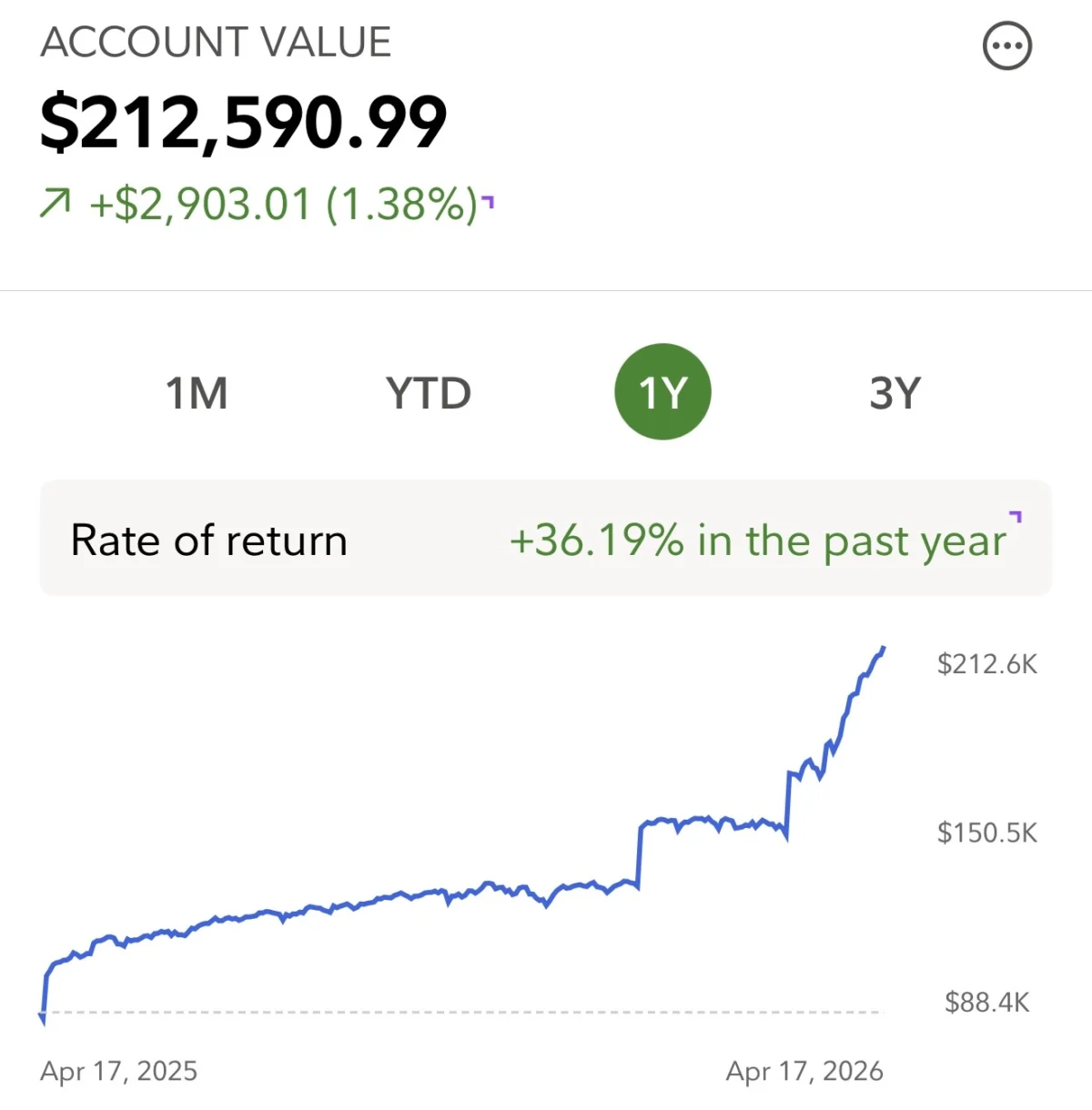
The intersection of market volatility and generational wealth planning has prompted a strategic shift among proactive investors who view portfolio downturns not merely as financial setbacks, but as optimal windows for aggressive capital transfers. As global markets navigate geopolitical instability and inflationary pressures, a growing number of high-net-worth parents are choosing to exceed the Internal Revenue Service (IRS) annual gift tax exclusion limits to fund their children’s custodial accounts. By intentionally triggering the requirement to file IRS Form 709, these investors are leveraging current depressed asset prices to maximize long-term compounding, a move that challenges traditional tax-efficiency dogmas in favor of aggressive wealth positioning for the next generation.
The Regulatory Framework of Gift Tax Exclusions
To understand the implications of exceeding federal gift limits, one must distinguish between the annual exclusion and the lifetime estate and gift tax exemption. For the 2026 tax year, the IRS has set the annual gift tax exclusion at $19,000 per recipient. This figure, which typically adjusts by increments of $500 to $1,000 to account for inflation, represents the maximum amount an individual can transfer to another person within a calendar year without the requirement to report the transaction to the federal government.
However, a common misconception among the public is that exceeding this $19,000 threshold results in an immediate tax liability. In reality, the US tax code utilizes a unified credit system. When a donor exceeds the annual limit, the "overage" is simply deducted from their lifetime gift and estate tax exemption. As of 2026, this lifetime limit stands at approximately $15 million per individual, up from $13.99 million in 2025. For married couples, this allows for the shielding of up to $30 million from federal estate and gift taxes. Consequently, for the vast majority of American households, exceeding the annual limit is an accounting exercise rather than a direct financial cost.
The Strategy of Front-Loading During Market Corrections
The rationale behind contributing sums such as $30,000 or more per child during a market "crunch" is rooted in the mathematics of recovery and compounding. When equity prices are depressed, each dollar contributed purchases a larger number of shares in index funds or individual equities. Within the context of a custodial account—such as a Uniform Gifts to Minors Act (UGMA) or Uniform Transfers to Minors Act (UTMA) account—these assets have a multi-decade horizon to recover and grow.
From a percentage-based perspective, a $30,000 contribution to a child’s account with a $135,000 balance represents a nearly 22% increase in principal. Financial analysts note that this "front-loading" of capital during a downturn can significantly alter the trajectory of a minor’s net worth. By the time the market recovers, the child’s portfolio benefits from a larger base of shares, effectively "buying the dip" on behalf of a minor who cannot yet participate in the markets themselves.

Filing Requirements and the Role of Form 709
When an individual’s total gifts to a single recipient exceed the $19,000 annual limit, they are legally required to file IRS Form 709, the United States Gift and Generation-Skipping Transfer Tax Return. This form must be submitted by April 15 of the year following the gift. The primary purpose of Form 709 is not to generate tax revenue in the immediate term, but to allow the IRS to track the donor’s exhaustion of their lifetime exemption.
Financial professionals highlight several key aspects of this filing:
- The Statute of Limitations: Filing Form 709 triggers a three-year statute of limitations. Once this period passes, the IRS generally cannot challenge the valuation of the gift. Failing to file leaves the window open indefinitely, which can create significant legal and administrative hurdles for estate executors decades later.
- Gift Splitting: Married couples have the option to "split" gifts. Even if only one spouse provides the funds, they can elect to treat the gift as being made half by each. This effectively doubles the annual exclusion to $38,000 per recipient before a gift tax return is required, though the election itself must be noted on a tax return.
- Penalty Structure: The penalties for failing to file Form 709 are tied to the amount of tax owed. Because most donors have not exhausted their $15 million lifetime exemption, the actual gift tax owed is zero. Therefore, a penalty calculated as a percentage of "zero" remains zero. Despite this, tax attorneys advise strict compliance to ensure a clear paper trail for future estate settlement.
Modeling the Path to a $500,000 Foundation
A central component of aggressive custodial investing is the establishment of a clear "target" figure. Many wealth managers suggest a goal of $500,000 by the time a child graduates from university, typically around age 23. This amount is widely considered a "meaningful foundation"—large enough to provide significant life optionality, such as starting a business or purchasing a first home, but not so large as to discourage personal ambition or labor.
The compounding math for such a target is revealing. If a child has $135,000 in a custodial account by age 9, achieving a $500,000 goal by age 23 requires a relatively modest annual contribution if market returns remain consistent. Assuming a 7% average annual return—which is conservative compared to the S&P 500’s historical 10% average—a parent would only need to contribute approximately $9,400 per year for an older child and $6,700 for a younger child with a longer runway.
By contributing $30,000 in a single year during a market low, a parent effectively "buys" several years of future contributions at a discount. This strategy mitigates the risk of future market rallies making it more expensive to reach the $500,000 target later in the child’s life.
Economic Context: AI and the Future of Labor
The push for aggressive generational wealth transfer is increasingly influenced by a pessimistic outlook on the future of the traditional labor market. The rapid advancement of Artificial Intelligence (AI) is projected to disrupt a vast majority of "knowledge worker" roles, potentially leading to wage stagnation or structural unemployment in sectors that were previously considered secure.

Furthermore, the "relentless rise" of inflation in essential goods and services—most notably housing and education—suggests that the cost of achieving a middle-class lifestyle will be significantly higher for the next generation. In this context, custodial accounts serve as a hedge against an uncertain economic future. Proponents of this strategy argue that failing to invest aggressively today, while capital is available and market entry points are favorable, would be a disservice to children who will face a more competitive and expensive world in the 2040s and beyond.
Broader Implications for Estate Planning
The decision to exceed gift tax limits also reflects a broader "decumulation" strategy for those pursuing Financial Independence, Retire Early (FIRE) goals. For individuals whose net worth is projected to continue growing throughout retirement, gifting assets early can be more tax-efficient than leaving a massive estate.
Transferring wealth while the donor is still alive allows the assets to grow in the beneficiary’s name, potentially at a lower tax bracket for capital gains (depending on "kiddie tax" rules). It also reduces the size of the donor’s taxable estate, which is particularly relevant given the potential for future legislative changes. The current high lifetime exemptions are set to "sunset" or expire at the end of 2025 unless Congress acts to extend them. If the exemption limits drop significantly in 2026 or 2027, gifts made today under the current $15 million threshold will likely be "grandfathered" in, protecting the wealth from higher future estate tax rates.
Conclusion
The act of contributing more than the annual gift tax exclusion is a calculated defiance of short-term market anxiety. It represents a transition from passive observation of market "bleeding" to active participation in long-term wealth building. While the paperwork of Form 709 may seem a deterrent, the administrative burden is negligible compared to the potential for decades of tax-advantaged compounding. As the economic landscape shifts toward an AI-driven future with higher barriers to entry for young adults, the strategic front-loading of custodial accounts is emerging as a critical tool for parents aiming to provide their children with a durable financial safety net. By prioritizing the "two timelines" of immediate investment and future security, investors are ensuring that market volatility serves as a catalyst for, rather than a hindrance to, generational prosperity.