In the spring of 2021, as the global economy began to emerge from the initial shock of the pandemic, a significant debate emerged regarding the rapid appreciation of residential real estate prices. While many analysts drew parallels to the speculative frenzy of the mid-2000s, empirical evidence suggested that the mechanics of the market had shifted fundamentally. Since that time, the Case-Shiller National Home Price Index has recorded an additional 33% increase, cementing a total decade-long appreciation exceeding 55%. Despite this meteoric rise in valuations, the market has defied the traditional trajectory of a speculative bubble, revealing instead a structural transformation driven by supply constraints, demographic shifts, and interest rate sensitivity.
A Chronology of Market Valuation
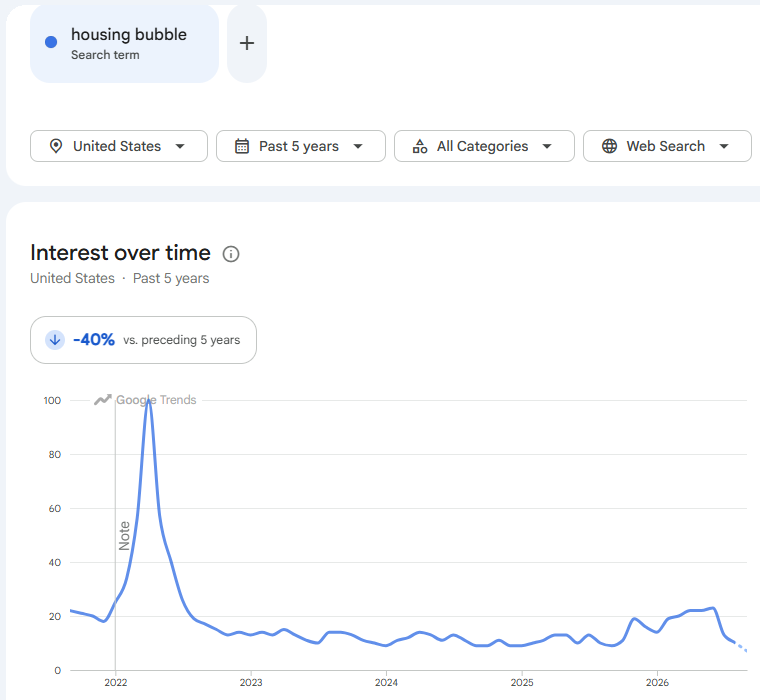
The housing market of the early 2020s was defined by an unprecedented surge in demand, catalyzed by record-low mortgage rates and a collective reassessment of living spaces. In 2020, as remote work became a permanent fixture for millions, the velocity of home purchases accelerated. By the first quarter of 2021, the Case-Shiller Index had already climbed 16% over the preceding year. Critics of the market at the time frequently cited historical cyclicality, warning that such rapid price discovery typically precedes a catastrophic correction.
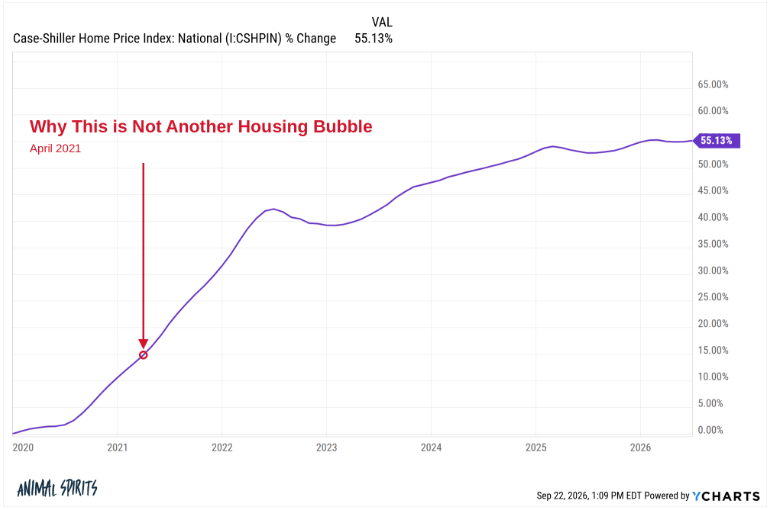
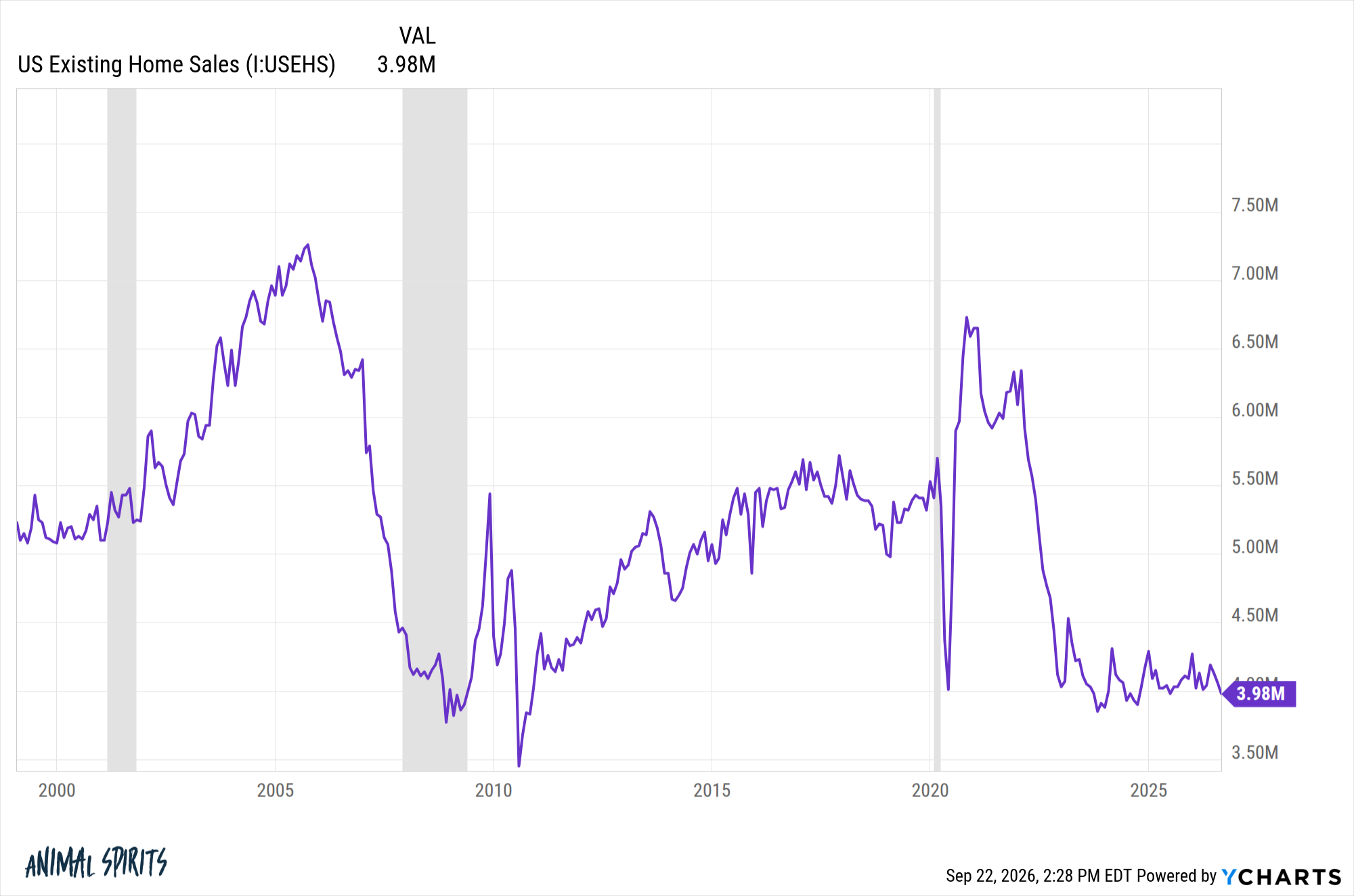
However, the ensuing years did not yield the collapse many predicted. Instead, the market entered a period of stagnation in activity—a "housing recession"—characterized by historically low transaction volumes. While prices remained elevated, the frenetic churn of property sales experienced in 2021 cooled significantly as the Federal Reserve’s interest rate policy took hold. By 2026, existing home sales remained at levels comparable to the 2008 financial crisis, not because of a lack of value, but because of a lack of inventory and the "lock-in effect" created by homeowners holding low-interest-rate mortgages.
The Structural Differences from 2008
The primary factor distinguishing the current cycle from the 2008 housing bubble is the composition of the lending market and the nature of construction. The mid-2000s crisis was fueled by a glut of new builds and the proliferation of subprime lending, which introduced systemic risk into the global financial architecture.
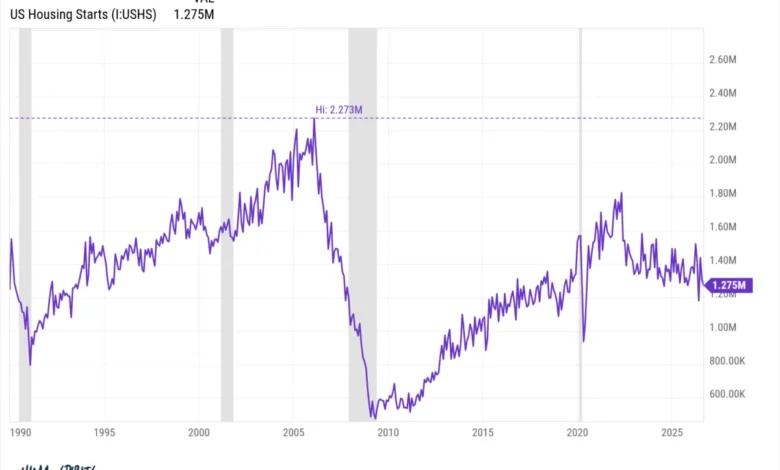
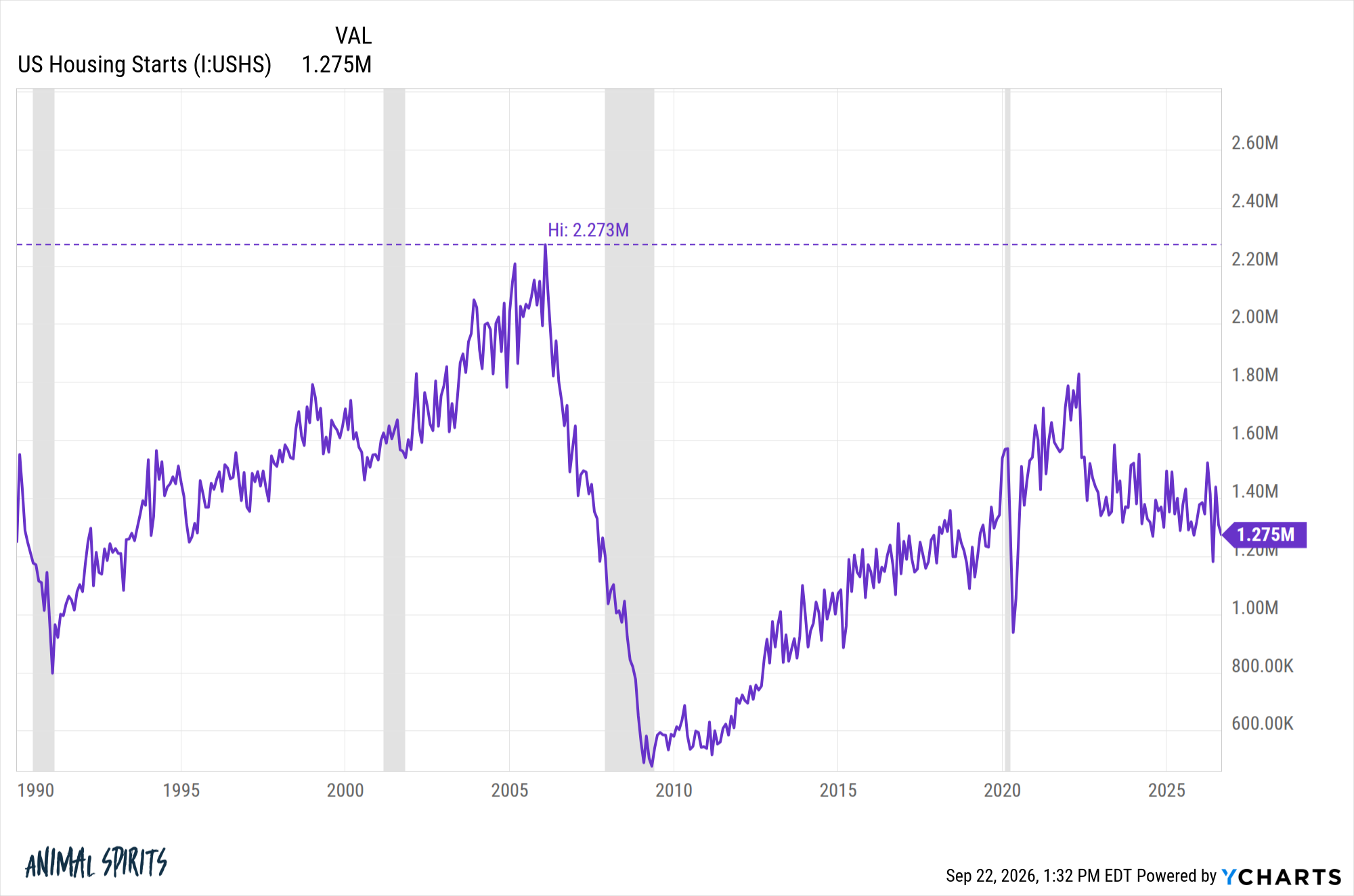
In contrast, the 2020s market was defined by chronic under-building. Even as prices rose, U.S. housing starts never reached the unsustainable levels seen during the pre-2008 boom. With the U.S. population having grown by over 40 million people since the previous cycle, the demand for housing fundamentally outstripped the rate of new construction. This created a supply-side floor that has prevented a significant decline in valuations, even as borrowing costs for prospective buyers tripled.
Furthermore, the financial profile of the average homeowner has evolved. Data indicates that approximately 40% of all U.S. homeowners currently hold their properties free and clear of any mortgage debt. This represents a significant departure from the highly leveraged landscape of the early 2000s, where home equity was frequently extracted to fund consumption. Today, household balance sheets in the housing sector are more resilient, providing a substantial buffer against potential economic downturns.
The Impact of Interest Rate Volatility
The transition from a 3% mortgage rate environment to a 6% environment acted as a definitive circuit breaker for the real estate market. During the 2021 window, many investors and individual buyers entered the market with the expectation that debt service costs would remain manageable. When the Federal Reserve initiated its campaign to combat 40-year-high inflation, the cost of capital adjusted rapidly.
This shift effectively ended the era of speculative house-flipping that characterized previous bubbles. Without the availability of cheap credit, the "get-rich-quick" schemes—such as those popularized by home renovation media in the mid-2000s—became mathematically unviable. Investors who had intended to build expansive rental portfolios found their business models disrupted by the surge in financing costs, leading to a stabilization of investor activity and a return to a more sober, end-user-dominated market.
Demographic Drivers and Household Stability
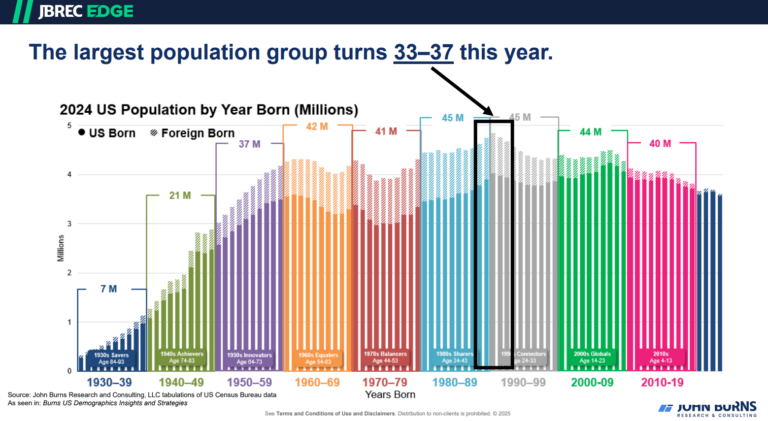
Demographics have played a crucial role in maintaining price stability. The largest cohort of the American population currently falls within the 33-37 age bracket, the peak demographic for first-time home buying and family formation. This demographic pressure ensures that demand remains persistent, regardless of the interest rate environment.
Because many homeowners locked in historically low interest rates before the onset of the inflationary period, they have little incentive to sell. This reluctance to relinquish a low-cost, long-term asset has constrained supply, creating a stalemate in the market. Consequently, the housing market has shifted from a volume-driven model to a value-driven one, where prices remain anchored by a lack of available alternatives for potential sellers.
Analysis: Price Appreciation Versus Speculative Bubbles
Economic theory distinguishes between a rise in prices driven by supply-demand imbalances and a "bubble" driven by irrational exuberance. The evidence suggests the recent housing surge falls into the former category. There was no systemic failure in lending standards comparable to the era of "no-doc" loans. There was no excessive construction boom creating an inventory glut.
Instead, the market experienced an "abnormal surge" in value due to a convergence of factors: a massive demographic wave entering the market, a global supply chain disruption that hindered new construction, and a shift in labor preferences toward larger, more versatile home environments.
Broader Economic Implications
The result of this cycle is a significant increase in aggregate home equity. While this is a positive development for household balance sheets, it creates a new set of challenges for the broader economy. First-time buyers are facing a profound affordability crisis, as the lack of inventory prevents prices from correcting downward. This has effectively widened the wealth gap between existing property owners and those attempting to enter the market.
Additionally, the "housing recession" in activity has dampened the velocity of the real estate sector, affecting related industries such as construction, home improvement, and financial services. The fact that the market has not crashed is, in itself, a testament to the structural changes in how the American housing market is financed.
Conclusion
The housing market of the last five years has proven to be an outlier in modern economic history. It defied the traditional boom-bust cycle by avoiding the speculative excesses that usually characterize such rapid appreciation. While the lack of affordable inventory remains a critical policy concern, the market has demonstrated a level of fundamental stability that prevents the "crash" scenarios that many analysts feared. The current environment—defined by high equity, low turnover, and a demographic surge—suggests that the housing sector will continue to function under a new set of rules, where price volatility is moderated by the long-term, non-speculative nature of the average homeowner’s position. For future market observers, the 2021-2026 period will likely be studied not as a bubble, but as a period of profound, structural re-equilibration.