Gold Prices Tumble into Sharp Correction Amidst Shifting Macroeconomic Winds and Regulatory Scrutiny

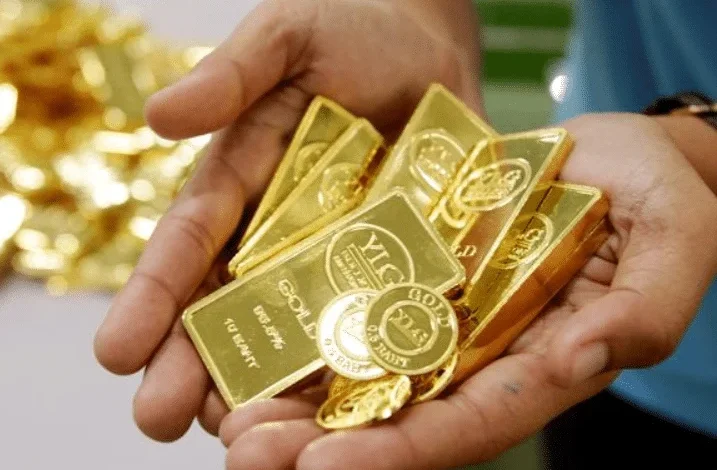
Gold prices have entered a pronounced correction phase, a significant shift from the robust rally observed earlier in January. This sharp decline is attributed to a confluence of factors, including evolving macroeconomic expectations, forced deleveraging across markets, and decisive regulatory interventions in key financial centers. While initial shifts in U.S. monetary policy outlook provided the catalyst, the depth of this market movement underscores the underlying fragility of previous bullish positioning.
The selection of Kevin Warsh as the potential next Federal Reserve Chair has significantly recalibrated market sentiment, assuaging fears of an imminent period of aggressive monetary easing. Investors are now increasingly anticipating a tightening of financial conditions, a prospect that, coupled with a rise in U.S. producer inflation, has bolstered the U.S. dollar and real yields. This dual pressure of a stronger dollar and higher real yields, which increases the opportunity cost of holding non-yielding assets like gold, has exerted considerable downward pressure on the precious metal in the short term.
Compounding these fundamental shifts, the price drop was exacerbated by systematic selling. Technical indicators reveal that momentum indicators had been deeply overbought in the preceding weeks, leaving the market exceptionally vulnerable to a rapid liquidation event once key price levels were breached. This algorithmic and momentum-driven selling amplified the downward pressure, creating a cascade effect that propelled prices lower.
Regulatory Interventions and Volatility in Asian Markets
Developments in China have starkly illustrated the extent of this market volatility and the concerns of regulators. Major Chinese financial institutions, including the Industrial and Commercial Bank of China (ICBC), Bank of China, and China Construction Bank, issued public warnings to precious metals investors. These institutions collectively characterized the markets as "technically fragile" and urged extreme caution.
In response to these observations, the Shanghai Gold Exchange implemented significant changes to its margin requirements and price limits. These adjustments were designed to curb speculative excesses, making it more difficult for traders to engage in aggressive leveraged positions. The swift and decisive actions by Chinese authorities underscore a growing concern within the government that recent price movements in gold were disproportionately driven by speculative leverage and sentiment rather than by sustainable, end-user demand. This intervention highlights a broader effort by Chinese regulators to maintain financial stability and prevent speculative bubbles in commodity markets.
Stress Ripples Through Retail Investor Behavior
The global slump in gold prices has also triggered stress among retail investors, particularly in smaller, more sensitive markets. Reports from Kyrgyzstan indicate a surge in residents rushing to sell certified gold bars to the state-owned Kyrgyzaltyn company following the international price decline. This behavior exemplifies how rapidly market sentiment can shift from accumulation and hoarding to a focus on capital preservation in the face of significant price shocks, especially in economies where gold often serves as a crucial store of value. This anecdotal evidence from Kyrgyzstan provides a micro-level illustration of the broader market’s reaction to the gold price correction.
Underlying Support Structures for Gold Remain Intact
Despite the sharp correction, the fundamental pillars supporting gold as an asset class remain robust. Central banks globally continue to be significant buyers of gold, actively diversifying their foreign exchange reserves. This sustained demand from official institutions provides a structural floor for gold prices, offering a degree of resilience against short-term volatility. Data from the World Gold Council consistently shows net purchases by central banks, a trend that has been in place for several years, reflecting a strategic shift in reserve management. For instance, net central bank purchases in the third quarter of 2023 reached 106 tonnes, contributing to a substantial increase in global official gold holdings throughout the year.
Furthermore, geopolitical tensions, particularly between the United States and Iran, continue to be a significant underlying factor supporting safe-haven demand for gold. While diplomatic rhetoric may fluctuate in the short term, the persistent underlying geopolitical risks ensure that gold’s role as a refuge during times of uncertainty remains relevant. This factor, though less pronounced in driving the recent correction, is crucial for understanding gold’s long-term appeal.
Technical Analysis and Future Price Outlook
From a technical perspective, the gold price chart presents a concerning picture. The precious metal has fallen below the significant 200-period moving average on the 4-hour chart, a level near $4,600, marking the first breach of this key indicator since November 2025. This technical breach signals a potential shift towards a sustained downtrend, with the possibility of further price depreciation.
However, the Relative Strength Index (RSI) has entered oversold territory, suggesting that the market may be due for a period of consolidation or a minor pullback before any further significant downside movements. This technical divergence between the price action and the RSI could indicate a temporary respite for gold prices.
Looking ahead, the gold price could initially test the 100-period moving average, situated around $4,835, before potentially challenging the psychological mark of $5,000. Further upward resistance might be encountered at the 20-period moving average, currently positioned at $5,250. Conversely, if current selling pressure persists, gold could break below today’s lows of $4,400. Such a move could lead to the filling of a price gap observed at $4,330, with further downside potentially testing the significant psychological support level of $4,000.
Analysis of Implications
The current correction in gold prices represents a necessary recalibration rather than a definitive trend reversal. The rapid ascent in early January, driven largely by speculative fervor and perhaps an overestimation of imminent monetary easing, created an unsustainable market environment. This correction, while painful for recent buyers, serves to cleanse the market of excessive leverage and irrational exuberance, paving the way for a more grounded price discovery process.
For gold to resume its upward trajectory in the near term, a significant re-emergence of macroeconomic stress or a clear and sustained pivot in global monetary conditions would likely be required. A sudden escalation of geopolitical conflicts or a more pronounced slowdown in global economic growth could reignite safe-haven demand. Alternatively, a dovish shift from major central banks, contrary to current expectations, would also provide a tailwind for gold.
The interventions by Chinese authorities highlight a growing trend of regulatory oversight in major commodity markets, aimed at mitigating systemic risks associated with excessive speculation. This proactive approach could lead to more stable, albeit potentially less volatile, price movements in the future. The resilience of gold’s long-term appeal, supported by central bank diversification and geopolitical uncertainty, suggests that the current correction is likely a pause rather than an end to its role as a key asset in global investment portfolios. Investors will be closely monitoring U.S. inflation data, central bank policy statements, and geopolitical developments for signals of the next significant move in gold prices. The ability of gold to hold above critical support levels in the coming weeks will be a key determinant of whether this correction is a healthy consolidation or the beginning of a more prolonged downturn.