Gold Prices Enter Sharp Correction Phase Amidst Shifting Macroeconomic Landscape and Regulatory Scrutiny

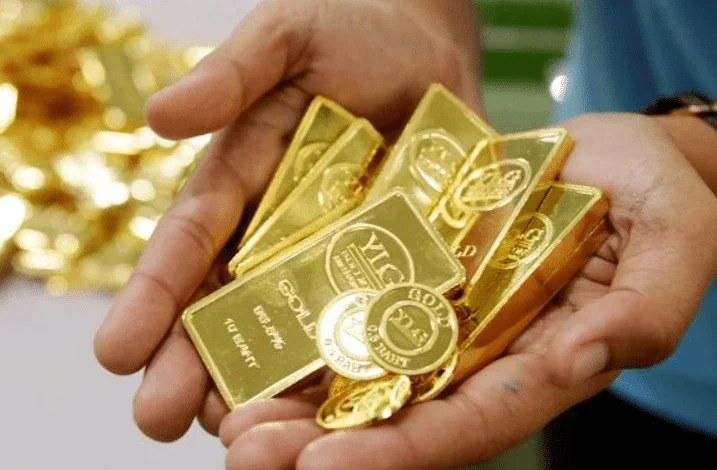
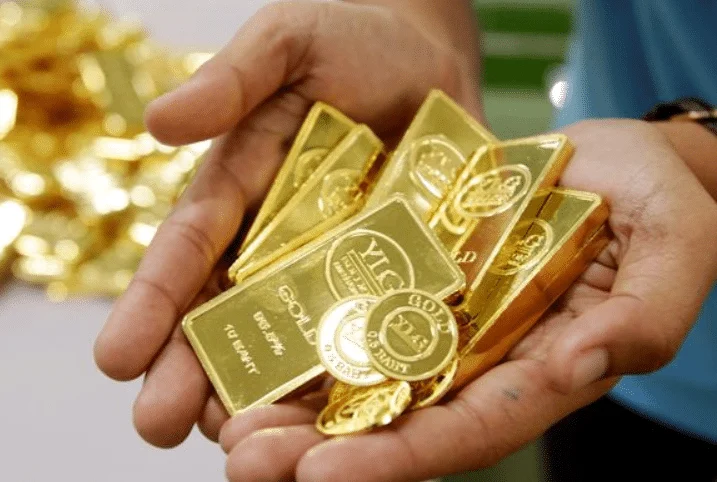
Gold prices are currently undergoing a significant correction, a stark contrast to the robust rally observed earlier in January. This pronounced price drop is attributed to a confluence of macroeconomic shifts, forced deleveraging pressures, and targeted regulatory interventions in key global markets. While initial market movements were triggered by evolving expectations regarding U.S. monetary policy, the depth and speed of this downturn underscore a previously exposed vulnerability in market positioning. The recent volatility highlights the delicate balance of factors influencing the precious metal, from central bank pronouncements to the intricate dynamics of leveraged trading.
The selection of Kevin Warsh as the potential next Federal Reserve Chair has demonstrably cooled expectations of aggressive monetary easing. This development has led many investors to anticipate a tightening of financial conditions, a scenario inherently less favorable for non-yielding assets like gold. Concurrently, an uptick in U.S. producer inflation data has bolstered both the U.S. dollar and real yields. This strengthening of the dollar, in particular, exerts downward pressure on dollar-denominated commodities such as gold, making them more expensive for holders of other currencies. The interplay of these factors has created a short-term headwind for the precious metal.
Adding to the downward pressure, the correction has been exacerbated by systematic selling. Technical indicators reveal that momentum indicators had remained in deeply overbought territory for an extended period prior to the reversal. This prolonged period of exuberance left the market susceptible to rapid liquidation once key price levels were breached, triggering a cascade of sell orders as automated trading systems and risk management protocols kicked in. The speed of this unwinding suggests that a significant portion of the prior rally was built on speculative fervor rather than fundamental demand.
Regulatory Intervention and Market Volatility in China
Developments in China have starkly illustrated the extent of this volatility and the concerns of authorities. Major Chinese financial institutions, including ICBC, Bank of China, and China Construction Bank, issued public warnings to precious metals investors, characterizing the market as "technically fragile" and urging a cautious approach. In direct response to these concerns and the observed market instability, the Shanghai Gold Exchange implemented significant changes to its margin requirements and price limits. These measures were designed to curb aggressive speculation by making it more costly and difficult to maintain highly leveraged positions. The timing and nature of these interventions suggest a government apprehension that recent price fluctuations were driven more by speculative leverage and sentiment rather than sustained end-user demand. This regulatory pushback is a critical factor in understanding the current correction.
The Shanghai Gold Exchange’s actions are particularly noteworthy. Historically, gold markets, especially in China, have seen periods of strong retail demand driven by cultural preferences and as a hedge against economic uncertainty. However, the current environment, marked by rapid price swings and leverage-driven speculation, appears to have prompted a shift in official sentiment. By tightening trading conditions, Chinese authorities are signaling a desire for more orderly markets and are attempting to mitigate systemic risks associated with excessive speculation. This move could have ripple effects across global gold markets, as China is a significant consumer and influencer of precious metal prices.
Retail Stress and Capital Preservation
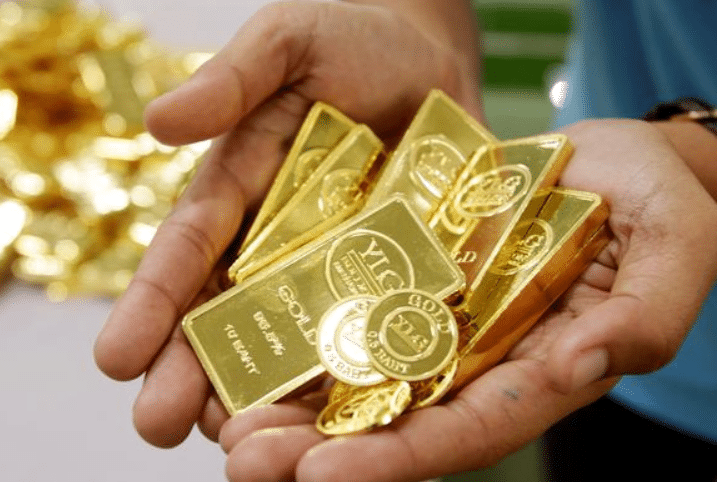
The impact of the global price slump has also manifested among retail investors, particularly in smaller, more sensitive markets. In Kyrgyzstan, residents have reportedly rushed to sell certified gold bars to the state-owned Kyrgyzaltyn company following the international price decline. This observable shift in behavior from hoarding to aggressive capital preservation underscores how rapidly sentiment can change in smaller economies when faced with significant price shocks. Such localized responses, while not dictating global trends, provide anecdotal evidence of the broader investor psychology at play. The urgency to liquidate in Kyrgyzstan suggests a fear of further price erosion and a prioritization of liquidity over potential future gains, especially among individuals who may have less sophisticated risk management strategies.
Enduring Structural Support for Gold
Despite the current correction, the fundamental pillars underpinning gold’s long-term value proposition remain largely intact. Central banks globally continue to demonstrate a sustained appetite for gold, increasing their reserves as a strategy to diversify away from traditional fiat currencies and hedge against geopolitical and economic uncertainties. This persistent institutional demand provides a crucial layer of support for the precious metal. According to the World Gold Council, central bank net purchases of gold have been robust in recent years, with many nations seeking to rebalance their foreign exchange holdings. For instance, countries like Turkey, China, and India have been notable buyers, reflecting a broader trend of de-dollarization and a search for stability.
Furthermore, the geopolitical landscape continues to contribute to safe-haven demand for gold. Lingering tensions between the United States and Iran, even if rhetoric has temporarily subsided, maintain an undercurrent of instability. Such geopolitical flashpoints historically drive investors towards gold as a perceived store of value, offering protection against escalating conflicts and economic disruptions. While the immediate price action may be driven by financial market dynamics, these underlying geopolitical risks provide a persistent, albeit often latent, source of demand for the precious metal.
Technical Analysis and Future Outlook
From a technical perspective, the gold market is currently exhibiting signs of a significant downtrend. The precious metal has broken below the crucial 200-period moving average on the 4-hour chart, a level previously acting as strong support since November 2025. This breach is often interpreted as a signal of a more sustained bearish trend, potentially opening the door for further declines. The Relative Strength Index (RSI) has, however, entered oversold territory, which could indicate a temporary consolidation or a brief pullback before any potential further downside movement.
The immediate price targets for gold suggest further testing of key technical levels. The 100-period moving average, currently situated around $4,600, could serve as an initial area of resistance on any bounce. Beyond that, the psychological mark of $5,000 and subsequently the 20-period moving average at $5,250 represent further upward hurdles. Conversely, on the downside, the breaking of today’s low of $4,400 could lead to the filling of a price gap around $4,330. A more significant breakdown could see gold test the $4,000 psychological level, a substantial decline from recent highs.
The current correction is not necessarily indicative of a long-term trend reversal. Instead, it appears to be a necessary recalibration after a period of rapid, sentiment-driven price appreciation. For gold to resume a swift upward trajectory, a resurgence of broader macroeconomic stress or a discernible pivot in global monetary policy conditions would likely be required. Investors are closely monitoring central bank communications and economic data for signals that could reignite demand for safe-haven assets. The interplay between inflation, interest rates, geopolitical events, and regulatory actions will continue to shape the price discovery process for gold in the coming months. The market’s ability to absorb this correction without triggering a complete collapse in confidence will be a key determinant of its medium-term trajectory.
Broader Economic Implications
The current correction in gold prices has several broader implications for the global economy and financial markets. Firstly, it signals a potential shift in investor risk appetite. A sharp decline in gold, often seen as a safe haven, can coincide with increasing confidence in riskier assets or a perception that immediate threats have receded. This could translate into greater investment in equities and other growth-oriented instruments.
Secondly, the role of leverage in gold markets has been brought into sharp focus. The rapid unwind triggered by technical breaches and regulatory intervention highlights the systemic risks associated with highly leveraged trading in commodity markets. This could lead to increased scrutiny of margin requirements and trading practices across various asset classes.
Thirdly, the diverging economic outlooks between major economies, particularly the U.S. and China, are playing a significant role. The U.S. Federal Reserve’s stance on monetary policy, influenced by domestic inflation and employment data, is a primary driver for dollar strength and bond yields, directly impacting gold. Meanwhile, China’s regulatory actions in its gold market reflect a desire for stability and control, demonstrating the growing influence of Asian markets on global commodity dynamics.
The correction also presents an opportunity for discerning investors. While speculative froth is being squeezed out, the underlying demand drivers for gold – central bank diversification, geopolitical hedging, and a long-term store of value – remain potent. Investors who had piled into gold during the rally may face significant losses, but those with a longer-term perspective might see the current price levels as an attractive entry point, provided the structural supports for gold continue to hold. The coming weeks and months will be critical in determining whether this correction is a temporary pause or the beginning of a more prolonged bearish phase for the precious metal. The market will be closely watching for any renewed escalation of geopolitical tensions or a dovish shift in central bank policy to gauge the potential for gold’s resurgence.