Apple recently initiated a significant trade secrets lawsuit against OpenAI, alleging a systematic campaign by the artificial intelligence firm to solicit and exploit confidential information from current and former Apple employees. This legal action, which prominently names Tang Tan, OpenAI’s chief hardware officer and a former senior executive at Apple, directly threatens OpenAI’s burgeoning plans to enter the hardware market with a mobile smart speaker and casts a shadow over its anticipated initial public offering (IPO). The lawsuit underscores the intensifying competition for talent and intellectual property in the rapidly evolving AI and consumer electronics sectors.
The Genesis of the Allegations
Filed in a California court, Apple’s complaint paints a picture of deliberate misconduct, asserting that OpenAI actively targeted Apple’s workforce to gain access to proprietary trade secrets. According to the lawsuit, over 400 former Apple employees have transitioned to roles at OpenAI, a figure Apple highlights as indicative of a concerted recruitment strategy. Central to Apple’s claims is Tang Tan, who previously held a pivotal role at Apple as Vice President of iPhone and Apple Watch Product Design before joining OpenAI in late 2023 to spearhead its nascent hardware division. Apple contends that Tan, leveraging his intimate knowledge of Apple’s product development cycles, supply chain, and manufacturing processes, is now attempting to replicate or adapt these confidential strategies for OpenAI’s competing hardware ventures.
OpenAI has, for its part, issued a brief statement denying the merits of the complaint. A spokesperson for the company stated, “We are not aware of any evidence that this complaint has merit.” This terse response sets the stage for what could be a protracted and highly publicized legal battle between two of Silicon Valley’s most influential technology giants.
OpenAI’s Hardware Vision: A Screenless Smart Speaker
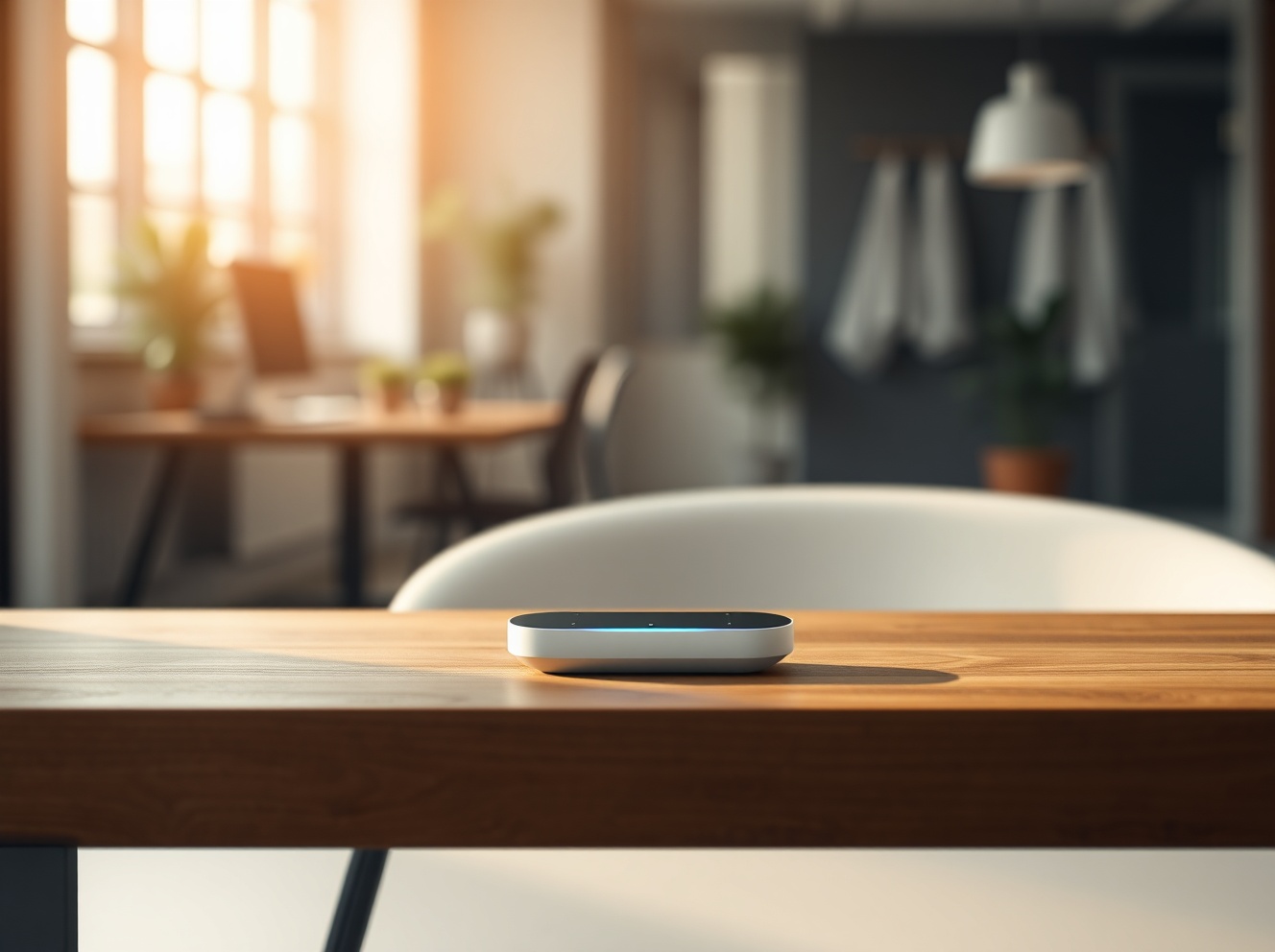
At the heart of OpenAI’s hardware ambitions is a rumored screenless, mobile smart speaker. Reports suggest this device is being developed in collaboration with Jony Ive’s design firm, LoveFrom. Ive, the iconic former chief design officer at Apple, whose creative vision shaped products like the iPhone, iMac, and Apple Watch, brings unparalleled design expertise to the project. The concept of a screenless, voice-first device aligns with the growing trend towards more intuitive and less intrusive interactions with AI. Such a device would likely leverage OpenAI’s advanced large language models (LLMs) to offer a highly sophisticated conversational experience, potentially moving beyond the capabilities of existing smart speakers from Amazon, Google, and Apple itself.
The strategic rationale behind OpenAI’s foray into hardware is multifaceted. While OpenAI has achieved meteoric success with its software platforms like ChatGPT, integrating AI directly into physical products could unlock new revenue streams, expand its user base, and gather invaluable real-world data for further model refinement. Furthermore, controlling both the AI and the hardware ecosystem could give OpenAI a competitive edge, allowing for optimized performance, seamless user experiences, and tighter security protocols. However, building hardware is notoriously complex, capital-intensive, and fraught with supply chain challenges—areas where Apple holds decades of unparalleled expertise.
The Looming IPO and Valuation Risks
OpenAI is reportedly eyeing an initial public offering (IPO) as early as late 2025 or early 2026. The company’s valuation has skyrocketed, with recent secondary share sales reportedly valuing the company at over $80 billion. While much of this valuation is tied to its groundbreaking software business and AI research, a successful entry into the hardware market could significantly enhance its long-term growth narrative and future addressable market. Hardware products often command higher margins, foster ecosystem lock-in, and provide direct channels for consumer interaction, all of which are attractive to potential investors.

However, as discussed on Bitcoin World’s Equity podcast by editors Kirsten Korosec, Sean O’Kane, and Anthony Ha, this lawsuit introduces substantial risk to that narrative. Sean O’Kane articulated this concern, stating, “If they have a big amount of that pegged to a potential hardware division and hardware products, this could be a huge risk to that and changes a lot of the calculus of sort of how the IPO gets priced.” Even without an immediate injunction, the mere existence of a high-profile trade secrets lawsuit could cause significant delays, divert resources, and create investor uncertainty, potentially dampening the enthusiasm and valuation for OpenAI’s public debut. Apple, known for its strategic litigation, is likely aware of these ripple effects. “They don’t do this stuff willy nilly,” O’Kane added, implying a calculated move by Apple to impede a burgeoning competitor.
Legal Precedents and the Battle Ahead
Trade secret lawsuits are common in the technology sector, particularly in Silicon Valley, where talent mobility and intellectual property are fiercely guarded. These cases often hinge on proving that specific, non-public information with economic value was unlawfully acquired and used, and that the defendant took reasonable steps to protect it. Proving such claims can be challenging, often requiring extensive discovery into internal communications, product development processes, and employee onboarding procedures.
OpenAI is no stranger to high-stakes legal battles. The company recently navigated a prominent lawsuit filed by co-founder Elon Musk, who accused OpenAI of abandoning its original non-profit mission. While OpenAI ultimately prevailed in that case, it necessitated the disclosure of internal communications and undoubtedly caused reputational discomfort. Anthony Ha, from the podcast panel, raised a pertinent question about whether OpenAI would seek to avoid a similar ordeal with Apple. Kirsten Korosec, however, predicted the opposite, suggesting, “I fully predict the latter,” implying OpenAI’s readiness to absorb the costs and potential embarrassment of another public trial, perhaps believing in the strength of its defense. This indicates a potentially aggressive stance from OpenAI, unwilling to concede easily to Apple’s pressure.
The Broader Implications: Talent War and IP Protection

This lawsuit also shines a spotlight on the intense talent war raging across the technology industry, especially in the AI sector. As companies race to develop cutting-edge AI capabilities and integrate them into products, the demand for skilled engineers, researchers, and product leaders has surged. The movement of key personnel between rival companies is a natural part of this dynamic, but it often raises questions about the transfer of proprietary knowledge.
Apple has a long and storied history of fiercely protecting its intellectual property, a cornerstone of its market dominance. The company’s innovative design and technological advancements are built on a foundation of carefully guarded secrets, from chip architectures to manufacturing processes and user interface methodologies. The decision to sue OpenAI, a company with whom Apple has also explored potential partnerships for integrating AI into its own devices, underscores the perceived severity of the alleged transgression and Apple’s commitment to maintaining its competitive edge. This lawsuit could set a precedent for how IP is protected in the rapidly converging fields of AI and hardware, influencing recruitment practices and corporate espionage concerns across the industry.
Potential Outcomes and Consumer Impact
The possible outcomes of this lawsuit are varied. Apple could seek injunctive relief, which would legally bar OpenAI from continuing development on certain hardware projects or using specific technologies derived from alleged trade secrets. Monetary damages, intended to compensate Apple for any financial harm, could also be awarded if the claims are proven. A settlement, often preferred by companies to avoid the uncertainty and public scrutiny of a trial, remains a strong possibility, though the terms would likely involve significant concessions from OpenAI.
For consumers, the immediate impact might be a delay in the availability of OpenAI’s rumored hardware. The screenless smart speaker, with its emphasis on always-listening voice interaction, already raises significant privacy and social norm questions. As Anthony Ha noted, “depending on how mobile it is, it’s not just listening to you, it’s listening to the people around you.” A legal battle could push back the product’s launch, allowing more time for public debate on these ethical considerations, or it could prevent the product from ever reaching the market in its intended form. Ultimately, the outcome will influence the pace of innovation and the competitive landscape for AI-powered consumer devices.
Conclusion
Apple’s trade secrets lawsuit against OpenAI represents a material challenge to OpenAI’s ambitious hardware plans and its strategic IPO timeline. While the legal merits of Apple’s claims remain to be fully tested in court, the potential for significant delays, reputational damage, and investor uncertainty is undeniable. This dispute is more than just a legal skirmish; it is a critical battle over talent, intellectual property, and market share in the burgeoning AI economy. The resolution of this case will undoubtedly shape not only OpenAI’s product roadmap and financial trajectory but also the broader competitive dynamics between established tech giants and emerging AI innovators in Silicon Valley, influencing how intellectual property is protected and how talent is recruited in this rapidly evolving technological frontier.