The Activation Energy Paradox: Analyzing Why High-Net-Worth Retirees Succumb to Preventable Environmental Risks and Household Neglect

A growing body of evidence suggests a stark irony in the landscape of modern personal finance: the demographic cohort possessing the highest net worth is frequently the most likely to live in substandard or hazardous conditions. This phenomenon, characterized by a refusal to spend relatively small sums on essential comfort and safety upgrades, is increasingly recognized by geriatric specialists and financial advisors as the "Activation Energy Gap." While many attribute the frugality of the elderly to a "Depression-era" mindset, recent case studies and public health data indicate that the primary obstacle to improving quality of life for seniors is not a lack of capital, but a depletion of the cognitive and physical energy required to initiate household repairs and logistical changes.
The Biological and Statistical Reality of Heat Vulnerability
The dangers of this "frugality-driven neglect" are most visible during extreme weather events. According to the World Health Organization (WHO), heat-related mortality has become a critical public health crisis, claiming more than 175,000 lives annually across the European region alone. Data from the European Statistical Office (Eurostat) indicates that in recent summers, upwards of 60,000 heat-related deaths were recorded within a single season.
Statistically, individuals over the age of 65 account for approximately 85% to 90% of these fatalities. The vulnerability is rooted in biological thermoregulation; as the human body ages, its ability to sweat and dissipate heat diminishes. Furthermore, pre-existing cardiovascular and respiratory conditions, common in older populations, are severely exacerbated by prolonged exposure to temperatures exceeding 80 degrees Fahrenheit. Despite these risks, a significant portion of the elderly population living in high-heat zones, such as Hawaii or Southern Europe, continue to reside in homes with obsolete or non-functional cooling systems.
Case Study: The Disconnect Between Wealth and Infrastructure
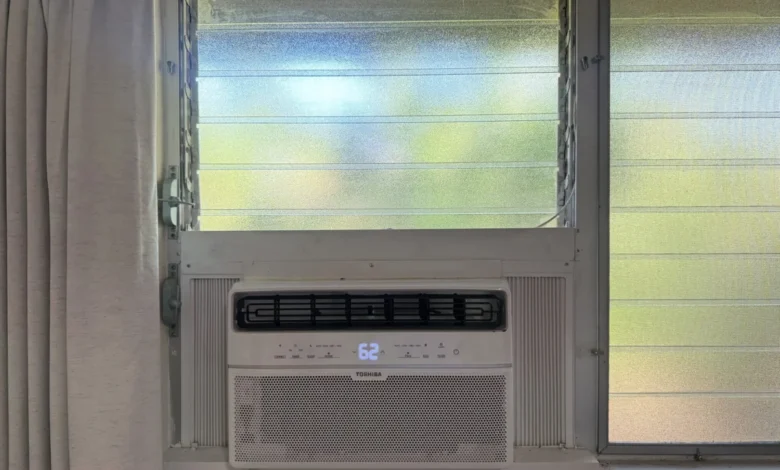
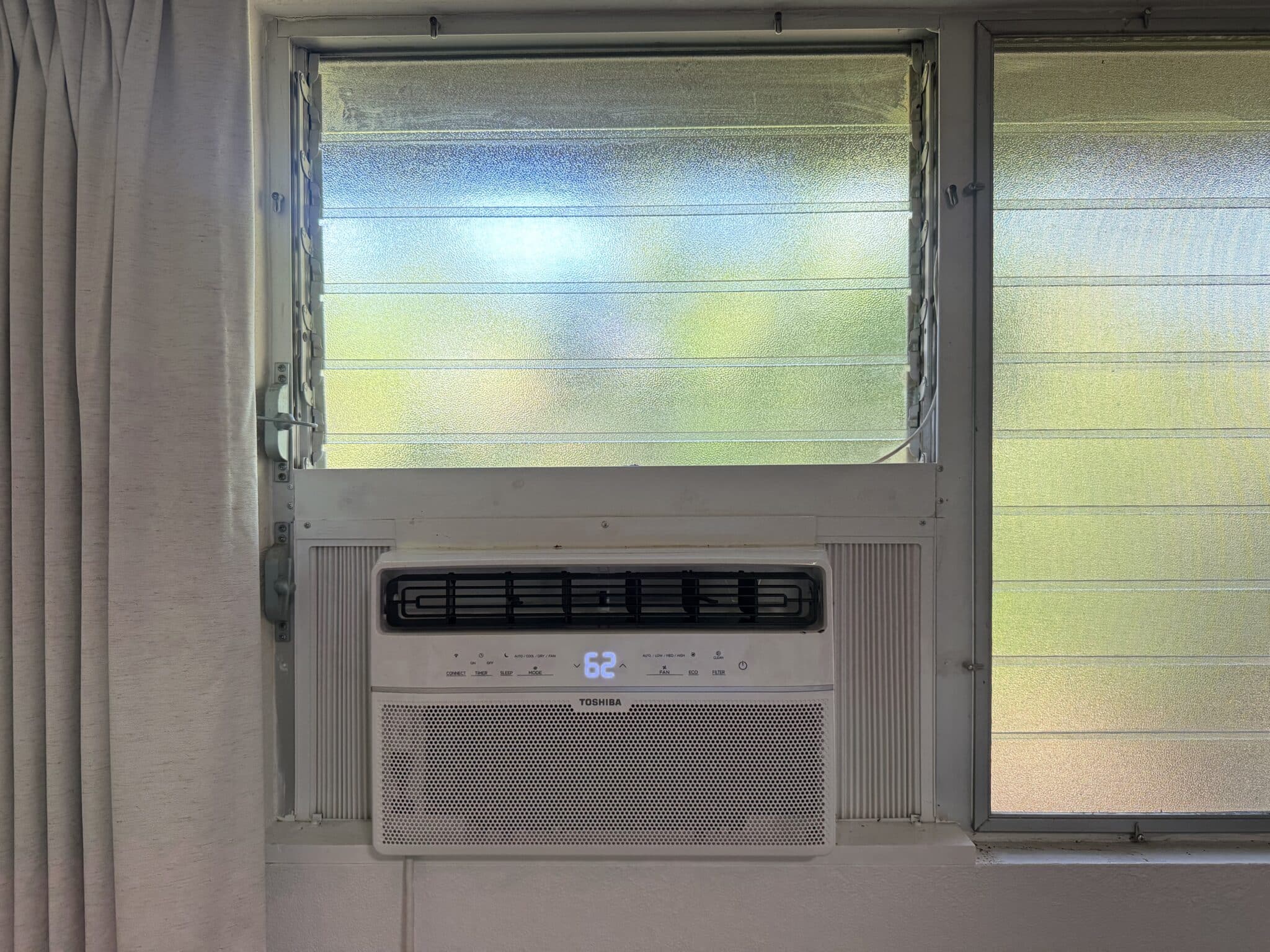
The disparity between financial capacity and living standards is often illustrated through the maintenance of personal property. In one documented instance in Honolulu, a residence belonging to retirees with substantial government pensions and zero debt was found to have an air conditioning unit that was 42 years old and non-functional. Despite summer temperatures consistently reaching 90 degrees with high humidity, the occupants had adapted to the discomfort rather than seeking a replacement.

A similar pattern was observed in the maintenance of a 28-year-old vehicle used by the same household. The vehicle’s air conditioning system had been non-functional for three years, creating a "hot box" environment where interior temperatures could exceed 100 degrees within minutes. The cost of the repair—eventually identified as a simple $80 refrigerant recharge—was negligible compared to the occupants’ net worth. However, the repair was only initiated when an external party, a younger family member, provided the "activation energy" to research a technician and schedule the service.
The Psychology of Habituation and Inertia
Social psychologists suggest that "habituation" plays a significant role in why seniors allow their living conditions to deteriorate. When a person is exposed to a gradual decline in comfort—such as a leaking pipe, a dimming television screen, or a rising room temperature—the brain begins to filter out the discomfort as "background noise." Over time, the occupant no longer perceives the environment as substandard.
This cognitive adaptation is often coupled with the "Activation Energy Problem." For a 40-year-old, hiring a contractor involves a series of manageable tasks: researching reviews, soliciting quotes, and supervising the work. For an individual in their 80s, these steps can represent significant psychological hurdles. The effort required to vet a stranger and disrupt a long-established routine often outweighs the perceived benefit of the fix. Consequently, "doing nothing" becomes the default economic choice, as it requires zero immediate energy expenditure, even if it results in long-term physical risk.
The Gene Hackman Incident: A Warning on Isolation and Neglect
The most harrowing example of the intersection between wealth, aging, and household neglect occurred in early 2025 in Santa Fe, New Mexico. Renowned actor Gene Hackman, 95, and his wife, Betsy Arakawa, were discovered deceased in their home after being undiscovered for more than a week. Despite Hackman’s reported net worth of $80 million, investigators found the property in a state of severe neglect, with rodent infestations present in both outbuildings and vehicles.
Medical examiners determined that Arakawa died of hantavirus pulmonary syndrome, a rare respiratory disease contracted through contact with rodent droppings. Hackman, who was suffering from advanced Alzheimer’s, remained in the home with his deceased wife until his own heart failed. This tragedy underscores the fact that financial resources are ineffective if they are not deployed to maintain the safety of the living environment. The Hackman case serves as a definitive refutation of the idea that wealth alone provides a safety net for the elderly.
The Essential Role of the "Adult Child" Intervener
As the global population ages—a trend often referred to as the "Silver Tsunami"—the responsibility for bridging the activation energy gap is increasingly falling on adult children. Professional caregivers and financial planners now recommend a "playbook" for family members to ensure their parents’ safety without infringing upon their independence.
- Extended Observation Periods: Experts suggest that short, holiday-style visits are insufficient for identifying household failures. A stay of at least one to four weeks is often necessary to notice chronic issues like expired food, leaking plumbing, or failing climate control systems.
- Eliminating the "Committee Meeting": Senior advocates recommend that adult children handle small, critical repairs—such as fixing a leak or replacing a battery—without seeking formal permission, which can often trigger a defensive "I don’t need help" response.
- Logistical Absorption: The primary contribution of the adult child is not the capital for the repair, but the management of the logistics. By scheduling the appointment and being present for the service, the child removes the "activation energy" barrier that prevents the senior from acting.
- Gradual Technological Integration: Introducing conveniences such as grocery delivery services or ride-sharing apps can reduce the physical toll on seniors, provided the setup is handled by a younger family member.
Financial Implications and Risk Management
From a cold-eyed financial perspective, the refusal to spend on small maintenance items is a failure of risk management. A $500 air conditioning installation or an $80 car repair serves as a low-cost insurance policy against catastrophic outcomes, such as heatstroke-induced hospitalization or a vehicular accident caused by heat exhaustion.
Insurance analysts note that the "wealthy elderly" demographic is often over-insured in terms of life and legacy products but under-invested in "lifestyle maintenance" that prevents morbidity. For example, while many seniors meticulously maintain term life insurance policies to protect their heirs, they may neglect the very home repairs that would extend their own life expectancy.
Broader Societal and Economic Impact
The tendency of the wealthiest generation to "under-spend" on their own welfare has broader economic implications. It contributes to a stagnation of capital that could otherwise support the service and repair economy. More importantly, it places an increased burden on emergency services and healthcare systems when preventable household accidents or environmental illnesses occur.
Public health officials are calling for a shift in how society views senior care. Rather than focusing solely on medical interventions, there is a growing movement to treat "home health" as a clinical necessity. This includes ensuring that seniors have access to modern, energy-efficient cooling systems and that their residences are free from the "clutter and decay" that often accompanies the late stages of retirement.

Conclusion: The Utility of Wealth in the Final Decades
Ultimately, the "Activation Energy Paradox" reveals that money is a dormant tool unless paired with the agency to use it. The contentment often cited by seniors—their satisfaction with old, rusted appliances and non-functional vehicles—is frequently a mask for the exhaustion of managing modern life.
For the families of the 60,000 Europeans who die in the heat each summer, or for those who discover a parent living in a state of "genteel poverty" despite a robust bank account, the lesson is clear: the most valuable asset an adult child can provide is not financial advice, but the physical and mental energy to maintain the safety of the family’s oldest members. As the climate becomes more volatile and the "oldest old" population grows, the ability to bridge the gap between having money and living well will become the definitive challenge of 21st-century eldercare.