U.S. Housing Market Reversal: Home Prices Decline from Peaks in 28 of 33 Major Cities as Austin and Oakland Lead the Downturn

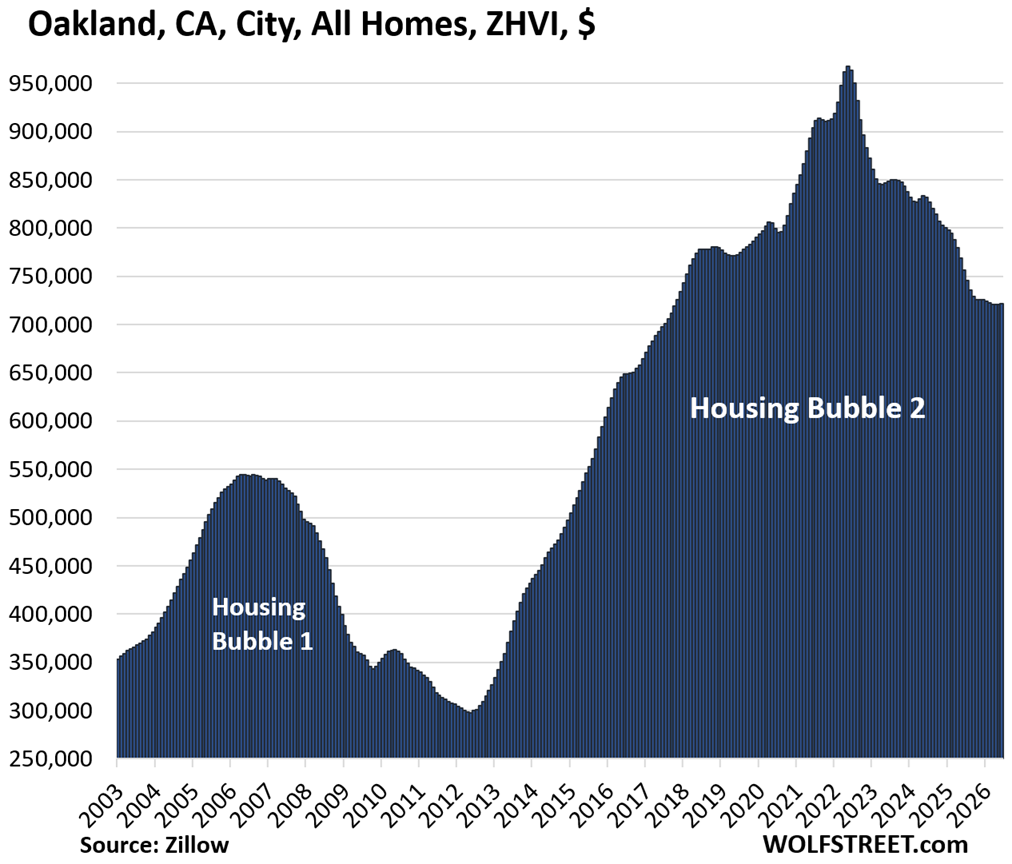
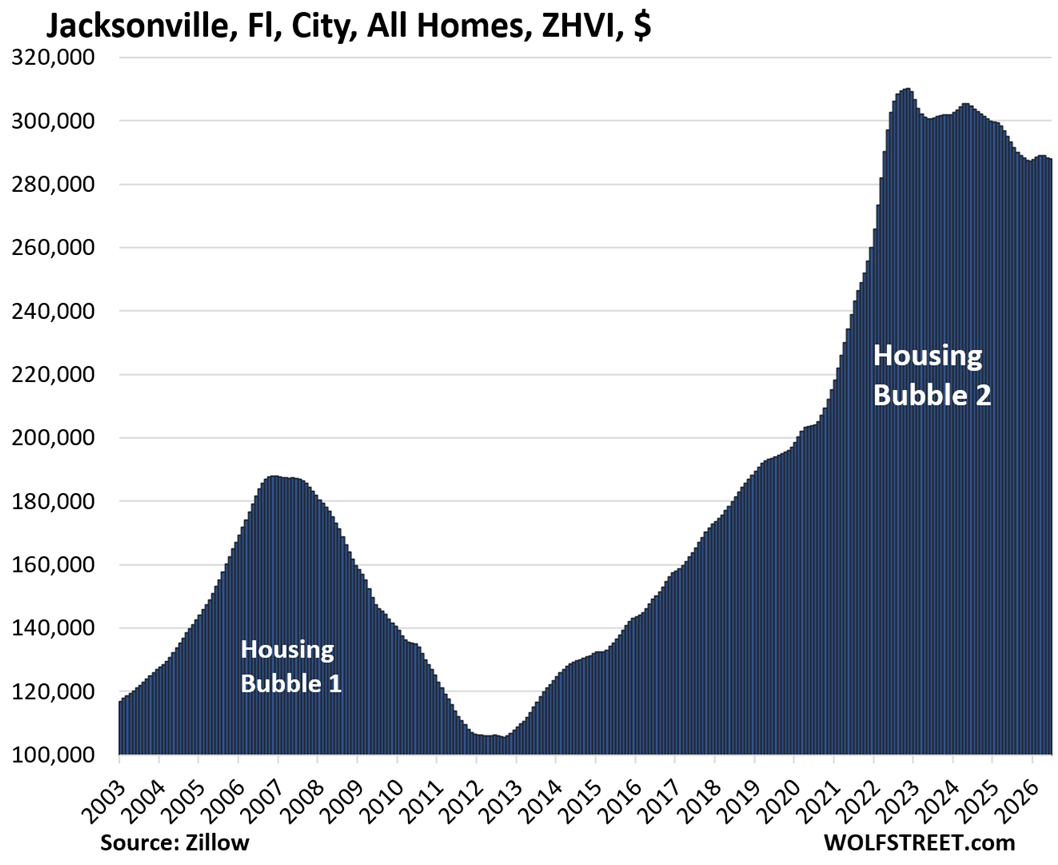
The landscape of the American residential real estate market has undergone a significant transformation as of June 2026, with a substantial majority of the nation’s most expensive metropolitan areas recording price levels well below their historical highs. According to the latest analysis of the Zillow Home Value Index (ZHVI) for mid-tier homes, prices in 28 of the 33 major cities monitored have retreated from their respective peaks established in prior years. This correction is most pronounced in formerly high-flying markets such as Austin, Texas, and Oakland, California, which have seen values plummet by 27% and 25%, respectively, from their all-time highs.
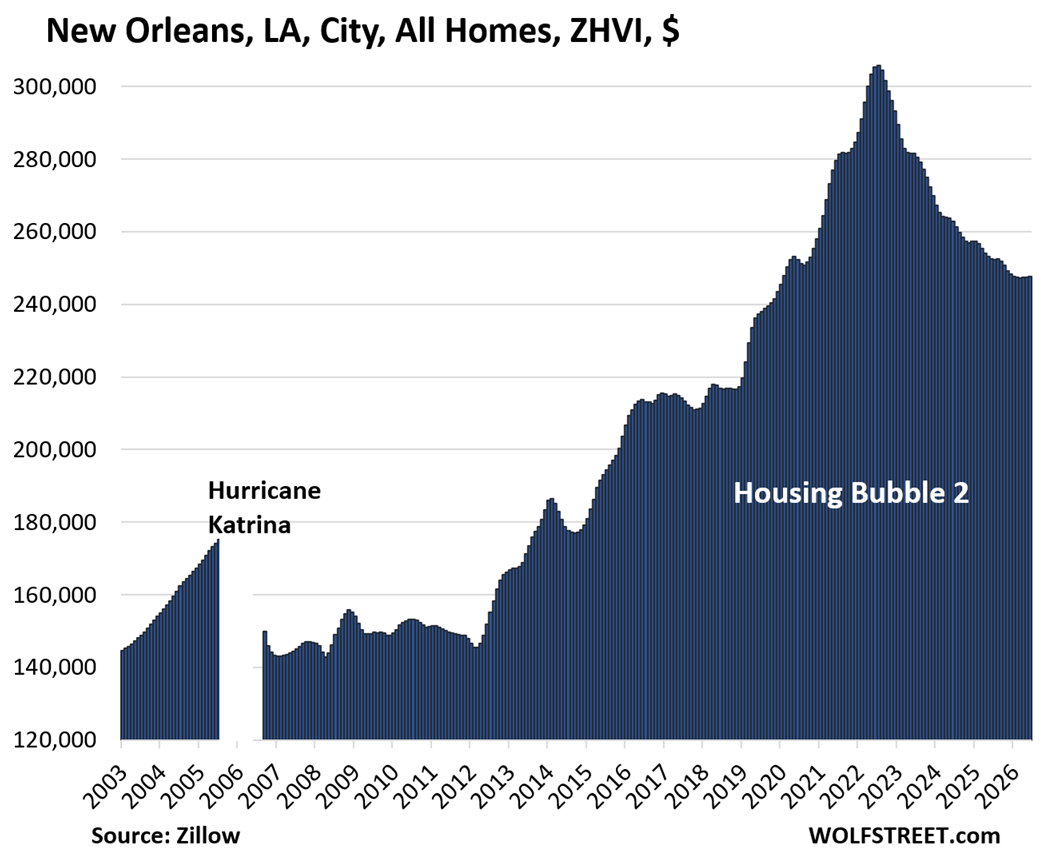
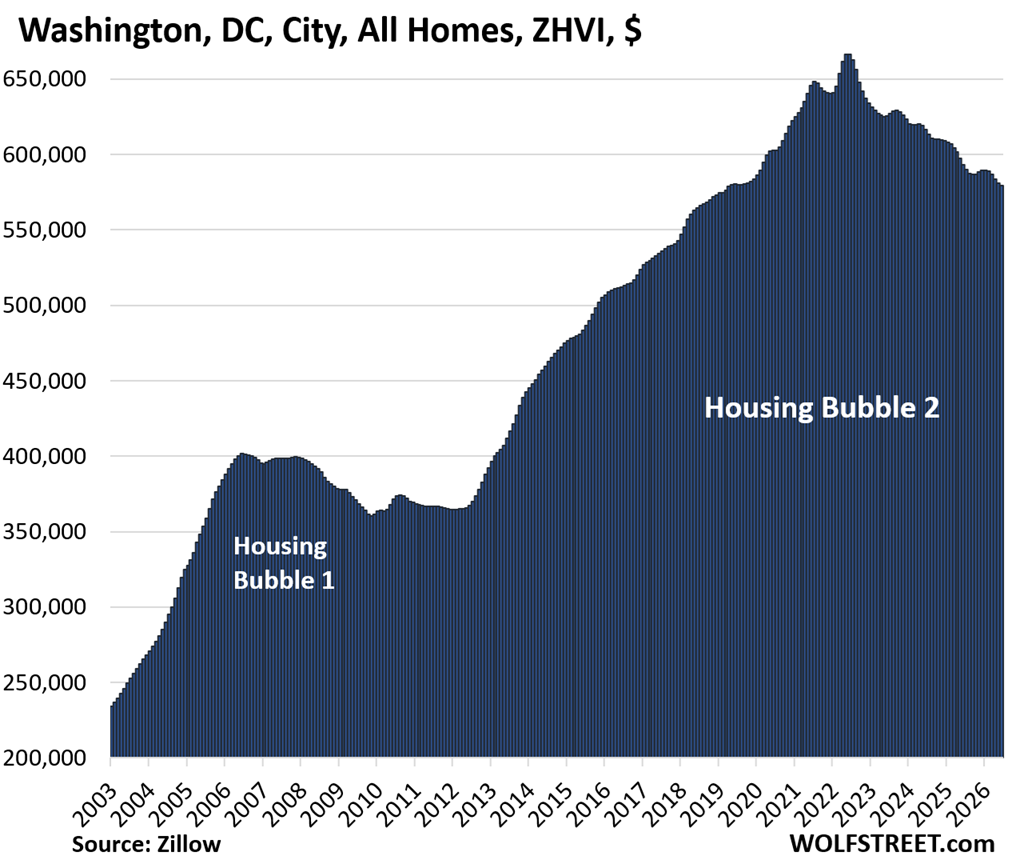
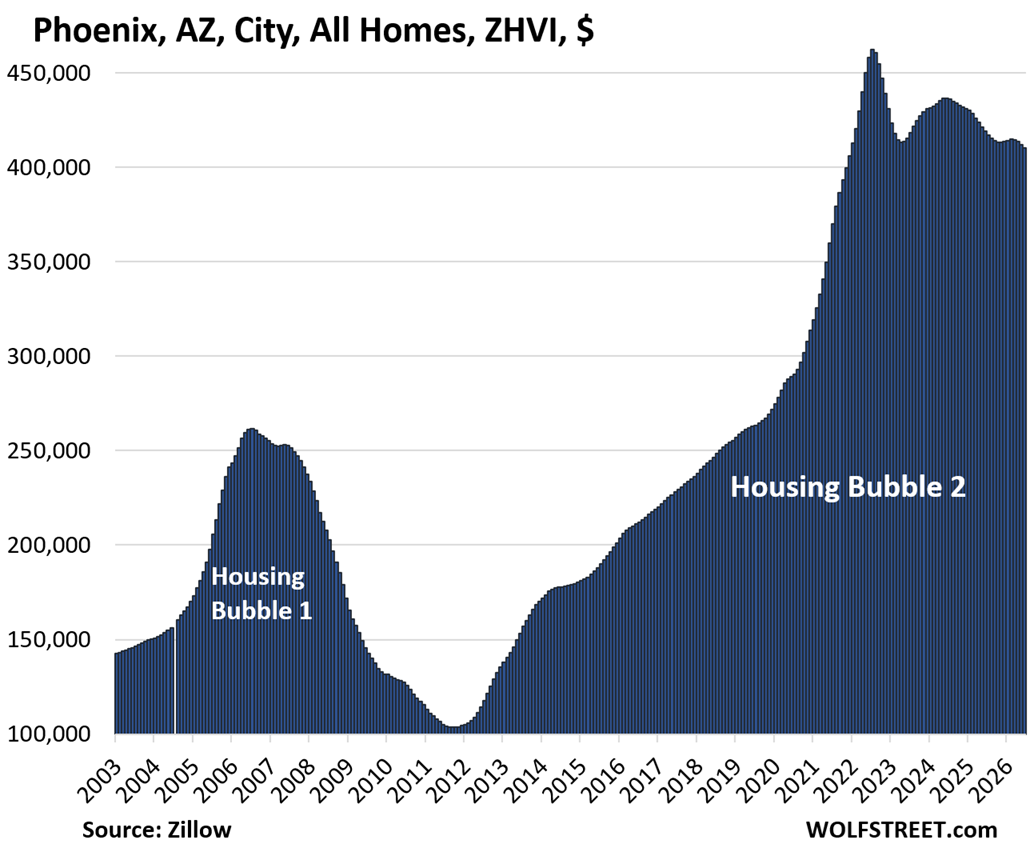
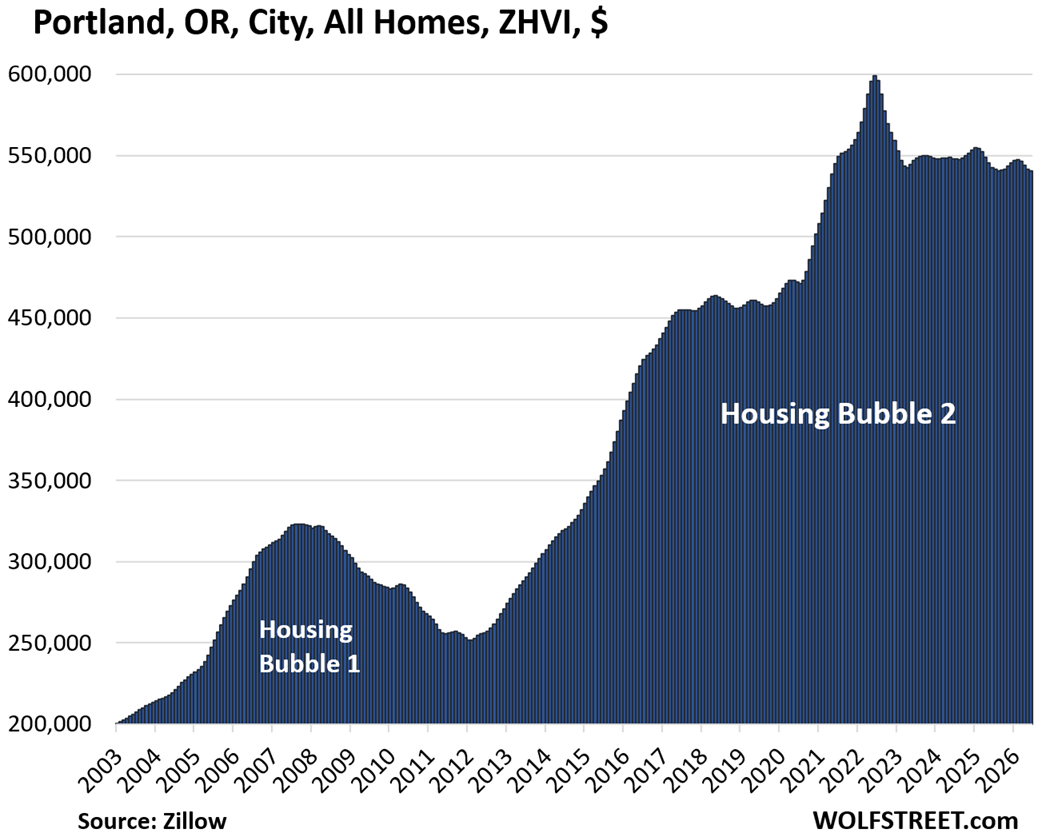
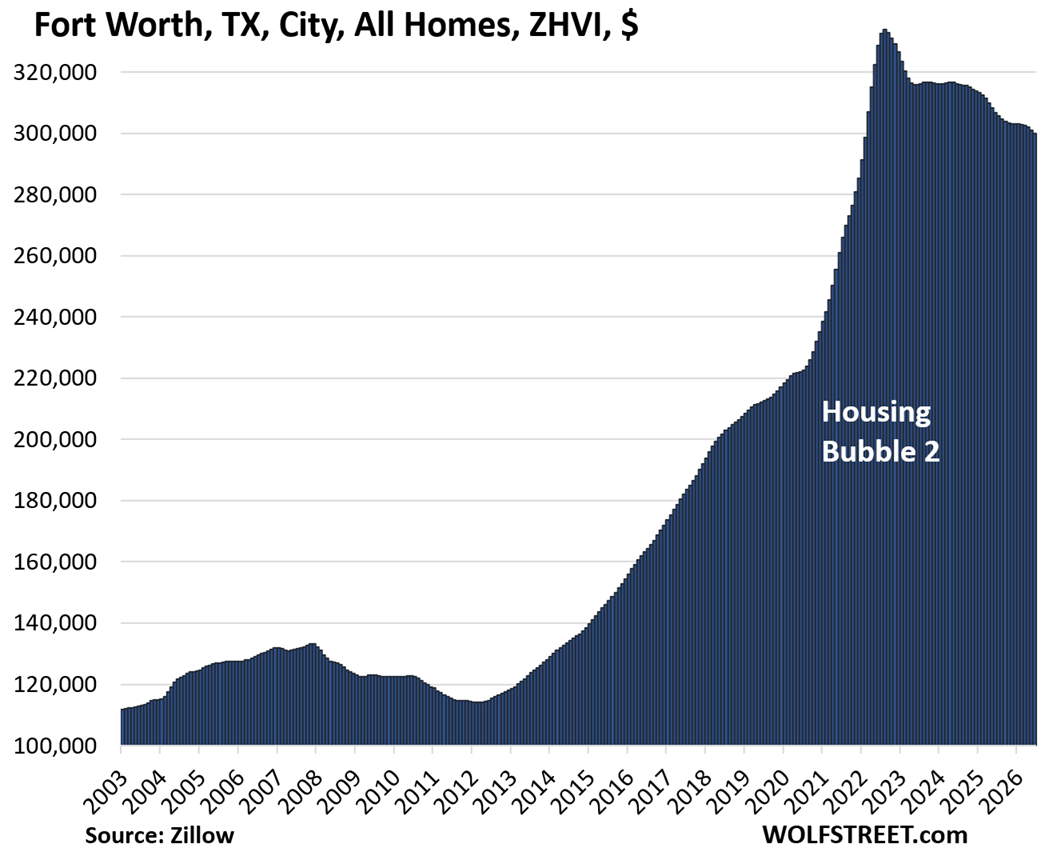
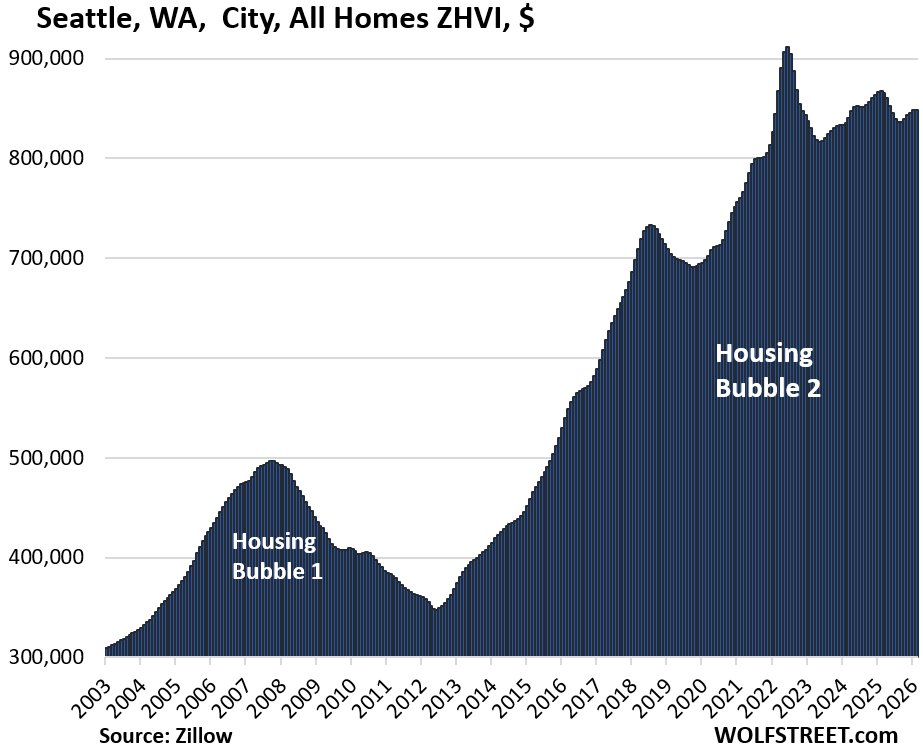
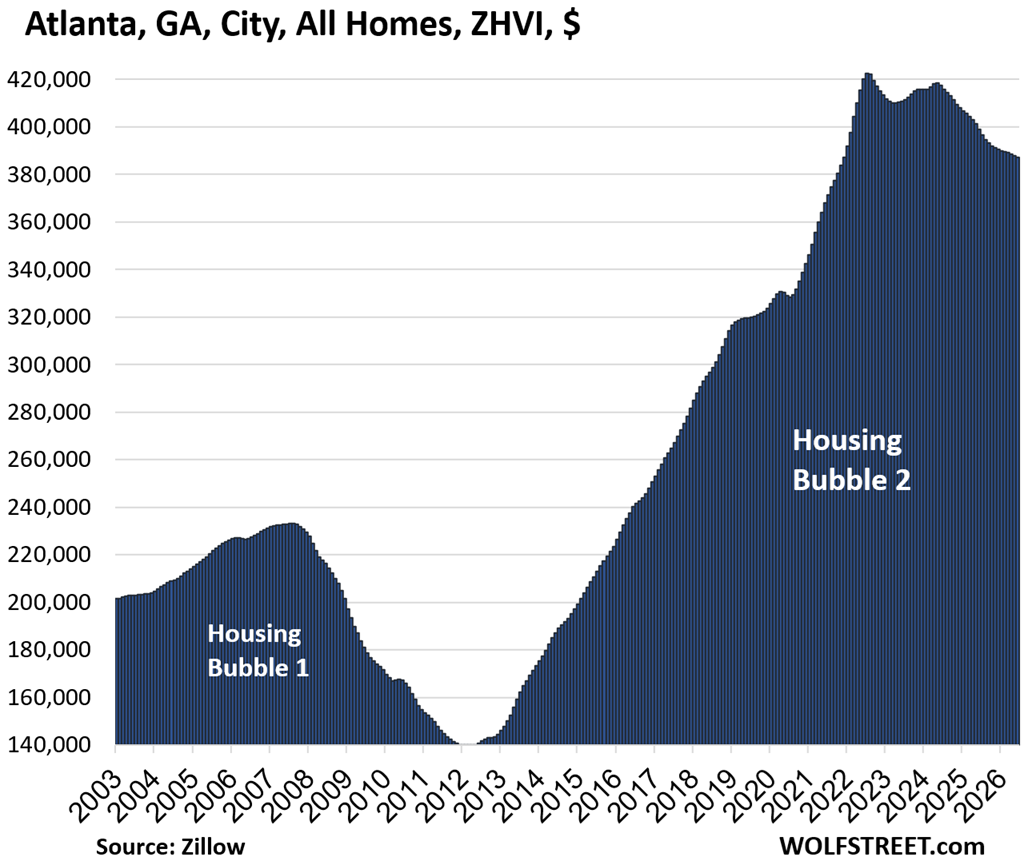
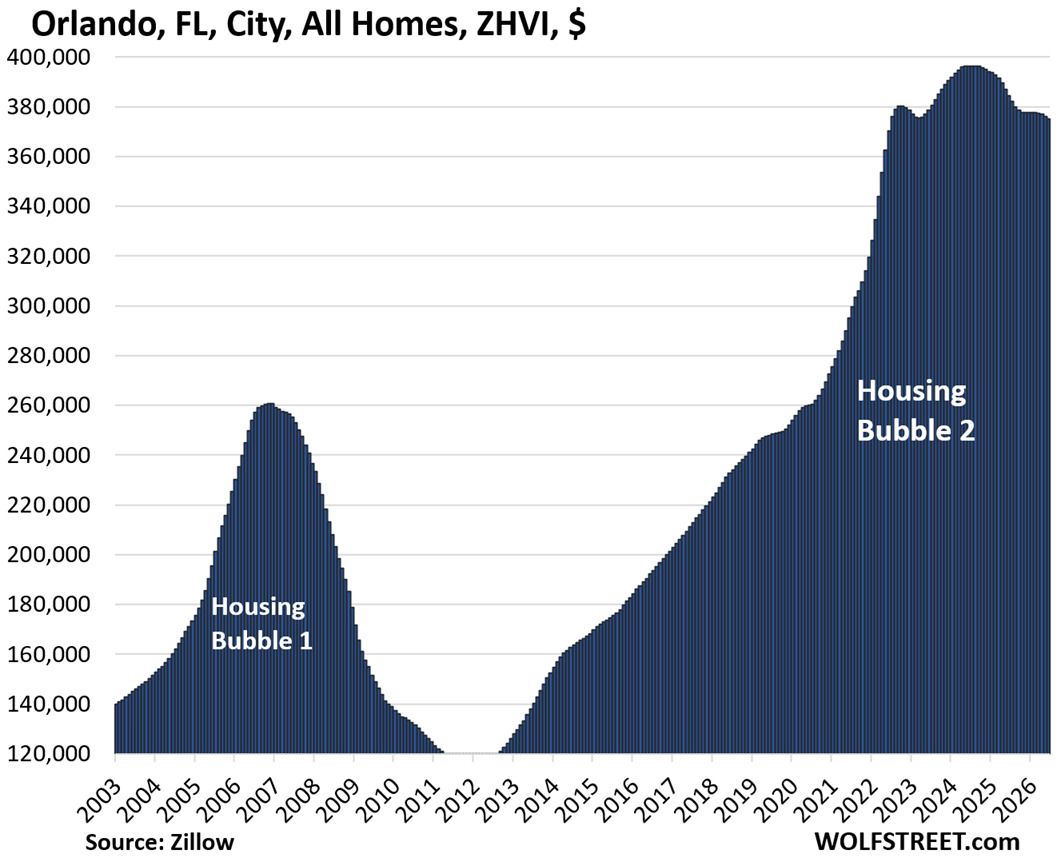
The data, which is seasonally adjusted and tracks the middle third of the market by price, suggests a broadening of the housing correction that began in some regions as early as mid-2022. While the severity of the decline varies by geography, the overarching trend points to a market struggling to maintain the valuation heights reached during the era of ultra-low interest rates and pandemic-driven migration. In addition to Austin and Oakland, several other major hubs have seen double-digit retracements from their peaks, including New Orleans (-19%), Washington D.C. (-13%), Denver (-13%), and Phoenix (-11%). Fort Worth and Portland have both recorded 10% declines from their previous maximums.
The Chronology of Market Peaks and the Current Correction
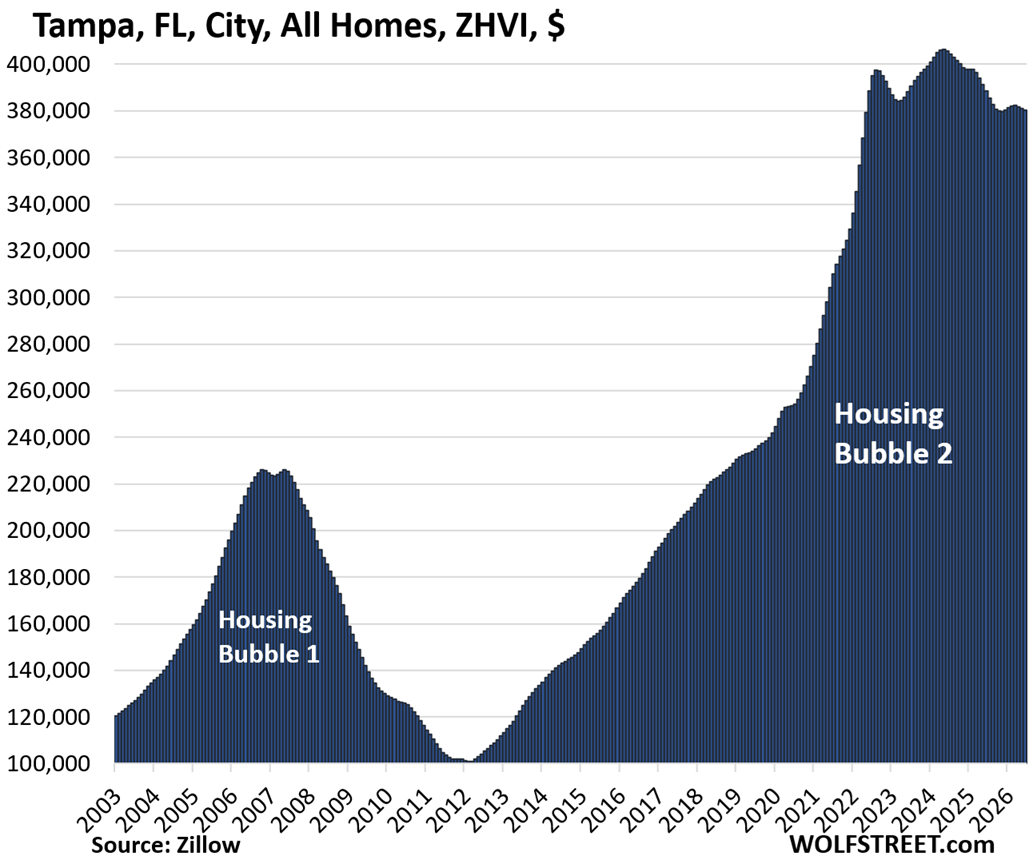
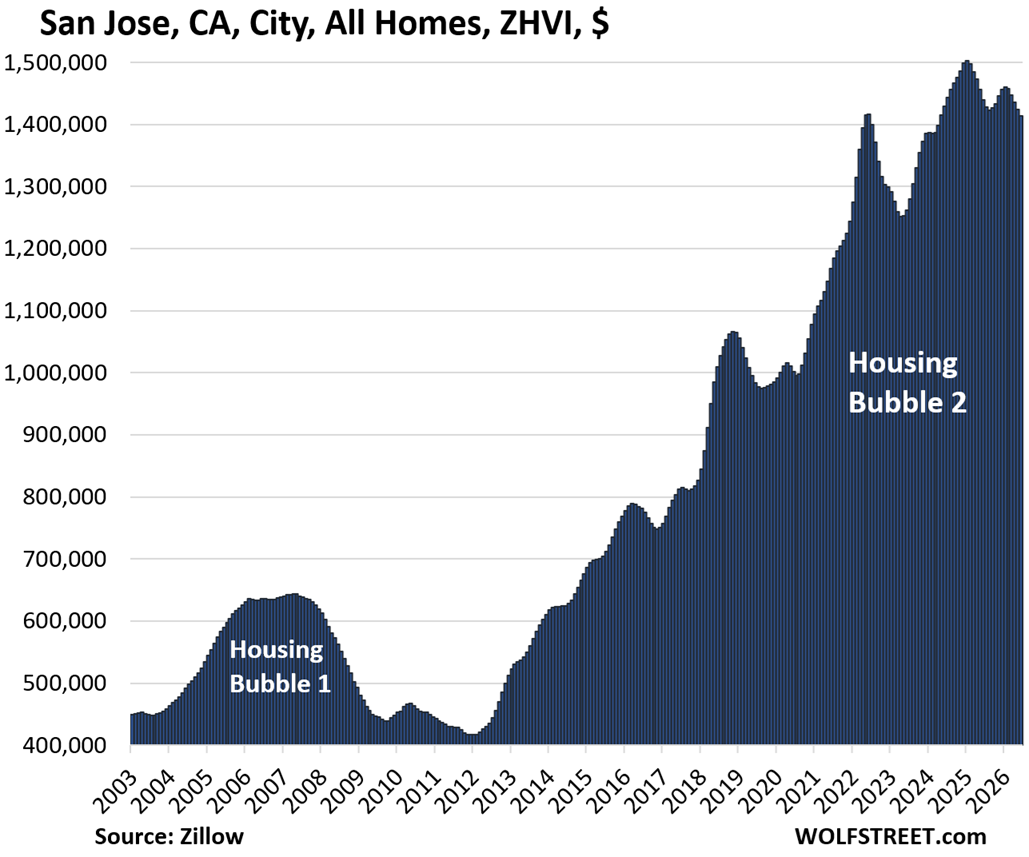
The timing of these market peaks provides a roadmap of the shifting economic conditions over the past four years. For 17 of the 33 cities analyzed, home prices reached their zenith in 2022, a year characterized by the initial shock of rising mortgage rates and the exhaustion of the post-pandemic buying frenzy. Another nine cities saw their prices peak more recently, in 2024, as markets attempted to stabilize before succumbing to renewed downward pressure. A smaller subset of markets, specifically Boston and San Jose, reached their highs as late as April 2025 and January 2025, respectively, before entering their current descent.
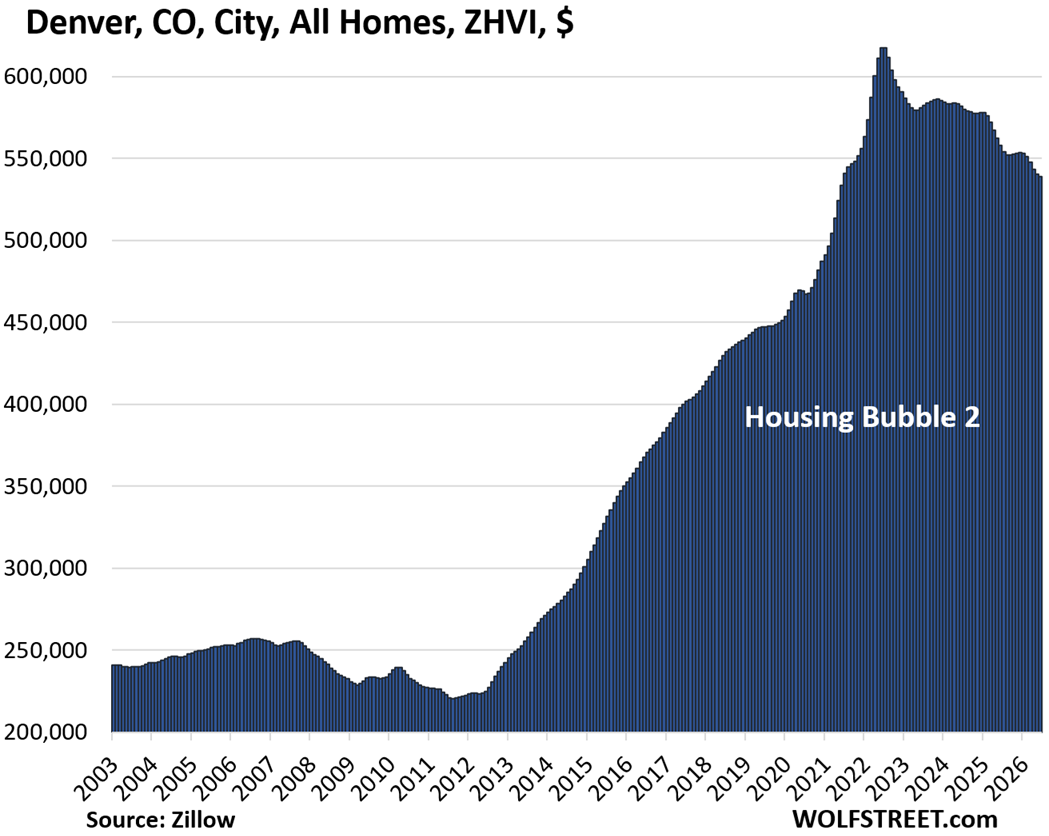
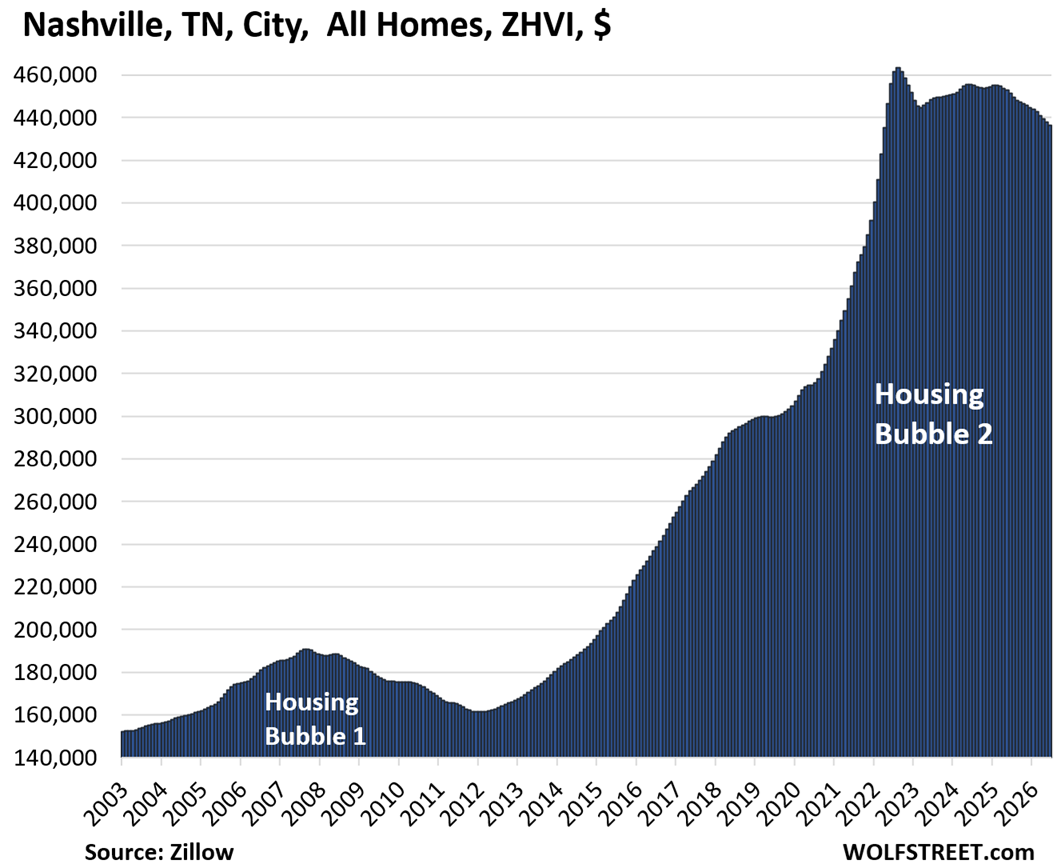
Year-over-year data for June 2026 further illustrates the cooling climate. Price declines were recorded in 25 of the 33 cities compared to the same period in 2025. Austin continues to lead this metric with a 5.0% annual drop, followed by Oakland at 4.6%, Denver at 3.4%, Nashville at 3.3%, and Las Vegas at 3.1%. These figures indicate that the correction is not merely a historical artifact but an ongoing process as buyers grapple with affordability constraints and increased inventory levels.
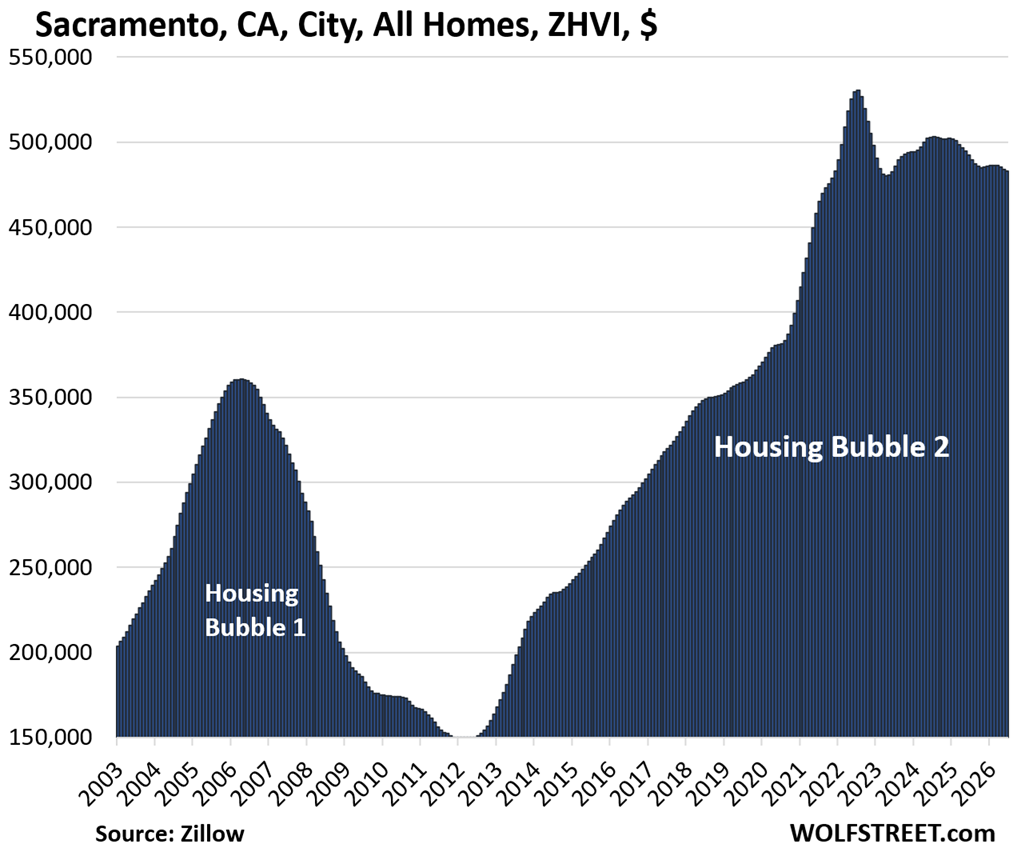
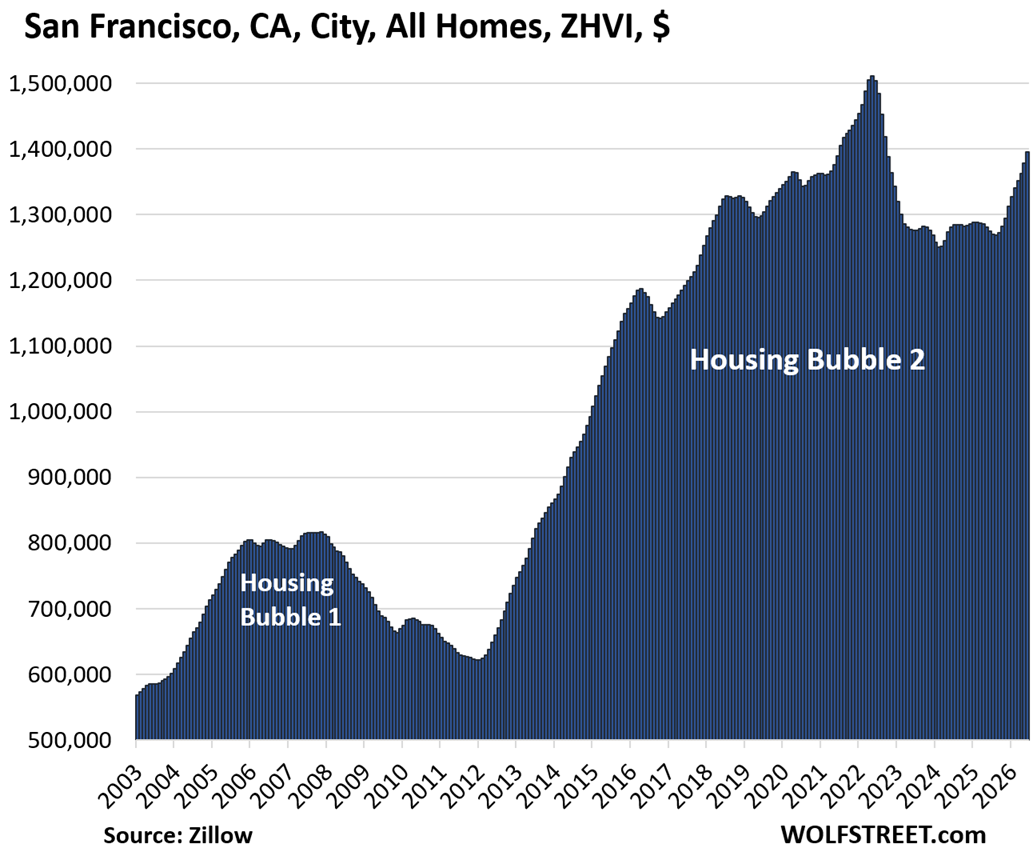
Conversely, eight cities managed to post year-over-year gains. The most notable outlier is San Francisco, which saw prices jump 9.5% over the past twelve months. Other resilient markets include Chicago, with a 3.9% increase, and New York City, which rose by 3.8%. However, even these gains must be viewed within the context of long-term trends; despite the recent surge, San Francisco’s mid-tier home prices remain 8% below the record highs set in 2022.
The San Francisco AI Phenomenon and the "Mansion Shortage"
The resurgence of the San Francisco market represents one of the most unexpected shifts in the 2026 data. Previously a leader in price declines, the city has been revitalized by what market analysts describe as "AI mania." The explosion of the artificial intelligence sector has created a new class of ultra-high-net-worth individuals and highly compensated tech professionals who have aggressively entered the luxury housing market.
This localized wealth boom initially triggered a "mansion shortage" in the city’s most exclusive neighborhoods. By late 2025, this demand began to trickle down into the mid-tier market—defined as the middle third of available homes—causing a sharp spike in prices. Real estate observers suggest that if the current momentum in the tech sector persists, San Francisco could be one of the few West Coast markets to challenge its 2022 record highs in the near future.
In contrast, neighboring San Jose has not shared in this recent exuberance. Despite being the most expensive market in the cohort with a mid-tier ZHVI of $1.41 million—slightly eclipsing San Francisco’s $1.39 million—San Jose saw prices fall by 0.7% in June compared to May. On a year-over-year basis, San Jose is down 1.8%, and it currently sits 6% below the peak it established in January 2025.
Regional Variations: From the Sunbelt to the Northeast
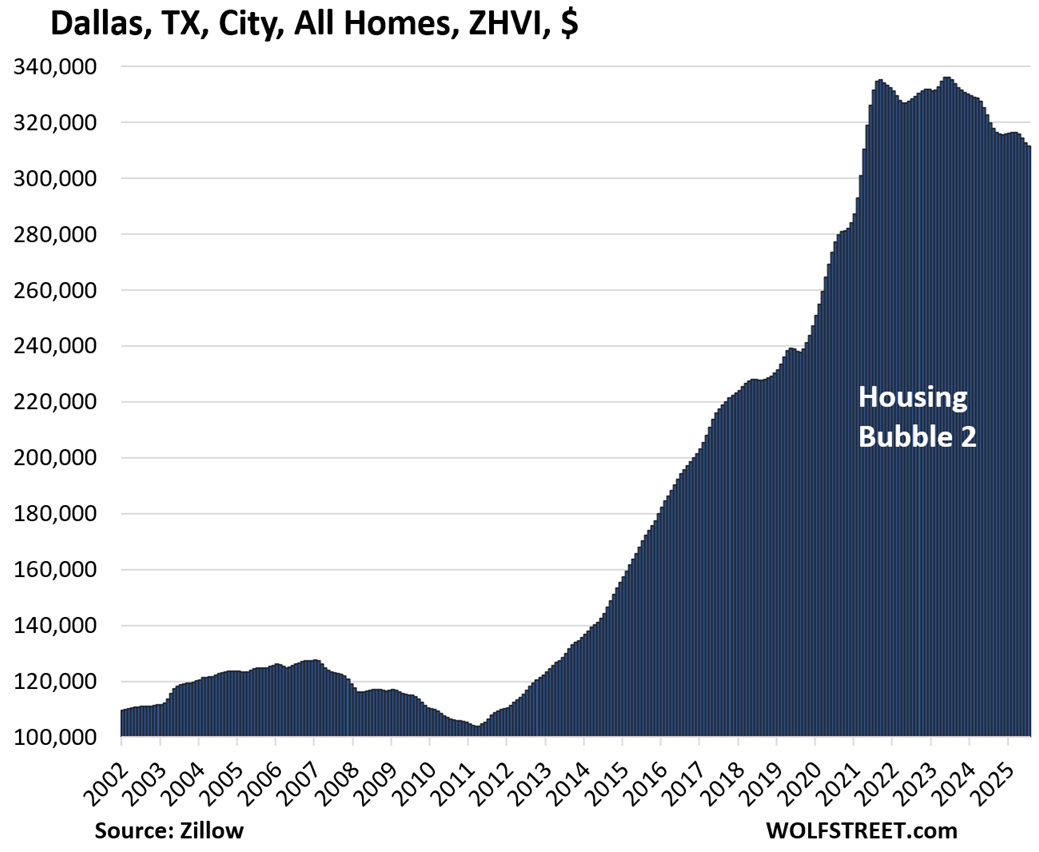
The data reveals a stark divergence between the Sunbelt markets, which saw astronomical growth between 2020 and 2022, and the more traditional markets of the Midwest and Northeast. During the two-year "pandemic spike," Austin prices rose by a staggering 62%, Phoenix by 60%, and Fort Worth by 50%. The current correction in these cities is largely seen as a necessary recalibration following those "off-the-chart" increases.
In the Northeast, Boston has recently joined the list of cities experiencing a retreat. After peaking in April 2025, mid-tier prices in the city fell by 0.7% in June and are now 1.8% below their record high. Meanwhile, Chicago and New York City have shown remarkable stability. Chicago was one of only two cities to set a new high in June 2026, with a modest month-over-month increase of 0.4%. New York City, while technically dipping 0.1% in June, remains essentially at its peak, having carved out new record highs for several consecutive months prior to the current report.
Other cities that had been trending toward new highs earlier in the year, such as Philadelphia, Omaha, and Minneapolis, have seen their momentum stall. All three cities recorded slight month-over-month declines in June, suggesting that the national trend of price softening is finally reaching these previously insulated markets.
Monetary Policy and the "Free Money" Hangover
Economists point to the Federal Reserve’s monetary policy as the primary architect of both the initial price surge and the subsequent correction. Between mid-2020 and mid-2022, the Fed’s decision to purchase trillions of dollars in Treasury securities and mortgage-backed securities (MBS) drove mortgage rates below 3%. This occurred even as headline inflation began its ascent toward 9%, creating a period of negative real interest rates that fueled "fear of missing out" (FOMO) buying behavior.
As the Federal Reserve pivoted to a tighter monetary stance to combat inflation, the cost of borrowing rose sharply. By the summer of 2026, mortgage rates have stabilized in the mid-6% range, a significant departure from the era of "free money." This shift has not only sidelined many prospective first-time buyers but has also contributed to a "deep freeze" in sales volume, as existing homeowners with low-rate mortgages are reluctant to sell and take on new debt at double the interest cost.
Supply Dynamics and the "Deep Freeze" in Sales
The price corrections are occurring against a backdrop of rising inventory. Recent reports indicate that the supply of existing single-family homes has jumped to a 10-year high, while condo supply has reached levels not seen in 14 years. This increase in supply is not necessarily due to a surge in new listings, but rather a slowdown in the pace of sales.
As homes sit on the market longer, sellers are increasingly forced to adjust their expectations. In cities like Oakland and New Orleans, prices have reverted to levels seen in 2017 and 2020, respectively. In Washington D.C., the 13% decline from the peak has brought mid-tier values to their lowest point since October 2019. This suggests that in many markets, the entirety of the "pandemic era" gains has been or is currently being erased.
Methodology and Market Qualifications
The findings in this report are based on the Zillow Home Value Index (ZHVI), which utilizes a backward-looking measure derived from millions of data points, including public tax records, Multiple Listing Service (MLS) data, and brokerage records. The index is unique in that it includes pricing for off-market deals and "for-sale-by-owner" transactions, providing a more comprehensive view than indices that rely solely on realtor associations.
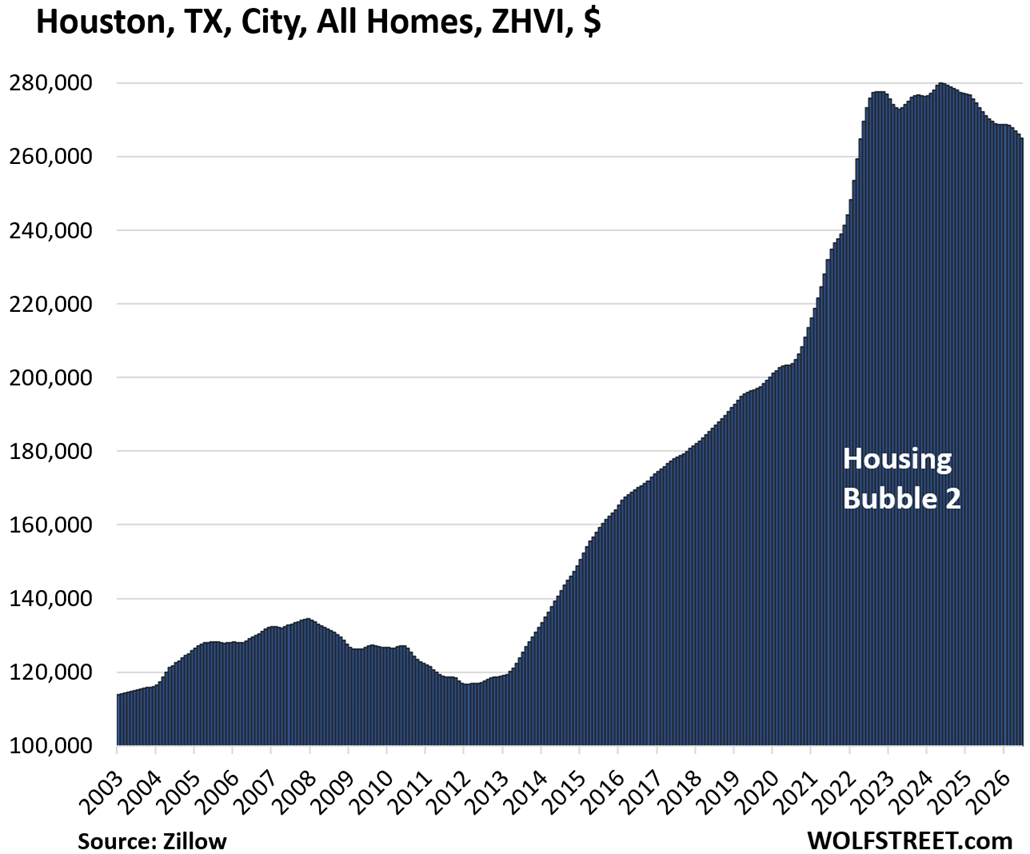
To qualify for this specific analysis, a city must be among the largest by population and maintain a mid-tier ZHVI of at least $300,000. This threshold excludes several large but more affordable cities such as Houston, Memphis, Oklahoma City, and Pittsburgh, where housing remains significantly cheaper than in coastal hubs. Notably, Houston and Philadelphia are included in the 33-city list despite occasionally falling near the price threshold due to their status as the fourth and sixth-largest cities in the United States.
Broader Implications for the 2027 Outlook
As the market heads into the latter half of 2026, the trend of price normalization appears set to continue. The massive home-price inflation of the early 2020s, which saw cities like Raleigh and Sacramento gain nearly 50% in value in just 24 months, has left a legacy of affordability challenges that the current correction has only partially addressed.
Market analysts suggest that the "AI-driven" recovery in San Francisco and the continued resilience of New York and Chicago are exceptions to a broader rule of consolidation. For the majority of the 33 cities followed, the path forward likely involves a period of stagnant or slowly declining prices as the market waits for wages to catch up with housing costs or for mortgage rates to retreat. With supply at decade-highs and sales volume remaining sluggish, the leverage in the American housing market has firmly shifted from sellers to buyers for the first time in several years.