BitMEX Announces Permanent Closure by September 2026 Marking the End of a Pioneering Era in Crypto Derivatives

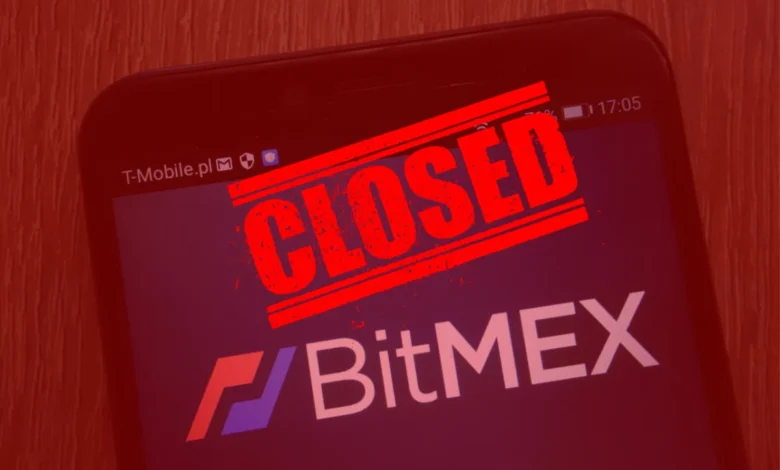
In a move that signals the definitive end of an era for the cryptocurrency derivatives market, BitMEX, the platform that revolutionized digital asset trading through the invention of the perpetual swap, has announced it will cease all operations by September 23, 2026. The decision, announced by the board of parent company HDR Global Trading Limited on July 23, 2024, follows what the company described as a comprehensive strategic review of its business model and the rapidly evolving global regulatory landscape. The exchange, which once dominated the lion’s share of global Bitcoin trading volume, has already initiated a phased wind-down process, halting new account registrations and advising existing clients to begin the immediate liquidation of their positions and the withdrawal of all assets.
The closure marks the final chapter for a platform that was once synonymous with the "wild west" era of crypto, characterized by high-leverage trading and minimal oversight. While BitMEX maintained a perfect security record regarding customer funds, its history was marred by high-profile legal battles with United States regulators and a gradual loss of market dominance to newer, more compliant, or more technologically advanced competitors. As the exchange prepares to go dark, it leaves behind a legacy that fundamentally reshaped how digital assets are traded globally.
The Structured Timeline of the BitMEX Wind-Down
To ensure an orderly exit and protect the remaining liquidity on the platform, HDR Global Trading Limited has established a three-stage decommissioning process. This schedule is designed to prevent a chaotic rush for the exits, which could lead to extreme price slippage or technical bottlenecks on the Bitcoin blockchain.
The first phase began on July 23, 2026, with the immediate suspension of all new user registrations. During this period, the exchange also completed the return of all staked BMEX tokens to user wallets, effectively ending its native token ecosystem. Traders have been urged to use this initial window to review their open exposure and assess the tax and liquidity implications of closing their accounts.
The second critical deadline is set for August 26, 2026. On this date, the platform will transition into a "reduce-only" mode. This means that while traders can close existing positions or reduce their size, they will be strictly prohibited from opening new contracts or increasing the size of current ones. This phase is particularly hazardous for traders who rely on hedging strategies; since no new hedges can be opened, any existing risk becomes increasingly difficult to manage as market volatility persists.
The final deadline occurs on September 23, 2026, at 04:00 UTC. At this exact moment, any remaining open positions will be subject to forced liquidation at the prevailing market price. Following these liquidations, the exchange will officially shut down its trading engine and web interface. BitMEX has warned that any funds left on the platform after this date will be subject to a monthly custody fee of either $50 or 1% of the balance—whichever is higher—to cover the administrative costs of maintaining dormant accounts.
A Legacy Defined by Innovation: The Perpetual Swap
To understand the weight of BitMEX’s closure, one must look back to 2016, the year the exchange introduced the perpetual swap. Before this innovation, crypto traders were largely limited to spot trading or traditional futures contracts that required "rolling" every quarter. These traditional contracts often suffered from low liquidity and significant price gaps between the contract and the underlying spot market.
The perpetual swap solved these issues by introducing a "funding rate" mechanism. This fee, exchanged periodically between long and short position holders, ensures that the price of the derivative remains tethered to the spot price of the asset. When the contract price is higher than the spot price, longs pay shorts, incentivizing the selling of the contract. Conversely, when the contract trades below spot, shorts pay longs. This elegant solution allowed for continuous trading without expiry dates, and it quickly became the standard product for the entire industry. Today, every major exchange, including Binance, OKX, and Bybit, utilizes the perpetual swap model pioneered by BitMEX.
Furthermore, BitMEX popularized the concept of 100x leverage, allowing traders to control large positions with minimal collateral. While this led to significant volatility and "liquidation cascades" that often shook the broader market, it also attracted the professional liquidity and speculative interest necessary to mature the Bitcoin market from a niche hobby into a global financial asset class.
Leadership Instability and the Final Executive Exodus
The decision to shutter operations follows years of instability at the highest levels of the company. The exchange’s original leadership team, led by co-founder Arthur Hayes, was forced to step down in 2020 following a slew of federal charges in the United States. Since then, the CEO chair has seen a rotating cast of executives, each attempting to pivot the company toward institutional compliance or new product lines, such as spot trading and brokerage services.

The final blow to the company’s internal stability appeared to land in June 2026. Within a single day, Chief Executive Officer Stephan Lutz, Chief Financial Officer Ina Steiner, and Chief Growth Officer Raphael Polansky all departed the firm. The mass exit of the C-suite was not initially announced through formal press releases but was instead discovered by industry analysts via updates to the executives’ LinkedIn profiles.
In the wake of these departures, Peter Wilkinson, the former General Counsel and Chief Operating Officer, was named emergency CEO to oversee the wind-down. While the company’s official statement attributes the closure to a "strategic review," industry insiders suggest that the sudden loss of leadership and a failed attempt to find a buyer for the platform made the continued operation of the exchange untenable.
Regulatory Hurdles and the Founders’ Legal Saga
The decline of BitMEX is inextricably linked to its legal battles with the U.S. government. In October 2020, the Department of Justice (DOJ) and the Commodity Futures Trading Commission (CFTC) charged founders Arthur Hayes, Ben Delo, and Samuel Reed with violating the Bank Secrecy Act by failing to implement adequate anti-money laundering (AML) and know-your-customer (KYC) protocols.
The founders eventually pleaded guilty to these charges in 2022, and the exchange was ordered to pay $100 million in civil penalties. Although the platform eventually implemented strict KYC measures, the damage to its brand and market share was significant. Regulated institutional flow began migrating to platforms like the Chicago Mercantile Exchange (CME) and Coinbase, while retail traders moved to Binance and other venues that offered a wider variety of "altcoin" pairings.
In a surprising turn of events in March 2025, outgoing U.S. President Donald Trump granted full pardons to Hayes, Delo, and Reed. While the pardons cleared the founders of their personal federal convictions, they did little to restore BitMEX’s standing in the market. By the time the pardons were issued, the exchange’s open interest had dwindled to a fraction of its 2019 peak, and the platform struggled to compete in an environment increasingly dominated by massive, multi-service conglomerates.
Market Implications: Where Will the Liquidity Go?
The closure of BitMEX comes at a time of contraction for centralized derivatives exchanges. According to the Q2 2026 Crypto Industry Report from CoinGecko, centralized exchange (CEX) perpetual futures volume fell by 10% to $12.7 trillion during the quarter. This decline is attributed to both a broader market consolidation and the rapid rise of decentralized perpetual exchanges (DEXs).
Hyperliquid, a decentralized platform, recently rose to become the second-largest perpetuals exchange by open interest, signaling a shift in trader preference toward non-custodial solutions. Analysts expect that BitMEX’s remaining open interest—estimated in the hundreds of millions of dollars—will be absorbed primarily by Binance, Bybit, and OKX. However, a significant portion of sophisticated "whale" traders may opt for decentralized venues to avoid the centralized points of failure that have plagued the industry in recent years.
BitMEX’s clean security record—having never lost customer funds to a hack—stands as a rare achievement in an industry defined by the collapses of FTX, Celsius, and Voyager. Unlike those platforms, which failed due to insolvency or the misuse of customer deposits, BitMEX appears to be conducting an orderly liquidation with reserves that exceed its liabilities. This transparency may provide a blueprint for how legacy platforms can exit the market responsibly.
Critical Warnings for Remaining Users
As the September 23 deadline approaches, security experts are warning users to be hyper-vigilant against phishing attacks. History shows that exchange closures provide a "perfect storm" for scammers, who use the urgency of withdrawal deadlines to trick users into revealing private keys or clicking malicious links. BitMEX has clarified that it will never ask for passwords via email and that all withdrawals must be initiated through the official platform interface.
Furthermore, traders are reminded of the technical risks associated with the Bitcoin network. As thousands of users attempt to withdraw their funds simultaneously, network congestion could lead to spiked transaction fees and delays in processing. Waiting until the final days of September to move assets could result in funds being "stuck" during the transition to the high-fee custody phase.
The departure of BitMEX marks more than just the closing of a business; it represents the conclusion of the first major chapter in the history of crypto derivatives. From a garage startup in Hong Kong to a global powerhouse that defined the mechanics of modern trading, BitMEX’s journey reflects the broader evolution of the cryptocurrency industry from a fringe experiment to a pillar of the global financial system. As the platform prepares to go offline, the industry moves forward into a more regulated, yet increasingly decentralized, future.