Binance Invests $100 Million in Circle, Expands Strategic Partnership and Renews for Five Years

In a significant consolidation of power within the digital asset sector, global cryptocurrency exchange giant Binance has announced a landmark $100 million equity investment in Circle Internet Group, the issuer of the USD Coin (USDC) stablecoin. This capital injection is paired with a comprehensive five-year strategic partnership designed to accelerate the global adoption of USDC and enhance liquidity across emerging markets. The deal marks a pivotal shift in the competitive landscape of stablecoins, signaling a deepening alignment between the world’s largest crypto exchange by volume and one of the most prominent regulated financial technology firms in the space.
The transaction was executed via a private placement, with Binance acquiring Circle Class A common stock at a five percent discount to the prevailing market price of CRCL at the time of closing. This move not only reinforces Binance’s financial stake in the success of the USDC ecosystem but also solidifies a long-term commitment to a shared vision of financial inclusion and digital asset standardization.
Historical Context and Strategic Alignment
The relationship between Binance and Circle has evolved significantly over the past several years. In late 2022, Binance made the controversial decision to initiate the auto-conversion of user balances in competing stablecoins, such as Pax Dollar (USDP) and TrueUSD (TUSD), into USDC. At the time, industry analysts viewed this as a bold move to consolidate liquidity into a single, high-trust asset. By centralizing its stablecoin infrastructure around USDC, Binance aimed to simplify the user experience and reduce the fragmentation of trading pairs on its platform.
This $100 million investment represents the natural progression of that strategy. By taking an equity position in the firm behind the asset, Binance is effectively "betting" on the regulatory durability and technical infrastructure provided by Circle. For Circle, the partnership offers unprecedented access to Binance’s massive global user base, which currently spans over 300 million registered accounts across more than 100 countries.
The Five-Year Roadmap for USDC
Under the terms of the renewed agreement, the focus shifts toward aggressive expansion, particularly in emerging economies where traditional banking infrastructure remains expensive or inaccessible. The collaboration is structured around three primary pillars:
- Infrastructure Integration: Circle will serve as the primary provider for the infrastructure supporting the custody, minting, and redemption of USDC within the Binance ecosystem.
- Global Distribution: Binance will incentivize the use of USDC across its platform, deploying marketing and educational initiatives to introduce the asset to retail and institutional users in regions where the "digital dollar" acts as a critical hedge against local currency volatility.
- Product Innovation: The companies have committed to co-developing new financial products that utilize the USDC rails, including potential advancements in cross-border payments, yield-bearing products, and institutional-grade treasury management services.
Market Implications: A New Era for Stablecoins
The stablecoin market is currently undergoing a period of intense scrutiny and maturation. As regulators worldwide—from the European Union with its MiCA framework to the ongoing debates in the United States Congress—move toward clearer oversight, the distinction between "compliant" and "non-compliant" assets has never been more relevant.
Circle has consistently positioned itself as a "regulatory-first" organization. By deepening ties with Circle, Binance—a firm that has faced significant regulatory headwinds in various jurisdictions—is signaling a clear pivot toward institutional-grade compliance. This move is likely intended to reassure global regulators that the exchange is committed to working with transparent, audited, and stable financial partners.
Furthermore, the investment provides a boost to Circle’s valuation and long-term liquidity. In the context of a highly competitive market—where Tether (USDT) maintains a massive lead in total circulating supply—the institutional backing of Binance provides a powerful tailwind for USDC to capture greater market share, particularly in the professional and institutional trading segments.
Official Perspectives
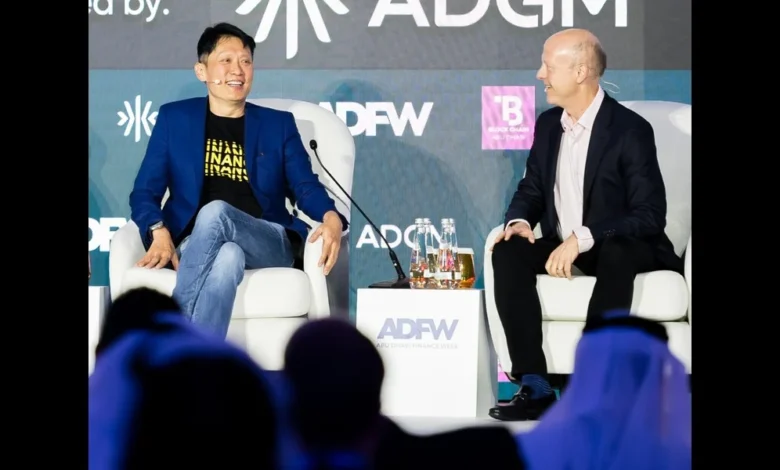
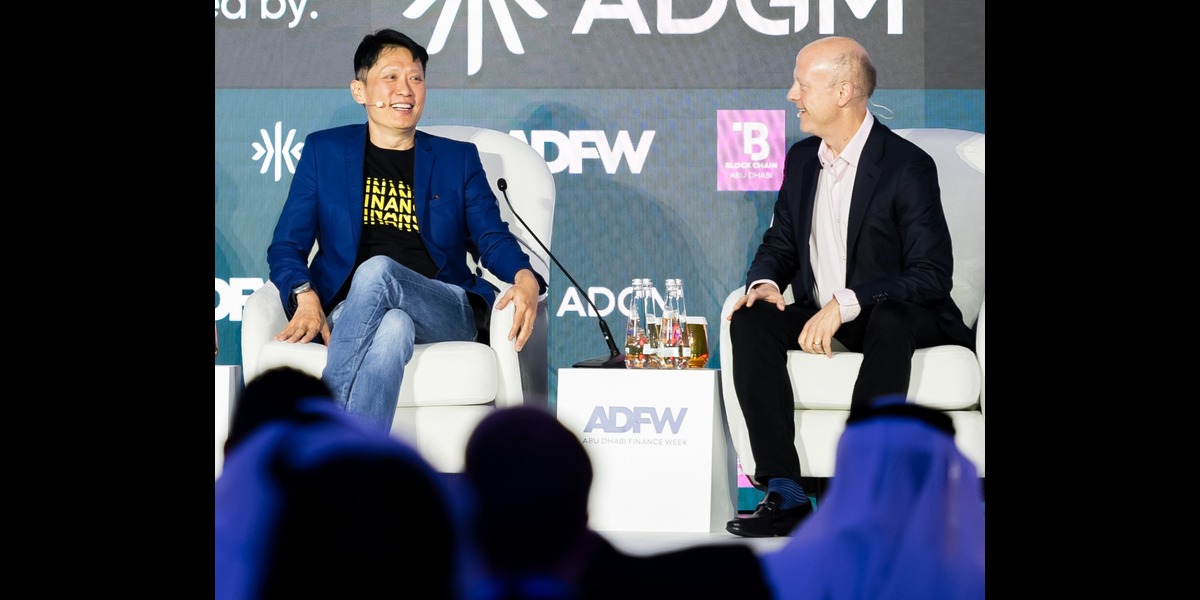
Richard Teng, co-CEO of Binance, characterized the investment as a "long-duration conviction." Teng emphasized that the collaboration is not merely a commercial agreement but a commitment to the mission of democratizing finance. "A stable, trusted digital dollar should not be a privilege—it should be available to anyone with a phone," Teng stated. His remarks underscore the importance of the "remittance" use case, where USDC facilitates near-instant, low-cost transfers across borders, effectively bypassing the bottlenecks of the traditional SWIFT banking network.

Jeremy Allaire, Co-founder, Chairman and CEO of Circle, echoed these sentiments, highlighting the technical synergy between the two firms. "Binance has built one of the largest and most dynamic platforms in the world for using digital currency," Allaire noted. "Together, we see incredible opportunities to leverage USDC to expand dollar access, support savings, and reach businesses throughout global emerging markets."
Analytical Overview: The Risks and Potential Upside
While the partnership appears mutually beneficial, it is not without challenges. The cryptocurrency market remains inherently volatile, and the regulatory environment for stablecoin issuers is subject to change. Should the U.S. or other G20 nations introduce restrictive legislation regarding how stablecoins are backed or distributed, both firms could face significant operational hurdles.
Moreover, there is the risk of "platform risk." By tying its stablecoin infrastructure so closely to Binance, Circle is effectively hitching its wagon to the exchange’s continued success and regulatory standing. Conversely, Binance faces the risk that any future issues surrounding Circle’s reserves or regulatory status could directly impact the liquidity and trust of the assets held by its millions of users.
However, the upside is substantial. By standardizing the "digital dollar" experience on the world’s most active exchange, the two companies are creating a dominant financial utility. For retail users in countries with high inflation, this integration provides a stable anchor for their savings. For institutional players, it provides the predictable, regulated infrastructure necessary to deploy capital at scale.
Future Outlook and Regulatory Considerations
The five-year term of this agreement suggests that both companies are planning for a long-term future in which crypto-native finance becomes increasingly integrated with traditional global markets. As both Binance and Circle navigate the complexities of international law, the success of this partnership will likely be measured by the growth of USDC’s circulating supply and the adoption of its underlying infrastructure in mainstream payment systems.

The investment is also a testament to the maturation of the cryptocurrency sector. Five years ago, a deal of this nature would have been viewed as a high-risk gamble. Today, it is viewed as a strategic alignment between two of the most significant entities in the digital asset industry. As the financial world moves toward a more digitized, blockchain-based future, the Binance-Circle alliance may well be remembered as a key turning point in the integration of digital dollars into the global economy.
In conclusion, this $100 million commitment is more than just a capital allocation; it is a profound declaration of faith in the utility and longevity of USDC. As the dust settles on this announcement, the market will be watching closely to see how the two entities leverage this union to reshape the landscape of digital payments and institutional finance over the next half-decade. Whether this leads to a new era of stablecoin dominance or further regulatory complexity remains to be seen, but the strategic intent is clear: to make the digital dollar the backbone of the global internet economy.
Related posts: