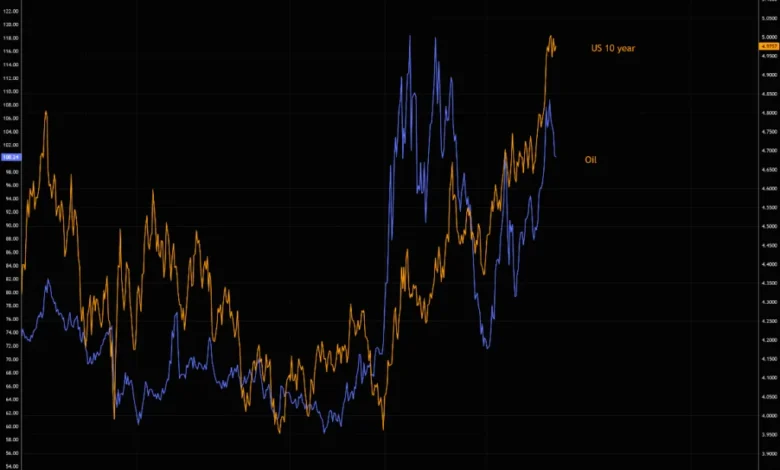
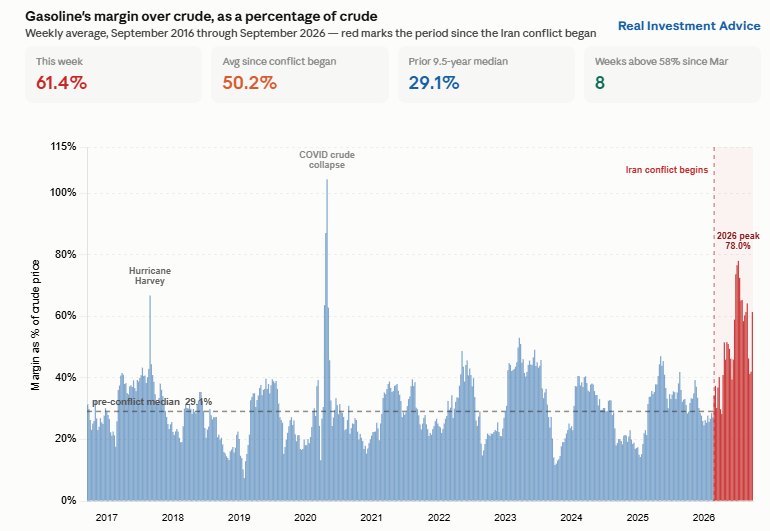
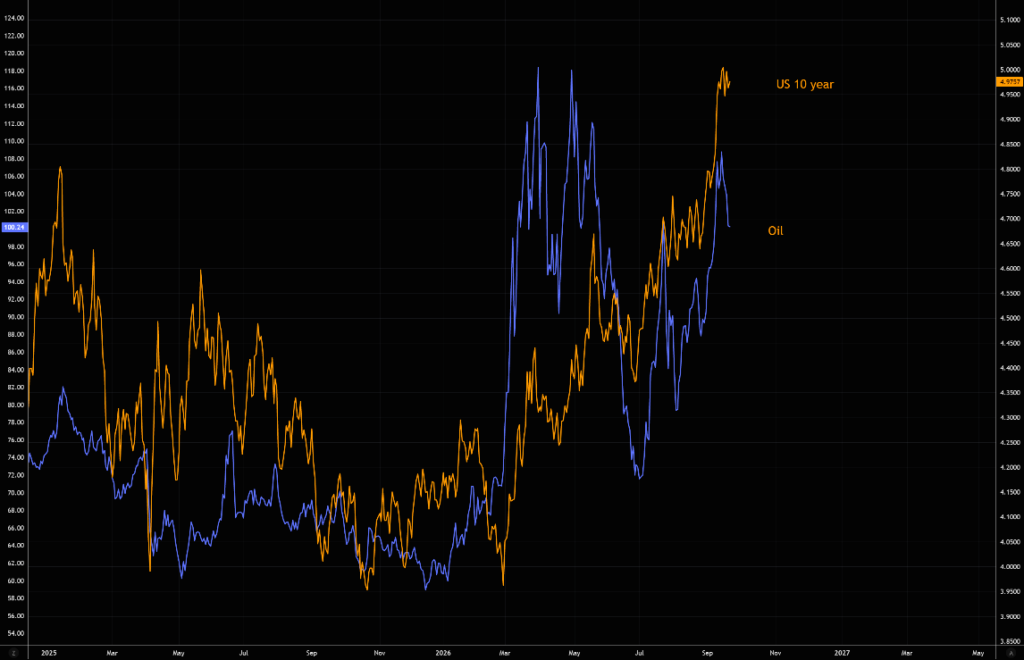
Crude oil prices have retreated substantially from their mid-September peaks, yet consumers continue to see stubbornly high prices at retail gasoline stations across the United States. While West Texas Intermediate (WTI) crude slid nearly 15% from a high of $106 per barrel on September 15 to hover around the $90 threshold, wholesale gasoline futures have paradoxically ticked upward by 1.9% over the exact same timeframe. This stark divergence has dramatically altered the economics of fuel production, driving refining margins to historic extremes that explain why falling crude prices have failed to translate into savings for motorists.
The economic gap between crude oil and finished gasoline—commonly known as the crack spread—has widened from roughly $40 per barrel to an astonishing $58 per barrel. Historical market metrics illustrate the severity of this anomaly: the current margin sits at more than three times the twenty-year median of $17 per barrel, placing it in the 99.8th percentile of all trading days recorded since 2006. Equity markets have quickly priced in these extraordinary economics. Year-to-date, the S&P 500 Oil Refiner Index has surged 132%, dramatically outpacing the 35% gains observed among upstream drillers and exploration companies.
Supply Chain Bottlenecks and Refining Pressures
To understand why consumer relief remains elusive, analysts point to severe capacity constraints within the domestic and international refining sectors. U.S. refinery utilization reached 97.4% in late August, marking the highest operating rate since 2018. Industry reports from shipbroker Gibson indicate that virtually no routine autumn maintenance has been scheduled by refiners because prevailing margins are far too lucrative to justify idling any processing units. In the assessment of industry observers, the current operating environment leaves absolutely no margin for error.
Geopolitical shocks have compounded these domestic pressures. Ongoing conflicts have disrupted international energy infrastructure, notably including a series of targeted drone strikes attributed to Ukraine that have impacted 21 of Russia’s 38 major petroleum refineries. These targeted attacks have further constricted global supplies of refined products, tightening export capacities and rippling through international markets.
Compounding the crisis are surging maritime freight costs for finished products. While crude oil is transported on a massive, highly interchangeable global fleet of very large crude carriers (VLCCs)—allowing oil to easily find alternative routes when chokepoints like the Strait of Hormuz face disruption—refined products rely on smaller, specialized product tankers. These specialized vessels possess far less spare capacity, meaning localized shipping disruptions immediately translate into severe transport premiums for gasoline, diesel, and jet fuel.

Bond Market Dynamics and Systematic Positioning
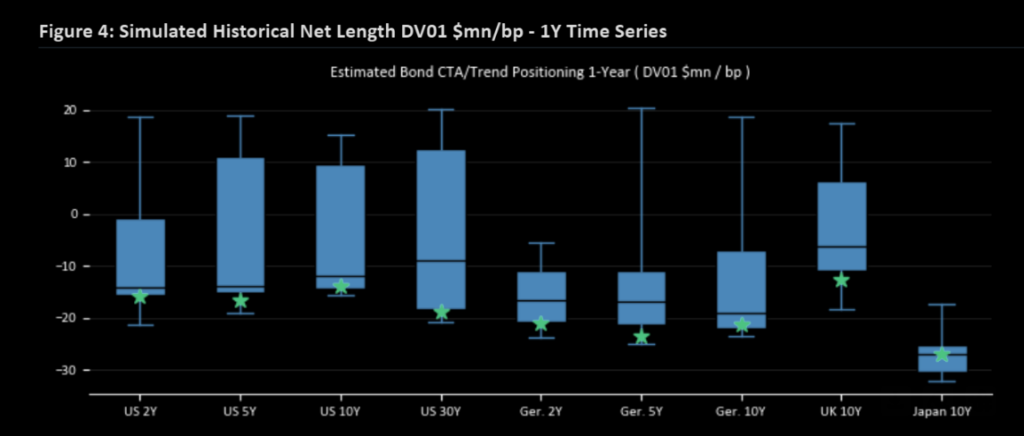
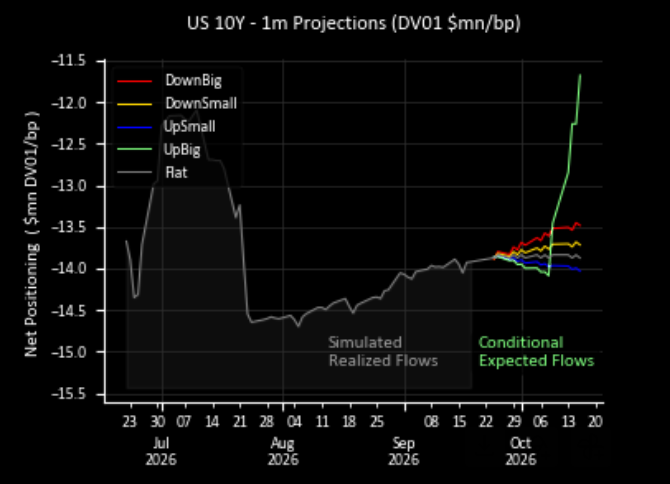
Beyond the energy complex, global financial markets are navigating high-stakes positioning, particularly within the sovereign debt sector. Goldman Sachs estimates that systematic trend-following commodity trading advisors (CTAs) are currently short approximately $171 million of global bond DV01—the dollar change in a position resulting from a one-basis-point shift in yields. This represents the largest aggregate short positioning in global duration since April, with prior readings of comparable magnitude occurring only as far back as February 2022.
This heavy short positioning developed in tandem with rising sovereign bond yields. The benchmark 10-year U.S. Treasury yield closed recent trading at 4.96%, up significantly from 4.64% in late August, and touched 5.01% on multiple mid-September sessions—matching highs not observed since 2007. Concurrently, the 5-year Treasury note fluctuated between 4.35% and 4.83%.
Market strategists note that this configuration creates an asymmetric risk profile. Trend followers do not necessarily require immediate central bank interest rate cuts to trigger a short squeeze; they simply need yields to halt their upward trajectory. If key economic catalysts materialize—such as continued stabilization in crude oil below the $90 mark, moderating inflation readings, or central bank communications that merely confirm existing market pricing rather than introducing hawkish surprises—short covering could accelerate sharply. Analysts emphasize that intermediate Treasury yields falling while the central bank maintains a publicly hawkish posture would serve as a classic signal that market positioning, rather than monetary policy shifts, is dominating the tape.
Financial Sector Divergence and Credit Market Warnings
The broader equity landscape is simultaneously contending with pronounced sector divergences, most notably the underperformance of major financial institutions against surging technology indexes. While the Nasdaq 100 has achieved record highs, premier financial stocks have experienced notable sell-offs. Recent trading sessions saw shares of JPMorgan Chase decline 3.4%, Bank of America drop 3%, and American Express slide 2.6%.
On a year-to-date basis, the Financial Select Sector SPDR Fund (XLF)—which tracks major banks, brokerages, and financial services firms—is down 0.20%, standing in sharp contrast to the broader S&P 500, which has gained over 13%. Smaller regional banks mirrored broader market performance until peaking in early August, after which they surrendered roughly half of their annual gains as bond yields climbed.
While elevated interest rates traditionally bolster net interest margins for commercial banks, the emergence of a flat or inverted yield curve has compressed these spreads. Furthermore, emerging credit concerns surrounding heavy corporate borrowers—particularly firms investing heavily in artificial intelligence infrastructure—have introduced caution into equity valuations. Market participants are closely monitoring upcoming earnings releases for any sharp upticks in loan-loss reserves, which could validate financial sector underperformance and signal tightening credit conditions across the broader economy.
International Contrasts: Japan Challenges Inflation Paradigms
International currency and debt markets are also prompting a reassessment of long-held macroeconomic theories, particularly regarding the relationship between government debt and inflation. The Japanese yen has weakened significantly, with the U.S. dollar buying nearly twice as many yen as it did fifteen years ago. Because Japan imports the vast majority of its energy and a significant portion of its food supply, priced in increasingly expensive U.S. dollars, domestic costs for crude oil and imported foodstuffs have surged in local currency terms.
Furthermore, Japan carries the developed world’s heaviest sovereign debt burden, with public debt hovering at roughly double the proportion of gross domestic product seen in the United States, all without the reserve-currency advantages enjoyed by the U.S. dollar. Conventional economic theory suggests that this combination of a collapsing currency, heavy import reliance, and extreme government indebtedness should ignite runaway inflation.
Yet, official economic data paints a remarkably different picture. Japan’s headline Consumer Price Index (CPI) registers at 1.9%, while core inflation sits at 1.7%—levels notably below those observed in the United States. This domestic outcome has sparked intense debate among economists regarding the structural mechanics of inflation, challenging the conventional narrative that mounting public debt inherently generates domestic price instability.
Economic Calendar and Outlook
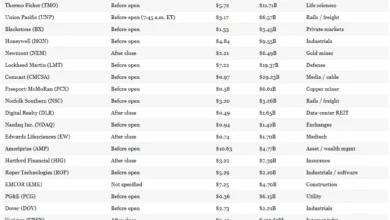
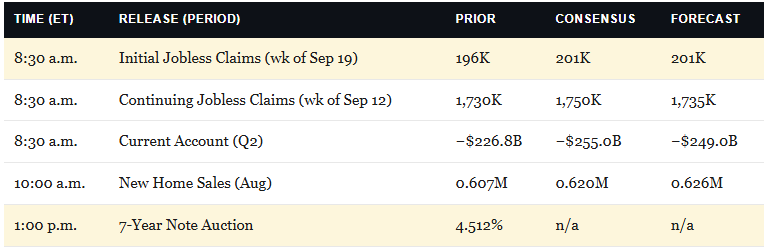
As financial markets navigate these overlapping pressures, investors are turning their attention to a busy schedule of economic data releases and central bank commentary. Federal Reserve officials, including New York Fed President Williams, Richmond Fed President Barkin, Cleveland Fed President Hammack, and Philadelphia Fed President Paulson, are slated to offer perspectives on monetary policy. Additionally, the Federal Reserve Board is scheduled to release its Senior Credit Officer Opinion Survey (SCOOS), providing critical insight into lending standards across the banking sector.

With intermediate Treasury auctions serving as immediate tests of investor demand and global energy markets digesting shifting geopolitical variables, portfolio managers are emphasizing disciplined risk management. Analysts recommend staging duration additions gradually across the 5- to 10-year portion of the yield curve to capitalize on yields near the 5% threshold without overcommitting capital to volatile market timing. As crowded trades unwind across energy, bonds, and equities, market participants remain vigilant for sudden shifts in sentiment.