Animal Spirits Episode Recap September 21 2026: Navigating Modern Market Volatility and Financial Literacy

The financial landscape as of late September 2026 remains defined by rapid technological shifts, persistent geopolitical tensions, and the ongoing recalibration of global monetary policy. In the latest installment of the Animal Spirits podcast, hosted by Ben Carlson, the focus shifted toward the underlying data driving investor sentiment and the practical application of investment strategies in a complex macroeconomic environment. As global markets react to the latest interest rate trajectories and earnings reports, the discussion serves as a critical bridge between raw market data and actionable financial literacy for the retail investor.
The Macroeconomic Climate of Late 2026
The third quarter of 2026 has been marked by a distinct lack of consensus among major financial institutions regarding the path of inflation. Following the aggressive tightening cycles of the mid-2020s, central banks globally have entered a phase of "data-dependent patience." This approach has created a volatile environment for equity markets, where individual stock performance is increasingly decoupled from broader indices.
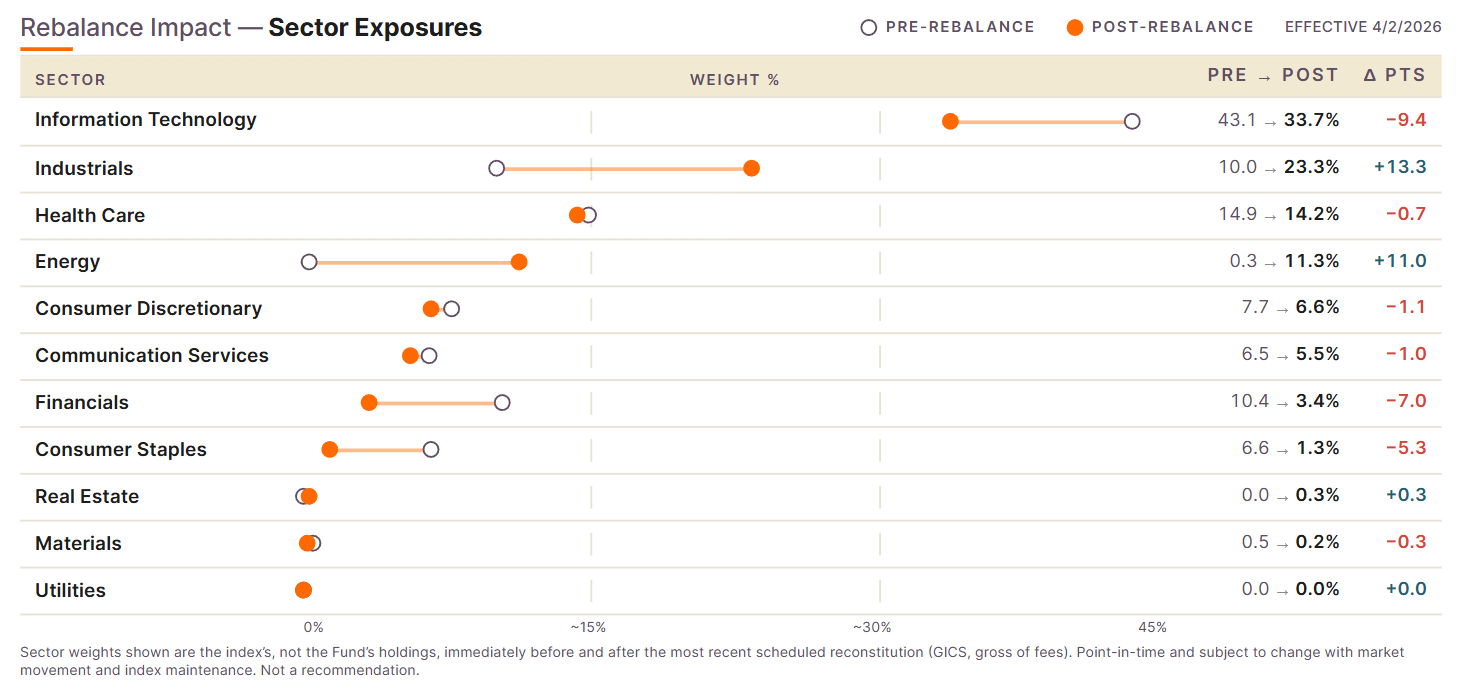
According to data released concurrently with the latest podcast session, industrial production has shown resilience, yet consumer sentiment indices suggest a growing divide between high-net-worth individuals and middle-class households. This divergence is central to the "Animal Spirits" thesis: that market movements are often driven less by fundamental valuation and more by the collective psychology of participants responding to news flows. The inclusion of new market charts in this week’s discussion highlights a trend toward increased sector rotation, with capital flowing rapidly from traditional technology stalwarts into emerging energy-transition sectors and infrastructure-heavy industrials.
Chronology of Market Indicators
To understand the current market state, one must look at the progression of the 2026 fiscal year. In Q1, the markets were dominated by concerns over credit availability. By Q2, the narrative shifted to the impact of artificial intelligence on corporate productivity metrics. Now, in Q3, the focus has settled on the sustainability of corporate profit margins in the face of rising labor costs and potential regulatory shifts.
- January–March 2026: Markets reacted sharply to initial reports of supply chain disruptions in the semiconductor sector.
- April–June 2026: A period of relative stability ensued as labor market participation rates returned to pre-pandemic baselines.
- July–September 2026: The current quarter has seen an uptick in volatility, triggered by the re-evaluation of long-term bond yields and the subsequent impact on equity risk premiums.
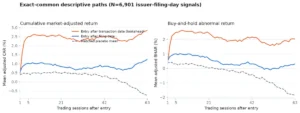
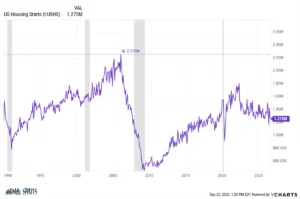
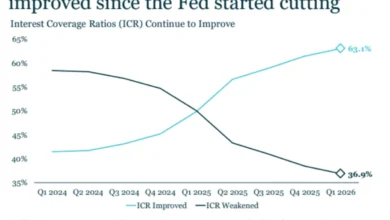
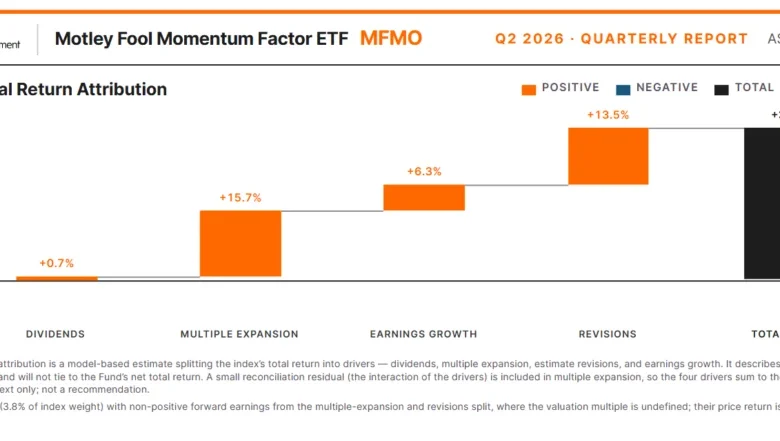
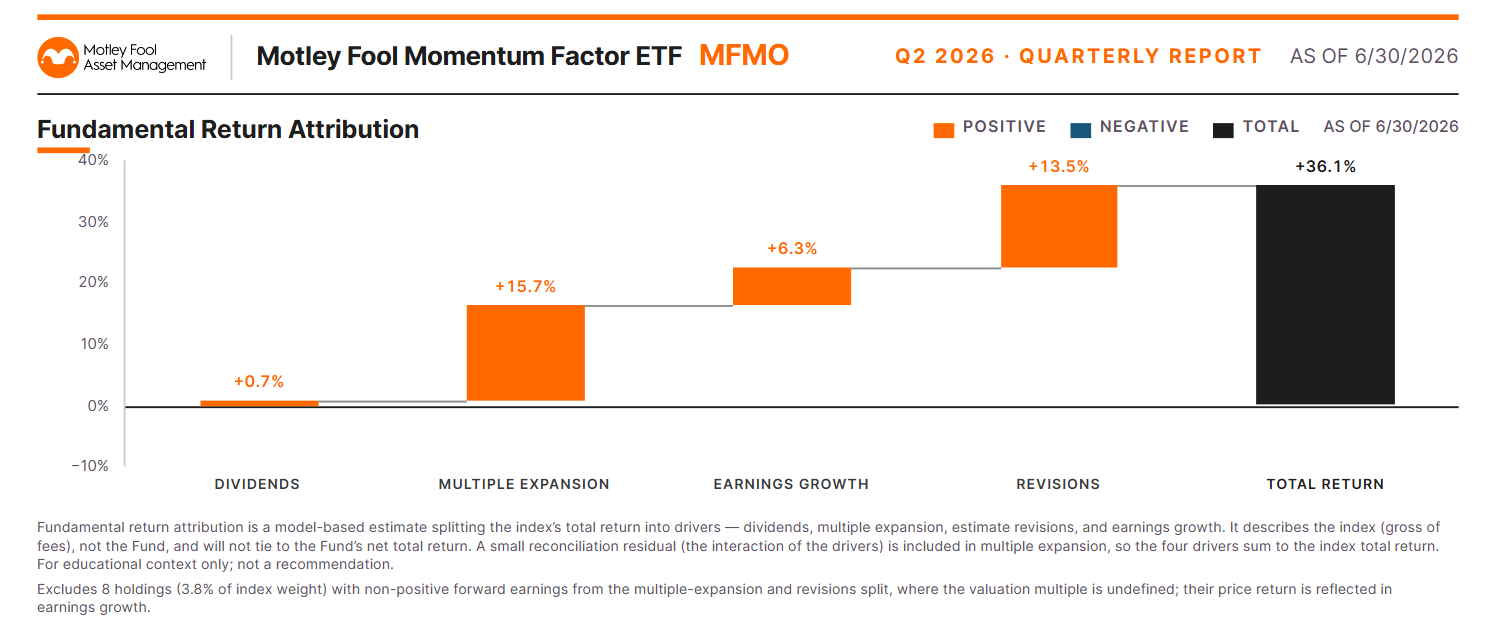
The charts provided by the podcast producers this week illustrate this timeline, visualizing the steady climb of interest rate sensitivity within the S&P 500 and the narrowing of the market breadth as fewer companies drive the majority of the index’s returns.
Analytical Breakdown: Sentiment vs. Data
The core of the discussion centered on the disconnect between objective economic data—such as GDP growth and unemployment rates—and the "animal spirits" that dictate daily trading volume. While the Bureau of Labor Statistics continues to report steady, if slowing, employment gains, the retail investor sentiment, as tracked by various brokerage firm surveys, remains largely skeptical.
This skepticism is not without merit. The cost of capital, while stabilized, remains significantly higher than the zero-interest-rate environment that characterized the decade preceding 2022. Consequently, businesses that rely on cheap debt for expansion are finding themselves under immense pressure. Analysts suggest that this environment favors "quality" factors—companies with strong balance sheets, high free cash flow, and low debt-to-equity ratios. The podcast emphasized that for the average investor, the most effective strategy remains long-term systematic investing, which mitigates the emotional impulse to react to daily news cycles.
Corporate Sponsorship and the Role of Media
The broadcast, sponsored by The Motley Fool, highlights the evolving relationship between investment education and commercial sponsorship. In the contemporary financial media landscape, the challenge lies in maintaining objective analytical standards while operating within a business model that relies on advertising revenue.
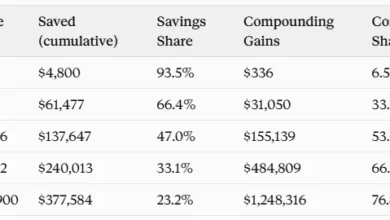
Financial experts note that the democratization of investment information has led to both positive and negative outcomes. On the positive side, retail investors have better access to data than ever before. On the negative side, the sheer volume of information can lead to "analysis paralysis." The podcast’s strategy of utilizing visual aids—such as the charts detailing index performance and sector concentration—serves as a necessary filter for listeners, helping to distill complex data into digestible segments.
Broader Implications for the Retail Investor
The overarching implication of the current market cycle is the necessity of a refined risk management strategy. As the world approaches the end of 2026, the potential for policy shifts remains high. Investors are cautioned against "recency bias," the psychological tendency to assume that the recent past is a reliable indicator of the future.
Furthermore, the discussion touched upon the importance of diversification beyond traditional domestic equities. As global economies continue to move at different speeds, exposure to international markets and alternative assets—such as commodities and real estate investment trusts (REITs)—is increasingly viewed as a standard component of a robust portfolio rather than an outlier strategy.
Expert Perspectives and Market Reactions
While the podcast maintains a casual tone, the underlying themes align with institutional research reports released by firms such as Goldman Sachs and BlackRock. These firms have similarly pointed to the "higher for longer" interest rate environment as the primary catalyst for the current market structure.
The consensus among market analysts is that the remainder of 2026 will be defined by earnings quality. Companies that can demonstrate an ability to grow earnings through operational efficiency rather than simple price increases will likely outperform. For the retail investor, the advice remains consistent: focus on the time horizon rather than the market timer. The "Animal Spirits" approach—acknowledging the emotional, human side of the market—remains a vital tool for maintaining composure when volatility spikes.
Conclusion and Future Outlook
As the financial community looks toward the final quarter of the year, the focus will undoubtedly shift toward year-end tax loss harvesting, portfolio rebalancing, and the preparation for 2027 fiscal projections. The lessons drawn from the September 21, 2026 session reiterate that while the market is an engine of wealth creation, it is also a machine that thrives on uncertainty.
Investors are reminded that no single podcast, article, or chart constitutes individualized financial advice. The volatile nature of speculative securities and the inherent risks of market participation necessitate a disciplined, research-backed approach. By balancing the "animal spirits" of market sentiment with the hard realities of fiscal data, investors can better position themselves to navigate the challenges that lie ahead in the final months of this year and beyond. As the landscape continues to evolve, staying informed and maintaining a clear, long-term perspective remains the most reliable strategy for sustained financial health.