The latest flash Purchasing Managers’ Index (PMI) data from S&P Global paints a vivid, albeit contradictory, portrait of the United States economy as it enters the final quarter of the year. While the headline figures suggest a robust expansion characterized by surging output and aggressive corporate hiring, the underlying metrics reveal a darker narrative defined by intensifying supply chain fractures and a resurgent inflationary environment. These findings indicate that the economy is not merely recovering; it is running hot, pushed to its limits by a combination of resilient consumer demand and persistent structural inefficiencies.
According to the survey, the US economy is currently operating at an annualized GDP growth rate of 5%, an acceleration from the 4% expansion estimated for the third quarter. This growth trajectory is the strongest seen since early 2015, excluding the erratic fluctuations observed during the post-pandemic reopening phase. Corporate sentiment remains overwhelmingly bullish, with firms reporting healthy earnings and expanding their workforce capacities at the second-fastest pace recorded in over four years to meet growing domestic and export-oriented demand.
Chronology of the Current Economic Cycle
To understand the gravity of the October data, one must look at the recent timeline of the US economic landscape. Throughout the late summer and early autumn, businesses faced a "softening" of expectations that never materialized. Instead, the period from August to October has been marked by a reversal of cooling trends.
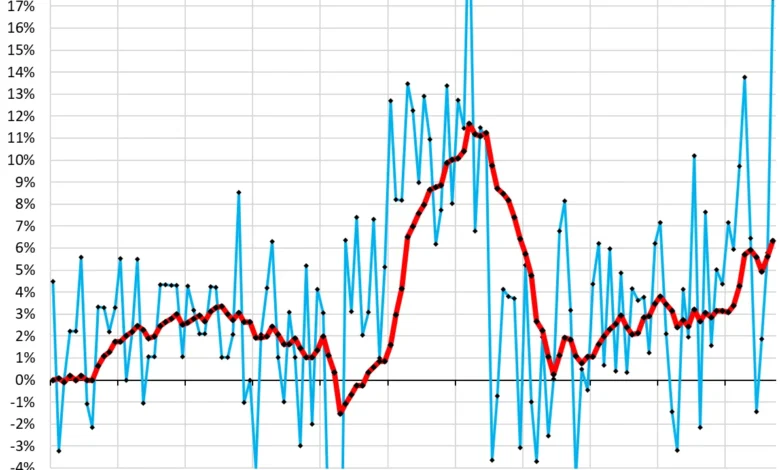
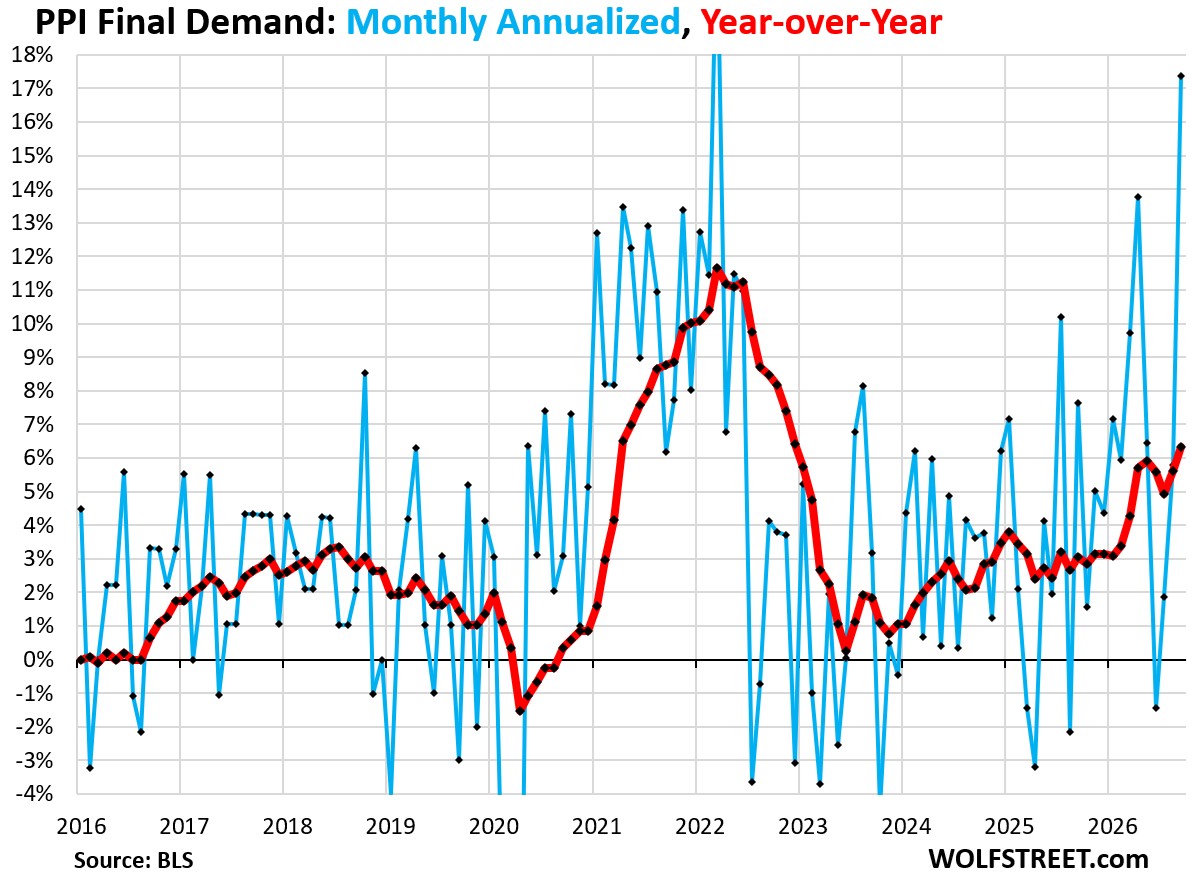
In September, the Producer Price Index (PPI) surged by 6.3% on a year-over-year basis, marking the most significant inflationary pressure on businesses since December 2022. This served as a leading indicator for the October PMI data, which confirms that the cost-push inflation felt by manufacturers and service providers is not only persisting but deepening. While the Fed initiated interest rate cuts last autumn in an attempt to stimulate growth, the current data suggests that the economy has responded with such force that the risk of inflation spiraling out of control has returned to the forefront of policy discourse.
Supply Chain Bottlenecks and Manufacturing Strain
The manufacturing sector, often the bellwether for industrial health, reported a flash PMI of 56.0 for October. This figure represents the fastest growth rate since May 2022. However, this growth is being severely hampered by supply-side constraints. Manufacturers reported that supplier delivery times have lengthened to their most significant degree in over two years.

The causes are multifaceted:
- Material Shortages: Persistent deficits in essential raw materials, including steel, aluminum, and copper, have driven input costs to levels not seen in years.
- Logistical Failures: Import delays and shipping congestion have combined with domestic labor shortages to create a "perfect storm" for production lines.
- Energy Impacts: The renewed surge in global oil prices has acted as a multiplier, inflating the cost of freight, fuel, and energy-intensive manufacturing processes.
Manufacturers are no longer merely absorbing these costs; they are passing them on to the consumer. The data indicates that selling prices for manufactured goods increased at the fastest rate since July 2022. This shift confirms that the inflation cycle is moving from the supply chain into the final market, setting the stage for higher consumer-facing inflation in the coming months.
Services Sector Activity and Labor Market Pressures
The Services PMI Business Activity Index, which tracks a vast portion of the US economy, arrived at 57.9 for October. This is the second-highest growth rate in nearly five years, surpassed only by the figures from September. Unlike manufacturing, which is constrained by physical materials, the services sector is grappling with rising operational costs related to human capital and infrastructure.
Service providers have cited a steep increase in wage expenditures, utility costs, and rising insurance premiums as primary drivers of their price hikes. The services sector inflation rate has now reached its highest point since August 2022. This is particularly concerning to economists, as services inflation tends to be "stickier" than goods inflation, meaning it is more difficult to reverse once it becomes embedded in the broader economy.
The surge in hiring—the fastest pace in over four years—is a double-edged sword. While it signals confidence and provides employment, it also exacerbates the competition for labor, driving wage growth that, in an environment of rising prices, risks fueling a wage-price spiral.
Policy Implications and the Federal Reserve’s Dilemma
The "hot" economy described by the S&P data presents a significant challenge to the Federal Reserve. For months, the prevailing narrative was that the economy would eventually decelerate under the weight of previous policy actions. Instead, the economy has demonstrated an unexpected degree of resilience.
The current administration’s fiscal stance has been one of continued spending, which, in the absence of tax reform or significant deficit reduction, has effectively kept the economy in a high-demand state. When combined with the Fed’s previous decision to lower rates during a period of accelerating inflation, the result is an economy that lacks a natural cooling mechanism.
The implications are clear: the Federal Reserve is caught in a delicate balancing act. While it has shifted toward a policy of moderate rate adjustments, the October data suggests that "preventing the process from spiraling out of control" may require a more hawkish approach than previously anticipated. The market is now looking toward upcoming FOMC meetings with heightened scrutiny, as the expectation of a "soft landing" fades in favor of a reality where the economy remains stubbornly hot.
Analysis of Future Economic Risks
The primary risk currently facing the US economy is the decoupling of growth from price stability. Usually, an economy growing at 5% might be expected to show some signs of price pressure, but the current levels of cost-push inflation are historically abnormal for this stage of a business cycle.
- Inflationary Persistence: Because companies have reported the sharpest increase in selling prices in four years, the Consumer Price Index (CPI) is likely to see an upward bias in the coming quarter. This will put further pressure on the purchasing power of households.
- Backlog Growth: The accumulation of order backlogs, which are currently at their highest levels since May 2022, provides a cushion for current production levels. However, it also suggests that companies are struggling to clear their existing demand, which will likely lead to further capital expenditure and potential capacity strain.
- The PPI-CPI Linkage: The Producer Price Index, which tracks the costs businesses face, serves as a leading indicator for consumer prices. With the PPI at its worst level since 2022, the inflationary shock currently hitting businesses is effectively an "inflationary debt" that will be paid by consumers in the form of higher prices at the register in the near future.
Conclusion
The October flash PMI data provides a comprehensive, if sobering, look at the state of the US economy. The growth figures are undoubtedly impressive, reflecting a level of activity that has defied many analyst projections. However, the data also serves as a stark reminder that growth without a stable supply chain and stable input prices is inherently volatile.
As businesses continue to navigate labor shortages, energy price volatility, and material scarcity, the focus for the remainder of the year will shift from growth metrics to inflation metrics. The ability of the US economy to sustain this level of activity without triggering a more severe inflationary reaction remains the primary uncertainty for investors, policymakers, and consumers alike. The data from October is not just a report on the past month; it is an advance notice of the economic pressures that will define the early stages of the next fiscal year. Whether the Federal Reserve and the broader market can manage these pressures without triggering a sharp contraction remains the central question for the American economic outlook.