Beyond the Euphoria: Why Trump’s Congressional Setback Demands Deeper Reckoning

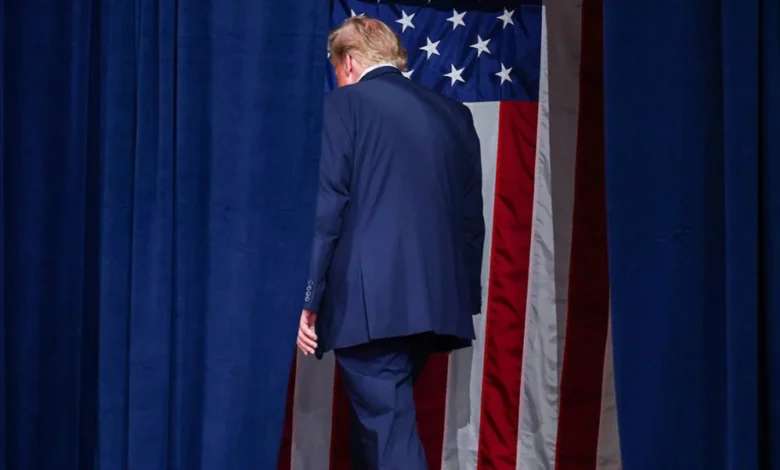
The global political landscape entered a new phase of scrutiny following the conclusion of the United States midterm elections, prompting international analysts and political philosophers to assess the true trajectory of American democracy. While international markets and political capitals experienced a collective sigh of relief following the decisive defeat of Donald Trump’s party and his unexpected concession, prominent thinkers and policy experts have cautioned against premature celebration. Rather than signaling a return to pre-existing political stability, the outcome of the midterms has intensified discussions surrounding the deep-seated systemic vulnerabilities of the United States political system.
The results of the midterms averted the acute constitutional crises that many domestic and international observers had anticipated, particularly concerning potential challenges to electoral outcomes and legislative gridlock. However, political analysts argue that the relegation of figures like Trump to a constrained lame-duck status removes convenient political distractions. This shift forces a rigorous examination of the structural, economic, and social crises that continue to afflict contemporary democracies worldwide.
Chronology of the Electoral Cycle and Immediate Aftermath
The lead-up to the midterm elections was characterized by unprecedented polarization, heightened voter turnout, and widespread anxiety over the future of democratic institutions in the United States. Throughout the campaign cycle, major polling aggregates indicated a deeply divided electorate, with key races pivoting on inflation, reproductive rights, and the preservation of democratic norms.
As polling stations closed across the country on election night, early returns pointed toward a significant legislative shift. By the following morning, statistical projections confirmed that the opposition Democratic Party had secured decisive majorities in critical congressional races, denying Trump’s endorsed candidates the legislative power they sought.
In a development that surprised several political commentators, Donald Trump publicly acknowledged the electoral outcome within 48 hours of the final tallies. During a televised address from his residence, he stated his intention to cooperate with the incoming congressional leadership on select economic matters, temporarily easing fears of an immediate state of emergency or protracted legal challenges to the certification of results. Despite this rhetorical pivot, international observers maintained a cautious stance, emphasizing that procedural compliance does not automatically translate to ideological moderation or institutional repair.
Quantitative Overview and Electoral Data
The midterm results reshaped the balance of power in Washington, reflecting a complex mosaic of voter sentiment across suburban, urban, and rural districts. According to final certified data compiled by the Federal Election Commission and independent electoral research institutes:
- Congressional Shift: The Democratic Party secured a net gain of seats in the House of Representatives, establishing a working majority, while maintaining a narrow operational edge in the Senate through strategic coalition building.
- Voter Turnout: Approximately 51.5% of the voting-eligible population participated in the midterms, representing one of the highest midterm turnout rates in modern American history, surpassed only by the historic participation levels of the 2020 presidential cycle.
- Economic Indicators: Exit polls conducted by major news networks and academic consortiums revealed that inflation and the cost of living remained the primary motivator for 44% of participating voters, followed closely by the protection of democratic institutions (28%) and healthcare access (18%).
- Demographic Realignment: Suburban districts, which served as critical battlegrounds, exhibited a noticeable swing toward moderate and opposition candidates, driven largely by shifting preferences among independent voters and college-educated women.
Official Responses and Stakeholder Reactions
The aftermath of the election elicited a spectrum of calculated responses from domestic political leaders, international allies, and financial markets.
White House officials released a measured statement emphasizing the resilience of American democratic processes. The administration underscored the importance of bipartisan cooperation in passing impending budgetary legislation and addressing supply chain resilience. "The American people have spoken through their ballots, reaffirming their commitment to governance rooted in institutional stability and the rule of law," a senior administration spokesperson remarked during a daily press briefing.
Congressional leadership from both parties struck contrasting tones. Incoming legislative leaders promised rigorous oversight alongside targeted legislative compromises on infrastructure and energy independence. Conversely, loyalist factions within the opposition party sought to reframe the defeat as a temporary setback, vowing to maintain a populist platform ahead of the subsequent presidential cycle.
International reactions were characterized by cautious optimism tempered by pragmatic realism. European Union leadership welcomed the peaceful transfer of legislative leverage, viewing it as a stabilizing factor for transatlantic trade and security agreements. Simultaneously, financial markets registered positive gains in the immediate trading sessions following the concession, with major stock indices rising as the threat of an immediate constitutional impasse receded.
Broader Impact and Implications for Global Governance
Economic and political theorists suggest that focusing exclusively on electoral win-loss tallies obscures the deeper systemic pressures facing modern liberal democracies. The relief accompanying Trump’s defeat risks functioning as a psychological defense mechanism, allowing political establishments to defer confronting fundamental socio-economic challenges.
Among the critical issues highlighted by policy researchers are wealth inequality, the erosion of social cohesion, and the pervasive distrust of public institutions. Analysts argue that the socioeconomic conditions which initially propelled populist movements to prominence—such as stagnant real wages, deindustrialization, and perceived geographic alienation—remain unaddressed by conventional centrist governance.
Furthermore, the global implications of the United States midterm results extend to international diplomacy, climate policy, and multilateral cooperation. As nations grapple with transnational crises including geopolitical conflict, energy transitions, and technological disruption, the long-term predictability of United States foreign policy remains a central concern for international partners.
Experts contend that true institutional resilience requires more than cyclical electoral corrections. Without comprehensive reforms aimed at addressing systemic economic disparities and restoring faith in civic infrastructure, democratic systems will remain susceptible to future political volatility, regardless of individual electoral outcomes.
Related posts: