Ethiopia Cuts Bitcoin Mining Electricity Supply to 23 Percent Amid Severe Hydro-Dependent Energy Shortages

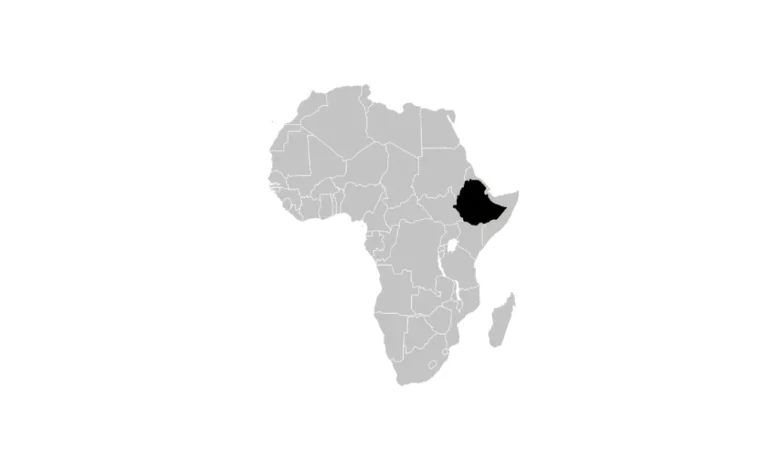
Ethiopia has drastically reduced the electricity supplied to Bitcoin mining companies, slashing power allocations to just 23 percent of contracted levels. The decision comes as plunging water inflows severely strain the nation’s hydro-dependent power grid, prompting the state-owned utility to prioritize domestic households and local manufacturing sectors.
The move marks a critical turning point for East Africa’s largest renewable energy grid, illustrating the profound vulnerabilities of relying heavily on hydroelectric generation in an era marked by climate anomalies and shifting weather patterns.
Escalating Curtailments and Contracting Adjustments
According to Ashebir Balcha, Chief Executive Officer of Ethiopian Electric Power (EEP), the state utility initially scaled back electricity deliveries to data-mining operators to 75 percent of contracted volumes. As reservoir levels continued to plummet, allocations were further reduced to 50 percent before reaching the current drastic low of 23 percent.
Under standard power-purchase agreements (PPAs), EEP had originally committed to supplying digital asset mining firms with 98 percent of their contracted electrical capacity. However, these agreements have proven flexible enough for the utility to enact emergency load-shedding protocols.
The primary catalyst behind these cuts is a staggering 20 percent decline in water inflows into Ethiopia’s primary hydroelectric reservoirs. Meteorological pressures, heavily influenced by El Niño-related dry conditions, have severely depleted water levels across the country’s river basins. Because hydropower accounts for approximately 95 percent of EEP’s total generation mix, the national power grid is acutely vulnerable to rainfall deficits and seasonal hydrological shifts.
The Economic Dilemma: Revenue Versus Public Priority
The forced curtailment exposes a high-stakes economic trade-off at the center of Ethiopia’s national digital asset strategy. In recent years, the Horn of Africa nation has positioned itself as an emerging global haven for cryptocurrency miners, leveraging its abundant renewable energy potential and highly competitive power tariffs.
Data-mining corporations have rapidly evolved into major commercial entities within the Ethiopian economy. During the previous financial year, these companies generated approximately 50.37 billion birr for EEP, establishing themselves as the utility’s single largest revenue-generating customer category. Industry reports cited by Bloomberg further estimate that crypto mining firms historically accounted for roughly 35 percent of EEP’s overall revenue while consuming nearly one-third of Ethiopia’s total domestic electricity output.

Despite the lucrative nature of these contracts, EEP leadership has chosen to sacrifice substantial corporate income to safeguard domestic stability.
"The people come first," Balcha stated during EEP’s annual performance briefing, explaining the rationale behind the energy rationing.
The utility’s immediate priority is ensuring uninterrupted power for public consumption and local industrial growth. Consequently, electricity exports to neighboring countries are also facing potential restrictions as the country navigates what domestic market analysts have termed a "rationing season."
Chronology of Ethiopia’s Bitcoin Mining Boom and Squeeze
The current crisis follows a rapid, aggressive expansion of the crypto-mining sector within Ethiopia over the preceding twenty-four months:
- 2023–2024: Ethiopia actively courts foreign cryptocurrency miners, signing power-purchase agreements with dozens of international firms looking for cheap, green energy sources following China’s domestic mining ban and subsequent global relocations. EEP ultimately signs agreements with 39 Bitcoin-mining entities, of which 31 successfully operationalize their facilities.
- Mid-2024: As infrastructure capacity approaches its limits, regulatory authorities institute a temporary halt on issuing new power permits for cryptocurrency mining operations, signaling a growing realization of grid constraints.
- Late 2024 to Early 2025: EEP implements comprehensive tariff reforms and financial restructuring initiatives, successfully moving approximately $1.64 billion of legacy debt off its books while boosting overall annual revenues to roughly $739.7 million for the 2025/26 fiscal cycle. Gross profits reach approximately $245.5 million.
- Late 2025/Early 2026: El Niño-induced dry spells lead to a 20 percent drop in reservoir water inflows. Despite EEP’s total installed generation capacity rising 23 percent to 9,730 megawatts, capacity utilization drops to 60 percent—falling well short of the utility’s 67 percent operational target.
- Current Phase: EEP begins incremental power rollbacks for miners, eventually reducing allocations to 23 percent. EEP officials announce that the broader energy situation will undergo a formal review in October 2026 to determine whether further restrictions or long-term structural changes are required.
Broader Implications for Global Crypto Mining
The unfolding situation in Ethiopia serves as a cautionary case study for developing nations attempting to leverage energy-intensive technology sectors for rapid economic development. While Bitcoin miners offer substantial inflows of hard foreign currency and immediate revenue for state utilities when power surpluses exist, they represent an inflexible load that can easily destabilize grids during environmental stress tests.
Furthermore, the crisis highlights the limits of branding a nation as a purely "renewable" mining hub without accounting for the intermittency and climate sensitivity of hydroelectric systems. As global climate volatility increases, nations relying solely on water-driven power grids may find themselves forced to choose between feeding energy-hungry blockchain infrastructure and supplying basic municipal needs.
EEP has indicated that it will closely monitor weather patterns and reservoir capacities through the year, with a comprehensive reassessment scheduled for October 2026. Until hydrological conditions normalize, Ethiopia’s ambitions as a premier global Bitcoin mining jurisdiction will remain strictly subordinated to the immediate energy demands of its domestic population and traditional manufacturing sectors.