Predicting the Future of Gold Prices Using Machine Learning Regression Techniques

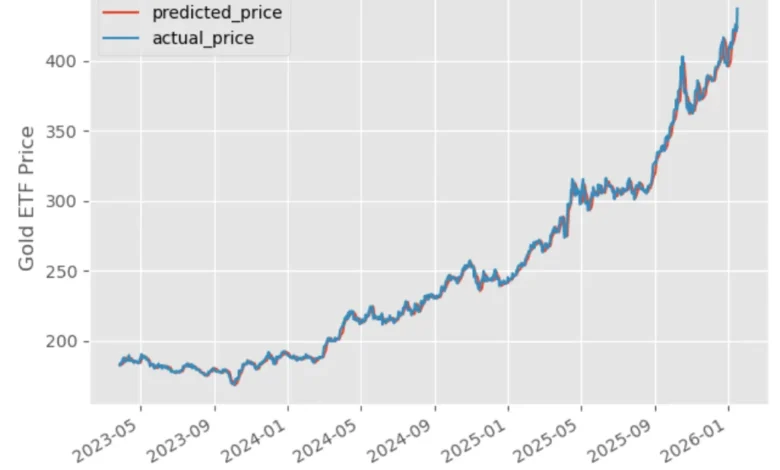
The quest to forecast the trajectory of gold, one of the world’s most enduring financial assets, has transitioned from traditional macroeconomic analysis to the sophisticated realm of data science. As investors increasingly rely on algorithmic models to navigate market volatility, machine learning—specifically linear regression—has emerged as a foundational tool for estimating the future price of the SPDR Gold Shares (GLD) exchange-traded fund. By leveraging historical price data and identifying statistical relationships, traders are now constructing predictive pipelines designed to move beyond intuition and into the domain of quantifiable, systematic decision-making.

Gold has historically served as a critical safe-haven asset, particularly during periods of geopolitical instability, inflationary pressure, and currency devaluation. Because gold does not pay dividends or interest, its valuation is primarily driven by market sentiment, interest rate environments, and supply-demand dynamics. Given this complexity, the application of linear regression provides a structured framework to filter out market noise and focus on price trends, enabling a more disciplined approach to asset allocation.
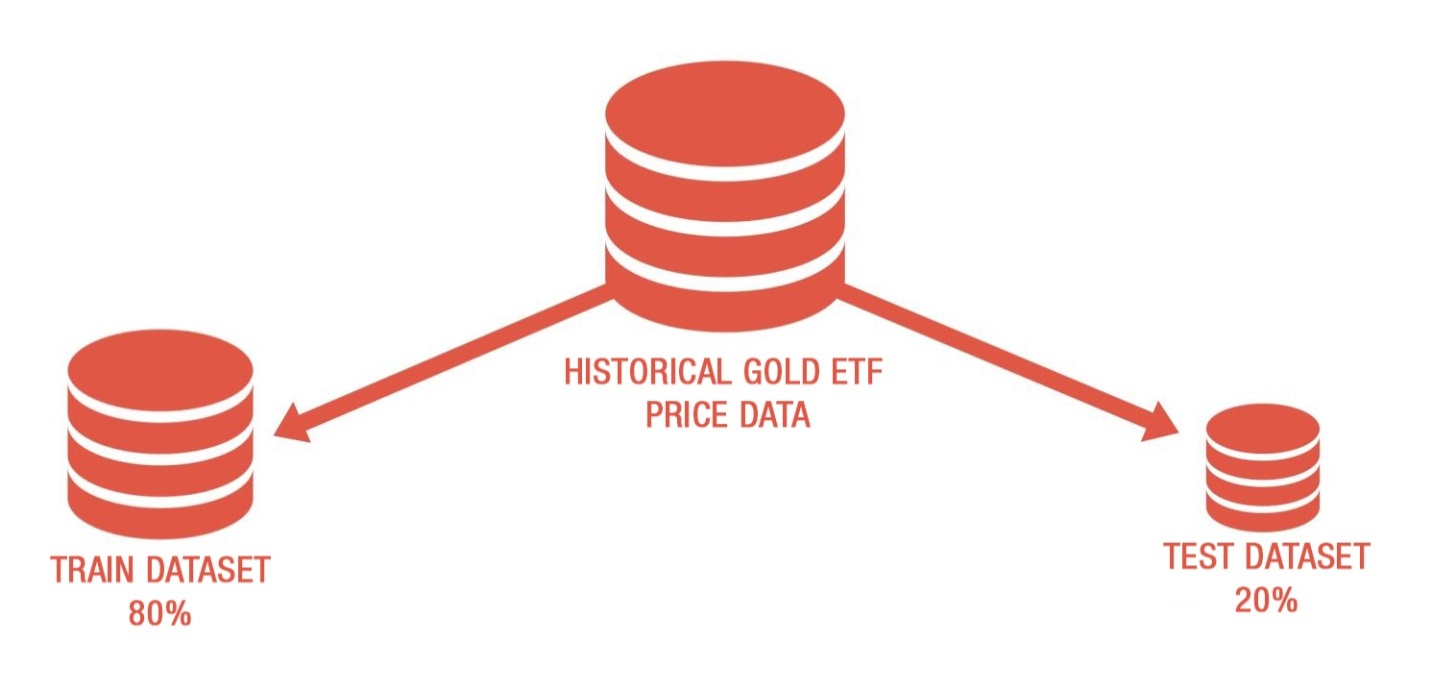
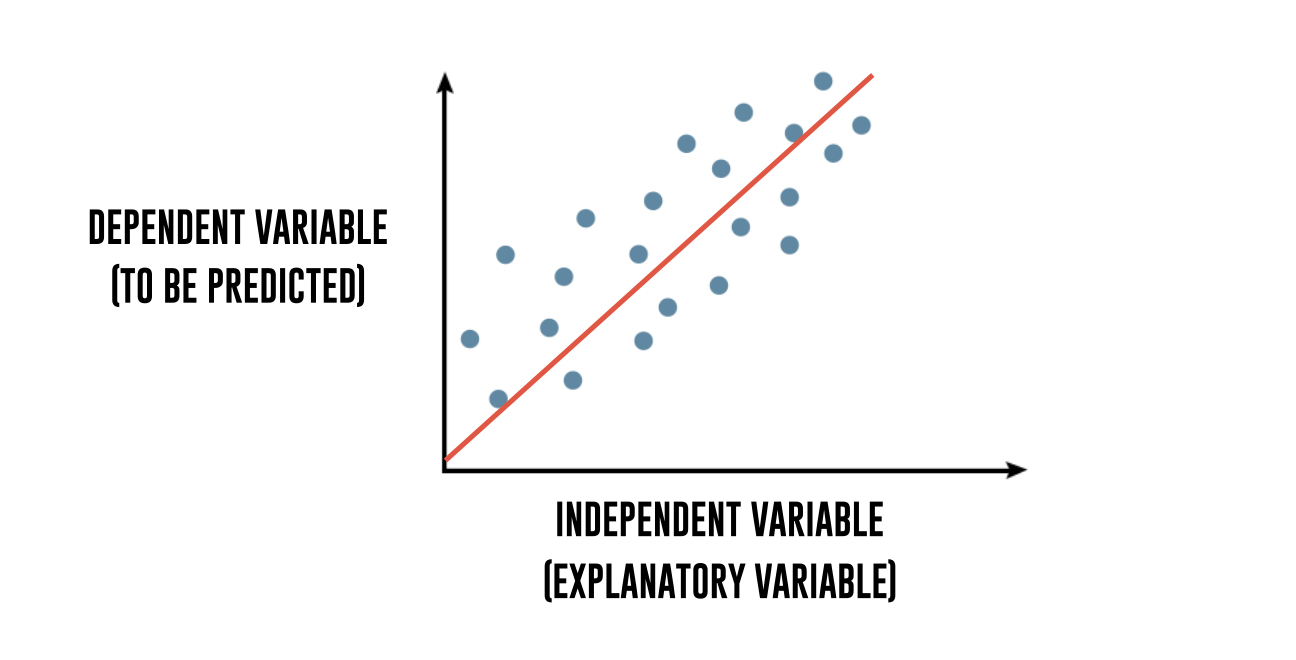
The mechanics of this predictive modeling process begin with data acquisition. Analysts typically ingest over a decade of historical daily closing prices for the GLD ETF, which tracks the price of physical gold bullion. This time-series data undergoes rigorous cleaning to remove inconsistencies and null values, a process that is vital for ensuring the integrity of the regression model. In the context of financial markets, the primary objective is to define an explanatory variable—the independent input—that can reliably forecast the dependent target variable: the closing price of gold on the subsequent trading day.
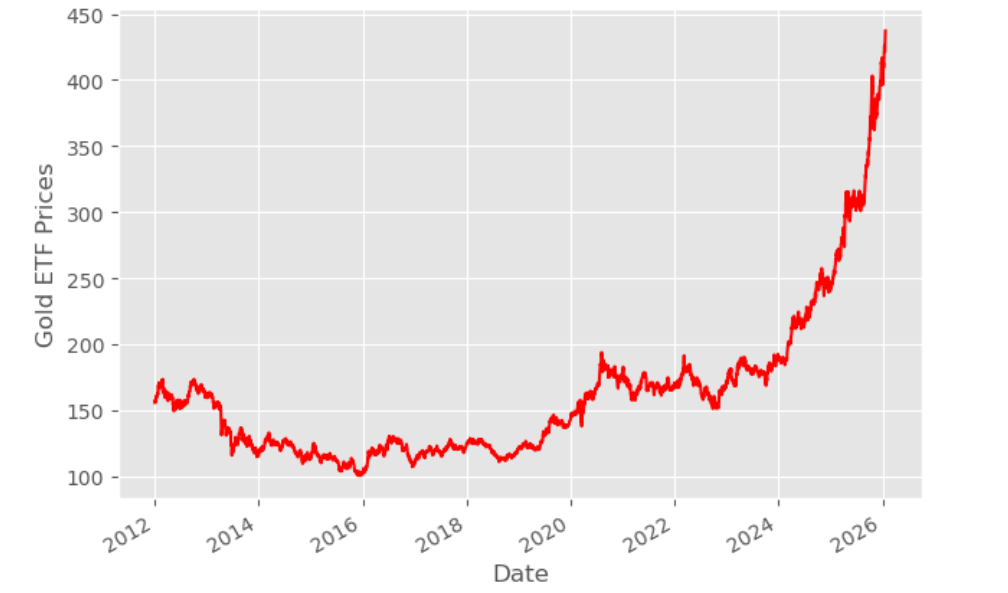
To build these inputs, practitioners often employ feature engineering, utilizing technical indicators such as the 3-day and 9-day moving averages. These indicators serve as smoothed representations of short-term and medium-term momentum, effectively capturing the cyclical nature of price movements. By shifting the target price data backward by one day, the model is trained to associate today’s technical indicators with tomorrow’s market outcome.
A significant hurdle in time-series financial analysis is the phenomenon of non-stationarity. In financial markets, price data is rarely stationary, meaning its mean and variance tend to drift over time, which can render traditional statistical models unreliable. When a dataset is non-stationary, the relationships between variables may be spurious, leading to inaccurate predictions. To overcome this, researchers often employ cointegration testing. Cointegration confirms whether two non-stationary series—such as a moving average and a future price—share a long-term equilibrium relationship. If these variables are cointegrated, it validates the use of Ordinary Least Squares (OLS) regression, as the residuals of the model are likely to remain stable over time, ensuring the statistical validity of the forecast.
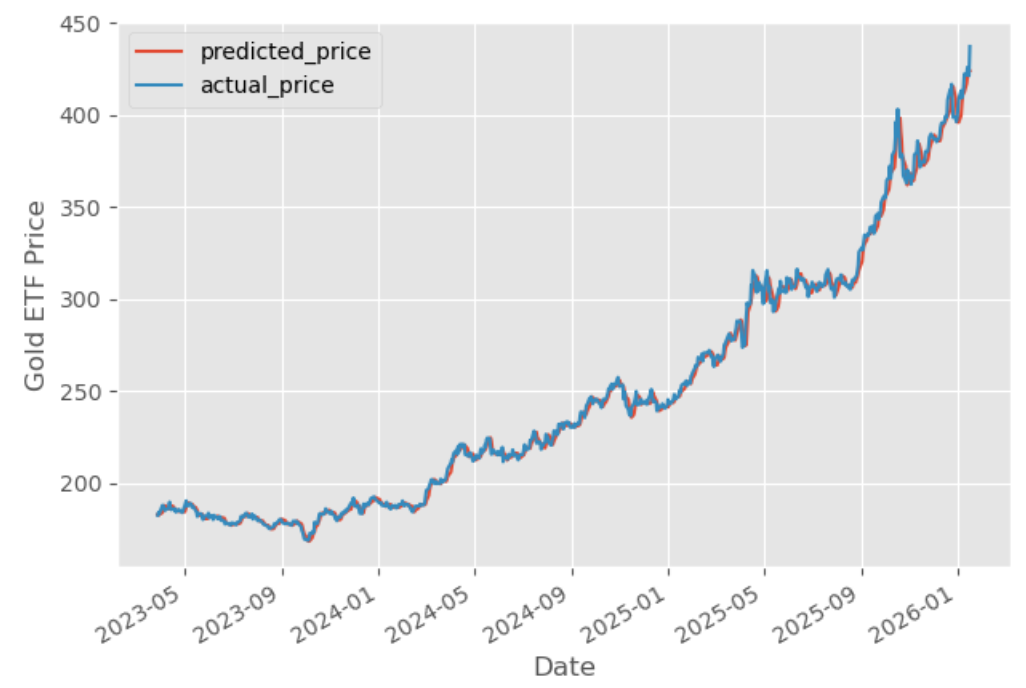
The linear regression equation—expressed as Y = m1X1 + m2X2 + C—functions as the mathematical engine of this process. By fitting the model to training data, the algorithm calculates the coefficients (m1 and m2) that minimize the error between the predicted and actual prices. When evaluated against historical data, models often demonstrate high R-squared values, sometimes exceeding 99%. While such high metrics might suggest near-perfect predictive power, the reality of market application is far more nuanced.
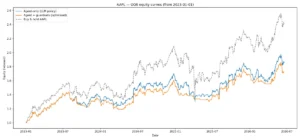
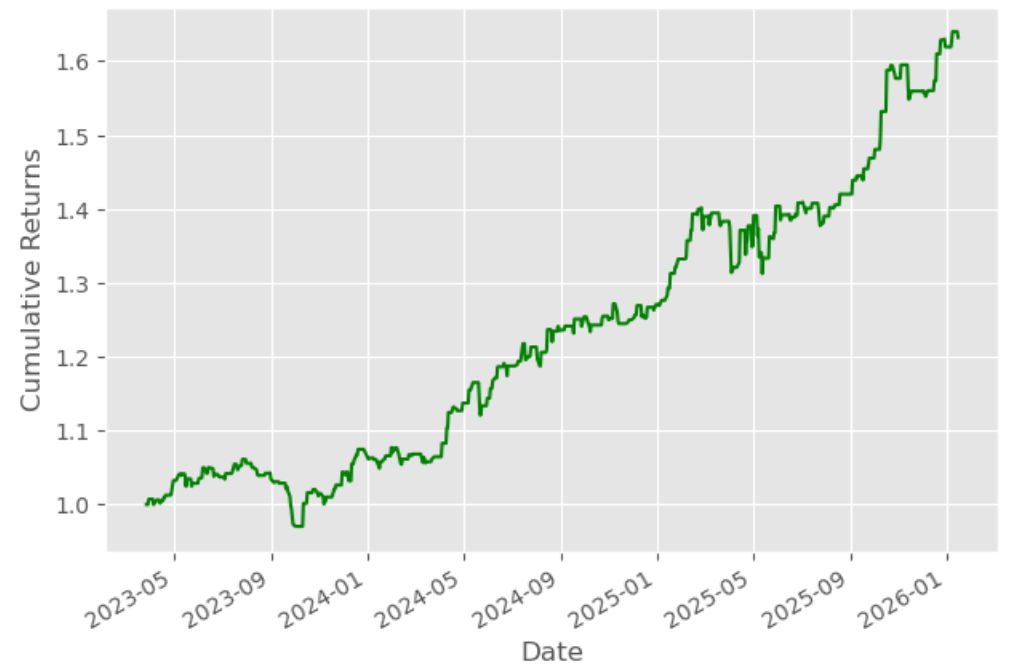
The discrepancy between statistical accuracy and real-world profitability is a central concern for quantitative traders. A model may accurately track the general price level of gold while failing to generate consistent risk-adjusted returns. This is often attributed to the limitations of simple linear models in capturing the non-linear, high-frequency volatility inherent in global commodity markets. Factors such as transaction costs, slippage, and the "unidirectional" nature of simple long-only strategies frequently erode the potential gains suggested by backtesting. For instance, a strategy that relies solely on price-level prediction without incorporating risk management, stop-loss mechanisms, or short-selling capabilities often results in a modest Sharpe ratio, indicating that the returns may not adequately compensate for the volatility experienced during the holding period.
To evolve these models into robust, scalable trading systems, the industry is increasingly moving toward more sophisticated algorithmic architectures. While linear regression remains an excellent pedagogical tool for understanding the mechanics of supervised learning, it is often treated as a baseline rather than a terminal solution. Advanced machine learning techniques, such as Support Vector Regression (SVR), Random Forests, and Gradient Boosting Machines (like XGBoost), offer greater capacity to detect complex, non-linear relationships within market data. Furthermore, the integration of sentiment analysis—parsing news headlines, central bank announcements, and social media trends—has become a standard practice for enhancing the predictive performance of gold models.
The broader implications of these developments are profound for institutional and retail investors alike. As machine learning becomes more accessible, the democratization of quantitative finance allows individual traders to build pipelines that were previously the domain of proprietary trading firms. However, this accessibility brings a warning: historical patterns do not guarantee future performance. The "black box" nature of some machine learning models poses risks, particularly when market regimes shift suddenly, such as during unexpected interest rate hikes or geopolitical black swan events.
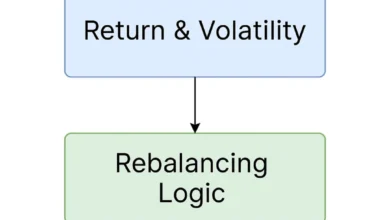
For those looking to advance their capabilities, the current industry focus is on building "modular" pipelines. This involves standardizing the data ingestion, feature engineering, and model training phases so that different algorithms can be swapped in and out with minimal code restructuring. By maintaining a modular architecture, a trader can start with a simple linear regression model and progressively upgrade to deep learning frameworks without needing to rebuild the entire infrastructure from scratch.
Ultimately, the goal of using machine learning for gold price prediction is not to achieve a "crystal ball" that perfectly forecasts every market tick. Instead, it is to provide a systematic, data-driven approach that removes emotional bias from trading. By understanding the underlying statistical properties of the assets—including the role of cointegration and the limitations of linear models—investors can better navigate the complexities of the commodities market.
As we look toward the future of algorithmic trading, the emphasis remains on the refinement of feature engineering. The most successful models are rarely those with the most complex architecture, but rather those that identify the most meaningful signals within the noise of global financial data. Whether through the inclusion of interest rate spreads, currency fluctuations, or supply chain data, the evolution of gold price forecasting continues to be a rigorous test of both statistical discipline and financial creativity. As practitioners continue to refine these methodologies, the bridge between academic machine learning and practical, profitable trading strategies will continue to shorten, offering new avenues for risk management and capital growth in an increasingly digital financial landscape.
The transition from manual analysis to automated regression modeling marks a significant milestone in how market participants interact with precious metals. While the journey from a simple 3-day moving average model to a high-frequency, AI-driven strategy is complex, the fundamental objective remains unchanged: to decipher the language of the market and make informed, objective decisions in an environment defined by constant change. As these tools continue to evolve, they will undoubtedly play a critical role in the strategies of the next generation of market participants.