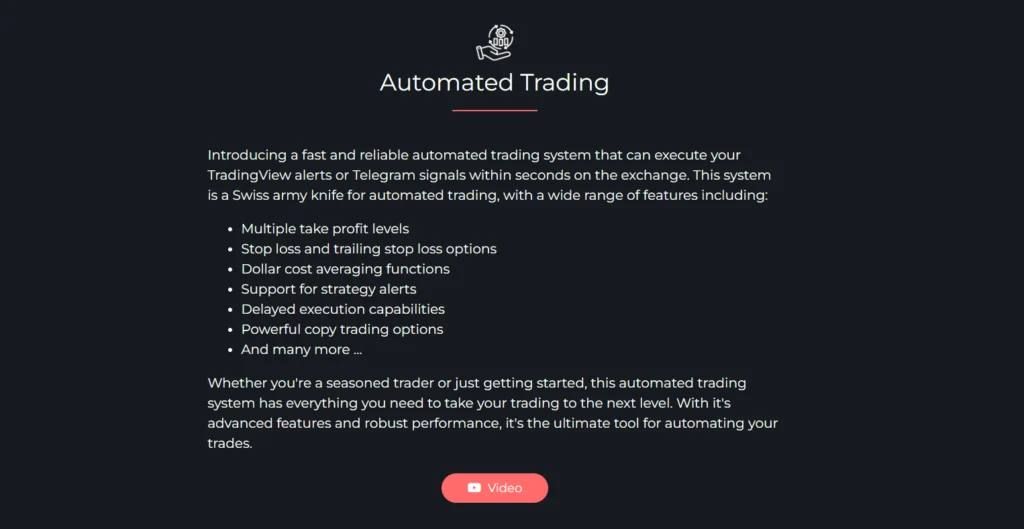
TradingView Hub (TV-Hub) stands as a pivotal automation platform engineered to bridge the operational gap between analytical insights generated on TradingView and their real-time execution as trades on cryptocurrency exchanges. In an increasingly fast-paced and data-driven crypto market, the ability to convert strategic alerts into actionable orders without manual intervention has become a significant advantage for traders. TV-Hub aims to fill this critical need, serving as an essential conduit that transforms theoretical trading signals into tangible market positions. This comprehensive review will delve into the architecture, functionalities, and implications of the TradingView Hub, examining its role in enhancing trading efficiency and consistency for a diverse user base.
The Evolution of Automated Trading in Crypto
The cryptocurrency market, characterized by its 24/7 operation and high volatility, presents both immense opportunities and considerable challenges for traders. Historically, executing trades based on technical analysis or fundamental signals often involved manual processes: monitoring charts, receiving alerts, logging into an exchange, and placing orders. This manual chain of events is prone to delays, human error, and emotional biases such as fear of missing out (FOMO) or fear, uncertainty, and doubt (FUD), which can significantly impact trade outcomes. The rise of algorithmic trading has long been a staple in traditional finance, offering speed, precision, and emotionless execution. However, such sophisticated tools were often inaccessible to the average retail crypto trader due to complexity and cost.
Over the past few few years, the demand for accessible automation tools in the crypto space has surged. Traders began seeking ways to institutionalize their retail operations, leveraging platforms like TradingView for advanced charting and alerting capabilities. Yet, the final step – execution – remained largely manual until platforms like TV-Hub emerged. These platforms democratize access to automated execution, allowing individual traders to deploy strategies with a level of precision and speed previously reserved for institutional players. This shift marks a significant step in the maturation of the retail crypto trading ecosystem, empowering traders to focus more on strategy development and less on the mechanics of execution.
What is TradingView Hub? An In-Depth Look
At its core, TV-Hub functions as an intelligent "middle layer" or middleware, situated between a user’s analytical environment (TradingView) and their trading venue (a crypto exchange). Its fundamental purpose is to interpret structured trading instructions embedded within TradingView alerts and translate them into executable orders on a connected exchange account. The connectivity is established securely via API keys, granting TV-Hub the necessary permissions to place and manage trades on the user’s behalf, without granting withdrawal access.
It is crucial to define what TV-Hub is and is not to avoid common misconceptions. TV-Hub is not a crypto exchange; it does not hold user funds. It is not a signal provider or an artificial intelligence that generates trading recommendations; it merely executes instructions it receives. Furthermore, it is not a trading bot that autonomously develops and deploys strategies. Instead, TV-Hub is an execution automation platform that acts as a reliable bridge, ensuring that a trader’s pre-defined strategy, once articulated through a TradingView alert, is implemented consistently and instantaneously on the chosen exchange. This distinction is vital for users to understand their responsibilities in strategy development and risk management, which remain entirely with them. The platform’s value proposition lies in its ability to eliminate the latency and psychological pitfalls associated with manual order placement, thereby enhancing the integrity of a trader’s strategy execution.

Operational Mechanics: How TV-Hub Works
The operational flow of TV-Hub is designed for clarity and efficiency, ensuring a seamless transition from alert generation to trade execution. The process can be broken down into several distinct stages:
- Connection Establishment: The user first links their desired crypto exchange account to TV-Hub. This is done by securely entering API keys and secrets provided by the exchange into the TV-Hub dashboard. Users are typically advised to create API keys with "trade" permissions only, strictly avoiding "withdrawal" permissions to maximize security.
- Strategy Definition on TradingView: On TradingView, the trader develops or identifies a strategy. This strategy could be based on custom indicators, scripts (Pine Script), or standard technical analysis patterns. Crucially, the strategy must be capable of generating alerts when specific conditions are met (e.g., price crossing a moving average, indicator crossover).
- Alert Configuration: The TradingView alert is configured to send a webhook message or an email containing specific trade instructions. These instructions are formulated using TV-Hub’s proprietary syntax, which specifies parameters such as the asset to trade, direction (buy/sell), quantity, order type (market/limit), stop-loss, and take-profit levels.
- Alert Transmission to TV-Hub: When the conditions for a trade are met on TradingView, the platform dispatches the configured alert message to TV-Hub. For optimal speed and reliability, webhooks are generally preferred as they provide a direct, machine-to-machine communication channel.
- Instruction Interpretation: Upon receiving the alert, TV-Hub’s robust backend system parses the message, extracting all the embedded trade instructions. It validates these instructions against the user’s account settings and risk parameters defined within TV-Hub.
- Order Placement on Exchange: Once validated, TV-Hub constructs the appropriate order and transmits it instantaneously to the connected crypto exchange via its API. This could involve placing a single market order, a series of limit orders, or complex order structures that include contingent stop-loss and take-profit orders.
- Confirmation and Monitoring: After the order is placed (and subsequently filled), TV-Hub receives confirmation from the exchange. It then monitors the open position, managing any associated stop-loss or take-profit orders as specified in the initial alert or through subsequent instructions. Users receive real-time updates on their trade status, often via integrated Telegram notifications, ensuring constant awareness without needing to monitor the exchange directly.
This streamlined workflow significantly reduces the time lag between signal generation and order execution, a critical factor in volatile markets where milliseconds can impact profitability.
Core Features of TradingView Hub: Precision and Control
TV-Hub is equipped with a suite of features designed to offer traders granular control over their automated execution, moving beyond simple buy/sell triggers to encompass sophisticated risk management and position sizing.
-
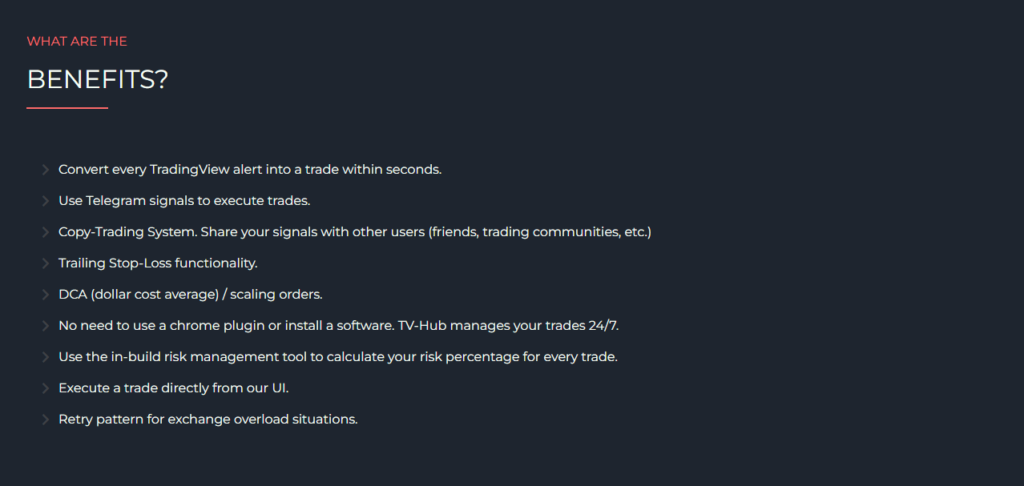
TradingView Alerts to Exchange Execution (The Main Event): This foundational feature is the platform’s raison d’être. When a TradingView alert fires with a command like "enter long BTC/USDT," TV-Hub instantly processes this instruction and places the corresponding long order on the user’s connected exchange. The immediate benefit is the elimination of manual delay, which can prevent missed opportunities or adverse price movements (slippage) that often occur during human-mediated execution. It ensures consistent adherence to a predefined strategy, removing emotional interference from the trading process.
-
Diverse Alert Routing Options: Recognizing that traders have varied setups and preferences, TV-Hub supports multiple methods for receiving alerts. Webhooks are the gold standard for speed and reliability, providing a direct data pipeline. However, for those requiring redundancy or simpler integration, email routing serves as a practical alternative or a backup mechanism. This flexibility ensures that the platform can integrate seamlessly into a wide array of trading workflows.
-
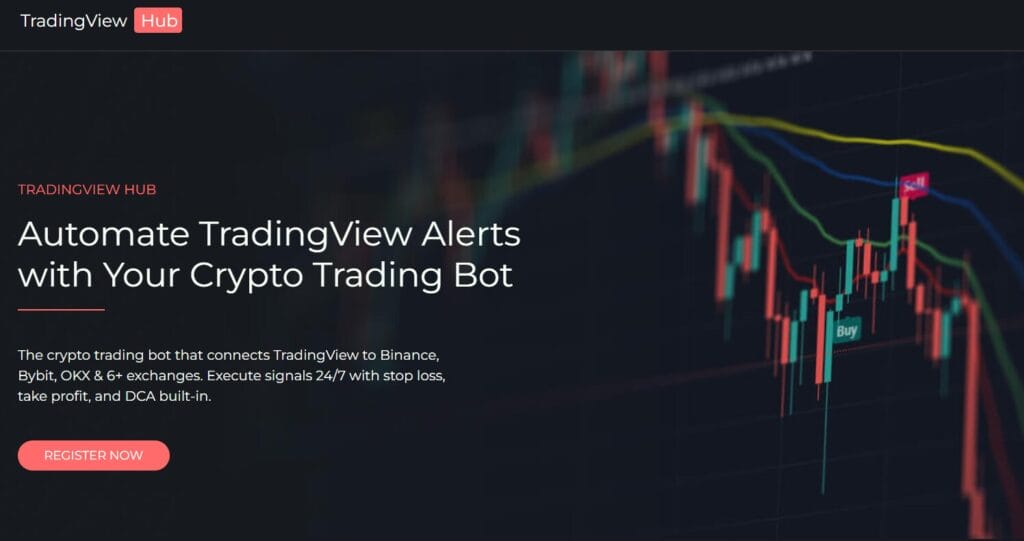
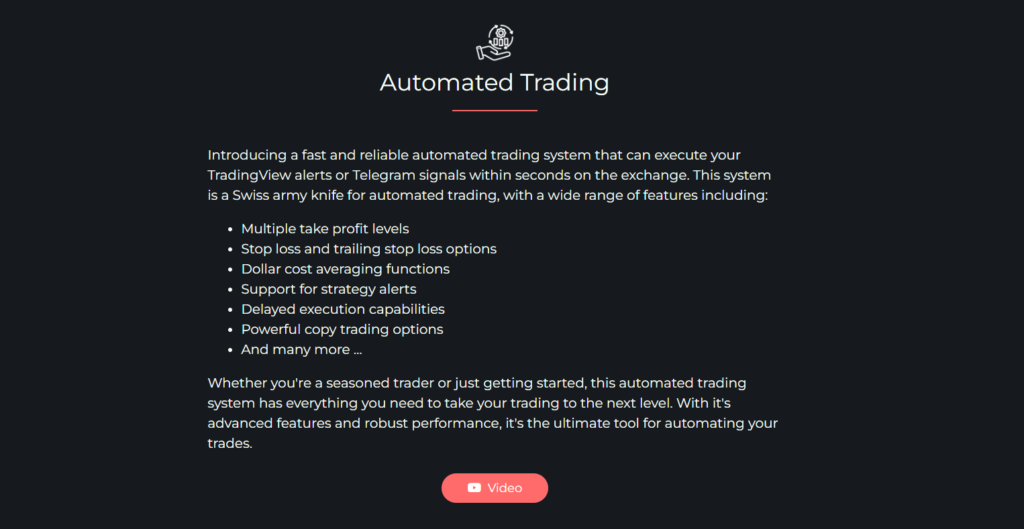
Sophisticated Risk and Position Sizing Controls: Beyond merely placing orders, TV-Hub empowers traders with robust risk management tools. It supports various structured sizing methods, including:
- Fixed Sizing: Trading a predetermined absolute amount (e.g., always $1000 worth of BTC).
- Percentage Sizing: Allocating a fixed percentage of the available capital to each trade (e.g., 2% of total portfolio).
- Risk-Based Sizing: This advanced method calculates position size based on a defined stop-loss level and a maximum acceptable risk per trade (e.g., risking 1% of capital per trade, with the position size adjusted so that if the stop-loss is hit, only 1% of capital is lost). This level of control is crucial in volatile crypto markets for preserving capital and managing drawdowns effectively.
-
Comprehensive Stop Loss and Take Profit Structures: Effective exit strategies are often more critical than entry strategies in determining long-term profitability. TV-Hub is built with this reality in mind, supporting a range of common exit structures:
- Fixed Stop Loss (SL) and Take Profit (TP): Orders placed at specific price levels.
- Trailing Stop Loss: An SL that dynamically adjusts as the price moves in favor of the trade, locking in profits while still allowing for further upside.
- Multiple Take Profit Levels: Allows for scaling out of positions, securing partial profits at different price targets, which is a common strategy for optimizing returns and managing risk.
- Break-Even Stops: Automatically moves the stop loss to the entry price once a certain profit target is reached, eliminating risk on the trade.
-
DCA and Layered Entries: For strategies that involve scaling into positions rather than a single entry, TV-Hub facilitates Dollar-Cost Averaging (DCA) and layered entries. This allows traders to split a larger entry into multiple smaller orders across a price range or over time. This approach can reduce the impact of short-term price fluctuations on the average entry price and is particularly useful for strategies that anticipate price consolidation or gradual accumulation.
-
Integrated Telegram Monitoring and Trade Controls: The ubiquitous nature of Telegram in the crypto community makes its integration a significant convenience. TV-Hub offers a robust Telegram workflow that allows users to receive real-time trade execution notifications, monitor open positions, and even issue quick commands to manage trades (e.g., close a position, modify a stop loss) directly from their mobile device. This feature provides critical flexibility, enabling traders to stay connected and responsive to market dynamics even when away from their desktop.
-
Chrome Extensions (Optional Workflow Tools): For advanced users seeking to further optimize their workflow, TV-Hub provides Chrome extensions. These tools can enhance the TradingView interface, provide quick access to TV-Hub functions, or offer additional data visualization that complements the automated execution process. While not essential for basic automation, they can become integral for traders seeking a highly customized and efficient trading environment.
-
Copy-Trading Style Workflows: TV-Hub extends its capabilities to support copy-trading functionalities. This feature is particularly valuable for professional traders or signal providers who wish to replicate their trades across multiple sub-accounts or for individuals who follow a specific trader’s signals and want automated execution on their own accounts. This enables consistent and simultaneous execution across different portfolios, ensuring that all linked accounts benefit from the same trading decisions.
Business Model and Pricing Structure
TV-Hub operates on a subscription-based model, diverging from a per-trade fee structure. This approach offers predictability for traders, as their operational costs remain constant regardless of trading volume, encouraging active engagement without penalizing frequent trading. Current pricing typically includes various tiers, such as Starter, Professional, and Enterprise, each offering different levels of features, concurrent trades, or API rate limits. Specific pricing details would generally be found on the platform’s official website.
It is paramount for users, especially beginners, to understand that TV-Hub’s subscription fee is separate from the standard costs associated with trading on a cryptocurrency exchange. Traders will still incur:
- Maker/Taker Fees: Charged by the exchange for executing orders.
- Funding Fees: Applicable when trading perpetual futures, paid or received periodically based on the difference between perpetual contract prices and spot prices.
- Spread and Slippage: Inherent market dynamics that affect the actual execution price versus the quoted price, especially during periods of high volatility or low liquidity.
TV-Hub’s role is to minimize the impact of human error and delay on these factors, but it does not eliminate the underlying market costs. This distinction is critical for realistic financial planning and strategy evaluation.
The TradingView Hub Affiliate Program: Community and Growth
TV-Hub’s affiliate program is strategically designed to foster community growth and incentivize creators, educators, signal groups, and trading communities. Unlike a one-time bounty system, it operates as a recurring revenue share program, rewarding affiliates for driving sustainable subscriptions.
The program is structured in tiers, with progression based on the number of active referred subscribers.
- Entry Level (Tier 1): The total share pool is 25%, typically split into a 15% commission for the affiliate and a 10% discount for the referred user. This balance encourages sign-ups by offering immediate value to new users while providing a solid commission for affiliates.
- Higher Tiers (Tier 2, Tier 3): As affiliates accumulate more active subscribers, they can advance to higher tiers, increasing the total share pool to 30% (Tier 2) and 35% (Tier 3). A key advantage at these higher tiers is the flexibility in the split. Affiliates can choose to offer a larger discount to their audience (potentially boosting conversion rates) or opt for a higher commission percentage for themselves (maximizing per-subscriber earnings).
Operationally, affiliates generate a unique link from their dashboard and integrate it into their content. The platform’s tracking system accurately attributes sign-ups and subscriptions to the respective affiliate. A user-friendly dashboard provides real-time insights into earnings and referral performance. To ensure efficient payouts, TV-Hub sets a minimum payout threshold, typically $15, allowing affiliates to request funds once this level is reached.
For affiliates, the most effective strategy involves demonstrating a realistic and practical use case. This includes showcasing how a TradingView alert seamlessly translates into a live trade, highlighting the platform’s risk sizing and exit management capabilities, and emphasizing the reduction of manual errors. The program is particularly effective when targeting audiences already utilizing TradingView alerts or following Telegram signals, as these groups are often seeking faster, more reliable execution solutions.
Who Should Utilize TradingView Hub?
TV-Hub is not a universal solution but rather a specialized tool best suited for specific profiles of crypto traders:

- Traders with Established Strategies: Individuals who have a proven trading strategy on TradingView and are seeking to automate its execution for consistency and speed.
- Those Seeking to Eliminate Manual Errors: Traders who frequently miss trades, suffer from execution delays, or make errors due to manual input.
- Users Battling Emotional Trading: Anyone looking to remove psychological biases (FOMO, FUD) from their trade execution.
- Traders Managing Multiple Strategies/Accounts: Professionals or active traders who need to deploy and manage several strategies or replicate trades across different accounts simultaneously.
- Individuals Prioritizing Real-time Monitoring and Mobile Management: Those who appreciate the convenience of monitoring trades and taking quick actions via Telegram on their mobile devices.
Conversely, TV-Hub is not a suitable fit for:
- Beginners Without a Tested Strategy: Users who expect the platform to generate profitable signals for them or lack a foundational understanding of trading strategy and risk management.
- Casual Traders: Individuals who trade infrequently or prefer manual control for every decision.
- Those Unwilling to Learn Platform Configuration: While user-friendly, setting up API keys, alert syntax, and risk parameters requires a degree of engagement.
It is crucial to reiterate that TV-Hub executes precisely what it is instructed to execute. Its efficacy is directly proportional to the quality and robustness of the underlying trading strategy.
Broader Implications and Market Impact
The emergence and increasing adoption of platforms like TradingView Hub signify a broader trend in the retail crypto trading landscape: the democratization of advanced trading tools. Historically, sophisticated automation and algorithmic trading were the domain of institutional investors with significant capital and technical expertise. TV-Hub, alongside other similar platforms, makes these capabilities accessible to a wider audience, leveling the playing field to some extent.
This accessibility has several implications:
- Increased Market Efficiency: By enabling faster and more consistent execution, such platforms can contribute to slightly more efficient markets, as price discrepancies or opportunities are acted upon more quickly.
- Empowerment of Retail Traders: Individual traders gain the ability to compete more effectively by removing human limitations in speed and emotional control.
- Focus on Strategy Development: With execution automated, traders can dedicate more time and effort to refining their strategies, backtesting, and market analysis, which are the true drivers of long-term success.
- Demand for Robust APIs: The success of platforms like TV-Hub underscores the importance of reliable and feature-rich API access from crypto exchanges, pushing the industry towards higher technical standards.
However, it also presents challenges. The ease of automation means that poorly conceived strategies can also be executed with high efficiency, leading to faster capital depletion. This reinforces the need for rigorous testing and risk management protocols before deploying any automated strategy with real capital.
Conclusion
TradingView Hub is best characterized as a highly effective execution bridge for traders utilizing TradingView. It expertly closes the gap between analytical signal generation and real-world trade placement, transforming strategic alerts into tangible orders on a connected crypto exchange. For traders whose strategies are already producing consistent alerts, TV-Hub offers a compelling solution to automate the "last mile" of execution, providing critical updates and control through intuitive interfaces like its Telegram workflow.
The platform’s appeal for both seasoned and aspiring automated traders is clear: reduced manual effort, fewer missed trading opportunities, and markedly more consistent execution. However, this powerful automation comes with an inherent caveat: while it can make good trading systems significantly better, it can also accelerate the failure of poorly designed ones. Therefore, the recommended approach is prudent: start with small position sizes, conduct thorough testing and optimization of strategies within the automated environment, and only then gradually scale up capital and complexity. In an environment where speed and precision are paramount, TradingView Hub positions itself as an indispensable tool for the modern crypto trader committed to systematic and disciplined execution.
Frequently Asked Questions
Do I need coding skills to use TV-Hub?
No, for basic automation and typical use cases, coding skills are not required. Most users can configure the platform and integrate alerts through a user-friendly dashboard interface. Coding knowledge might only be beneficial if you intend to create highly customized alert formats or implement exceptionally advanced strategy logic beyond the standard parameters.
Does TV-Hub charge per trade?
No, TV-Hub operates on a subscription-based model, meaning you pay a recurring fee for access to its services. It does not charge per individual trade executed. However, it is important to remember that your chosen crypto exchange will still levy its standard trading fees (maker/taker fees) on your executed orders, and other market costs like funding fees (for perpetual futures) or slippage may also apply.
Can I manage trades from my phone?
Yes, absolutely. A significant feature of TV-Hub is its robust integration with Telegram. Many users leverage this integration to receive real-time trade notifications, monitor the status of their open positions, and even issue quick commands to manage trades (e.g., close a position, adjust a stop loss) directly from their mobile device. This offers substantial flexibility and responsiveness, allowing you to stay connected to your trading activity even when away from your desk.
Is TV-Hub a signal provider?
No, TV-Hub is not a signal provider. It does not generate its own trading predictions, analyses, or recommendations. Its core function is purely as an execution and automation platform. It takes the trading alerts and instructions that you provide from TradingView (based on your strategy or a third-party signal you subscribe to) and executes those trades on your behalf on the connected crypto exchange. The responsibility for the profitability and validity of the trading signals lies entirely with the user or their chosen signal source.