Government Agencies Under Siege: Ransomware Attacks Escalate to One Per Day

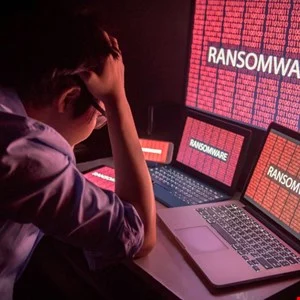
The persistent threat of ransomware has escalated dramatically within governmental sectors, with analysis revealing that public sector organizations are now experiencing an average of one ransomware attack every single day. This alarming trend, documented over the first six months of 2026, underscores a growing vulnerability in the infrastructure that underpins public services and safeguards sensitive citizen data. Researchers at Comparitech have meticulously tracked these incidents, painting a stark picture of a sector under siege from increasingly sophisticated cybercriminal operations.
The comprehensive study, released on July 16, 2026, identified a total of 187 ransomware attacks targeting government entities between January 1st and June 30th. This figure represents a significant 13% surge compared to the 165 attacks recorded in the latter half of 2025, indicating a clear upward trajectory in the frequency and intensity of these malicious campaigns. The sheer volume of these attacks, when averaged across the 182 days of the study period, confirms the grim reality of a daily assault on government digital systems.
Of the 187 documented incidents, a substantial proportion, precisely 89, were publicly acknowledged by the affected government organizations. This level of transparency, while growing, still leaves a significant number of attacks operating in the shadows, potentially obscuring the true scale of the problem. The reluctance to disclose such breaches can stem from a variety of factors, including a desire to avoid public panic, potential reputational damage, or the complex internal processes required to officially confirm a cyberattack.
The Allure of Public Sector Targets
Cybercriminal ransomware groups view government agencies as particularly lucrative targets for several compelling reasons. Firstly, the inherent disruption that encryption of critical systems can inflict on public services is immense. Imagine a city’s emergency response systems rendered inaccessible, or a tax collection agency’s operations brought to a standstill. The immediate impact on citizens and the potential for widespread societal chaos create immense pressure.
Secondly, government bodies are custodians of vast quantities of sensitive personal data belonging to the general public. This data, ranging from personal identification information and financial records to health data and voting registration details, is highly valuable on the black market. Successful data exfiltration, often a component of modern ransomware attacks, can lead to identity theft, financial fraud, and a profound breach of privacy for millions of individuals.
Rebecca Moody, head of data research at Comparitech, elaborated on this strategic advantage for attackers. "From weeks-long disruptions due to system encryption to extensive data breaches, governments are the ideal target for hackers," she stated. "This significantly increases the potential of the victim paying the ransom for a decryption key, rather than attempting to take much longer to independently restore services that the public are reliant on." The economic and social calculus of paying a ransom, however unpalatable, often becomes a difficult choice for besieged government IT departments facing an existential threat to service delivery.
US Dominates as Primary Target, Global Disparities Emerge
The United States emerged as the most frequently targeted nation for ransomware attacks against government agencies during the first half of 2026, accounting for a significant 31% of all recorded incidents. This overwhelming proportion is likely a reflection of the sheer scale of the US federal and state government apparatus, its extensive digital infrastructure, and the sheer volume of data it manages. Furthermore, the US, with its robust economy and high per capita wealth, may present a more attractive financial target for ransomware operators.
In stark contrast, other nations reported significantly fewer attacks. Germany, Spain, and Italy each registered single-digit percentages, with Germany at 7%, and Spain and Italy both at 4%. These figures, while lower, still represent a tangible threat. The disparity between the US and other countries could also be attributed to differences in cybersecurity investment, threat intelligence sharing, and the overall maturity of public sector cybersecurity defenses. However, it is crucial to note that even a single-digit percentage of attacks on a national scale can still impact thousands of citizens and numerous vital services.
The Evolving Ransomware Landscape: Demands, Actors, and Tactics
The financial demands associated with these attacks are a critical aspect of the ransomware economy. During the analyzed period, the mean ransom demand levied against government agencies was approximately $100,000. This figure suggests a calculated approach by many ransomware groups. They appear to understand that excessively high demands, particularly from taxpayer-funded organizations, could trigger a refusal to pay, leading to prolonged downtime and a diminished return on their criminal investment. A more moderate demand might be perceived as more palatable, increasing the likelihood of a payout.
However, the ransomware landscape is characterized by extreme variability, and significant outliers do exist. One particularly egregious example occurred in January 2026, when the Land and Agricultural Development Bank of South Africa was hit with a staggering $3.1 million ransom demand. In a testament to resilience or perhaps a strategic decision based on available recovery options, the organization staunchly refused to pay. The repercussions were significant, with systems only being fully restored in April, marking a lengthy three-month period of operational disruption. This incident highlights the immense cost of ransomware, even when the ransom is not paid, in terms of lost productivity and delayed essential services.
The perpetrators behind these attacks are a diverse and often sophisticated group. While the South African incident involved an "unknown assailant," many other ransomware campaigns can be attributed to well-established and prolific cybercriminal collectives. Analysis of the first half of 2026 revealed that "The Gentlemen" group was responsible for 10% of the attacks, followed closely by "Qilin" at 9%, and the notorious "LockBit" at 7%. These groups have become almost corporate in their operations, often specializing in specific attack vectors, developing sophisticated malware, and maintaining detailed victimology databases. Their continued prominence underscores the need for constant vigilance and proactive defense strategies.
Proactive Defense: The Cornerstone of Government Cybersecurity
In light of the escalating threat, cybersecurity experts universally emphasize the paramount importance of proactive defense strategies for government entities. Rebecca Moody of Comparitech stressed this point, advocating for a multi-layered approach. "Keeping systems up to date, patching vulnerabilities as soon as they’re flagged, carrying out regular backups, and making sure employees are regularly trained and are on high alert at all times are crucial to mitigating the risks of attacks," she advised.
This sentiment is echoed by cybersecurity professionals worldwide. A robust patch management program is fundamental, ensuring that known security flaws are closed before they can be exploited. Regular, verified backups are the ultimate safety net, providing a pathway to recovery without succumbing to ransom demands. Employee training, often the weakest link in the cybersecurity chain, is critical. Phishing simulations, awareness campaigns about social engineering tactics, and clear protocols for reporting suspicious activity can significantly reduce the likelihood of initial compromise.
A Chronology of Escalation
The period between January and June 2026 represents a critical phase in the ongoing ransomware crisis impacting government entities. While specific dates for every incident are not always publicly available, the overall trend can be observed through the cumulative data.
- January 2026: The year begins with significant activity, including the substantial $3.1 million ransom demand against the Land and Agricultural Development Bank of South Africa. This event, though an outlier in terms of demand size, signals the continued aggressive posture of ransomware groups. Early months also likely saw a steady stream of smaller, less publicized attacks contributing to the daily average.
- February – April 2026: This period likely witnessed the bulk of the 187 recorded attacks. The South African bank’s system restoration in April underscores the prolonged impact of even a single, significant incident. During these months, the cumulative number of attacks would have steadily climbed, solidifying the "one per day" statistic. Known groups like The Gentlemen, Qilin, and LockBit would have been actively engaged in campaigns globally.
- May – June 2026: As the first half of the year drew to a close, the data compilation for the Comparitech report would have been nearing completion. The analysis likely confirmed the consistent daily rate of attacks, reinforcing the growing concern among cybersecurity professionals and government officials. The 13% increase over the previous six-month period would have become evident as data from this period was compared with that of the latter half of 2025.
- July 16, 2026: Comparitech publishes its comprehensive report, bringing the alarming statistics to public attention and serving as a stark warning to government bodies worldwide.
Broader Implications and Future Outlook
The relentless barrage of ransomware attacks on government agencies carries profound implications for national security, economic stability, and public trust. The continuous disruption of services can erode citizen confidence in their government’s ability to provide essential functions. Furthermore, the financial drain associated with responding to these attacks, including incident response, system recovery, and potential ransom payments, diverts valuable resources that could otherwise be allocated to public welfare initiatives.
The data suggests a concerning trend of increasing sophistication and boldness among ransomware actors. Their willingness to target critical public infrastructure, knowing the potential for widespread disruption, speaks to a calculated disregard for societal well-being. The rise in attacks also points to potential weaknesses in governmental cybersecurity postures, which may lag behind the rapid evolution of cyber threats.
Looking ahead, the trajectory indicates that ransomware will remain a significant and evolving threat. Government agencies must not only bolster their technical defenses but also foster a culture of cybersecurity awareness and preparedness at all levels. International cooperation in threat intelligence sharing, law enforcement efforts to disrupt ransomware operations, and the development of robust legal frameworks to hold perpetrators accountable will be crucial. Without sustained and intensified efforts, the daily assault on government digital assets is likely to continue, with potentially devastating consequences for the societies they serve. The battle against ransomware is no longer a distant concern; it is a present and escalating crisis demanding immediate and comprehensive action.