Government Ransomware Attacks Escalate to One Daily, Crippling Services and Exposing Sensitive Data

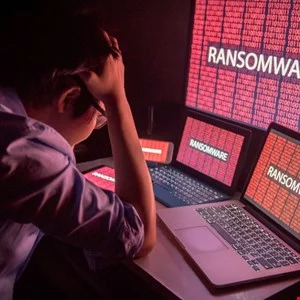
The alarming surge in ransomware attacks targeting government departments and agencies has reached a critical juncture, with one government entity succumbing to encryption and experiencing service disruptions on an almost daily basis. Analysis of ransomware incidents affecting public sector organizations between January and June 2026 reveals a relentless offensive, underscoring the growing vulnerability of these essential institutions to cybercriminal operations.
This stark reality is highlighted by a comprehensive study conducted by researchers at Comparitech. Their in-depth investigation, published on July 16, 2026, meticulously documented 187 distinct ransomware attacks that impacted government organizations across the globe within the first six months of the year. This figure represents a significant uptick, marking a 13% increase compared to the 165 ransomware incidents recorded in the latter half of 2025. The sheer volume of these attacks, averaging one incident for every 182 days, translates to a daily average of one government body falling victim to ransomware.
Of the 187 recorded incidents, a little over half – 89 cases – were publicly acknowledged by the affected government organizations. This suggests that many agencies may still be hesitant to disclose the full extent of their security breaches, potentially due to reputational concerns or ongoing recovery efforts.
Government Entities: Lucrative Targets for Cybercriminals
The persistent targeting of government agencies by ransomware groups is not arbitrary. These organizations are considered highly attractive targets due to two primary factors: the potential for widespread disruption of public services and the immense volume of sensitive personal data they hold.
"From weeks-long disruptions due to system encryption to extensive data breaches, governments are the ideal target for hackers," stated Rebecca Moody, head of data research at Comparitech. "The disruption to public services can create significant pressure on these organizations, potentially increasing the likelihood of ransom payments. Furthermore, the wealth of personal information held by government bodies makes them prime targets for data theft and subsequent exploitation."
The ability of ransomware to swiftly encrypt critical systems and render services inoperable creates a high-stakes dilemma for government officials. The immediate impact on citizens, ranging from delayed administrative processes to the unavailability of essential services, places immense pressure on leadership to restore functionality as quickly as possible. This urgency, coupled with the lengthy and complex process of independent system restoration, significantly elevates the perceived value of a decryption key, making the payment of ransoms a tempting, albeit often ill-advised, solution.
United States Faces Disproportionate Ransomware Threat
During the analyzed six-month period, the United States emerged as the most frequent target of ransomware attacks against government agencies, accounting for a substantial 31% of all recorded incidents. This figure significantly dwarfs the contributions of other nations, with every other country reporting ransomware incidents contributing only single-digit percentages to the global total. Germany, Spain, and Italy followed, with 7%, 4%, and 4% of reported attacks respectively.
The pronounced disparity in the number of attacks against the US is likely attributable to a combination of factors, including its larger population, which translates to a greater volume of data and a more extensive public service infrastructure. Additionally, the US government’s digital footprint, while offering efficiency, can also present a broader attack surface for sophisticated threat actors.
Chronology of the Growing Threat (January – June 2026)
While specific dates for every incident are not publicly available, the cumulative data paints a clear picture of an escalating threat throughout the first half of 2026:
- Early 2026 (January-February): Initial reports indicated a steady, albeit manageable, number of ransomware attacks against local and regional government bodies in various countries. Ransom demands were generally within a predictable range.
- Mid-2026 (March-April): The frequency and sophistication of attacks began to increase. Notable incidents involved larger municipal governments and state-level agencies. The attack on the Land and Agricultural Development Bank of South Africa, which saw a substantial $3.1 million ransom demand, served as a stark warning of the potential financial stakes involved.
- Late First Half (May-June): The trend accelerated, with an average of one attack per day becoming evident. Cybercriminal groups, including well-known entities like The Gentlemen, Qilin, and LockBit, were increasingly implicated in these breaches, leveraging known vulnerabilities and advanced tactics.
Ransom Demands and Payment Trends
The average ransom demand issued to government agencies during the first half of 2026 was $100,000. This figure suggests a calculated approach by cybercriminals, who likely recognize that excessively high demands, particularly from taxpayer-funded entities, could reduce the likelihood of payment. The pressure to restore services and the potential for reputational damage often outweigh the perceived cost of the ransom for some organizations.
However, the landscape of ransom demands is far from uniform. A significant outlier occurred in January 2026, when the Land and Agricultural Development Bank of South Africa was targeted with a staggering $3.1 million ransom demand. Despite the immense pressure, the organization reportedly refused to pay. Their systems remained encrypted until April, highlighting the protracted recovery process and the potential consequences of resisting ransom demands. This incident, carried out by an unknown assailant, underscores the unpredictable nature of cyberattacks and the diverse motivations of threat actors.
Prominent Threat Actors and Their Modus Operandi
Analysis of the ransomware incidents reveals the significant involvement of established and prolific cybercriminal groups. Between January and June 2026, the most commonly attributed attackers included:
- The Gentlemen (10%): Known for their persistent campaigns and ability to adapt their tactics, The Gentlemen continue to be a significant threat to various sectors, including government.
- Qilin (9%): This group has gained notoriety for its high-efficacy ransomware and its focus on high-value targets, making government entities a prime objective.
- LockBit (7%): Despite ongoing efforts to disrupt its operations, LockBit remains one of the most active and dangerous ransomware syndicates, frequently exploiting publicly known vulnerabilities.
These groups often capitalize on common, well-publicized cybersecurity vulnerabilities. Their success often stems from their ability to quickly weaponize newly discovered exploits, bypassing traditional security measures that may not be patched in a timely manner.
Proactive Defense: The Key to Mitigation
In the face of this escalating threat, cybersecurity experts emphasize the paramount importance of a robust and proactive defense strategy. Rebecca Moody of Comparitech reiterates that the most effective way for organizations to shield themselves from ransomware attacks is through a multi-layered approach to cybersecurity.
"Keeping systems up to date, patching vulnerabilities as soon as they’re flagged, carrying out regular backups, and making sure employees are regularly trained and are on high alert at all times are crucial to mitigating the risks of attacks," Moody advised.
Key Pillars of a Proactive Cyber Defense Strategy:
- Vulnerability Management and Patching: This involves consistently identifying, assessing, and remediating security weaknesses in software and hardware. Rapid patching of known vulnerabilities is critical to closing the windows of opportunity for attackers.
- Robust Backup and Recovery Systems: Implementing a comprehensive backup strategy, including regular, tested backups stored offline or in a separate, secure environment, is essential for restoring data and operations in the event of an attack. The "3-2-1 backup rule" (three copies of data, on two different media, with one copy offsite) is a widely recognized best practice.
- Employee Training and Awareness: Human error remains a significant factor in many cyberattacks. Regular, engaging, and scenario-based training for all employees on identifying phishing attempts, recognizing suspicious links and attachments, and adhering to security protocols is vital. Fostering a culture of security vigilance is paramount.
- Network Segmentation: Dividing a network into smaller, isolated segments can limit the lateral movement of malware in the event of a breach. If one segment is compromised, the impact can be contained, preventing the entire network from being affected.
- Endpoint Detection and Response (EDR) Solutions: Advanced EDR tools can provide real-time monitoring, threat detection, and automated response capabilities to counter ransomware threats on individual devices.
- Incident Response Planning: Developing and regularly practicing a detailed incident response plan is crucial. This plan should outline clear steps for detecting, containing, eradicating, and recovering from a ransomware attack, including communication protocols and legal considerations.
- Security Audits and Penetration Testing: Conducting regular independent security audits and penetration tests helps to identify potential vulnerabilities and assess the effectiveness of existing security controls before attackers can exploit them.
Broader Implications and Future Outlook
The escalating frequency of ransomware attacks against government entities poses a significant threat to national security, economic stability, and public trust. The potential for widespread disruption of essential services, coupled with the compromise of sensitive citizen data, has far-reaching consequences.
The data from Comparitech’s analysis serves as a critical wake-up call for governments worldwide. It underscores the need for increased investment in cybersecurity infrastructure, the development of more resilient defense strategies, and enhanced collaboration between public and private sectors to combat this evolving threat. Without a concerted and sustained effort, the daily toll of ransomware attacks on government services is likely to continue, impacting the lives of citizens and undermining the foundational trust placed in public institutions. The persistent evolution of ransomware tactics by sophisticated criminal groups necessitates a dynamic and adaptive approach to cybersecurity, one that prioritizes prevention, rapid detection, and effective response.