KuCoin Shares Insights on Career Development and Building a Lasting Competitive Edge at Hong Kong FinTech Week’s Web3 Career Connect

As the global financial landscape undergoes a seismic shift driven by the convergence of blockchain technology, artificial intelligence (AI), and traditional finance, the demand for specialized talent has reached a critical inflection point. This transformation was the primary focus of the recent Web3 Career Connect event, an official community component of the prestigious Hong Kong FinTech Week x StartmeupHK 2026. Among the industry leaders spearheading the discourse on human capital development was KuCoin, the global digital asset exchange, which provided a roadmap for professionals aiming to navigate the complexities of the emerging Web3 labor market.
The Evolution of the Web3 Workforce
The modern digital asset sector has moved far beyond the initial phase of grassroots development. In 2026, the industry is characterized by rigorous regulatory frameworks, institutional adoption, and the integration of sophisticated AI models. Consequently, the profile of a "Web3 professional" has evolved from a purely technical coder to a multi-disciplinary expert.
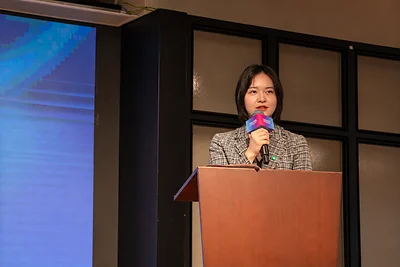
Karina Li, Head of Talent Acquisition at KuCoin, addressed these shifting paradigms during a panel discussion titled "Inside Web3: Building Businesses, Teams & Careers." She noted that today’s top-tier firms are no longer looking for siloed expertise. Instead, there is a premium placed on individuals who possess a "hybrid" background—those who can bridge the gap between cryptographic innovation and traditional financial pillars such as risk management, governance, and regulatory compliance.
Data from the broader FinTech sector suggests that this shift is not merely anecdotal. According to recent industry surveys, roles in compliance and cybersecurity within the digital asset space have seen a nearly 40% increase in demand compared to the 2024 fiscal year. This aligns with the broader institutional push toward "trusted finance," where the reliability of a platform is measured by its adherence to global standards rather than its speculative potential.
Chronology of the Event and Industry Context
Hong Kong FinTech Week 2026 served as the ideal backdrop for these discussions. The event, which has become one of Asia’s most influential financial conferences, brought together policymakers, venture capitalists, and industry practitioners to deliberate on the future of the digital economy.
The Web3 Career Connect segment was specifically curated to address the "talent gap" that many analysts have identified as a primary bottleneck for the mass adoption of decentralized technologies. Throughout the day-long event, participants engaged in workshops, networking sessions, and panel discussions that aimed to de-mystify the hiring process within the crypto sector.
KuCoin’s participation followed a series of strategic initiatives the exchange has undertaken to solidify its own human capital infrastructure. By focusing on the intersection of professional depth and continuous learning, the exchange is positioning itself to handle the next wave of market maturation. The event served as a bridge between the academic aspirations of university students and the practical requirements of a global, 24/7 financial entity.
Strategic Frameworks for Career Longevity
One of the most valuable segments of the presentation was Li’s roadmap for new entrants into the industry. Titled "How to Make the Right Career Choices in the Crypto Era," the session offered a systematic approach for graduates and professionals looking to transition into Web3.
The framework provided by KuCoin centered on three core pillars:
- Assessing Business Fundamentals: Students were encouraged to look past the "hype" of a project and examine the underlying economic model. A company with a sustainable revenue model and a clear value proposition is significantly more likely to provide a stable, long-term career path than a speculative venture.
- Building Transferable Skills: Li emphasized that while niche expertise in smart contract auditing or blockchain architecture is valuable, the ability to apply traditional project management, marketing, or analytical skills to a decentralized environment is what truly builds a resilient career.
- Seeking Mentorship and Ownership: The transition from university to the professional world requires a shift in mindset. KuCoin advocates for environments where junior staff are given "practical responsibilities"—a practice that fosters independent judgment and a sense of ownership over one’s output.
The Role of Institutional Trust and Compliance
The discussion of talent inevitably leads to the question of institutional trust. For a platform like KuCoin, which serves over 45 million users globally, the quality of its workforce is inextricably linked to the platform’s security and compliance posture.
In recent years, KuCoin has invested heavily in meeting international certifications, including SOC 2 Type II, ISO/IEC 27001, and the recently integrated ISO/IEC 42001:2023 for AI management systems. These certifications are not merely technical hurdles; they are indicative of a corporate culture that prioritizes security at every level. When employees are trained to operate within these rigorous frameworks, the entire organization becomes more robust against both market volatility and external threats.
"Building services that users can trust requires sustained investment in people," Li noted. This statement underscores the industry-wide realization that technological safeguards are only as effective as the human systems managing them. As the regulatory environment in jurisdictions like Hong Kong, Europe, and Australia becomes more defined, the demand for professionals who understand the nuances of global compliance will likely outpace the supply of available talent.
Analysis: Implications for the Global Labor Market
The implications of the talent shifts discussed at the conference are profound. For universities and educational institutions, the message is clear: the current curriculum may need to adapt to include modules on decentralized finance (DeFi), cross-border regulatory compliance, and the ethical implementation of AI.
For the industry, the reliance on high-quality, educated talent suggests a "flight to quality." As the "Wild West" era of crypto continues to recede, projects that prioritize professional development, ethical governance, and structured onboarding will be the ones that survive market downturns. The emphasis on "professional depth" over "generalist enthusiasm" is a hallmark of a maturing industry.
Furthermore, the integration of AI into the Web3 workforce is expected to be a force multiplier. While some fear that AI may replace entry-level roles, the consensus at the conference was that AI will instead automate repetitive tasks, allowing human employees to focus on higher-order strategy, creative problem solving, and complex decision-making—skills that are inherently difficult to replicate via machine learning.
Future Outlook and Closing Observations
As the 2026 financial cycle progresses, the competition for top-tier Web3 talent will likely become more intense. Companies that can provide clear career trajectories, robust mentorship, and a commitment to professional growth will hold a significant competitive edge.
The insights shared by KuCoin at the Web3 Career Connect event serve as a timely reminder that the digital asset industry is, at its core, a human-driven endeavor. While code and consensus mechanisms form the infrastructure of the future of finance, it is the professionals who design, monitor, and regulate these systems who will determine the industry’s long-term success.
For the attendees of the Hong Kong FinTech Week, the primary takeaway was that the "Crypto Era" is not a fleeting trend, but a fundamental shift in the global financial architecture. As such, the careers built within this sector are becoming increasingly permanent, professionalized, and essential to the broader economic stability of the 21st century. By focusing on fundamental skills, regulatory awareness, and a commitment to continuous learning, the next generation of fintech leaders is well-equipped to drive the next phase of global financial innovation.