Next week is loaded for the bond market: Two key inflation reports and the 10-year & 30-year Treasury auctions.

The United States Treasury market stands at a critical juncture as investors prepare for a high-stakes week characterized by a convergence of macroeconomic data releases and significant debt issuance. Following a period of relative volatility, the bond market is currently assessing whether the recent "relief rally"—a decline in yields that followed a sharp October selloff—is a sustainable trend or merely a temporary pause in a broader, long-term bear market. The upcoming calendar, featuring the release of the Consumer Price Index (CPI) and the Producer Price Index (PPI), alongside three major Treasury auctions, will likely serve as a litmus test for market sentiment regarding inflation and the Federal Reserve’s interest rate trajectory.
Chronology of the Recent Yield Surge and Retracement
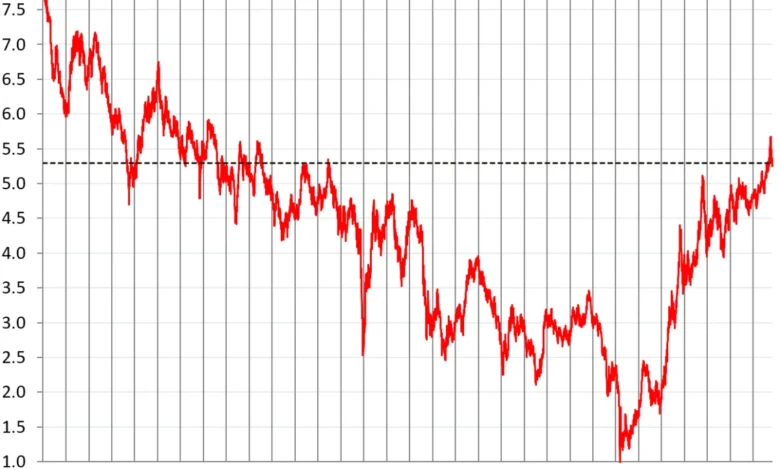
The current market environment was preceded by a volatile October, which saw Treasury yields climb to levels not observed since the turn of the millennium. By October 5, the 10-year Treasury yield had reached a secondary market high of 5.31%, reflecting investor anxiety over persistent inflation and the fiscal implications of rising federal debt. This upward pressure on yields—which inversely correlates with bond prices—culminated in the October 7 auction of 10-year notes, which cleared at 5.30%. This auction represented the highest yield for the 10-year benchmark since November 2000.
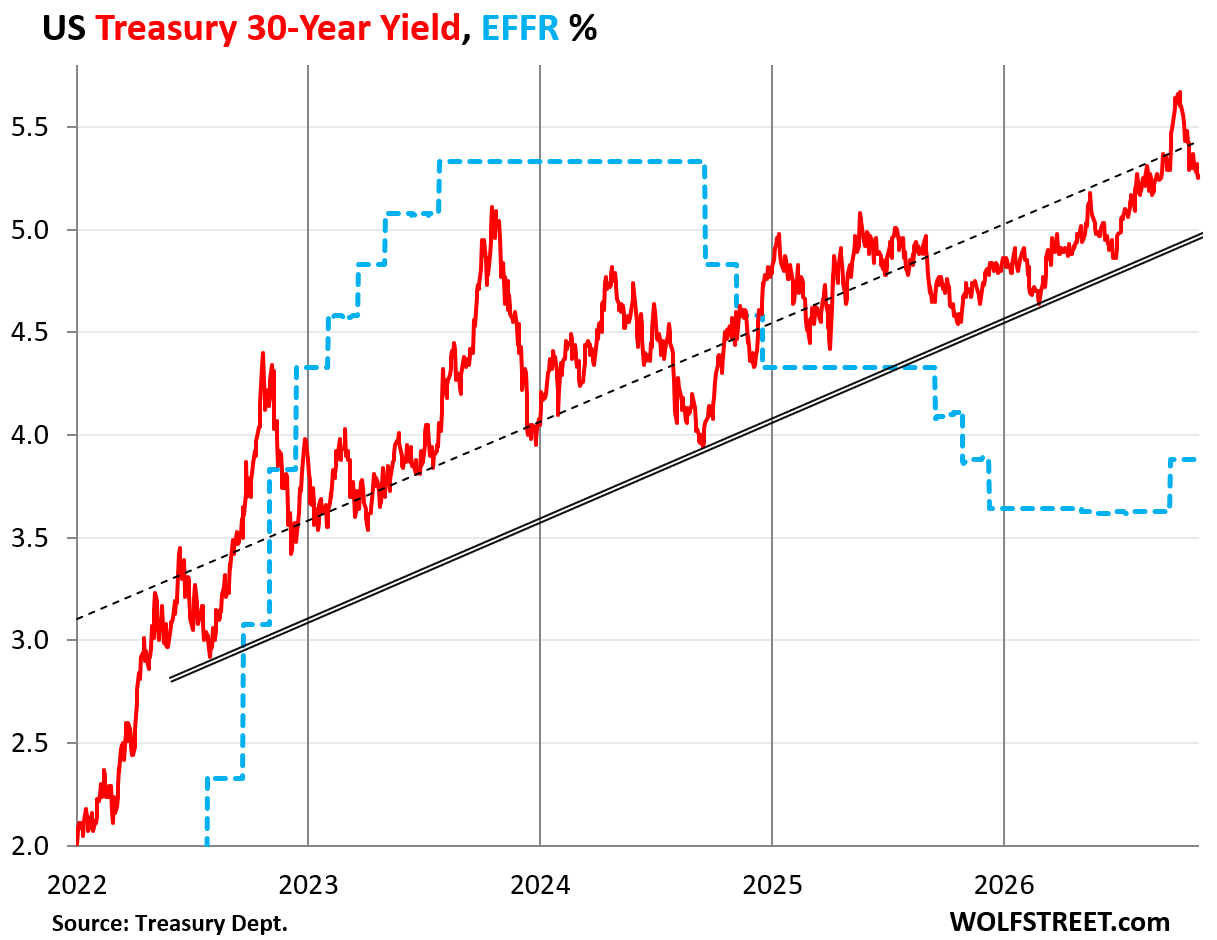
Simultaneously, the 30-year Treasury bond faced its own historic stress. After closing at 5.71% on October 7, the bond was sold at auction the following day at 5.618%. While this marked the highest auction yield for the 30-year bond since August 2000, it also signaled the beginning of a modest stabilization effort. Market participants, appearing relieved that the selloff had not progressed in a linear, unchecked fashion, began to step back into the market, triggering a rally that lasted through early November.
However, the momentum shifted abruptly on the first Friday of November. Following the publication of a stronger-than-anticipated jobs report—which suggested that the labor market remains resilient despite restrictive monetary policy—Treasury prices retreated, and yields climbed. This reversal serves as a stark reminder of the market’s sensitivity to economic indicators that might necessitate a "higher-for-longer" stance from the Federal Reserve.
Analysis of the Current Rally
When evaluating the magnitude of the recent rally, it becomes evident that the downward movement in yields has been historically modest. The 30-year Treasury yield, which had dropped by 40 basis points to 5.26% by the close of the most recent week, remains elevated in the context of the last several years. Long-term technical analysis reveals that every attempt at a rally since 2023 has been capped by structural resistance levels.
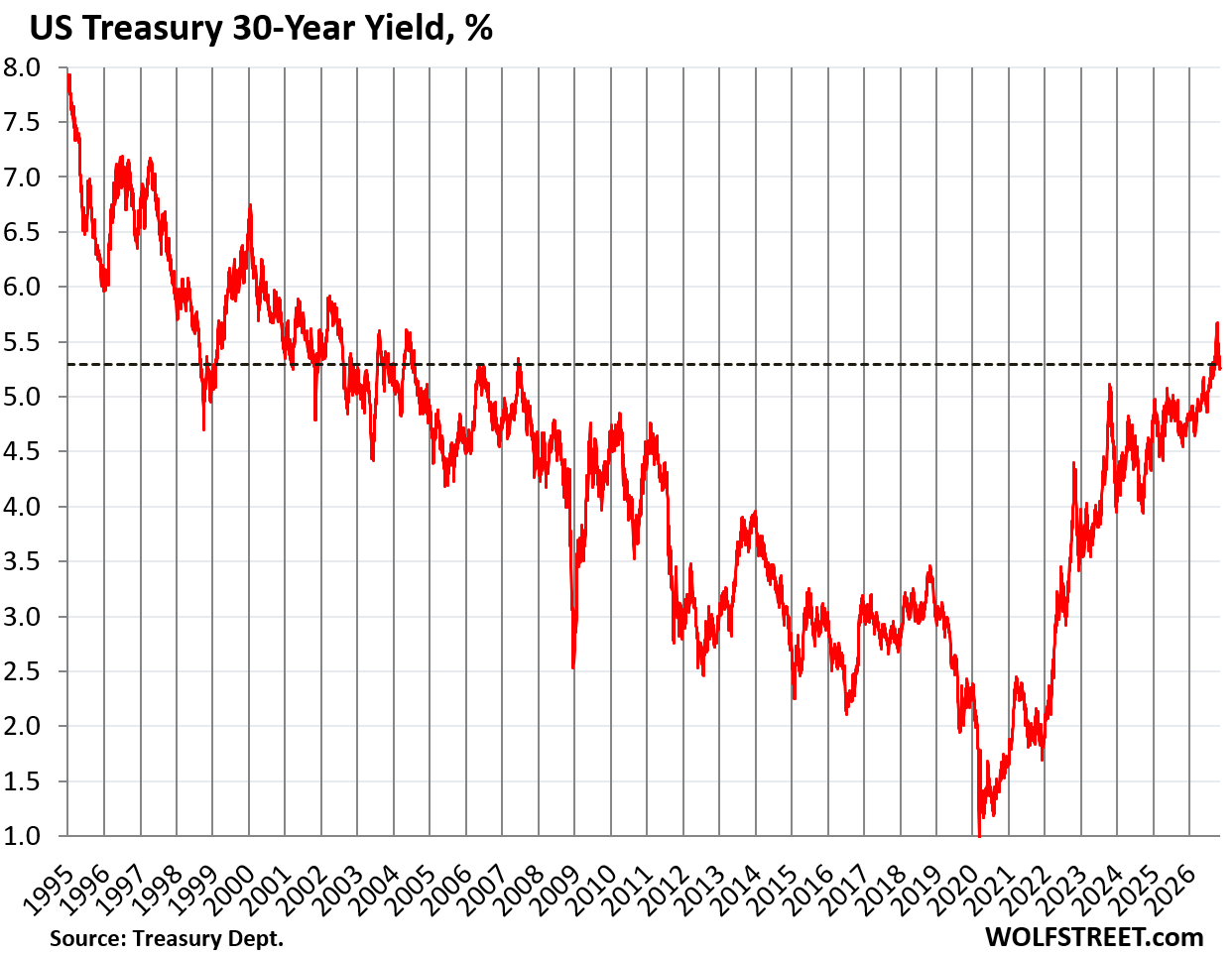
For the 30-year yield to signal a genuine shift in trend, it would likely need to break below the 5% threshold, requiring an additional decline of approximately 30 basis points. Current data indicates that the rally, while providing some breathing room for institutional investors, lacks the conviction seen in previous cycles. For example, during late 2023 and mid-2024, the 10-year Treasury yield experienced significantly more robust declines of 121 and 105 basis points, respectively. The current 45-basis-point drop in the 10-year yield, to 4.86%, appears "puny" by comparison, suggesting that the market remains unconvinced that the inflationary tide has permanently receded.
The Macroeconomic Calendar: Inflation and Auctions
The upcoming week is widely viewed by institutional analysts as a potential inflection point. On Tuesday, November 10, the Bureau of Labor Statistics (BLS) is scheduled to release the Consumer Price Index (CPI) for October. This data is critical for gauging the efficacy of the Federal Reserve’s inflation-fighting measures. Economists polled by FactSet estimate a month-over-month increase of 0.24% for the all-items CPI and 0.2% for the core CPI. These projections, if accurate, would represent a cooling trend compared to the more aggressive readings recorded in August and September.
However, a unique complication exists for this particular report: the absence of a year-over-year comparison base due to the government shutdown that occurred in October of the previous year. Consequently, market participants will focus heavily on the month-over-month figures to discern the underlying trend in consumer-facing price pressures. Following the CPI, the market will turn its attention to the Producer Price Index (PPI) on Friday, November 13, which will provide insight into wholesale inflation and potential pass-through effects to the retail level.

The data releases will be bookended by a heavy schedule of Treasury auctions:
- Monday: 3-year note auction.
- Tuesday: 10-year note auction, occurring shortly after the CPI release.
- Thursday: 30-year bond auction.
These auctions serve as a barometer for global demand for U.S. sovereign debt. Should the auctions result in "tailing"—where the high yield is higher than the yield at the time of the auction deadline—it would signal weak demand and likely force yields even higher, further complicating the fiscal landscape.
Broader Implications for the Bond Market
The bond market is currently balancing two competing forces: the desire for safe-haven assets amidst economic uncertainty and the need for higher yields to compensate for the persistent erosion of purchasing power caused by inflation. For long-term Treasury holders, the current yield environment remains a point of contention. While current rates are significantly higher than the near-zero interest rate environment of the previous decade, they are still viewed by many conservative investors as unappetizing given the risk of future inflationary spikes.
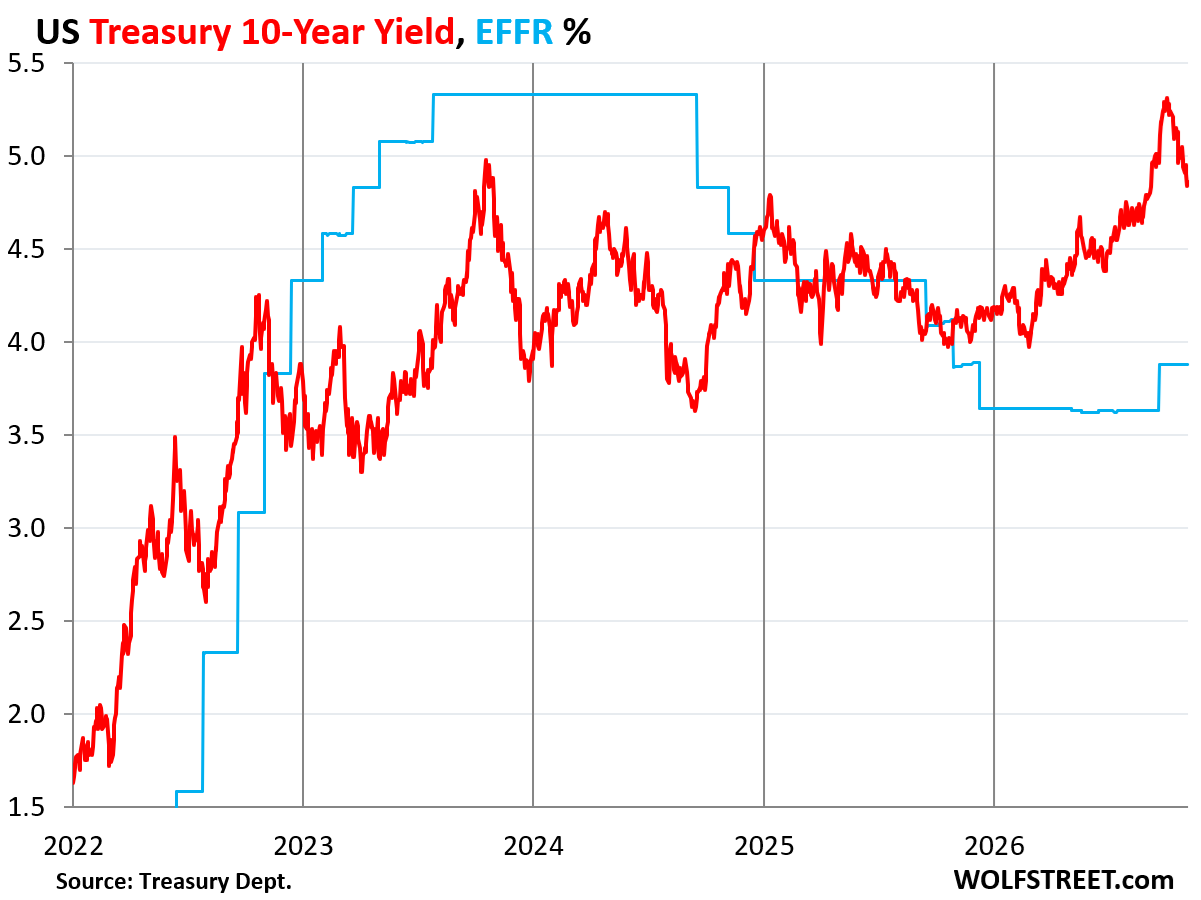
If the upcoming inflation reports exceed expectations, the bond market will likely face renewed selling pressure, as investors price in a more hawkish Federal Reserve. Conversely, if the data confirms a moderation in price growth, it could provide the necessary catalyst for the 10-year and 30-year yields to continue their downward trajectory.
The implications extend beyond the bond market into the broader economy. Elevated long-term yields translate directly into higher borrowing costs for corporations and households, affecting everything from mortgage rates to capital expenditure budgets. As such, the market’s performance next week will be watched closely by policymakers and corporate treasurers alike.
Ultimately, the bond market is at a crossroads. If the rally stalls and yields bounce higher, it would confirm the persistent nature of the current selloff, potentially signaling the start of a new, more aggressive leg higher in yields. If, however, the auctions are well-received and the inflation data provides a dovish surprise, it could pave the way for a more sustainable period of stability. The coming days will provide the necessary evidence to determine which of these two paths the market is prepared to take. For now, the sentiment remains one of cautious skepticism, with market participants hesitant to commit to long-term positions until the fog of macroeconomic data clears.
Related posts: