RAK Energy Summit 2026 returns to the United Arab Emirates to drive regional decarbonization and sustainable development

The RAK Energy Summit is set to return for its third edition from November 25 to 27, 2026, at the RAK Expo Center in Ras Al Khaimah, United Arab Emirates. Held under the patronage of His Highness Sheikh Saud bin Saqr Al Qasimi, UAE Supreme Council Member and Ruler of Ras Al Khaimah, the event serves as a strategic cornerstone for the GCC’s transition toward a low-carbon economy. This year’s summit, themed "Create and Contribute to the Sustainable Energy Goals of the Future," arrives at a critical juncture for the region as nations look to balance rapid industrial expansion with the urgent requirements of climate change mitigation.
A Strategic Platform for Energy Transformation
Hosted by the Ras Al Khaimah Municipality in collaboration with Etihad Water & Electricity (EtihadWE), the summit has evolved into one of the most significant gatherings for energy stakeholders in the Middle East. It draws support from a wide coalition of governmental bodies, including the UAE Ministry of Climate Change & Environment, the Ministry of Energy and Infrastructure, the Ministry of Industry and Advanced Technology, and the Environment Agency Abu Dhabi. By aligning with international entities such as the International Renewable Energy Agency (IRENA) and the International Energy Agency (IEA), the summit bridges the gap between high-level policy formulation and on-the-ground technical implementation.
The primary objective of the 2026 edition is to accelerate the practical application of the Ras Al Khaimah Integrated Sustainability (RIS) Strategy 2050. As global markets shift toward green finance and emissions reporting, the summit provides a venue for the exchange of technological blueprints—specifically concerning natural hydrogen, renewable energy storage, and sustainable urban development.
Chronology and Development of the Summit
The RAK Energy Summit was established to facilitate the localized goals of the RIS Strategy 2050, which envisions a transition toward a resilient and environmentally conscious emirate. Since its inception, the summit has progressed through three distinct phases:
- Inaugural Edition (2022/2023): Focused on laying the groundwork for energy efficiency and establishing a baseline for the emirate’s carbon footprint. It emphasized the importance of public-private partnerships in the energy sector.
- Second Edition: Shifted the focus toward infrastructure modernization and the integration of smart technologies into the existing water and electricity grids. This phase saw the strengthening of partnerships with utility providers like EtihadWE.
- Third Edition (2026): Represents a pivot toward large-scale industrial decarbonization and the adoption of futuristic energy sources, such as natural hydrogen and green mobility, reflecting the UAE’s broader national commitment to net-zero targets.
Supporting Data and Energy Context
The urgency behind this year’s event is underscored by the shifting energy landscape in the GCC. According to recent industry reports, the GCC region is currently witnessing one of the world’s fastest increases in energy demand, driven by population growth, industrial diversification, and the expansion of smart cities.
EtihadWE, which manages a network spanning over 23,000 kilometers and serves approximately 2 million people, remains at the forefront of this challenge. The utility provider’s commitment to managing 600 million gallons of water storage capacity while integrating renewable energy sources highlights the intersection of water and energy security. As the UAE seeks to diversify its GDP—with no single sector accounting for more than 27%—the energy transition is no longer just an environmental priority; it is a fundamental pillar of economic competitiveness.
Perspectives from Leadership
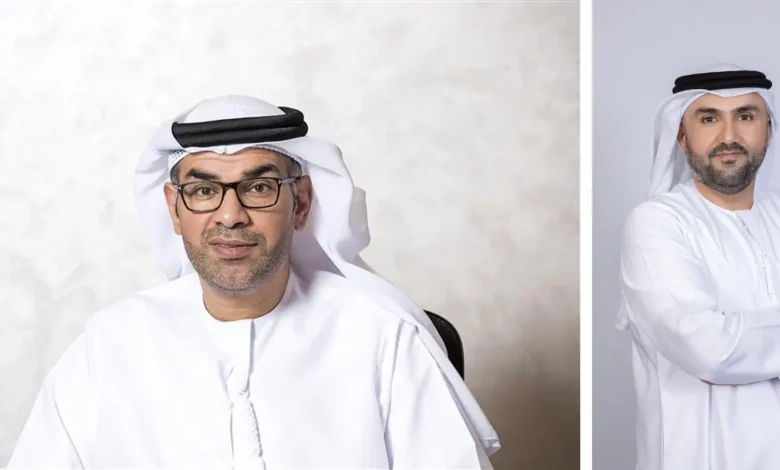
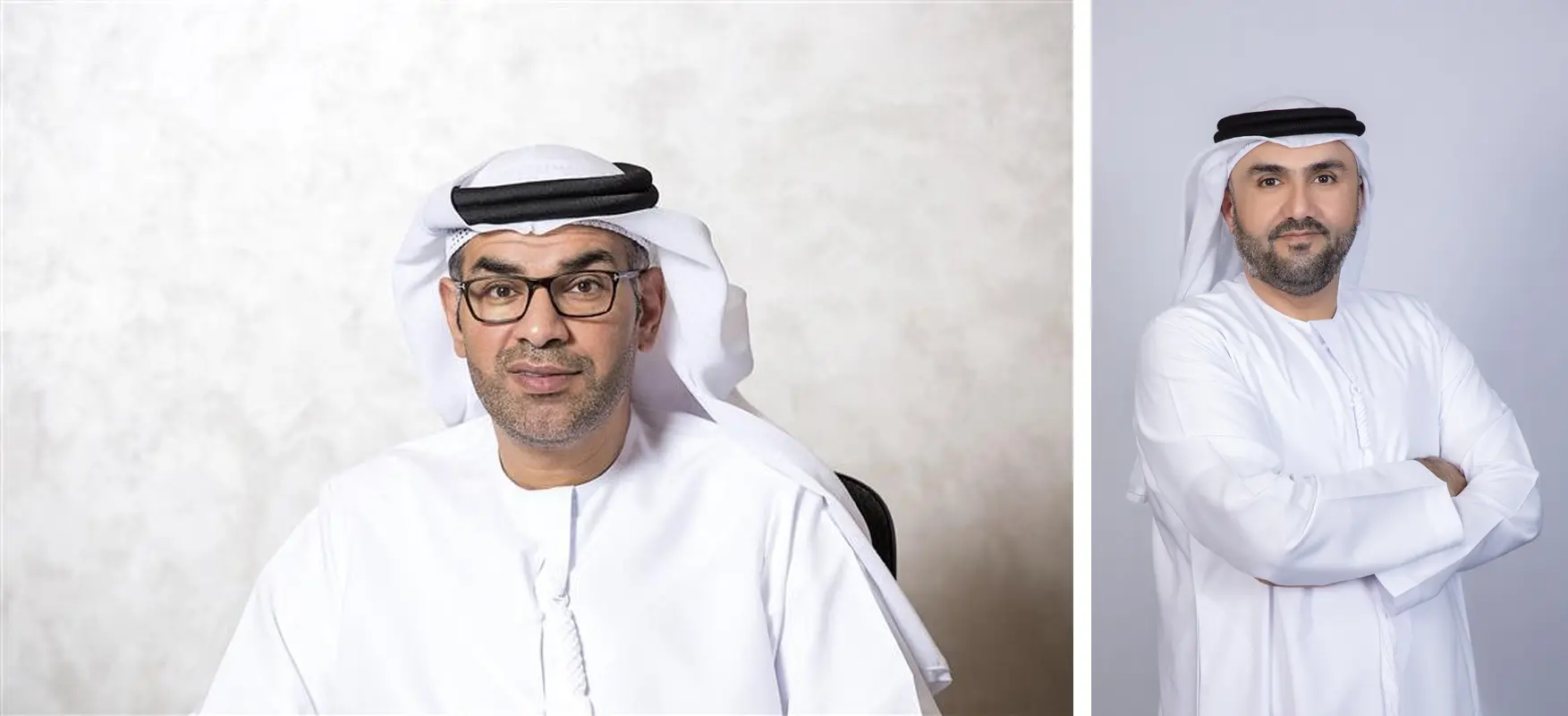
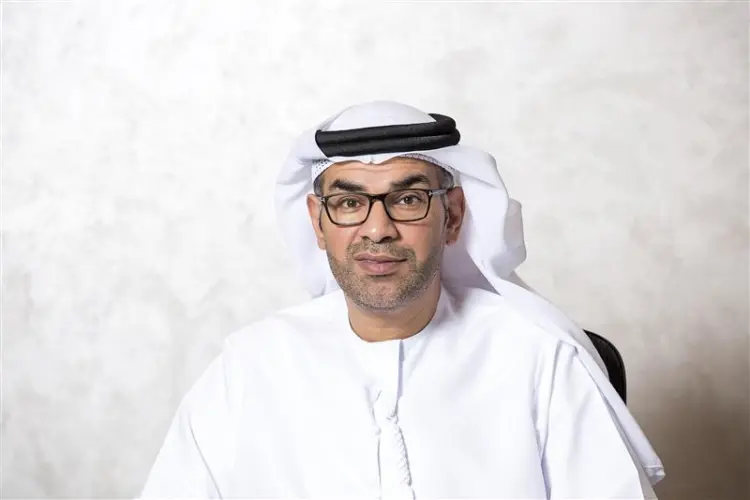
HE Munther Mohammed bin Shekar, Director General of Ras Al Khaimah Municipality, highlighted the summit’s role in modern economic statecraft. "At a time when energy is increasingly shaping how economies compete, the Summit provides an important platform to exchange ideas, foster partnerships and accelerate the practical actions needed to build energy systems that are secure, competitive, and sustainable," he stated.
Complementing this, HE Engineer Yousif Ahmed Al Ali, CEO of EtihadWE, emphasized the role of infrastructure in the transition. "Reliable and efficient water and electricity infrastructure is essential to economic growth, industrial competitiveness and quality of life. At EtihadWE, we are modernizing our networks and adopting smart technologies to strengthen energy and water security, improve resource efficiency and meet the needs of growing communities and businesses," he noted.
These statements reflect a consensus among UAE leadership: that sustainability must be woven into the fabric of infrastructure development to maintain the nation’s attractiveness as a hub for foreign investment and high-quality living.
Key Themes and Technical Focus Areas
The 2026 program is notably more expansive than previous years, moving beyond general discourse to address specific technical hurdles. The three-day event will feature:
- Natural Hydrogen and Renewables: A dedicated track for the deployment of hydrogen as a clean fuel source and the optimization of renewable energy storage systems.
- Industrial Decarbonization: Strategies for heavy industries, including manufacturing and construction, to reduce their carbon intensity in alignment with international ESG (Environmental, Social, and Governance) standards.
- Sustainable Urbanism: Insights from the Urban Planning & Design Institute of Shenzhen and other global experts on creating resilient, energy-efficient urban environments.
- Green Finance and Policy: A critical look at how emissions reporting and transparent governance can unlock capital for sustainable projects in the region.
The Role of Diverse Stakeholders
The depth of participation at the RAK Energy Summit 2026 is indicative of the UAE’s "whole-of-society" approach to climate action. By involving entities as diverse as the International Association of Public Transport (UITP), the Regional Center for Renewable Energy and Energy Efficiency (RCREEE), and major private sector players like RAK Ceramics, RAKBANK, and Aldar, the summit ensures that policy is informed by both technical capability and financial reality.
This multi-sectoral engagement is vital for the success of projects like RAK Central—a major development that aims to redefine the emirate’s commercial landscape. Integrating sustainability into such massive real estate projects requires the coordinated efforts of transport authorities, environment agencies, and private developers, all of whom will be represented at the summit.
Broader Implications for the GCC
The implications of the RAK Energy Summit extend far beyond the borders of Ras Al Khaimah. As the GCC moves toward a post-hydrocarbon future, the lessons learned from the integration of renewables into the Northern Emirates’ grid serve as a case study for the wider region.
The emphasis on water-energy nexus—specifically the management of water security alongside electricity generation—is particularly relevant for arid regions. The summit acts as a clearinghouse for innovations that address these dual challenges. Furthermore, the focus on "green finance" suggests that the UAE is positioning itself as a regional hub for sustainable investment, leveraging its business-friendly environment, zero income tax, and 100% foreign ownership laws to attract companies at the cutting edge of energy technology.
Conclusion and Future Outlook
As the world watches the UAE’s continued efforts to meet its net-zero goals, the RAK Energy Summit 2026 stands as a testament to the power of structured collaboration. By providing a platform for international organizations, local government entities, and private sector innovators, the summit is not merely a forum for discussion but a mechanism for implementation.
The success of the 2026 edition will likely be measured by the strength of the partnerships formed and the tangible commitments made toward sustainable urban and industrial development. For attendees, the summit offers a window into the future of the Middle East’s energy landscape—a landscape that is increasingly defined by technological resilience, economic diversification, and a steadfast commitment to the sustainable energy goals of the future. Interested parties are encouraged to visit the official summit website at www.rakenergysummit.com for registration and full programmatic details.