Sales were bad in all regions. But mortgage rates in August were still quite a bit lower than now.


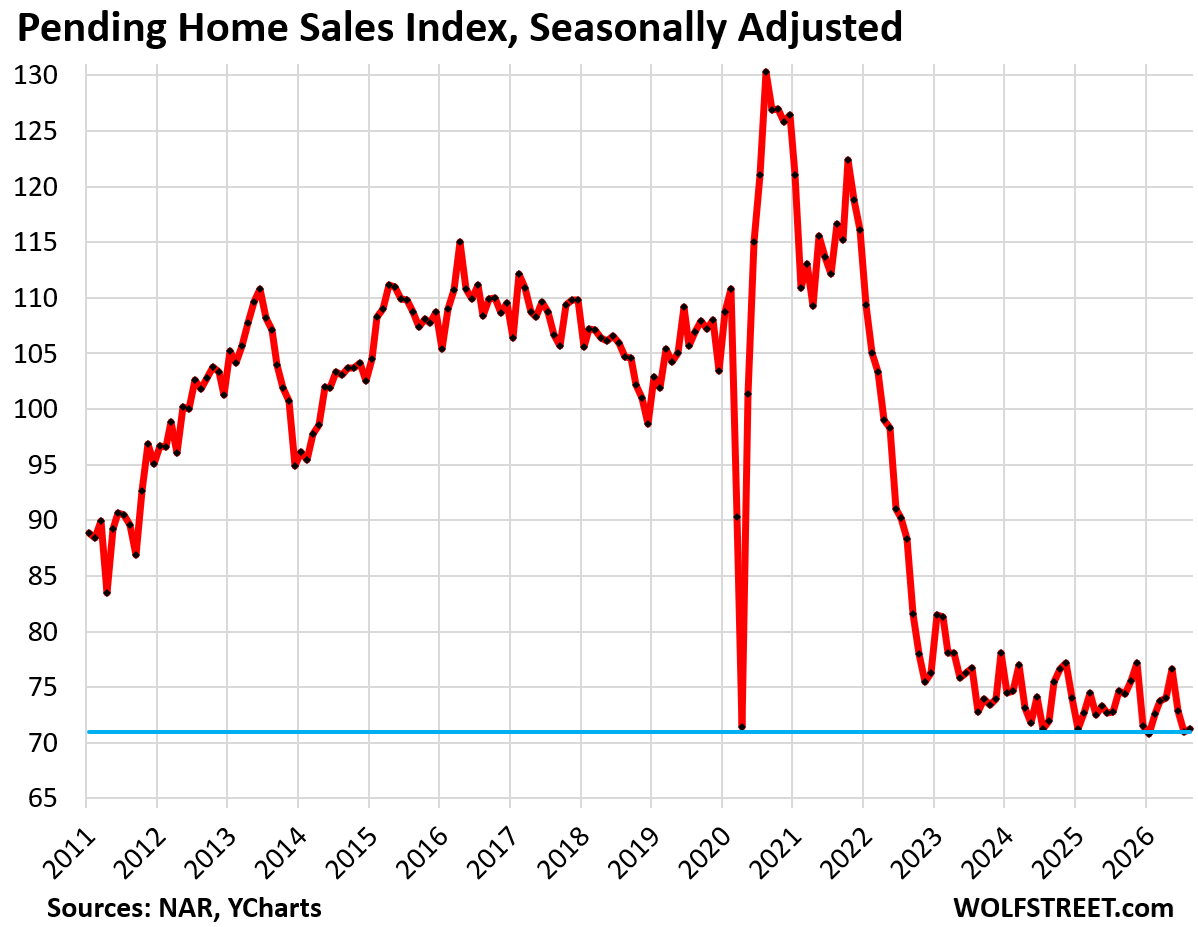
The U.S. housing market continues to face significant headwinds as pending home sales for July were revised downward to near-record lows, barely eclipsing the all-time bottom established in January. Data released by the National Association of Realtors (NAR) confirms that August sales figures showed only a marginal uptick from these adjusted July levels, underscoring a persistent stagnation that has defined the sector for nearly four years. As contract signings remain trapped in a cycle of low volume and high cancellation rates, the industry is bracing for a sustained period of reduced transactional activity.
A Stalled Market in Historical Context
To understand the severity of the current climate, one must look at the long-term trajectory of the housing sector. The current volume of pending sales has remained largely depressed since late 2020, following the intense home-price appreciation that occurred between mid-2020 and mid-2022. This period, characterized by rapid valuation growth, triggered what economists now identify as a chronic affordability crisis.
When comparing current activity to historical benchmarks, the data is stark. Pending sales have collapsed by 39% compared to August 2021 and by 45% relative to the 2020 market. Even when looking back to pre-pandemic benchmarks in 2018 and 2019, activity remains down by approximately 32% to 33%. Perhaps most telling is that even when measured against the turbulent backdrop of the 2010 Housing Bust, current pending sales are down by 13%. This indicates that the market is not merely in a cyclical downturn but is experiencing a structural shift driven by the disconnect between current home prices and household income.
Inventory Pressures and Supply Dynamics
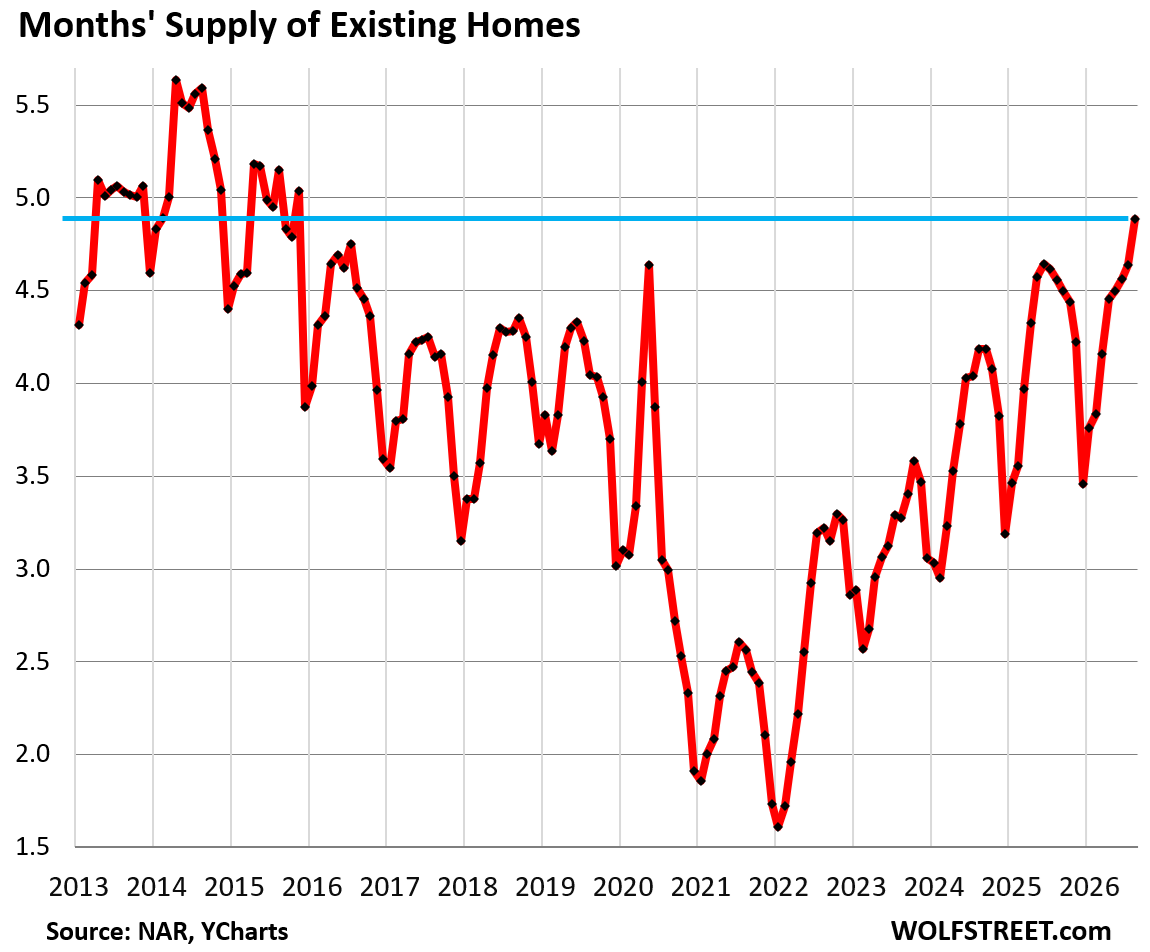
The reduction in sales volume has coincided with a notable spike in available inventory. As buyers retreat due to affordability concerns, the supply of existing homes has surged to its highest level in more than a decade. This buildup of inventory, coupled with stagnant demand, creates a precarious environment for sellers who entered the market expecting the rapid appreciation trends of 2021 to continue.
The accumulation of unsold homes is not limited to any single segment; however, the impact is being felt acutely as the market digests the effects of higher carrying costs. Property taxes, homeowners’ insurance, and general maintenance expenses have risen alongside home values, creating a "total cost of ownership" that effectively locks many prospective first-time buyers out of the market. This supply-side pressure is a direct byproduct of the lack of transaction velocity, leading to a surplus of inventory that is beginning to put downward pressure on listing prices in several major metropolitan areas.
Regional Variations in a Sluggish Market
The malaise in the housing market is geographically broad, though the severity varies by region.
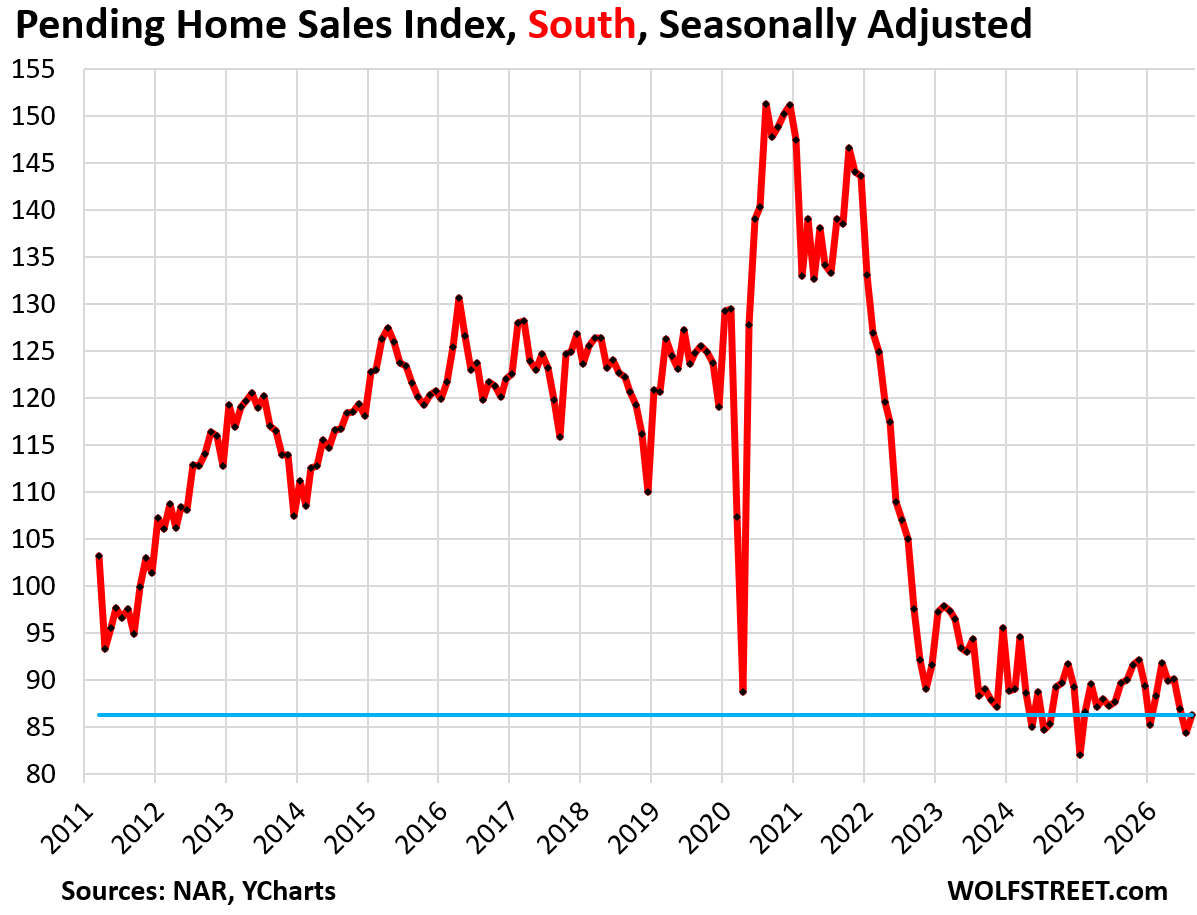
In the South, which had previously been a bastion of high activity, pending sales experienced a modest 2.3% increase in August compared to July. Despite this, the region remains near record-low levels on a seasonally adjusted basis. The South’s performance is particularly significant given its status as a primary migration destination in recent years, suggesting that even high-growth areas are not immune to the cooling effects of the current rate environment.
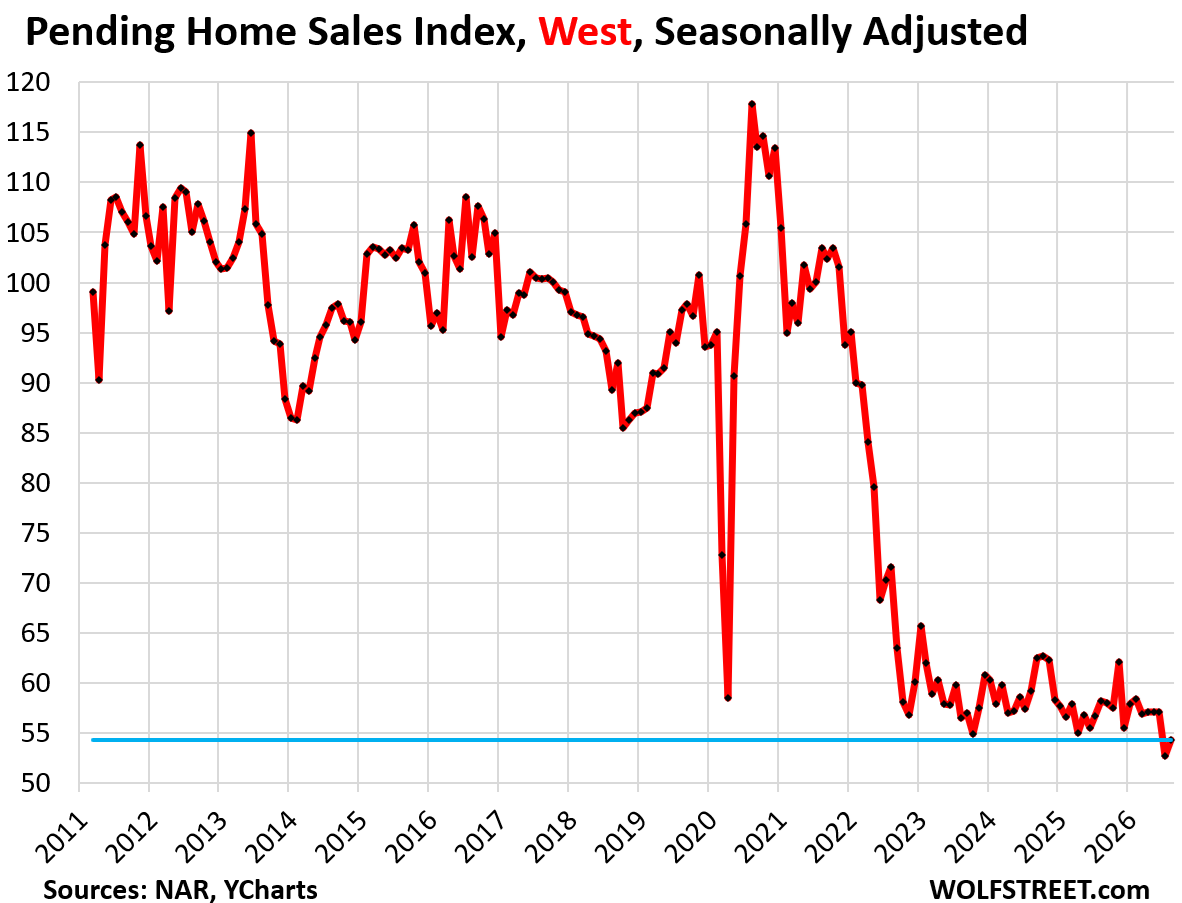
The West, which had plummeted to a record low in July, saw a slight rebound of 3.3% in August. However, this statistical "rise" must be viewed through the lens of extreme historical weakness. The region continues to face the steepest affordability challenges in the country, with price-to-income ratios in states like California and Washington remaining at historic extremes.
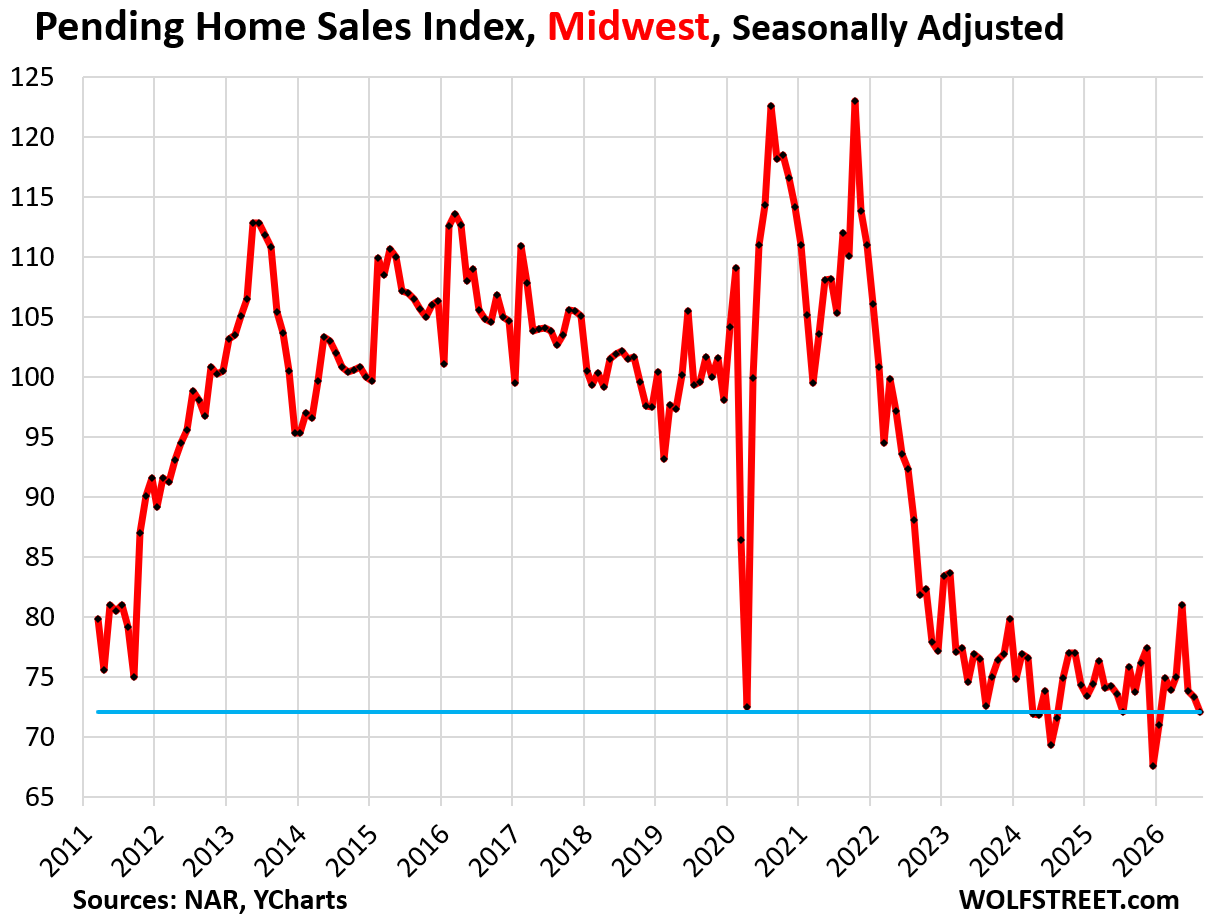
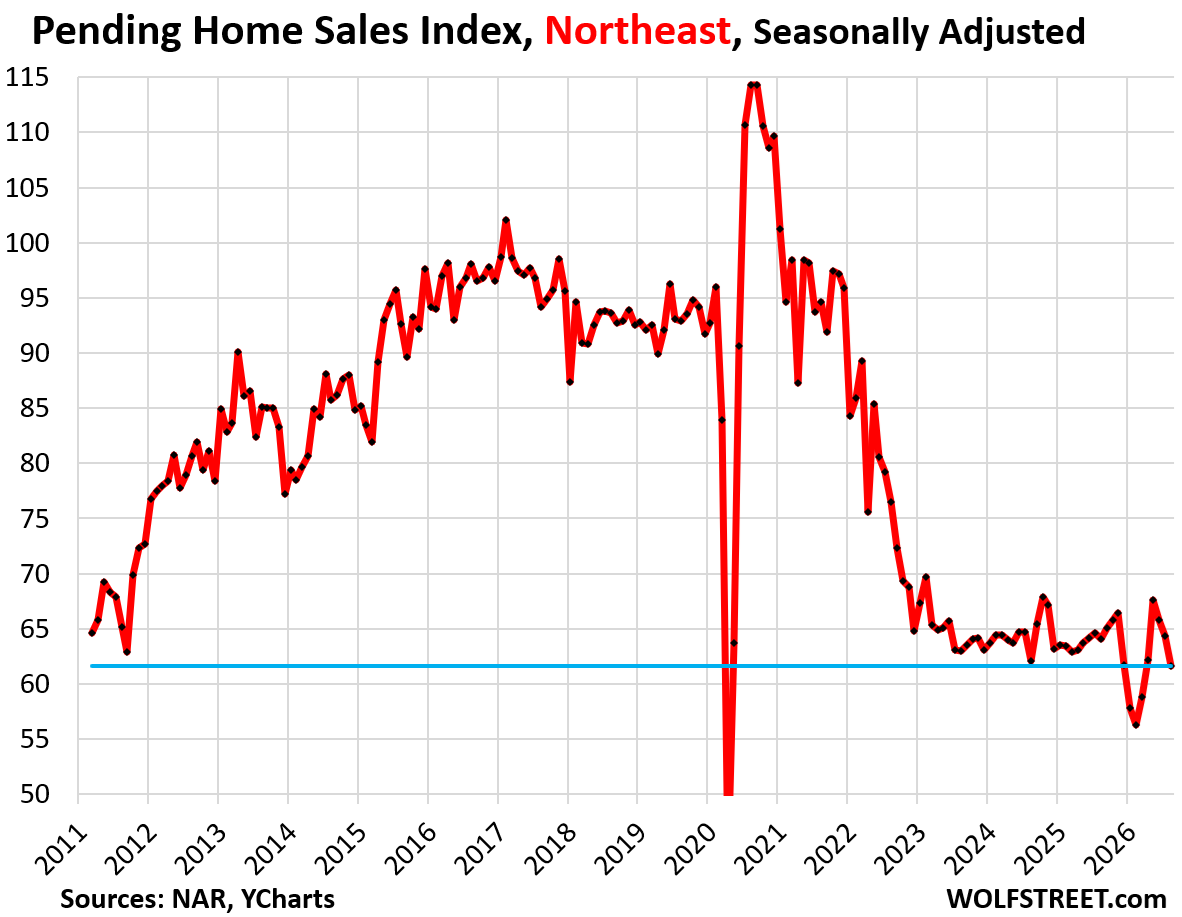
Conversely, the Midwest saw a decline of 1.6% month-over-month, while the Northeast experienced a more pronounced contraction of 4.2%. These regional declines highlight that the cooling of the housing market is a nationwide phenomenon, driven less by local economic conditions and more by the overarching national monetary policy and the resultant mortgage rate environment.

The Role of Mortgage Rates and Monetary Policy
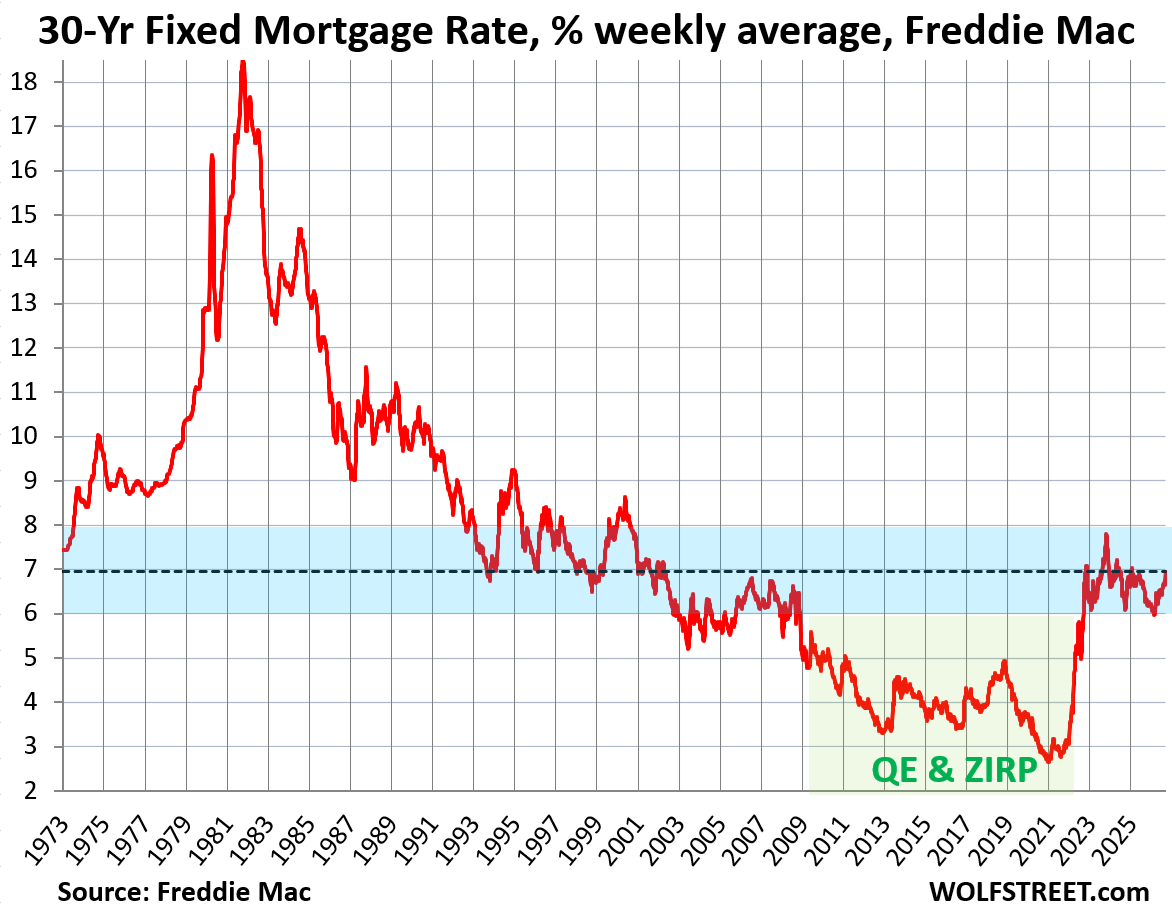
The primary catalyst for the current state of the housing market remains the cost of credit. According to the latest reports from Freddie Mac, the weekly average for a 30-year fixed mortgage rate has climbed to 6.95%. More granular, daily metrics provided by Mortgage News Daily have consistently pushed above the 7% threshold, reflecting the market’s reaction to persistent inflationary pressures and the Federal Reserve’s restrictive stance.
It is critical to note that the contracts signed in August—which constitute the pending sales data—were secured when mortgage rates were in the 6.5% to 6.7% range. The current climb toward 7.2% suggests that the pending sales figures for September and October will likely face further downward pressure.
Economists point out that while these rates are not "high" by the standards of the 1980s or 1990s, they are exceptionally punitive when applied to the inflated asset prices of the post-2020 era. During the years of quantitative easing and zero-interest-rate policy, the market became accustomed to cheap leverage. The transition to a "higher for longer" interest rate environment has fundamentally altered the math for potential homeowners.
Economic Implications and Future Outlook
The housing market’s current state serves as a bellwether for the broader U.S. economy. Because housing activity is deeply linked to consumer spending, the current stagnation acts as a drag on GDP growth. When homes are not selling, there is a corresponding decrease in demand for ancillary services—ranging from real estate brokerage and title insurance to construction materials, home furnishings, and moving services.
Furthermore, the "affordability crisis" is beginning to impact the labor market. In regions where home prices remain detached from local wage growth, companies are reporting increasing difficulty in relocating or hiring talent, as employees find themselves unable to secure housing within a reasonable distance of their workplace.
Looking ahead, the market is caught in a standoff. Sellers, often locked into lower interest rates from previous years, are hesitant to list their properties and trade up to higher-rate mortgages—a phenomenon known as the "lock-in effect." Buyers, meanwhile, are waiting for prices to correct to levels that align with their purchasing power. As long as these two forces remain in opposition, market experts anticipate that volume will remain suppressed.
The potential for a turnaround depends heavily on the trajectory of inflation and the subsequent response by the Federal Reserve. Should inflationary pressures subside, allowing for a normalization of mortgage rates, the market might see a thaw. However, if inflation remains sticky and rates remain elevated, the housing market may face an extended period of "frozen" activity, characterized by low sales volume and a slow, painful adjustment of prices to meet the reality of the current economic cycle.
Ultimately, the data from August reinforces that the housing market has entered a new, challenging chapter. The days of low-rate, high-demand euphoria have been replaced by a environment where cost of capital is the primary constraint. For policymakers and market participants alike, the coming months will be defined by how the industry adapts to this new, more expensive reality. The "mud" in which sales are currently stuck may prove to be a long-term feature of the landscape rather than a temporary anomaly.