My conversation on DOAC, the 2nd biggest podcast in the world

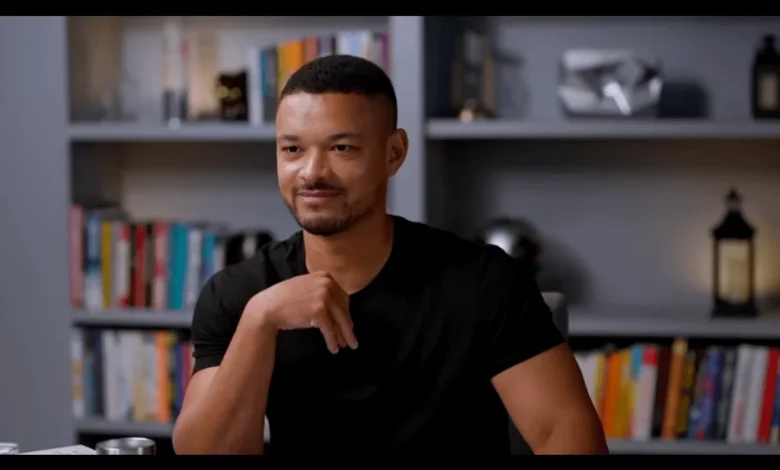
The intersection of personal finance and mainstream digital media reached a significant milestone in early 2026 as JL Collins, the influential author and a foundational figure in the Financial Independence, Retire Early (FIRE) movement, appeared as a featured guest on Steven Bartlett’s "The Diary of a CEO" (DOAC). The episode, which was recorded in New York City during the final weeks of 2025 and released in mid-January 2026, has rapidly become a cultural touchstone within the financial community. Within days of its debut, the interview garnered nearly one million views, signaling a massive expansion of index fund investing philosophy into the broader global consciousness.
The collaboration between Collins and Bartlett represents a strategic alignment of two powerhouse entities in the digital space. Bartlett, an entrepreneur and "Dragon’s Den" investor, has built "The Diary of a CEO" into the world’s second-largest podcast by leveraging a unique blend of vulnerability, business acumen, and psychological inquiry. For Collins, whose work has traditionally circulated through niche financial blogs and community forums, the appearance marks a transition from "underground" financial guru to a mainstream authority on wealth preservation and life design.
The Journey to the Studio: A December Expedition
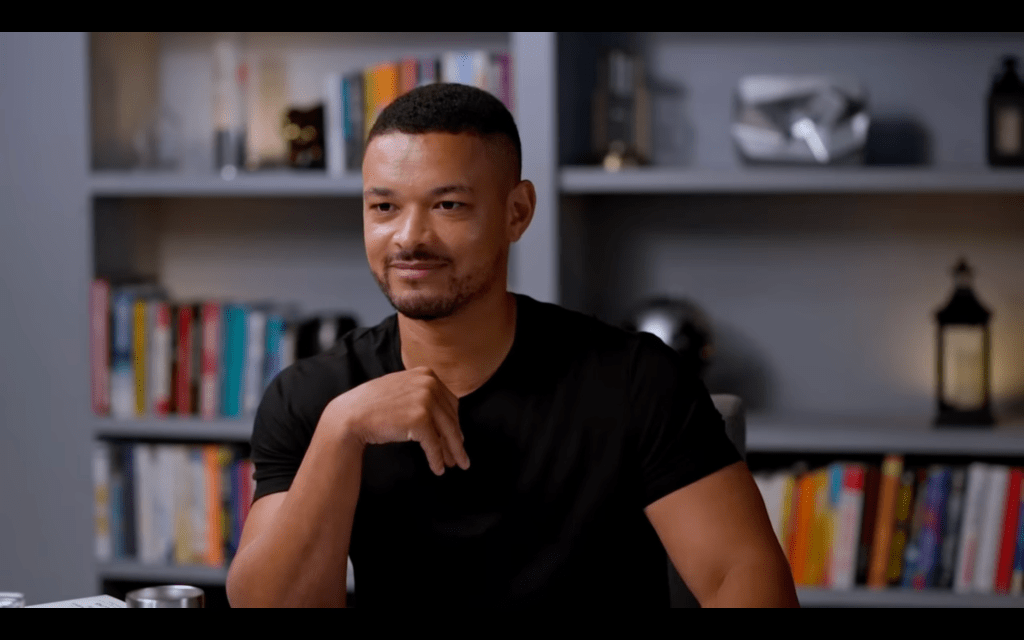
The logistics of the interview required Collins to deviate from his standard preference for limited travel. In December 2025, Collins traveled to New York City to record the session at the DOAC studio. The trip was facilitated by a combination of factors, including a direct invitation from Steven Bartlett and strategic encouragement from Collins’ publisher, Madeline. The timing of the recording coincided with the holiday season and the lead-up to the highly anticipated 2026 revised and expanded edition of Collins’ seminal work, "The Simple Path to Wealth."
The recording environment was described as a high-production, detail-oriented operation. Bartlett’s team is noted for a rigorous approach to guest selection and set design, creating an atmosphere intended to foster deep, long-form conversation. Despite the routine travel delays associated with New York airports during the winter season, the session proceeded as a marathon interview that touched upon the technicalities of the stock market, the psychology of spending, and the personal history of the author himself.
Probing the "Simple Path": Content and Vulnerability
The core of the conversation centered on the principles established in Collins’ literature, specifically the efficacy of low-cost index fund investing. However, the interview was distinguished by its departure from purely mechanical financial advice. Bartlett’s signature interviewing style—characterized by a relaxed, conversational tone—led Collins to share personal anecdotes that had previously remained private.

During the episode, Collins revealed two personal stories that had not been disclosed in his previous books, blog posts, or media appearances. This level of transparency is a hallmark of "The Diary of a CEO," which often seeks to humanize high achievers and experts. Observers noted that the rapport between the two men allowed for a "disarming" of the typical expert-host dynamic, leading to a discussion that was as much about the philosophy of time and freedom as it was about compound interest.
One notable segment of the interview involved a visual and practical illustration of financial concepts using a beer. This "beer illustration" served as a metaphor for the distinction between capital and the yield it produces, a concept central to the "Simple Path" philosophy. By using tangible, relatable imagery, the episode aimed to demystify the often-intimidating world of the Vanguard Total Stock Market Index Fund (VTSAX) and the 4% rule of withdrawal.
The Global Reach of "The Diary of a CEO"
To understand the impact of this interview, one must examine the current standing of "The Diary of a CEO" in the media landscape. As of early 2026, the podcast holds the number two spot globally, trailing only a select few programs in terms of total downloads and social media engagement. Bartlett’s platform has evolved into a primary source of information for Gen Z and Millennial professionals seeking guidance on health, wealth, and relationships.

The inclusion of JL Collins in the DOAC guest roster places him alongside some of the world’s most prominent thinkers, athletes, and entrepreneurs. Industry analysts suggest that this appearance is a calculated move to bring "boring but effective" financial advice to a demographic often distracted by high-risk investment trends like cryptocurrency or day trading. By presenting the FIRE movement’s core tenets on such a massive platform, Collins has effectively bypassed traditional financial media gatekeepers to reach a worldwide audience.
Chronology of the Event and Publication
The timeline of this media event began in the fourth quarter of 2025 and culminated in the January 2026 release:
- October 2025: Initial outreach from the DOAC production team to JL Collins and his publishing representatives.
- December 2025: Collins travels to New York City for the studio recording. The session is filmed using multi-camera setups typical of the high-budget DOAC production style.
- January 13, 2026: The episode is officially released across YouTube, Spotify, and Apple Podcasts.
- January 15, 2026: The interview surpasses 900,000 views on YouTube, with high engagement metrics across social media platforms.
- January 2026: Launch of the Revised and Expanded Edition of "The Simple Path to Wealth" in major retailers including Target, Walmart, and independent bookstores.
Supporting Data: The Growth of the FIRE Movement
The success of the Collins-Bartlett interview is supported by broader trends in the personal finance sector. According to 2025 consumer data, interest in financial independence has surged by 35% over the last three years, driven by economic volatility and a shifting perspective on traditional retirement.

"The Simple Path to Wealth," originally published in 2016, has sold over 1.5 million copies globally as of the end of 2025. The 2026 edition, which Collins promoted during the podcast, includes updated data on tax-advantaged accounts, international investing options, and a new forward that addresses the post-pandemic economic landscape. The DOAC appearance acted as a powerful catalyst for the book’s relaunch, with Amazon reporting a significant spike in pre-orders and sales immediately following the episode’s release.
Furthermore, podcast metrics indicate that long-form financial content (interviews exceeding 90 minutes) has seen a 50% increase in listener retention rates compared to 2020. This suggests an appetite for the deep-dive, nuanced explanations that Collins provides, rather than the soundbite-driven advice found on shorter social media clips.
Analysis of Implications: Mainstreaming Financial Independence
The significance of this interview extends beyond book sales or podcast rankings. It represents the "mainstreaming" of a philosophy that was once considered radical. The FIRE movement, which advocates for aggressive saving rates (often 50% or more of income) and low-cost investing, was once the domain of a small group of tech workers and enthusiasts.

By appearing on the world’s second-largest podcast, Collins has brought these ideas to a general population that may be struggling with debt, inflation, and retirement anxiety. The "Simple Path" message—that wealth is not about luxury items but about the "F-You Money" required to own one’s time—resonates deeply in an era of workplace uncertainty.
Bartlett’s own personal brand, which focuses on the "CEO" mindset, provides a unique lens for this discussion. While Bartlett often interviews people about building massive companies, his conversation with Collins focused on the "exit strategy" of life—how to build enough wealth so that one no longer needs to be a CEO or an employee at all. This shift in narrative from "how to earn more" to "how to need less and invest the difference" marks a pivotal moment in the evolution of modern financial discourse.
Official Responses and Audience Reaction
While official statements from Bartlett’s camp are rarely issued for individual episodes, the production team highlighted the Collins interview on their social media channels as a "masterclass in freedom." The audience reaction has been overwhelmingly positive, with thousands of comments on the YouTube video praising Collins’ "grandfatherly" and "common-sense" approach to a topic that is usually presented with complexity.

Financial educators and peers within the FIRE community have also reacted to the news. Many have noted that Collins’ ability to remain consistent in his message for over a decade is what made this mainstream moment possible. There is a general consensus that the "DOAC effect"—the surge in visibility that follows an appearance on the show—will introduce a new generation to the benefits of VTSAX and the importance of avoiding high-fee financial advisors.
Conclusion: A New Era for the Simple Path
As 2026 begins, the impact of JL Collins’ conversation with Steven Bartlett continues to ripple through the financial and media sectors. The interview has not only validated the longevity of the "Simple Path" philosophy but has also demonstrated the power of long-form, vulnerable storytelling in an age of digital distraction.
With the new edition of "The Simple Path to Wealth" now available in major retail outlets, the infrastructure is in place for a continued expansion of financial literacy. The collaboration serves as a reminder that even the most complex systems—like the global stock market—can be distilled into a simple, actionable path when explained with clarity and authenticity. For Collins, the trip to New York, despite the flight delays, has resulted in a legacy-defining moment that will likely influence the financial trajectories of millions of listeners for years to come.