The Decline of Bitcoin ATMs: Regulatory Pressure, Shifting Consumer Habits, and New Warnings from Authorities

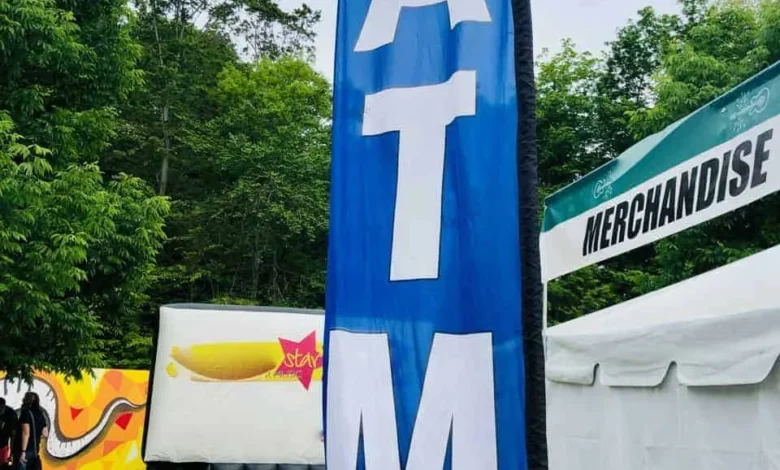
Bitcoin ATMs have long served as a visible, physical touchpoint for cryptocurrency adoption, dotting the landscape of convenience stores, gas stations, and shopping malls across major metropolitan areas in the United States. However, the physical crypto kiosk industry is currently undergoing a profound structural contraction. Once boasting a nationwide footprint of more than 30,000 active units at its historical peak, the sector has experienced a steady decline in both machine counts and overall transaction volumes. Industry tracking data from Coin ATM Radar now indicates that approximately 19,400 locations remain operational across the United States. This significant reduction reflects a convergence of intense regulatory scrutiny, stringent compliance mandates, escalating operational overhead, and shifting consumer behavior toward digital alternatives.
The contraction of the Bitcoin ATM market is not merely a quantitative drop in machine availability; it represents a fundamental maturation and hardening of the regulatory landscape surrounding digital asset transactions. As federal and state oversight tightens, operators of physical cryptocurrency kiosks find themselves navigating a labyrinth of compliance frameworks designed to prevent illicit finance, money laundering, and consumer fraud. Consequently, the industry is shedding unprofitable locations, facing high-profile bankruptcies, and confronting renewed public warnings from financial regulators who view these kiosks as high-risk venues for retail investors.
Main Facts and Current Market Landscape
The modern Bitcoin ATM, often referred to as a crypto kiosk or BTM, allows users to exchange fiat currency for cryptocurrency, or vice versa, typically without requiring a traditional bank account. While these machines have historically provided a gateway to the digital economy for the unbanked or underbanked population, they have also become a preferred vector for financial scams, fraud, and illicit cash transfers.
Data compiled by Coin ATM Radar illustrates the trajectory of the market. From a high-water mark exceeding 30,000 units, the domestic network has shrunk by over one-third. This downward trend is driven by several compounding factors:
- Regulatory Compliance Costs: Operators are increasingly required to implement rigorous Know Your Customer (KYC) and Anti-Money Laundering (AML) protocols. These mandates demand sophisticated identity verification software, real-time transaction monitoring, and legal compliance teams, which add substantial operational expenses.
- Physical Infrastructure Expenses: Maintaining a network of physical kiosks involves high leasing fees for retail floor space, routine hardware maintenance, cash collection logistics, and security measures to prevent theft or vandalism.
- Fierce Digital Competition: The rise of intuitive, highly regulated smartphone applications, centralized cryptocurrency exchanges, and digital wallets has drastically lowered the barrier to entry for digital asset investors. Purchasing Bitcoin via a mobile application is frequently faster, less expensive, and more secure than utilizing a physical kiosk.
Furthermore, the financial viability of operating these networks has been severely tested. In May, one of the largest Bitcoin ATM operators in the United States filed for Chapter 11 bankruptcy protection. As the restructuring proceedings unfolded, thousands of machines went dark overnight, leaving consumers unable to access deposited funds or complete pending transactions and highlighting the counterparty risk inherent in unregulated or financially unstable kiosk networks.
Chronology and Evolution of the Crypto Kiosk Industry
To understand the current state of Bitcoin ATMs, it is necessary to examine the historical evolution of the sector from its experimental beginnings to its rapid expansion and subsequent regulatory reckoning.
2013–2017: The Inception and Early Growth
The world’s first public Bitcoin ATM was unveiled in Vancouver, Canada, in October 2013, manufactured by Robocoin. Shortly thereafter, the first machines began appearing in United States markets, primarily in tech-forward hubs like New York and Silicon Valley. During this period, the technology was largely novel, unregulated, and utilized primarily by enthusiasts and early adopters. Transactions were simple, often requiring little to no identity verification, and fees were notably high.
2018–2021: The Hyper-Expansion Era
Fueled by successive bull markets in 2017 and late 2020, the deployment of Bitcoin ATMs accelerated exponentially. Convenience store chains, gas station franchises, and independent storefronts welcomed the kiosks as a source of passive rental income. Operators scaled aggressively, pushing kiosk numbers past the 30,000 mark in the United States alone. During this phase, regulatory bodies largely observed the growth from a distance, while state and federal agencies began formulating formal frameworks to classify these machines under existing money transmitter laws.
2022–2023: Regulatory Crackdowns and State-Level Bans
As the volume of fraud reported through crypto kiosks surged, federal law enforcement agencies, including the Federal Trade Commission (FTC) and the Financial Crimes Enforcement Network (FinCEN), stepped up enforcement. The FTC reported that consumer losses to cryptocurrency scams involving ATMs had skyrocketed by nearly tenfold over a multi-year period. In response, several states enacted stringent legislation aimed at curbing predatory practices. Jurisdictions such as New Mexico and others introduced strict licensing requirements, transaction caps, or outright bans on specific types of unverified cash-to-crypto kiosks, forcing operators to deactivate thousands of units.
2024–Present: Contraction and Institutional Caution
Today, the industry is characterized by consolidation and retrenchment. Major operators are exiting unprofitable markets, and compliance costs are pricing smaller independent providers out of business. The recent bankruptcy filings among industry leaders underscore the difficulty of maintaining profitable operations in an environment defined by high overhead and aggressive regulatory enforcement.
Regulatory Warnings and Official Responses
Amid the ongoing contraction of the physical kiosk market, regulatory bodies have intensified their educational and warning campaigns directed at everyday consumers. The North American Securities Administrators Association (NASAA), an international organization comprising state and provincial securities regulators in the United States, Canada, and Mexico, has issued explicit warnings regarding the risks associated with cryptocurrency kiosks.
NASAA’s investor alert characterizes Bitcoin ATMs as a high-risk financial medium and urges consumers to exercise extreme caution before inserting cash into these machines. The regulatory body highlights several structural issues that make kiosks particularly dangerous for inexperienced investors:
- Exorbitant Fees: Transaction fees at Bitcoin ATMs are notoriously high compared to traditional digital exchanges. While online platforms may charge a fraction of a percent or a low flat rate, kiosk operators frequently levy hidden or explicit markups ranging from 7% to 20% or more over the spot price of the asset.
- Irreversibility of Transactions: Unlike traditional credit card purchases or bank wire transfers, cryptocurrency transactions are fundamentally irreversible. Once funds are sent to a scammer’s wallet via a kiosk, there is virtually no mechanism to recover the assets or freeze the transaction.
- Prevalence of Scams and Fraud: Perpetrators of various frauds—including government impersonation scams, tech support scams, and romance frauds—frequently direct their victims to use physical Bitcoin ATMs to launder or transfer funds quickly and anonymously. Because these transactions bypass traditional banking safeguards, victims often realize they have been defrauded only after the funds have vanished.
- Lack of Deposit Insurance: Unlike balances held in FDIC-insured bank accounts or credit unions, funds processed or held through third-party crypto kiosks carry no federal backing or protection against institutional insolvency or operational failure.
State securities regulators have echoed these concerns, noting that kiosk operators often target vulnerable populations, including elderly citizens who may be less familiar with digital financial technology. Enforcement actions by state attorneys general have increasingly targeted operators failing to disclose accurate fee structures or neglecting mandatory state licensing requirements.
Broader Impact, Economic Implications, and Future Outlook
The decline of the physical Bitcoin ATM network carries significant implications for the broader cryptocurrency ecosystem and the future of retail financial services.
From an economic perspective, the shrinkage of the kiosk market signals a maturation in how consumers interact with digital assets. The initial hypothesis that physical cash-to-crypto on-ramps were essential for mass adoption has been challenged by the ubiquity of smartphones and the proliferation of user-friendly, highly regulated digital wallets. As financial literacy regarding cryptocurrency improves and regulatory frameworks solidify, consumers are naturally migrating toward lower-cost, higher-security digital channels.
However, the contraction of these services also presents a challenge for financial inclusion. For unbanked individuals who rely exclusively on physical cash, Bitcoin ATMs previously offered a direct bridge into digital financial assets. As these machines disappear—particularly in rural or underserved urban communities—this specific avenue of access is restricted.
Looking ahead, industry analysts suggest that the physical kiosk model may evolve rather than vanish entirely. As traditional financial institutions explore deeper integration with blockchain technology, it is plausible that mainstream commercial banks could eventually incorporate cryptocurrency purchasing capabilities into their existing ATM networks. Such an integration would likely feature the stringent identity verification, regulatory compliance, and security infrastructure currently missing from many independent crypto kiosks, while potentially introducing regulated, transparent fee schedules.
For now, however, the era of explosive, unregulated growth for standalone Bitcoin ATMs has definitively drawn to a close. With regulatory agencies maintaining a watchful eye, consumer advocacy groups issuing stern warnings, and market forces eliminating unsustainable operators, the future of the crypto kiosk industry will depend entirely on its ability to adapt to strict compliance standards and deliver genuine utility in an increasingly digital financial world.