Animal Spirits Podcast September 21 2026 Episode Overview and Market Analysis

The landscape of modern financial media continues to evolve as the September 21, 2026, installment of the Animal Spirits podcast, hosted by Ben Carlson and Michael Batnick, offers a deep dive into the prevailing market conditions. As retail investor interest in data-driven analysis grows, the program serves as a critical junction for synthesizing complex economic trends into digestible insights. This episode, supported by The Motley Fool, highlights the necessity for nuanced perspectives in an era defined by volatile market cycles and rapid technological shifts in investment strategies.
Contextualizing the Market Environment
To understand the discussions presented in this week’s episode, one must look at the broader economic context of late 2026. The Federal Reserve has been navigating a delicate path, balancing interest rate adjustments against persistent inflationary pressures and a fluctuating labor market. Investor sentiment remains largely dictated by corporate earnings reports, geopolitical stability, and the ongoing integration of artificial intelligence across various sectors of the S&P 500.
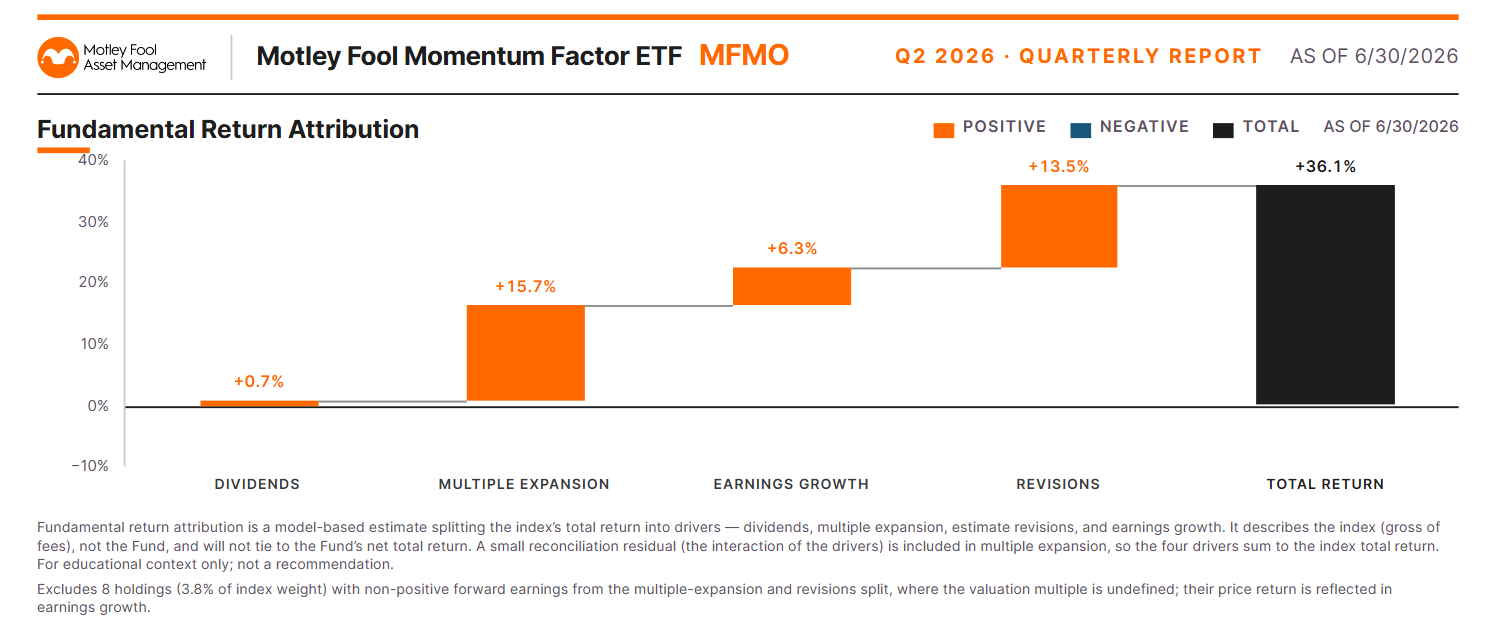
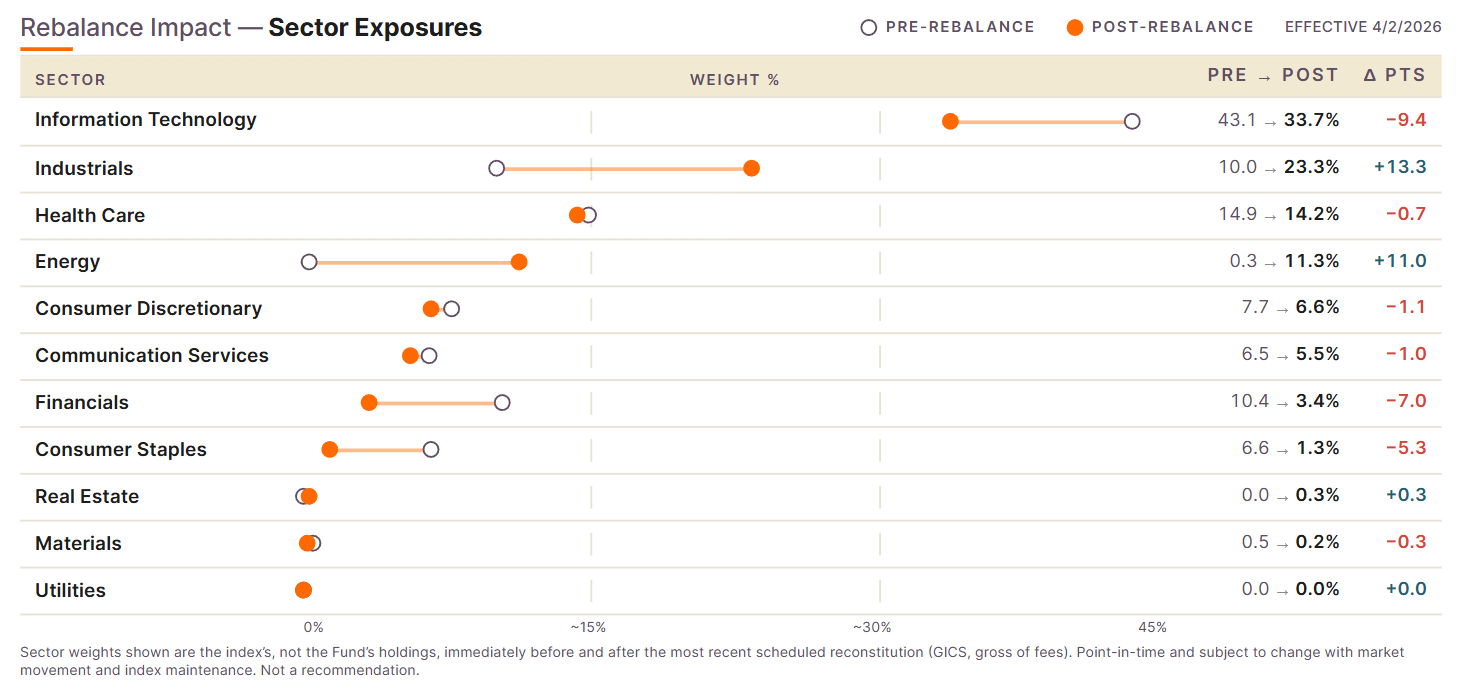
The Animal Spirits platform has established itself as a primary source for investors seeking a "common sense" approach to wealth management. By leveraging data visualization and historical market parallels, the show attempts to ground the erratic nature of the stock market in objective reality. This week’s discussion centers on the visual evidence provided by recent chart data, which highlights shifts in asset allocation and momentum indicators that have dominated the third quarter of 2026.
Chronology of Recent Market Developments
The period leading up to this episode has been characterized by three distinct phases:
- Early July 2026: Market volatility spiked following mid-year fiscal reports, causing a brief retreat in technology stocks. This led to a rotation into defensive sectors, including consumer staples and healthcare.
- August 2026: A stabilization period occurred as labor market data showed surprising resilience. Analysts noted a decrease in the probability of a recession, which bolstered confidence in the "soft landing" narrative championed by various central bank officials.
- September 2026: Leading into this broadcast, the markets entered a phase of high-frequency trading activity. Investors began positioning themselves for the end-of-year outlook, focusing on how sustained interest rate plateaus might impact corporate debt refinancing and dividend growth.
Data-Driven Insights and Visual Analysis
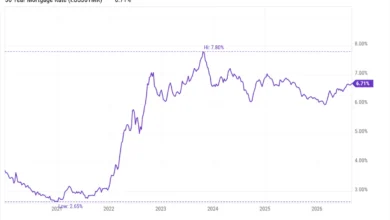
The charts featured in the latest update underscore the divergence between high-growth sectors and more traditional value-oriented equities. The first data set illustrates a compression in valuation multiples, suggesting that the "irrational exuberance" noted in previous years has been replaced by a more disciplined focus on free cash flow and EBITDA margins.
The second set of visual data focuses on the household savings rate and debt-to-income ratios. The statistics indicate that while consumer spending has remained robust, there is an underlying trend of increased reliance on revolving credit. For the average investor, this data suggests that while the current bull market has room to run, the margin for error for individual corporations is narrowing.
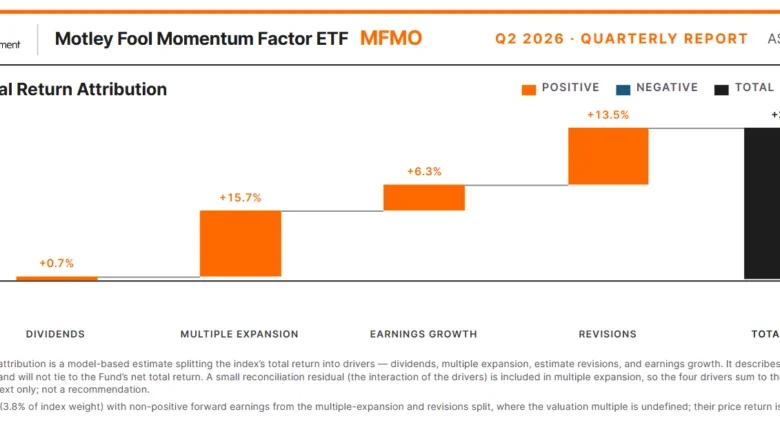
Finally, the third chart analyzes the historical performance of portfolios during election-adjacent years. By comparing the 2026 data against similar historical benchmarks from the last four decades, the show posits that market performance is often decoupled from the immediate noise of political cycles, reinforcing the importance of long-term holding strategies over reactive trading.
Expert Perspectives and Industry Stance
While the podcast itself is a commentary vehicle rather than a formal advisory firm, the hosts, associated with Ritholtz Wealth Management, maintain a consistent philosophy: that market noise should not dictate structural investment plans.
Industry analysts observing the current market environment echo these sentiments. Many institutional observers have pointed out that the current cycle is uniquely driven by transparency. Unlike previous decades, where retail investors had limited access to granular market data, the current era is defined by the democratization of sophisticated analytical tools. This shift has forced institutional fund managers to adapt their strategies, as retail sentiment now plays a more measurable role in short-term price discovery.
The Motley Fool’s sponsorship of this episode aligns with their long-standing mission to educate individual investors. Their involvement highlights a broader industry trend toward content-led marketing, where firms provide high-value, research-backed information to build trust within the investor community.
Broader Economic Implications
The implications of the current market climate are twofold. First, the resilience of corporate balance sheets suggests that the economy is better equipped to handle liquidity shocks than many anticipated at the start of the year. However, the secondary implication is a growing inequality in investment outcomes. Those who rely on automated, low-cost index funds continue to benefit from broad market growth, while active traders who fail to account for the tightening of liquidity are finding it increasingly difficult to outperform the baseline.
The discourse on this week’s episode serves as a reminder that market success is rarely the result of a singular insight. Instead, it is the product of continuous education and the ability to maintain composure during periods of high variance. As investors move toward the final quarter of 2026, the focus remains on whether corporate earnings can continue to outpace the higher cost of capital.
Regulatory and Ethical Considerations
It is essential to note that the information disseminated through platforms like Animal Spirits is intended for educational purposes. As outlined in the standard disclaimers provided by The Compound Media, Inc., no portion of these discussions constitutes a recommendation to buy, sell, or hold any specific security.
In an era where social media influencers often blur the lines between entertainment and financial advice, the regulatory scrutiny of financial content creators has intensified. The transparency shown in the podcast’s disclosure process—explicitly stating the nature of their sponsorships and the limitations of their analysis—sets a standard for the industry. By maintaining this clear distinction, the podcast ensures that listeners understand the responsibility remains with the individual to perform their own due diligence.
Looking Ahead: The Fourth Quarter Outlook
As the market prepares for the final months of 2026, the consensus among analysts remains cautiously optimistic. The primary variables to watch include:
- The Federal Open Market Committee (FOMC) minutes: Any hint of a policy pivot will likely trigger significant price movements across all asset classes.
- Corporate Guidance: Companies providing cautious outlooks for 2027 may see immediate downward revisions in their stock prices.
- Global Supply Chain Stability: As seen in previous months, any disruption in international shipping or manufacturing hubs could reignite inflationary concerns.
The September 21, 2026, discussion provides a framework for navigating these upcoming challenges. By focusing on the fundamentals—cash flow, debt management, and historical market behavior—the podcast equips its audience with the necessary context to make informed decisions.
In conclusion, the intersection of technology, finance, and media has created a dynamic environment where information is abundant but wisdom remains rare. Through rigorous analysis and a commitment to objective reporting, programs like Animal Spirits help bridge the gap, providing the clarity required to navigate an increasingly complex global financial system. Whether the market faces a period of consolidation or a breakout rally in the coming months, the reliance on data-backed, long-term strategic thinking remains the most effective defense against the inherent volatility of the equities market.