The Illusion of the Mandate: Why Progressivism Lacks a Compelling Vision in the Americas

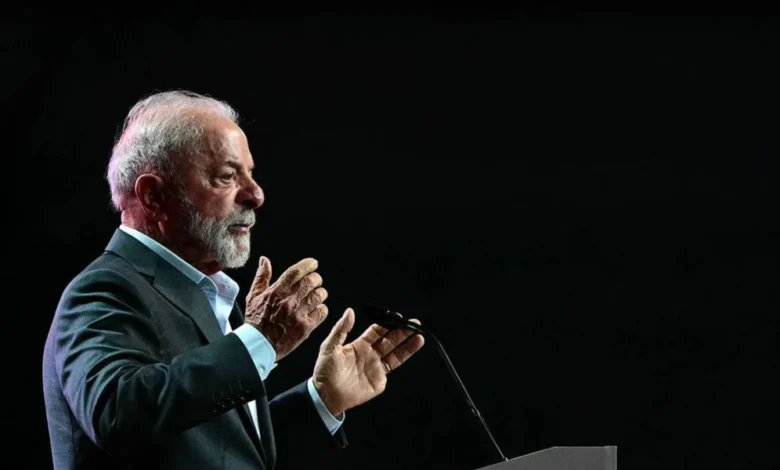
LONDON — Recent electoral outcomes in the Western Hemisphere have frequently been framed by centrist and progressive commentators as decisive victories against the rising tide of right-wing populism. In Brazil, veteran politician Luiz Inácio Lula da Silva secured a historic return to the presidency by defeating the incumbent far-right leader Jair Bolsonaro. Meanwhile, in the United States, the Democratic Party defied historical mid-term trends by limiting losses and successfully blunting the momentum of Donald Trump’s MAGA movement. For many international observers, these developments offered a collective sigh of relief, signaling a temporary stabilization of democratic norms in two of the world’s largest democracies.
However, beneath the surface of these celebratory narratives lies a sobering reality that progressive strategists and political architects cannot afford to ignore. A meticulous examination of the data, voter turnout, and legislative margins reveals a fundamental truth: recent election results do not amount to a decisive popular mandate. Neither the Democratic Party in the United States nor President Lula da Silva’s Workers’ Party (Partido dos Trabalhadores – PT) in Brazil are currently offering a comprehensive, transformative vision that genuinely excites the electorate. Instead, these victories were largely defined not by enthusiasm for a progressive agenda, but by widespread anxiety over the alternatives.
The Chronology of Contentious Victories
To understand the fragile nature of these political triumphs, it is necessary to examine the chronological sequence of events that brought both administrations to power. In Brazil, the political landscape had been deeply polarized since the 2018 election of Jair Bolsonaro, a former military captain whose tenure was marked by populist rhetoric, environmental deregulation, and a controversial handling of the COVID-19 pandemic.
The path to the 2022 Brazilian general election was fraught with institutional tension. Lula da Silva, having previously served two terms as president from 2003 to 2010, saw his corruption convictions annulled by the Supreme Federal Court in 2021, clearing his path to run for a third term. The first round of voting on October 2, 2022, produced a closer-than-expected result, with Lula leading Bolsonaro by a margin of 48.4% to 43.2%, forcing a high-stakes runoff. On October 30, 2022, Lula secured a narrow victory with 50.9% of the valid votes against Bolsonaro’s 49.1%, representing a margin of just over two million votes out of more than 118 million cast. This razor-thin outcome highlighted a deeply fractured nation rather than a unified endorsement of the Workers’ Party platform.
Similarly, the political trajectory in the United States leading up to the 2022 midterm elections was characterized by deep institutional anxiety. Following the return of divided government in 2021, the Biden administration faced severe headwinds, including persistent inflation, global supply chain disruptions, and the fallout from the June 2022 Supreme Court decision in Dobbs v. Jackson Women’s Health Organization, which overturned the constitutional right to abortion.
Pessimists predicted a historic "red wave" in the November 8, 2022, midterm elections, wherein the opposition party traditionally makes substantial gains. While the Republican Party narrowly recaptured the House of Representatives, the predicted landslide did not materialize. Democrats retained control of the Senate and performed strongly in key gubernatorial and state legislative races. Pundits rushed to declare this a major triumph for the Democratic platform. Yet, a deeper look at the exit polls suggested that the outcome was driven primarily by voter mobilization around reproductive rights and concerns over the democratic credentials of election-denying candidates, rather than a resounding embrace of the administration’s economic policies.
Supporting Data and Electorate Dynamics
Quantitative analysis of both the Brazilian and American electorates underscores the absence of a true ideological mandate. In Brazil, Lula da Silva’s victory was built upon a broad, pragmatic, and fragile "anti-Bolsonaro" coalition that spanned from the center-left to traditional center-right figures, including his own vice president, Geraldo Alckmin, a former political rival.
Data from the Brazilian electoral authority (TSE) demonstrates that while Lula performed exceptionally well in the impoverished Northeast region, Bolsonaro maintained a dominant stronghold in the agricultural powerhouse states of the Center-West and the economically vital Southeast, including São Paulo. Furthermore, the conservative bloc in the Brazilian Congress—often referred to as the Boi, Bíblia, e Bala (Beef, Bible, and Bullet) caucus—actually expanded its footprint in the National Congress, ensuring that the legislative branch remains inherently hostile to progressive social and environmental reforms.
In the United States, economic indicators leading into the midterms painted a complex picture. Consumer price index (CPI) inflation hovered near 7.7% in October 2022, and public approval of President Joe Biden remained underwater, fluctuating in the low-to-mid 40s. While Democratic candidates successfully localized races and distanced themselves from unpopular national narratives, data from the Pew Research Center and Edison Research exit polls indicated that the economy and inflation remained the top priority for over 30% of voters, with the majority of those economic pessimists casting their ballots for Republican candidates.
When an electoral victory relies fundamentally on the mobilization of fear regarding the opposition’s potential excesses—be it democratic backsliding or the curtailment of bodily autonomy—it does not translate into a durable mandate for sweeping structural change. Voters chose damage mitigation over visionary progression.
Official Responses and Political Realities
In the wake of these electoral contests, leadership in both countries attempted to project confidence while acknowledging the underlying divisions within their respective societies.
Following his inauguration on January 1, 2023, President Lula da Silva emphasized a theme of national reconstruction and unity. In his address to the National Congress, Lula stated, "Our message to Brazil is one of hope and reconstruction. The wheel of economy will turn again, and consumption will be valued through a strong social responsibility." However, administration officials privately admitted that the absence of a commanding majority in Congress would necessitate continuous wheeling and dealing with traditional centrist parties (the Centrão), diluting the ideological purity of the Workers’ Party agenda.
In Washington, President Biden framed the 2022 midterm results as a "good day for democracy," emphasizing that the American people had spoken clearly in defense of institutional norms. "While the press and the pundits were predicting a giant red wave, it didn’t happen," Biden remarked during a post-election press conference. Nevertheless, White House strategists recognized the legislative gridlock that awaited them with a Republican-controlled House. The subsequent two years of the administration were characterized by defensive legislative maneuvers, executive orders, and a constant struggle to pass bipartisan infrastructure and budget measures, rather than bold, transformative progressive legislation.
Broader Impact and Global Implications
The structural vulnerability of progressive governance in Brazil and the United States carries profound implications for the global political landscape. As liberal democracies face persistent challenges from populist authoritarian movements, the inability of center-left administrations to deliver tangible, exciting, and transformative economic improvements creates a dangerous vacuum.
When governments fail to offer a compelling vision that addresses systemic wealth inequality, precarious labor markets, and the anxiety of the working class, public disillusionment inevitably deepens. This disillusionment provides fertile ground for populist figures to return with renewed vigor, framing the status quo as stagnant and unresponsive to the needs of ordinary citizens.
For progressives in both hemispheres, the lesson of recent elections must go beyond relief. Winning an election by default—by virtue of being the less dangerous option—is a temporary reprieve, not a permanent victory. Without a bold, forward-looking agenda that revitalizes public services, addresses the cost-of-living crisis with innovative solutions, and reimagines economic security for the twenty-first century, these administrations risk presiding over a cycle of perpetual political volatility. The absence of a true mandate is a warning sign that the current political equilibrium is unsustainable, requiring a fundamental reimagining of what progressive politics has to offer a skeptical and exhausted electorate.
Related posts: