Chime Faces Multiple Class-Action Lawsuits Over Alleged Iran-Linked Data Breach and Service Disruption

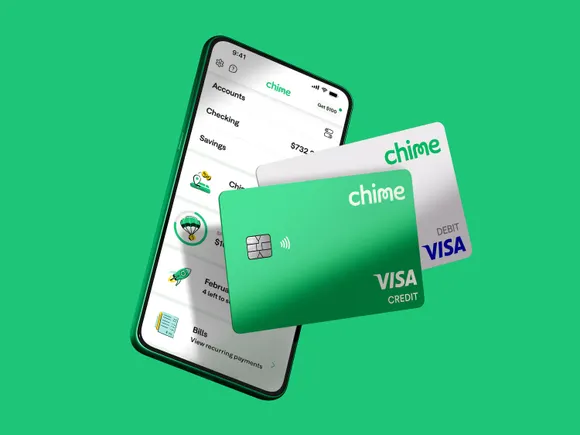
Fintech giant Chime is currently embroiled in a significant legal battle, facing three proposed class-action lawsuits stemming from an alleged data incident orchestrated by an Iran-linked hacktivist group. The legal challenges claim that a cyberattack, reportedly carried out by "Team 313," compromised sensitive customer data, including personally identifiable information (PII), and caused widespread service disruptions, leading to financial and emotional distress for its users. Chime, a prominent challenger bank known for its mobile-first banking services, vehemently denies these allegations, asserting that no customer funds or data were compromised during the reported incidents.
The Genesis of the Allegations: An April 1st Disruption
The controversy began to unfold around April 1, 2024, when Chime acknowledged a service disruption. At the time, the company issued a public statement assuring its vast customer base that it was actively working to resolve an issue and, critically, emphasized that "the money in your account and your personal information are secure." This assurance, however, has been sharply contradicted by the subsequent legal filings.
Four customers across three separate lawsuits allege a far more severe scenario. They contend that the hacktivist group known as Team 313 successfully breached Chime’s systems, leading to the theft of various forms of PII. The alleged compromised data points are extensive, including, but not limited to, Social Security numbers, postal addresses, email addresses, phone numbers, and crucial account credentials. Such a breach, if proven, would represent a significant failure in cybersecurity protocols and pose substantial risks to affected individuals.
The Plaintiffs’ Claims: Privacy Loss, Identity Theft, and Direct Harm
The first of the three lawsuits to emerge was filed on April 3 by Cindy Castaneda of Madera, California, and Lauren Goodloe of Chicago. Their joint complaint detailed immediate and tangible injuries resulting from Chime’s April 1st outage. Castaneda reported experiencing anxiety and poor sleep due to her inability to access her account balances and information, while Goodloe cited a late rent payment directly attributable to her inability to view her financial details during the disruption. This lawsuit highlights the critical reliance customers place on uninterrupted access to their digital banking services and the immediate consequences when such access is compromised.
Following this, Melissa Porter filed a separate lawsuit against Chime on April 7. Porter’s complaint directly linked the alleged breach to a "direct result of Defendant’s failure to implement adequate and reasonable cyber-security procedures and protocols necessary to protect consumers’ PII from a foreseeable and preventable cyber-attack." Her legal filing suggests that Chime could have prevented the severe consequences of such a data breach by implementing widely accepted security measures, specifically citing the requirement for multifactor authentication (MFA) to verify access credentials and the necessity of encrypting sensitive data. These are considered fundamental pillars of modern cybersecurity, especially within the financial sector.
The third lawsuit was filed on April 17 by Los Angeles-based Chime customer Michael Walsh. Walsh’s complaint echoes the concerns regarding stolen PII and focuses heavily on the long-term ramifications for affected individuals. "As a result of the events detailed herein, Plaintiff and Class Members suffered harm and loss of privacy, and will continue to suffer future harm," states Walsh’s lawsuit. It further warns that "Victims of the Data Breach are subject to an imminent and ongoing risk of harm, including identity theft and fraud," underscoring the enduring threat posed by the potential exposure of sensitive personal information.
It is important to note that while the lawsuits collectively allege the theft of PII and detail the hacktivist group’s claims, none of the individual plaintiffs’ lawsuits specifically include direct evidence of their own PII being compromised. Instead, their claims are built upon the alleged actions of Team 313 and the typical risks and harms associated with such cyberattacks.
Chime’s Resolute Denial and Commitment to Security
In response to these mounting legal challenges, a Chime spokesperson has issued a strong rebuttal, stating that the company "believes the claims are without merit." The company’s official position clarifies its account of the April 1st events, asserting that there were two separate, unrelated incidents.
"We identified and quickly resolved a brief disruption affecting only our marketing website, Chime.com, with no impact to member information," the spokesperson explained. "Around the same time, a separate, unrelated internal issue temporarily affected our app. In both cases, no funds or member data were compromised." This statement attempts to compartmentalize the issues, distinguishing between a public-facing website disruption and an internal app issue, and crucially, maintaining that neither led to a data breach.
The spokesperson further reiterated Chime’s unwavering commitment to customer security: "Protecting our members’ information is our top priority, and we maintain a robust, industry-leading security program to safeguard their data." This stance aims to reassure customers and investors that the company’s security posture remains strong, despite the allegations.
The Enigmatic Role of Team 313
Central to the plaintiffs’ claims is the alleged involvement of Team 313, also known as 313 Team and The Islamic Cyber Resistance in Iraq. This hacktivist group allegedly took responsibility online for crashing Chime’s servers and disabling both its application and website. While the exact timing and nature of their claim of responsibility in relation to the April 1st incident are not precisely detailed in the original reporting, the assertion adds a layer of geopolitical intrigue to the cybersecurity incident.
Iran-linked hacktivist groups have a documented history of engaging in cyber warfare, often driven by political or ideological motives. Their targets frequently include financial institutions, government entities, and critical infrastructure in countries perceived as adversaries. These groups often employ various tactics, from denial-of-service (DoS) attacks designed to disrupt services to more sophisticated breaches aimed at data exfiltration. The alleged involvement of such a group raises the stakes, suggesting a potentially well-resourced and motivated adversary. While Chime has not acknowledged Team 313’s involvement or the nature of any attack, the plaintiffs are relying on the group’s public claims to bolster their case regarding the severity and origin of the disruption.
Cybersecurity Best Practices Under the Microscope
The lawsuits, particularly Melissa Porter’s complaint, bring into sharp focus the critical importance of robust cybersecurity practices in the financial technology sector. The allegations that Chime failed to implement "adequate and reasonable cyber-security procedures and protocols," such as multifactor authentication (MFA) and data encryption, highlight industry best practices that are considered non-negotiable for institutions handling sensitive financial and personal data.
Multifactor authentication adds a crucial layer of security by requiring users to verify their identity through at least two different methods, such as a password and a code sent to a mobile device. This significantly reduces the risk of unauthorized access even if primary credentials are stolen. Data encryption, on the other hand, scrambles sensitive information, rendering it unreadable to unauthorized parties even if they manage to gain access to the data. These measures are not merely suggestions but are often foundational requirements within various regulatory frameworks governing financial institutions globally.
The financial sector, including fintechs, is a prime target for cybercriminals due to the valuable nature of the data they hold. According to IBM’s 2023 Cost of a Data Breach Report, the financial industry consistently ranks among the most expensive sectors for data breaches, with the average cost of a breach in this sector exceeding several million dollars. This underscores the imperative for financial institutions to invest heavily in proactive and adaptive cybersecurity defenses.
The Broader Implications for Fintech and Consumer Trust
The lawsuits against Chime emerge at a time when the fintech industry is experiencing explosive growth, attracting millions of users with its convenient, digital-first banking solutions. However, this growth also comes with heightened scrutiny regarding data security and operational resilience. Challenger banks like Chime, which operate without traditional physical branches, place an even greater reliance on their digital infrastructure’s integrity. Any perceived vulnerability can severely erode consumer trust, which is the bedrock of any financial service.
A data breach, or even the credible threat of one, can have far-reaching consequences beyond immediate financial losses. For companies, it can lead to significant reputational damage, customer attrition, substantial legal fees, potential regulatory fines, and a diversion of resources towards remediation and enhanced security measures. For consumers, the threat of identity theft is a pervasive and long-lasting concern. Recovering from identity theft can be a protracted and emotionally draining process, often costing victims hundreds of hours and significant financial resources.
This case also highlights the ongoing challenge of attribution in cyberattacks. While Team 313 allegedly claimed responsibility, proving direct causation and negligence in a court of law against a company that denies any breach of member data will be a complex legal undertaking. The differing narratives—Chime’s assertion of minor disruptions without data compromise versus the plaintiffs’ claims of a full-scale breach and PII theft—will require extensive discovery and potentially expert testimony to resolve.
Looking Ahead: A High-Stakes Legal Battle
As these class-action lawsuits proceed, Chime will face considerable pressure to defend its security protocols and its version of the April 1st events. The outcome could set precedents for how fintech companies are held accountable for cybersecurity incidents and how their public statements regarding such events are evaluated in a legal context. For the plaintiffs, the goal is to secure compensation for alleged damages and compel Chime to implement more robust security measures.
The legal battle underscores the evolving landscape of digital finance, where operational resilience and data security are paramount. It serves as a stark reminder that in the interconnected world of fintech, the trust built on convenience and innovation must always be underpinned by an impregnable commitment to protecting customer data from the ever-present and increasingly sophisticated threats of cyber warfare. The ultimate resolution of these lawsuits will likely have significant implications not only for Chime but for the entire digital banking ecosystem and its millions of users.