Gold Prices Tumble Amidst Shifting Monetary Expectations and Market Overheating

Gold prices are currently undergoing a significant correction, a stark contrast to the robust rally witnessed in the early part of January. This precipitous decline is attributed to a confluence of factors, including evolving macroeconomic landscapes, forced deleveraging pressures, and decisive regulatory interventions in key global markets. While initial shifts in U.S. monetary policy expectations served as the primary catalyst, the sheer magnitude of the price drop underscores the underlying fragility and overextended positioning within the market.
The appointment of Kevin Warsh as the prospective Federal Reserve Chair has significantly assuaged concerns regarding an aggressive easing of monetary policy. This development has led many investors to anticipate a tightening of financial conditions. Coupled with a notable uptick in U.S. producer inflation figures, these factors have bolstered the U.S. dollar and strengthened real yields. Consequently, this has exerted considerable downward pressure on gold, a non-yielding asset, in the short term.
The severity of the price decline was further amplified by systemic selling activity. Momentum indicators had remained in deeply overbought territory for an extended period prior to the reversal, leaving the market exceptionally vulnerable to rapid liquidation once key support levels were breached. This created a domino effect, where initial selling triggered further automated and discretionary sell-offs.
Volatility Echoes in China’s Financial Markets
Developments in China have vividly illustrated the extent of this market volatility. Major financial institutions, including the Industrial and Commercial Bank of China (ICBC), Bank of China, and China Construction Bank, issued public advisories to precious metals investors. These warnings highlighted the "technically fragile" nature of the market and urged a cautious approach. In response to these concerns, the Shanghai Gold Exchange implemented adjustments to its margin requirements and price limits. These measures were designed to curb excessive speculation and prevent further price dislocations driven by leverage. The authorities’ actions signal a clear concern that recent price movements were disproportionately influenced by leveraged positions and speculative sentiment, rather than by sustainable end-user demand.
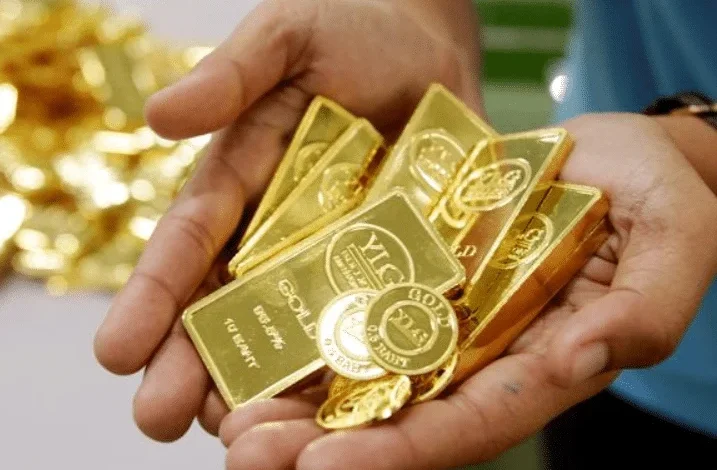
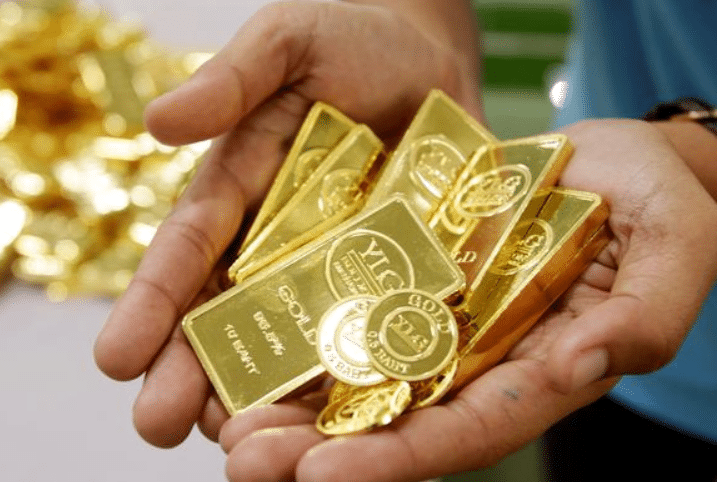
The ripple effects of the global slump have also manifested among retail investors in smaller markets. In Kyrgyzstan, reports indicate a surge in residents seeking to sell certified gold bars to the state-owned Kyrgyzaltyn company. This rapid shift from hoarding behavior to a focus on capital preservation in smaller economies after a substantial price shock underscores the sensitivity of investor sentiment to significant market downturns.
Underlying Strengths Remain Intact
Despite the current correction, the fundamental pillars supporting gold’s long-term value proposition remain robust. Central banks globally continue to increase their gold holdings as part of efforts to diversify their foreign exchange reserves. According to the World Gold Council, central bank net purchases of gold reached 400 tonnes in 2023, marking the second-highest annual total on record. This sustained institutional demand provides a solid floor for the precious metal.
Furthermore, geopolitical tensions, particularly between the United States and Iran, persist. While the immediate rhetoric may have subsided, the underlying geopolitical instability continues to fuel safe-haven demand for gold. Historically, gold has served as a reliable hedge against uncertainty, and the current geopolitical climate ensures its continued appeal as a store of value.
A Necessary Reset, Not a Trend Reversal
The current market correction is widely interpreted not as a harbinger of a sustained trend reversal, but rather as a necessary recalibration following an exceptionally sharp, emotion-driven rally. The preceding surge in gold prices in early January was characterized by elevated speculative interest and a degree of exuberance that outpaced fundamental drivers. This correction serves to wring out excess leverage and re-anchor prices to more sustainable levels.
For gold to resume its upward trajectory swiftly, a renewed escalation of macroeconomic stress or a discernible pivot in global monetary policy conditions would likely be required. Investors will be closely monitoring central bank communications, inflation data, and geopolitical developments for any signals that could reignite significant demand for the precious metal.
Gold Price Technical Analysis: Navigating Below Key Averages
A technical examination of the gold market reveals a challenging landscape. The 4-hour chart illustrates a significant downturn, with the price of gold breaching the 200-period moving average (MA) around the $4,600 mark. This is the first instance of such a breach since November 2025, signaling a potential shift towards a more prolonged downtrend with the possibility of further declines. However, the Relative Strength Index (RSI) has entered oversold territory, which may indicate a temporary consolidation or a potential short-term pullback before any further downward movement.
The immediate upside targets for gold appear to be the 100-period MA, currently situated near $4,835, followed by the psychologically significant $5,000 level. Beyond that, the 20-period MA at $5,250 represents another key resistance area. On the downside, if current lows of $4,400 are breached, the market could see a fill of the gap at $4,330. A sustained break below this level could expose the $4,000 psychological mark to further testing.
Market Dynamics and Investor Sentiment
The sharp decline in gold prices has been influenced by several interconnected factors:
1. Shifting Monetary Policy Expectations: The perceived shift in the U.S. Federal Reserve’s stance, particularly with the potential appointment of a less dovish Chair, has altered market expectations. Investors are now factoring in a higher probability of tighter financial conditions, which generally dampens demand for non-yielding assets like gold. This contrasts with earlier expectations of continued accommodative policies that had supported gold’s rally.
2. Inflationary Pressures and Real Yields: The rise in U.S. producer inflation has contributed to an increase in real yields (nominal yields adjusted for inflation). Higher real yields make interest-bearing assets more attractive relative to gold, thus reducing its appeal. The U.S. Producer Price Index (PPI) saw a notable increase in the latest reporting period, exceeding forecasts and reinforcing concerns about inflationary pressures.
3. Overextended Positioning and Deleveraging: The rapid ascent in gold prices prior to the correction had led to a build-up of speculative long positions. As the market turned, these positions became vulnerable to liquidation. Forced deleveraging, driven by margin calls and risk management strategies, accelerated the selling pressure. Data from futures markets indicated a significant increase in open interest during the rally, suggesting a growing speculative footprint.
4. Regulatory Intervention in China: The proactive measures taken by Chinese financial authorities underscore the perceived disconnect between price movements and underlying market fundamentals. The Shanghai Gold Exchange’s adjustments to margin requirements and price limits are direct interventions aimed at curbing excessive leverage and speculative trading. This move reflects a desire to ensure market stability and prevent speculative bubbles. The volume of gold traded on the Shanghai Gold Exchange has been substantial, making such regulatory actions impactful on a global scale.
5. Retail Investor Behavior: The rush to sell gold bars in Kyrgyzstan highlights the behavioral shifts that can occur in smaller, less liquid markets during periods of sharp price volatility. Such reactions can exacerbate downward trends as individual investors prioritize liquidity and capital preservation.
Broader Economic and Geopolitical Implications
The correction in gold prices has several broader implications:
- Investor Confidence: The sharp reversal could temporarily dampen investor sentiment towards gold as a safe-haven asset, especially if the macroeconomic environment stabilizes. However, the underlying structural demand from central banks and ongoing geopolitical uncertainties provide a counterbalancing force.
- Inflationary Narrative: While gold’s price has fallen, the underlying inflation concerns that contributed to its initial rise have not entirely disappeared. Persistent inflation could eventually reignite demand for gold as an inflation hedge.
- Currency Markets: The strengthening of the U.S. dollar, partly driven by shifting monetary expectations, has implications for other major currencies and international trade. Gold’s inverse relationship with the dollar means its price movements are closely watched by currency traders.
- Geopolitical Risk Premium: The continued presence of geopolitical tensions, despite short-term de-escalations in rhetoric, suggests that the demand for safe-haven assets, including gold, will likely remain a factor in the medium term. The ongoing situation in the Middle East, for instance, continues to be a source of underlying market anxiety.
In conclusion, while gold is experiencing a significant price correction, driven by a combination of macroeconomic shifts, market positioning, and regulatory actions, its fundamental appeal as a store of value and a hedge against uncertainty remains intact. The current environment represents a necessary market reset rather than a definitive trend reversal, with future price movements likely contingent on the evolution of global monetary policy, inflation dynamics, and geopolitical stability.