Microsoft Addresses Record 570 Security Vulnerabilities in July Patch Tuesday, Fueled by AI Advancements

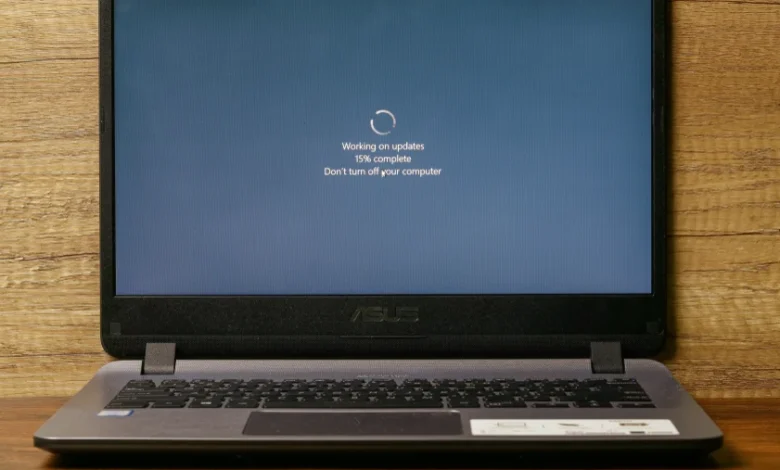
Microsoft Corp. has released a monumental software update, dubbed "Patch Tuesday," for July, addressing an unprecedented 570 security vulnerabilities across its Windows operating systems and a suite of other software products. This figure nearly triples the number of fixes deployed in the previous month’s record-breaking release, a surge Microsoft attributes directly to the accelerating capabilities of artificial intelligence in discovering and analyzing software flaws. The sheer volume of patches underscores a significant shift in the cybersecurity landscape, where the pace of vulnerability discovery is rapidly accelerating, driven by both defensive and offensive AI applications.
Unprecedented Patch Volume Signals AI’s Growing Influence
The July Patch Tuesday, released on the second Tuesday of the month, has set a new benchmark for the sheer number of security issues Microsoft has concurrently resolved. This substantial release includes nearly 60 vulnerabilities designated with a "critical" severity rating, a classification indicating that malicious actors or malware could potentially exploit them to gain remote control over a Windows device with minimal or no user interaction. The gravity of these critical flaws cannot be overstated, as they represent direct pathways for attackers to compromise user systems and sensitive data.
Adding to the urgency, Microsoft has also addressed three zero-day vulnerabilities – flaws that were unknown to the software giant until they were either discovered or actively exploited in the wild. Of these, two are confirmed to be under active exploitation, meaning attackers are already leveraging these weaknesses to compromise systems. This proactive patching of actively exploited zero-days is a crucial defensive measure, aiming to shut down ongoing attacks before they can cause widespread damage.
Deep Dive into Critical Vulnerabilities and Zero-Days
Among the most concerning vulnerabilities addressed are those that grant attackers elevated privileges on a Windows system. Two of the newly patched zero-day flaws fall into this category, allowing an attacker to escalate their user rights. This trend is further amplified by approximately 250 other "elevation of privilege" vulnerabilities fixed in this release. Such flaws are particularly dangerous as they can allow an initial, low-level intrusion to be escalated into a full system compromise.
Two specific examples of these elevation of privilege flaws highlighted by Microsoft include:
- CVE-2026-56155: This vulnerability affects Active Directory Federation Services (AD FS), a component critical for identity and access management in enterprise environments. Exploiting this flaw could allow an attacker to gain unauthorized administrative access within an organization’s network.
- CVE-2026-56164: This vulnerability resides within Microsoft SharePoint, a widely used platform for collaboration and document management. Compromising SharePoint could lead to the exposure of sensitive corporate data and internal communications.
Another significant vulnerability, CVE-2026-50661, involves a security feature bypass in Windows BitLocker, the built-in encryption software designed to protect data on lost or stolen devices. While Microsoft states this bug has been publicly detailed, they are not aware of active exploitation. However, the existence of such a flaw raises concerns about the potential for attackers with physical access to a device to circumvent BitLocker’s protections and access encrypted data, undermining a fundamental security layer for many users.
AI as a Double-Edged Sword in Cybersecurity
The dramatic increase in vulnerability disclosures is directly linked to advancements in artificial intelligence, as articulated by Pavan Davuluri, Executive Vice President of Windows and Devices at Microsoft. In a blog post published on July 9th, Davuluri acknowledged that users will likely see a "higher volume of security updates included in each security release." He elaborated, stating, "The pace of vulnerability discovery is changing with advances in AI making it possible to find more issues, faster, across more code, with new mechanisms that can accelerate both discovery and analysis."
This statement from Microsoft confirms that AI tools are becoming indispensable in the cybersecurity arms race. These tools can sift through vast amounts of code, identify subtle anomalies, and predict potential weaknesses with unprecedented speed and accuracy. This enhanced discovery capability allows Microsoft to identify and patch vulnerabilities before they can be weaponized by malicious actors.
However, AI’s impact is not limited to defensive measures. The same technologies that accelerate vulnerability discovery can also be leveraged by attackers to develop exploits more rapidly. This presents a critical challenge: as AI makes it easier to find flaws, it also makes it easier to exploit them.
The Exploitability Index Under Scrutiny in the Age of AI
Microsoft has historically utilized an "exploitability index" to gauge the likelihood that a discovered vulnerability will be exploited by attackers. This index serves as a valuable tool for prioritizing patching efforts. However, the rapid advancements in AI are prompting a re-evaluation of this system.
Jack Bicer, Director of Vulnerability Research at Action1, drew attention to CVE-2026-48561, a remote code execution flaw in Microsoft Copilot, with a high CVSS threat score of 9.6. This vulnerability could allow an unauthorized attacker to execute code over the network by tricking Microsoft Edge for Android into sending crafted prompts to Copilot when a user visits a malicious website. This example highlights how even sophisticated AI-powered features can harbor critical vulnerabilities.
Satnam Narang, Senior Staff Research Engineer at Tenable, voiced concerns that Microsoft’s exploitability index may not be keeping pace with AI-driven attack capabilities. He pointed to the SharePoint zero-day vulnerability as a prime example. Microsoft initially assigned it an "less likely" exploitability rating, yet it was subsequently added to CISA’s Known Exploited Vulnerabilities list on July 1st, indicating active exploitation.
Narang cited findings from Anthropic’s Red Team, which demonstrated that their AI model, Mythos Preview, could generate proof-of-concept exploits for 13 out of 14 vulnerabilities rated as "Exploitation Less Likely" or "Exploitation Unlikely." This suggests that the exploitability index, which is largely based on human analysis, may be becoming less reliable in predicting the threat posed by vulnerabilities in an AI-accelerated threat landscape. "What this means is that our way of looking at Patch Tuesday has changed, because the exploitability index is centered around humans, not AI tools, and as these tools continue to improve, defense needs to improve alongside it," Narang stated.
A Broader Trend: Accelerated Patching Across the Industry
Microsoft’s surge in patch volume is not an isolated event. The cybersecurity industry as a whole is witnessing an increased cadence of security updates from major software vendors. Chris Goettl, at Ivanti, observed that Adobe has announced a move to twice-monthly security bulletins, published on the second and fourth Tuesdays of each month, also citing AI as a factor in accelerating their patch cycles.
Companies like Cisco, Mozilla, and Oracle are also shipping updates more frequently. Google’s patch releases in June 2026, for instance, reportedly totaled over 900 security fixes, indicating a widespread industry-wide effort to address the growing threat landscape. This coordinated increase in patching frequency suggests a collective recognition of the escalating pace of cyber threats and the need for more agile security responses.
Recommendations for Users and IT Professionals
Given the unprecedented volume of patches released in July, Microsoft and cybersecurity experts offer crucial advice for users and IT professionals.
1. Prioritize and Schedule Updates: While it’s critical to apply security updates promptly, the sheer magnitude of this release suggests a need for careful planning. Backing up Windows systems and data before applying updates is always a recommended practice. For end-users and organizations, it may be prudent to wait a few days after the initial release to allow for any unforeseen stability issues or conflicts to be identified and addressed by Microsoft. Security patches, while essential, can sometimes introduce system instability, and the increased number of fixes in this release may amplify that risk.
2. Understand the Criticality of Zero-Days and Act Swiftly: The presence of actively exploited zero-day vulnerabilities necessitates immediate attention. Organizations and individuals should prioritize patching these specific CVEs as soon as possible to mitigate ongoing risks.
3. Stay Informed and Adapt to Evolving Threat Intelligence: The evolving nature of vulnerability discovery and exploitation, particularly with the influence of AI, requires continuous monitoring of security advisories and threat intelligence feeds. Understanding how AI is impacting both offense and defense is crucial for making informed security decisions.
4. Re-evaluate Exploitability Assessments: As suggested by industry experts, it may be time for security teams to re-evaluate how they interpret exploitability ratings, especially in light of AI’s capabilities in generating exploits. Relying solely on traditional metrics might not provide an accurate picture of the immediate risk posed by a vulnerability.
The July Patch Tuesday serves as a stark reminder of the dynamic and ever-evolving nature of cybersecurity. Microsoft’s monumental effort to patch hundreds of vulnerabilities highlights the increasing complexity of modern software and the accelerating arms race between attackers and defenders. As AI continues to reshape the cybersecurity landscape, organizations and individuals alike must remain vigilant, adapt their security strategies, and prioritize timely and informed patching to safeguard their digital assets. The era of AI-driven cybersecurity is here, demanding a more proactive, agile, and informed approach to protecting against an increasingly sophisticated threat landscape.