Hurupay’s Departure from Kenya Signals a Seismic Shift in Fintech Operations Amidst Regulatory Pressure.

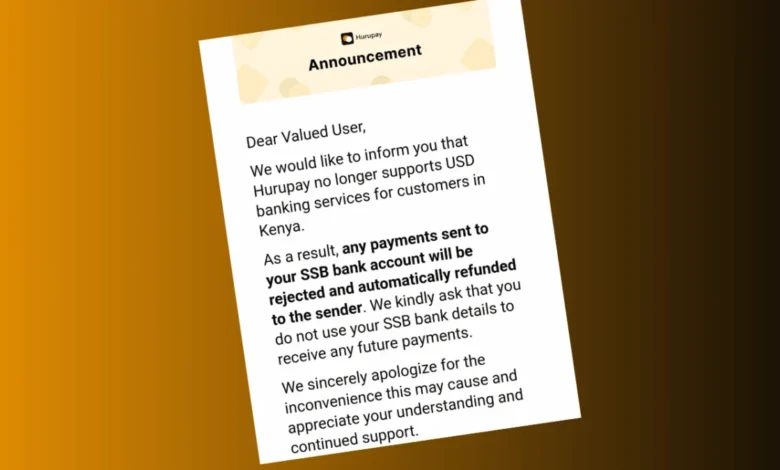
The recent withdrawal of Hurupay from the Kenyan market is far from a routine business pivot; it serves as a stark warning and a critical case study for fintech companies operating in jurisdictions under increased regulatory scrutiny. This move, highlighted by Edwin Dande, CEO of Cytonn Investments, underscores a profound transformation in the operational priorities for financial technology firms, where the ultimate test of survival is no longer solely dependent on product appeal but on the robustness of their compliance infrastructure. Kenya’s ongoing presence on the Financial Action Task Force (FATF) grey list has amplified this challenge, forcing a re-evaluation of business models and risk management strategies across the sector.
The Regulatory Crucible: Kenya’s FATF Grey-Listing and its Fallout
Kenya found itself placed on the FATF grey list in February 2024, a designation that signifies increased monitoring due to strategic deficiencies in its anti-money laundering (AML) and countering the financing of terrorism (CFT) regimes. This move followed a period of intense evaluation by the global watchdog, which identified gaps in the country’s ability to effectively combat illicit financial flows. The immediate consequence for any grey-listed nation is heightened scrutiny from international financial institutions, correspondent banks, and global payment processors, leading to increased transaction costs, delays, and, in severe cases, de-risking by foreign entities.
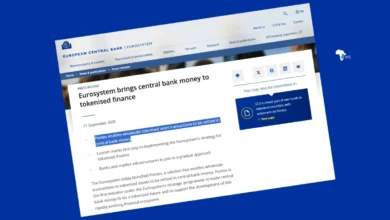
For fintechs, this regulatory environment translates into an existential threat. Companies like Hurupay, PayPal, and Wise, which facilitate cross-border payments and remittances, face immense pressure to demonstrate rigorous AML and Know Your Customer (KYC) protocols. The cost of maintaining these stringent standards, especially for foreign entities navigating complex local and international regulations, can quickly erode profitability. The departure of Hurupay, an international payment platform, is therefore not merely a commercial decision driven by lack of profitability but a strategic retreat in the face of escalating compliance costs and regulatory exposure. This pattern echoes the earlier decision by Revolut to delist USDT from August 2026, citing similar regulatory and risk concerns, illustrating a global trend towards stricter oversight of digital assets and payment platforms.
Compliance Debt: The New Survival Metric for Fintechs
Dande’s analysis correctly identifies "compliance debt" as a critical survival issue. The traditional startup mantra of "move fast and break things" or "verify later" is no longer viable in grey-listed markets. Such ventures are now operating on borrowed time. The expectation has shifted dramatically: compliance, particularly robust AML/KYC frameworks, must be funded and implemented from day one. This proactive approach requires significant upfront investment in technology, personnel, and operational processes designed to meet evolving regulatory standards.
The cost of non-compliance can manifest in various forms: hefty fines, reputational damage, restrictions on banking partnerships, and ultimately, market exit. For foreign fintechs like Hurupay, the burden of proving compliance to multiple regulatory bodies – both in their home jurisdiction and in Kenya – becomes prohibitively expensive. This dynamic inherently favors locally licensed players who possess a deeper understanding of the domestic regulatory landscape and can more easily establish trust with correspondent banks and the Central Bank of Kenya (CBK). These local entities can tailor their compliance programs to specific national requirements while still adhering to international best practices, effectively making "trust" their core product. The emphasis is no longer just on securing users but on securing the confidence of regulators and financial partners.
Mitigating Single-Rail Dependency: A Lesson in Resilience
The abrupt exit of a major platform like Hurupay exposes the inherent vulnerabilities of single-rail dependency. Users, particularly freelancers and small businesses who built their entire payment flow around one platform, found themselves cut off overnight, facing immediate disruption to their income streams and operational capabilities. This incident serves as a critical lesson: future ventures and users alike must prioritize multi-provider or hybrid payment rails over complete reliance on a single foreign fintech.
The experience of Chimoney, a Web3-backed Nigerian fintech that shut down in May 2026, further illustrates this point. Its closure, exposing vulnerabilities in startup infrastructure, highlighted the fragility of ecosystems built on singular, often nascent, technological or financial frameworks. For Kenya’s burgeoning gig economy, which leads Africa in growth with a 216% increase in online freelancers over five years, this lesson is particularly poignant. These freelancers rely heavily on efficient and reliable cross-border payment solutions. Diversifying payment channels, leveraging multiple providers, and exploring decentralized alternatives with robust backup mechanisms are no longer optional but essential strategies for business continuity and resilience in an unpredictable regulatory environment. This also means fintechs themselves need to build in contractual protections and transparent communication protocols with their partners and users, anticipating potential disruptions rather than reacting to them.
Stablecoins Under Scrutiny: The Drive for Regulated Digital Assets

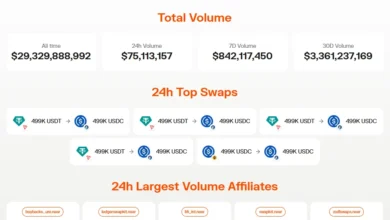
The rise of stablecoins, particularly Tether (USDT), has introduced both opportunities and regulatory challenges. While stablecoins offer a fast, low-cost alternative for cross-border transactions, their pseudonymous nature and perceived lack of comprehensive oversight have made them a target for regulators concerned about money laundering and illicit finance. Dande points out that USDT’s dominance in grey-listed jurisdictions is precisely the profile regulators are scrutinizing. Kenya’s significant stablecoin inflows, estimated at $3.3 billion, demonstrate the strong demand for such solutions, but also signal to regulators the need for increased oversight.
The global trend is undeniably moving towards regulated stablecoins and verified-identity wallets. This shift will likely see increased pressure on platforms to integrate full KYC/AML checks for stablecoin transactions, moving away from today’s relatively open access models. The aforementioned decision by Revolut, a leading European fintech, to delist USDT from August 2026 due to regulatory and risk concerns is a powerful indicator of this global trajectory. For fintechs like Wapi Pay, which uses stablecoins in its Singapore entity, the challenge lies in demonstrating that these digital assets are handled within a compliant framework, ensuring transparency and accountability. The future of stablecoins in markets like Kenya will depend on their ability to integrate seamlessly with traditional financial regulations, bridging the gap between innovative digital finance and established compliance standards.
The Underserved Freelancer Segment: A Compliant Opportunity Awaits
Despite the regulatory headwinds, the demand for efficient and affordable cross-border payment solutions in Kenya remains robust, particularly within its vibrant freelancer and gig economy. The $3.3 billion in stablecoin inflows is a testament to this persistent demand. Hurupay’s departure has left a significant gap, but it also highlights a substantial opportunity for innovative fintechs willing to tackle the compliance challenge head-on.
The winning strategy for serving this segment will involve building solutions that are not only user-friendly and cost-effective but, crucially, fully compliant with AML/KYC regulations and possess strong, licensed banking ties. This means developing platforms that can offer real-time verification, robust transaction monitoring, and transparent reporting to regulatory bodies. Local fintechs, with their inherent understanding of the Kenyan market and closer ties to the CBK, are uniquely positioned to fill this void. They can leverage their domestic licenses to build trust, streamline compliance processes, and offer tailored services that meet the specific needs of Kenyan freelancers while adhering to international best practices. This focus on "doing it right" – prioritizing compliance alongside innovation – will be the differentiator in capturing this valuable market segment.
Navigating Abrupt Exits: Building Trust and Redundancy
A recurring theme in the recent departures of international fintechs from grey-listed markets is the lack of transparent communication regarding their exits. Neither Hurupay, nor other platforms facing similar pressures, provided clear, detailed reasons for their sudden withdrawals to their user base. This opacity creates uncertainty, erodes trust, and leaves users in a lurch.
For businesses and individuals relying on these platforms, such abrupt, unexplained exits pose a significant operational risk. It underscores the critical need for ventures to build in contractual protections with their service providers, establish backup payment paths, and maintain transparent communication channels with their users before a crisis hits, not after. Robust due diligence on partners, diversification of service providers, and clear contingency plans are essential. The 2024 PR Report indicating that ~90% of investors judge African startups by the quality of their reporting further emphasizes the importance of transparency and accountability, not just in financial reporting but in operational communication as well. This builds investor confidence and, crucially, user loyalty.
Broader Implications for Kenya’s Digital Economy
The Hurupay episode, coupled with Kenya’s grey-listing, sends a clear message to the broader digital economy: the era of "light-touch" regulation for fintechs, especially those engaged in cross-border transactions, is over. The implications are far-reaching:
- Shift Towards Local Innovation: The regulatory environment creates a barrier for entry for foreign players unprepared for stringent compliance, inadvertently fostering a competitive advantage for local fintechs that can demonstrate robust AML/KYC controls and cultivate strong relationships with domestic regulators and banks. This could spur a new wave of localized innovation tailored to the specific regulatory and market conditions of Kenya.
- Increased Investment in Compliance Technology: Fintechs will be compelled to invest heavily in advanced compliance technologies, including AI-powered AML solutions, enhanced identity verification systems, and real-time transaction monitoring tools. This could drive growth in the regtech (regulatory technology) sector.
- User Adaptation and Education: Users, particularly freelancers, will need to adapt by diversifying their payment methods and understanding the implications of regulatory changes. Financial literacy around compliant digital payments will become increasingly important.
- Reputational Impact: While challenging, addressing the FATF grey-listing and demonstrating a commitment to global AML/CFT standards can ultimately enhance Kenya’s reputation as a secure and reliable financial hub, attracting more legitimate investment in the long term.
In conclusion, Hurupay’s exit is more than just a company leaving a market; it’s a pivotal moment that redefines the landscape for fintech operations in Kenya and other grey-listed jurisdictions. It unequivocally establishes compliance not as a mere operational overhead but as a fundamental, non-negotiable prerequisite for market entry, sustained operation, and ultimate survival. The future belongs to fintechs that can seamlessly integrate cutting-edge innovation with uncompromising regulatory adherence, thereby building trust and resilience in an increasingly scrutinized global financial system.
Stay tuned to BitKE on regulatory developments in Africa.
Join our WhatsApp channel here.
Follow us on X for the latest posts and updates
Join and interact with our Telegram community