Federal Reserve Issues Lifetime Ban to Former Bank Executive Over Inflated Loan Appraisals

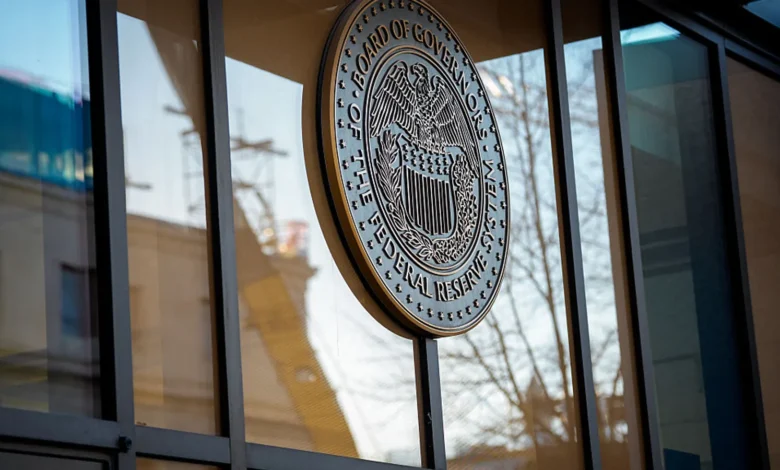
The Federal Reserve has permanently barred James Burns, a former chief lending officer at Heritage State Bank in Lawrenceville, Illinois, from the banking industry following his approval of loans based on deliberately inflated appraisals and his failure to ensure proper due diligence on numerous other lending transactions. This misconduct, spanning years, ultimately led to significant financial losses for First National Bank of Carmi (FNBC) after its acquisition of Heritage State Bank in 2020, underscoring the critical importance of robust internal controls and ethical leadership within financial institutions. The regulatory action, made public on July 21, 2026, serves as a stark reminder of the severe consequences awaiting banking professionals who compromise fiduciary duties and disregard regulatory compliance.
The Regulatory Hammer: Federal Reserve’s Enforcement Action
The Federal Reserve’s formal enforcement action against James Burns culminates an investigation into his practices during his tenure as chief lending officer at Heritage State Bank from 1999 until its acquisition. The central bank’s findings, detailed in its order, paint a picture of systemic disregard for established lending protocols and ethical obligations. Specifically, Burns was found to have approved at least four loans where property appraisals were demonstrably altered or manipulated to reflect inflated values, artificially boosting the perceived collateral for these loans. This direct involvement in approving loans underpinned by fraudulent valuations represents a serious breach of trust and a fundamental failure in his role as a chief lending officer, a position entrusted with safeguarding the bank’s assets and managing its risk exposure.
Beyond the direct manipulation, the Federal Reserve also cited Burns for a broader pattern of negligence concerning appraisal oversight. He failed to ensure that at least 25 loans or loan renewals were appraised by properly licensed appraisers, a basic regulatory requirement designed to ensure the independence and professional integrity of valuation processes. Furthermore, Burns reportedly ignored glaring inconsistencies in these appraisals, even when faced with data that should have triggered immediate scrutiny. These inconsistencies were starkly highlighted when First National Bank of Carmi, the acquiring institution, conducted its own re-appraisals post-merger. The new valuations placed the collateral at significantly lower levels than Burns’ approved appraisals, exposing the extent of the original overvaluations and the resultant financial risk.
The Federal Reserve’s order explicitly states that Burns’ "conduct constituted violations of law or regulation, breaches of fiduciary duty, or unsafe or unsound banking practices, and involved his personal dishonesty or demonstrated his willful or continuing disregard for the Bank’s safety and soundness." This language is crucial, as it provides the legal basis for a lifetime ban, indicating that the Fed views his actions as not merely negligent but deeply problematic, touching upon integrity and systemic risk. By consenting to the Fed’s order, Burns has agreed to comply with its provisions, which effectively exiles him from any future involvement in the banking industry. This level of enforcement reflects the Federal Reserve’s unwavering commitment to maintaining stability and public trust in the financial system.
A Chronology of Misconduct and Discovery
The timeline of events leading to Burns’ ban spans over two decades, originating with his appointment as chief lending officer at Heritage State Bank in Lawrenceville, Illinois, in 1999. For over two decades, Burns held a pivotal role, responsible for the bank’s lending portfolio and credit risk management. The alleged misconduct, involving the approval of loans with inflated appraisals and lax oversight, occurred during his tenure, sowing seeds of instability within the bank’s asset base.
The critical turning point came in 2020 when Heritage State Bank was acquired by First National Bank of Carmi (FNBC), a nearby institution. Bank mergers and acquisitions typically involve extensive due diligence processes, where the acquiring bank scrutinizes the financial health, asset quality, and operational integrity of the target institution. It was during this post-merger integration phase, specifically through FNBC’s comprehensive re-appraisals of acquired loan collateral, that the discrepancies in Burns’ previously approved valuations began to surface. These re-appraisals revealed that many properties securing loans approved by Burns were valued substantially lower than their original appraisal figures.
The full financial impact became evident when FNBC was forced to foreclose on some of these affected loans. The subsequent collateral sales, as noted by the Federal Reserve, "yielded substantially less than the original appraisal value, causing a loss to FNBC." This financial hit underscored the tangible damage caused by Burns’ actions. Following these discoveries and the subsequent financial repercussions, it is highly probable that FNBC initiated an internal investigation and reported its findings to regulatory bodies, including the Federal Reserve. The Federal Reserve’s investigation would have then proceeded, culminating in the formal ban issued on July 21, 2026. In the intervening period, First National Bank of Carmi itself underwent a rebranding, becoming First Bank, a common practice in the banking sector that can sometimes coincide with efforts to modernize or, in some cases, signal a fresh start following challenging periods. Attempts to reach First Bank’s CEO, Nikki Roser, for comment on the matter were unsuccessful, as calls to the main line went unanswered.
The Role of a Chief Lending Officer and Appraisal Integrity
The position of Chief Lending Officer (CLO) is one of immense responsibility within any financial institution. A CLO is not merely a loan approver; they are the primary architect of a bank’s lending strategy, responsible for managing the entire credit risk portfolio, ensuring compliance with banking regulations, and ultimately protecting the bank’s assets and its depositors’ funds. Their duties encompass setting lending policies, overseeing underwriting standards, managing credit committees, and ensuring the accuracy and integrity of all collateral valuations. The integrity of property appraisals is particularly critical in secured lending. An appraisal provides an independent, expert opinion of a property’s value, serving as the cornerstone for determining the loan-to-value (LTV) ratio, which is a key metric for assessing risk. Inflated appraisals lead to inflated LTV ratios, meaning the bank is lending more money than the true value of the collateral justifies. This significantly increases the bank’s exposure to loss if the borrower defaults and the property needs to be liquidated.

Federal regulations, such as those stemming from the Financial Institutions Reform, Recovery, and Enforcement Act of 1989 (FIRREA), and subsequent interagency appraisal guidelines, mandate the use of licensed or certified appraisers for most real estate transactions, emphasizing their independence and adherence to professional standards. These regulations are designed to prevent conflicts of interest and ensure objective valuations. Burns’ alleged failure to ensure licensed appraisers were used for dozens of loans, coupled with his disregard for inconsistencies, represents a profound dereliction of these fundamental regulatory and ethical responsibilities. His actions not only exposed Heritage State Bank to undue risk but also undermined the very principles of sound banking practice that protect the financial system from instability.
The Fallout for First Bank (FNBC)
The financial ramifications for First National Bank of Carmi (now First Bank) were substantial, as confirmed by the Federal Reserve’s statement regarding the "losses" incurred. While the exact monetary value of these losses has not been publicly disclosed, the fact that the Fed highlighted them indicates a significant impact on the acquiring institution’s balance sheet. When an acquiring bank discovers pre-existing issues such as inflated appraisals, it faces several challenges. Firstly, there are direct financial losses from foreclosures where collateral sales yield less than the outstanding loan balances. These losses impact profitability and can necessitate setting aside larger loan loss reserves, reducing capital available for new lending or investments.
Secondly, there are the operational costs associated with identifying, rectifying, and managing the problematic loans. This includes the expense of re-appraisals, legal fees for foreclosures, and the administrative burden of unwinding flawed transactions. Such unexpected costs can erode the projected synergies and profitability of an acquisition, turning a strategic growth move into a costly remediation effort. Moreover, the discovery of such systemic fraud or negligence can lead to reputational damage. While FNBC was the victim in this scenario, the public might still perceive a broader issue within the banking entities involved. The rebranding to "First Bank" could, in part, be an attempt to modernize and move forward from any negative associations, though such efforts are multifaceted. The absence of an immediate comment from First Bank’s CEO, Nikki Roser, suggests a cautious approach to public statements regarding an ongoing regulatory matter that pertains to a prior entity.
Broader Implications for the Banking Sector
The Federal Reserve’s lifetime ban on James Burns carries significant broader implications for the entire banking sector. It reinforces the regulatory authorities’ stringent stance on ethical conduct, risk management, and compliance with appraisal standards. For banks, this case serves as a powerful reminder of the imperative for robust internal controls, particularly within their lending departments. Institutions must ensure that their chief lending officers and other senior credit personnel not only understand but also rigorously adhere to all appraisal regulations and internal policies. This includes implementing multi-layered review processes for loan approvals, conducting regular audits of appraisal practices, and fostering a culture where ethical conduct and transparency are paramount.

The case also highlights the critical importance of thorough due diligence in mergers and acquisitions. Acquiring banks must be prepared to delve deeply into the asset quality and operational integrity of target institutions, going beyond surface-level reviews. This may involve independent re-appraisals of a significant portion of the loan portfolio, particularly in areas identified as high-risk, to uncover any hidden liabilities or fraudulent practices. The Federal Reserve’s swift and decisive action against Burns sends an unequivocal message that individual accountability for financial misconduct will be pursued vigorously. This serves as a deterrent to other banking professionals who might consider compromising their fiduciary duties or regulatory obligations, fostering greater discipline across the industry.
Furthermore, this incident could prompt regulators to intensify their focus on appraisal management processes within banks, potentially leading to updated guidelines or increased examination scrutiny. The integrity of the appraisal process is fundamental to the stability of real estate markets and the broader financial system. The average cost of financial fraud to organizations continues to be substantial, with a 2022 ACFE report estimating that organizations lose 5% of their revenue to fraud each year. While this case specifically involves internal fraud and negligence, it underscores the systemic vulnerabilities that can exist. Strengthening oversight can help prevent similar occurrences that erode public trust and necessitate costly interventions.
Preventing Future Abuses: Industry Best Practices
To mitigate the risk of similar abuses, the banking industry continuously evolves its best practices. This includes leveraging technology for enhanced due diligence and fraud detection. Advanced analytics and artificial intelligence can be deployed to identify anomalies in appraisal reports, flag inconsistencies across multiple valuations, and track historical property values more effectively. Banks are increasingly investing in robust governance frameworks that clearly delineate responsibilities, establish strong checks and balances, and ensure independent oversight of critical functions like lending and appraisal review. Regular and mandatory training for all lending personnel on regulatory updates, ethical guidelines, and fraud prevention techniques is also crucial.
Moreover, fostering a strong "speak-up" culture within financial institutions is vital. Employees must feel secure in reporting suspicious activities or potential misconduct without fear of retaliation. Whistleblower protections and clear internal reporting channels can be instrumental in identifying and addressing issues before they escalate into systemic problems, as appears to have been the case with Burns’ actions, which went unchecked for a significant period. The ultimate goal is to create an environment where the risk of engaging in unethical or illegal practices is demonstrably high, and the benefits are virtually non-existent, thereby safeguarding the integrity of the banking system and protecting consumers and investors alike.
The Federal Reserve’s lifetime ban on James Burns serves as a powerful and enduring cautionary tale for banking executives and institutions alike. It highlights the profound responsibilities that come with positions of trust in the financial sector and the severe repercussions for those who betray that trust through dishonesty, negligence, or willful disregard for established regulations. The case underscores the critical role of robust oversight, rigorous due diligence, and unwavering ethical standards in preserving the safety, soundness, and public confidence in the banking industry.