Upstart Holdings Secures Conditional OCC Approval for National Bank Charter, Signaling a New Era for AI-Driven Lending

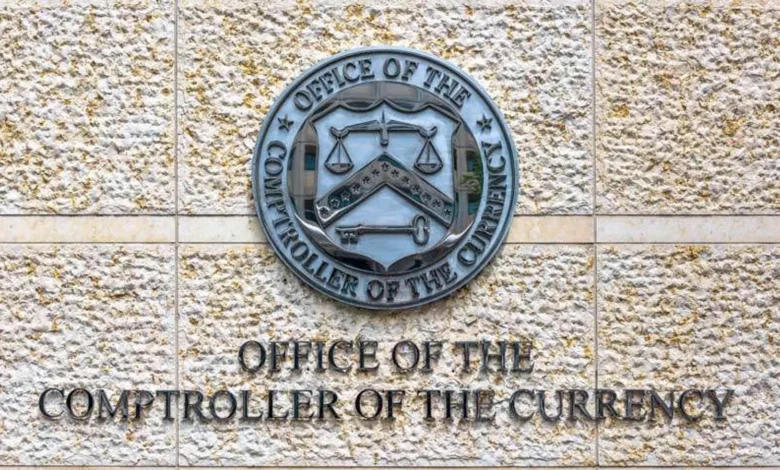
Upstart Holdings, the artificial intelligence (AI) marketplace specializing in lending, announced on Thursday, July 24, 2026, that it has received conditional regulatory approval from the Office of the Comptroller of the Currency (OCC) to establish its own national bank, Upstart Bank. This pivotal development marks a significant step for the Burlingame, California-based fintech firm, enabling it to pursue its mission of fundamentally transforming credit accessibility across the United States. The conditional approval, granted approximately four-and-a-half months after the initial application submission, paves the way for Upstart to originate loans nationwide and eventually accept Federal Deposit Insurance Corp. (FDIC)-insured deposits, though further regulatory hurdles with the FDIC and the Federal Reserve remain.
A Strategic Shift: Upstart’s Evolution in the Lending Landscape
Upstart has built its reputation on leveraging AI and machine learning to offer more accurate and inclusive credit assessments than traditional FICO scores. Its existing business model primarily involves partnering with banks and credit unions to originate loans, which are then either held by these partners or purchased by institutional investors. The move to establish Upstart Bank represents a strategic pivot, allowing the company to directly engage in lending activities under its own charter. This shift is not intended to replace existing partnerships but rather to complement them, providing Upstart with greater operational flexibility and control over its product offerings.
Paul Gu, Upstart co-founder and new CEO, underscored the strategic importance of this approval in a prepared statement. "Upstart Bank will allow us to lower the cost of lending and bring our full product offering to all 50 states, advancing our mission to radically reduce the cost and complexity of credit for all Americans," Gu stated. This move is anticipated to enhance Upstart’s ability to innovate and scale its AI-powered lending platform, potentially leading to more competitive rates for consumers and expanded access to credit for underserved populations. Unlike traditional banks, Upstart does not plan to open physical branches, aligning with its digital-first, AI-centric operational philosophy. The company’s vision is rooted in a belief that a digital-only national bank can operate with greater efficiency, passing on cost savings to borrowers.
The Rigorous Path to a National Bank Charter
The process of obtaining a national bank charter in the United States is notoriously rigorous, demanding extensive documentation, meticulous planning, and a robust demonstration of financial stability, governance, and operational readiness. For fintechs, this process often involves an additional layer of scrutiny regarding their innovative business models and technological infrastructure. Upstart’s application journey, though described as "speedy" by some observers, was by no means superficial.
Annie Delgado, Upstart’s Chief Risk Officer and the proposed CEO for Upstart Bank, affirmed the intensity of the regulatory review. "It’s important for the public to understand that efficiency doesn’t diminish oversight," Delgado commented. "A well-run charter process can be both timely and rigorous. We’ve been challenged extensively throughout the process, and that’s exactly what should happen when an institution is seeking the privilege of becoming a national bank." This sentiment highlights the OCC’s commitment to maintaining high standards even as it navigates the evolving landscape of financial innovation. Regulators typically examine an applicant’s capital adequacy, management expertise, financial projections, risk management systems, compliance programs (including anti-money laundering and consumer protection), and IT infrastructure. For an AI-driven lender like Upstart, the OCC would have paid particular attention to the fairness, transparency, and explainability of its AI models, ensuring they do not lead to discriminatory outcomes or introduce unforeseen risks.
Upstart was advised on its charter application by Klaros Group, a prominent regulatory consulting firm. Michele Alt, co-founder at Klaros, characterized Upstart’s conditional approval as "speedy" in an emailed statement to Banking Dive. She contrasted this with the recent charter denial received by another fintech, Wise, which marked the OCC’s first such denial since at least 2010. Alt’s observation suggests a nuanced approach by the current regulatory administration under Comptroller Jonathan Gould. "This administration is far more welcoming of financial innovators than we’ve seen for a while," she noted, while simultaneously emphasizing that "an open door is an invitation, not a guarantee. The application process is rigorous and examiner standards remain very high. We’re proud to have worked with Upstart and gratified that their application met with conditional approval, as that remains a very high bar." This perspective underscores the delicate balance regulators must strike between fostering innovation and safeguarding the financial system and consumers.
The Broader Regulatory Landscape and Fintech Charter Trends
Upstart’s conditional approval is part of a broader trend of increased interest from fintech companies in obtaining bank charters, particularly under the leadership of Comptroller Jonathan Gould. Gould’s tenure at the OCC has seen a notable uptick in both the number of applications received and approvals granted, signaling a more open stance towards integrating technology-driven firms into the regulated banking sector. This contrasts with previous administrations, which were often perceived as more cautious or even hesitant regarding non-traditional banking models.
The rationale behind this shift is multi-faceted. Regulators recognize the potential for fintechs to enhance financial inclusion, reduce costs, and improve efficiency within the financial system. By bringing these innovators into the regulated fold, the OCC can ensure they adhere to the same stringent standards of safety, soundness, and consumer protection as traditional banks, thereby mitigating risks that might arise from unregulated shadow banking activities. The conditional approval process itself is a testament to this strategy: it allows the OCC to guide aspiring banks through a structured pathway, ensuring they build the necessary infrastructure and governance frameworks before becoming fully operational.

Upstart joins a growing list of fintechs that have received conditional approval for national bank charters under Gould’s leadership. These include prominent names such as Nubank, Mercury, and Valt Bank, all of which are pursuing full charters to varying degrees. Notably, Erebor Bank has already secured full approval, demonstrating that the path from conditional to full charter is indeed achievable for well-prepared entities. However, the denial of Wise’s application serves as a crucial reminder that these approvals are not guaranteed and that each applicant’s business model, risk management, and capital structure are subject to intense scrutiny. The OCC distinguishes between full national bank charters, which permit a wide range of banking activities, and national trust charters, which are more limited in scope, typically focusing on fiduciary activities rather than deposit-taking and lending. Upstart’s pursuit of a full charter signifies its ambition to operate as a comprehensive, albeit digital-first, banking institution.
Remaining Hurdles: FDIC and Federal Reserve Approvals
While the OCC’s conditional approval is a monumental achievement for Upstart, it is not the final step. The firm still awaits crucial approvals from two other key federal regulators: the Federal Deposit Insurance Corporation (FDIC) for deposit insurance and the Federal Reserve to become a bank holding company. These approvals are equally stringent and necessary for Upstart Bank to fully operate as envisioned.
The FDIC’s primary mandate is to protect depositors and ensure the stability of the nation’s financial system. Its review process for deposit insurance involves a thorough assessment of a prospective bank’s financial condition, its proposed business plan, risk management practices, and compliance with consumer protection laws. The FDIC will scrutinize Upstart Bank’s ability to manage deposits safely, maintain adequate liquidity, and resolve potential financial distress without jeopardizing insured deposits. For a novel, AI-driven bank with no physical branches, the FDIC’s evaluation will likely focus on the robustness of its digital security, customer service channels, and operational resilience.
Simultaneously, the Federal Reserve’s approval to become a bank holding company is essential. This designation places the entire Upstart organization, including its existing AI marketplace operations, under the regulatory umbrella of the Federal Reserve. The Fed’s review focuses on the consolidated organization’s financial strength, managerial expertise, and potential impact on the broader financial system. Becoming a bank holding company entails adherence to stringent capital requirements, stress testing, and ongoing supervisory oversight. This multi-layered regulatory framework ensures that new entrants, particularly those leveraging innovative technologies, are integrated into the financial system responsibly and do not pose undue risks. Upstart’s commitment to working collaboratively with all three agencies – the OCC, FDIC, and Federal Reserve – on these remaining steps underscores the complexity and comprehensive nature of the regulatory approval process.
Implications and Future Outlook

The conditional approval for Upstart Bank carries significant implications, not only for Upstart itself but also for the broader financial services industry and the future of AI in banking. For Upstart, the ability to operate its own bank provides several strategic advantages. Firstly, it offers potentially lower funding costs. By taking FDIC-insured deposits, Upstart Bank could gain access to a stable, low-cost source of capital, reducing its reliance on more volatile or expensive institutional funding for its loan originations. This could enhance its profitability and allow it to offer even more competitive rates to borrowers.
Secondly, a national bank charter grants Upstart greater control over the entire loan lifecycle, from origination to servicing. This vertical integration can lead to improved operational efficiency, better customer experience, and more robust risk management tailored to its AI models. It also provides a platform to expand its product offerings beyond personal loans to potentially include other credit products like auto loans, mortgages, or small business loans, further diversifying its revenue streams and market reach. Operating as a regulated national bank also lends a significant degree of credibility and trust, which can be crucial for customer acquisition and investor confidence.
For the financial industry, Upstart’s journey exemplifies the ongoing convergence of fintech and traditional banking. It highlights a future where technology companies are not just partners or disruptors but also direct participants in the regulated financial system. This trend is likely to spur further innovation, forcing traditional banks to accelerate their digital transformation efforts and explore new partnerships or in-house AI capabilities to remain competitive. The success or challenges faced by Upstart Bank will serve as an important case study for other fintechs contemplating similar regulatory pathways.
However, the transition to a fully regulated national bank also presents new challenges for Upstart. The company will face increased regulatory scrutiny, compliance costs, and capital requirements, which could impact its agility and financial performance in the short term. Building out the necessary banking infrastructure, even for a digital-only entity, requires significant investment in technology, personnel, and governance frameworks. Upstart will need to meticulously balance its innovative, AI-driven approach with the conservative, risk-averse nature of banking regulation.
Ultimately, Upstart Holdings’ conditional OCC approval marks a pivotal moment in its corporate trajectory and for the evolving landscape of digital banking. It signifies a maturation of the fintech sector and a growing acceptance by regulators of AI-driven financial models. As Upstart navigates the remaining regulatory hurdles with the FDIC and Federal Reserve, its progress will be closely watched by industry observers, providing valuable insights into the future of credit, financial inclusion, and the symbiotic relationship between technology and regulation in the 21st century financial system.